The ‘grooming’ they won’t talk about #wato#bbcnews https://t.co/R5KLPwLVLV
The politicians and pundits feasting on Brand and Walliams’s behaviour ignored a far bigger scandal.
Never mind the exploitation and rape of thousands of young girls in towns and cities across the country by mainly Pakistani Muslim men.
@faisalislam Oh Joy!
Its the worst type of surrender deal!
Nothing in it for the UK!!
Its not even finalised, the tuition fees question is outstanding!
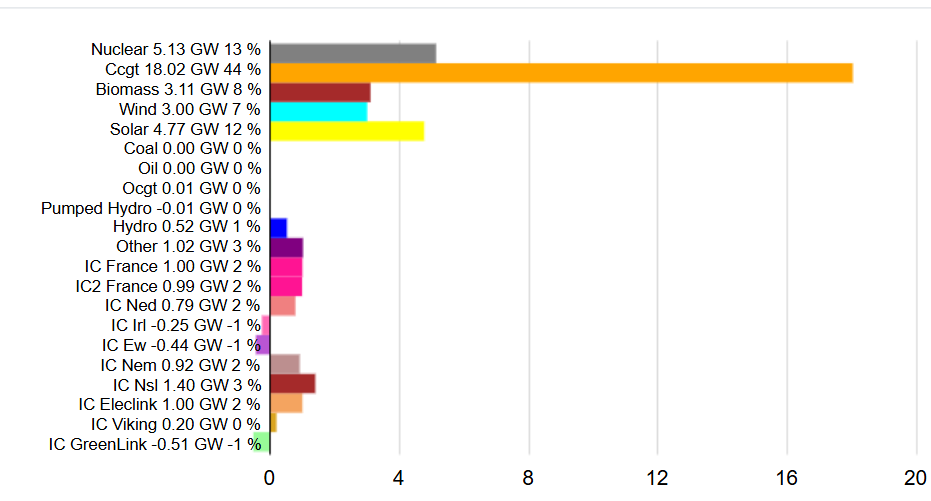
Wind power has gone absent, again!
#wato#bbcnews
3 GW out of the expensive 33 GW wind fleet!
As usual gas is doing the heavy lifting, on UK electricity generation
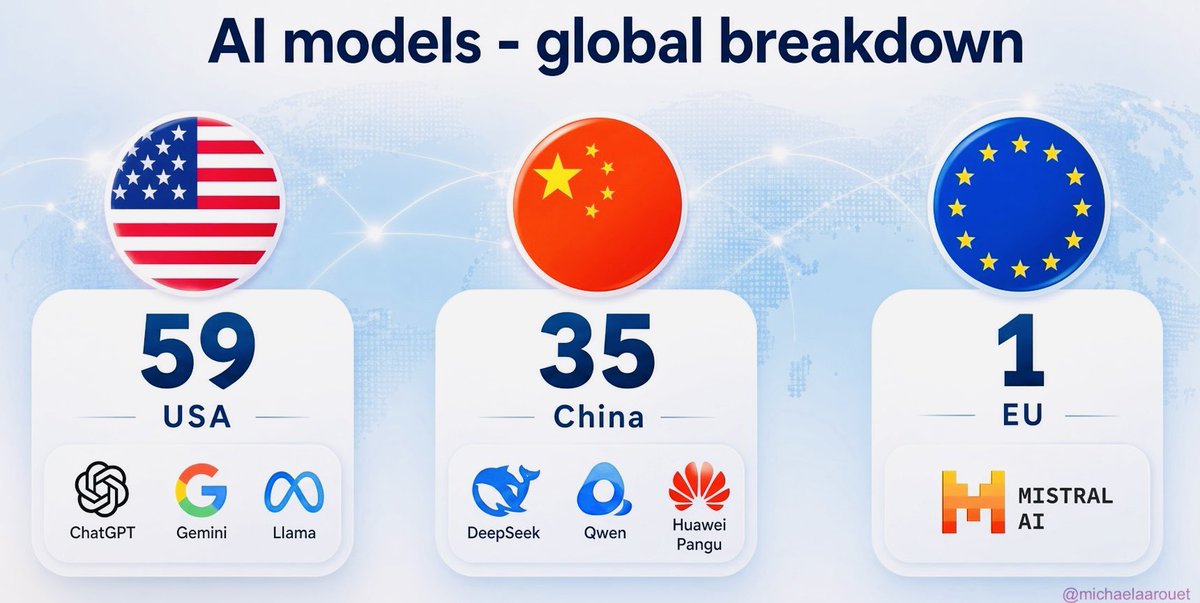
That’s probably the most important chart for Europe’s future. Europe’s near-total absence from frontier AI is the not surprising outcome of choices that systematically raise costs and slow the building and scaling of advanced models. The main constraint is regulation. The AI Act, layered on GDPR and national rules, adds months or years of delay and millions in compliance costs before a model can even be released.
While the US and China race to train and deploy, European teams spend time on paperwork. The result is clear in competitive models, just one European effort versus dozens from the US and China. Capital and talent follow the same pattern. Europe’s venture ecosystem remains smaller and more risk-averse. Top researchers frequently leave for labs offering better resources and fewer procedural hurdles. Energy prices, elevated by policies that reduced baseload capacity, further raise the enormous cost of training runs. Fragmentation across 27 legal systems multiplies every friction.
Competitiveness consequences are severe. Most high-value software, industrial automation, drug discovery, logistics, and customer-facing services will increasingly embed frontier models. European firms unable to train or fine-tune at the frontier will license American or Chinese systems, transferring value and strategic leverage abroad, or offer less capable products. Over time this erodes margins, slows productivity growth, and hinders retention of remaining technical talent. In dual-use domains, dependence creates geopolitical exposure, access can be restricted, pricing raised, or capabilities withheld.
Catch-up is still possible but requires reversing current incentives rather than adding regulations. Without that shift, Europe’s industrial and services base will operate one generation behind the systems defining the next productivity wave. Europe decimated its legacy industry with its energy approach and runs a serious risk of finishing off its remaining industry by choosing bureaucracy over AI advancement. Can you imagine the consequences for Europe's prosperity, standard of living, and geopolitical security?
The UK has agreed to join EU's more expensive Emissions Trading Scheme.
This will push up the cost of UK electricity made using gas.
Today, right now, more than half of the electricity generated in the UK comes from gas.
18.4 GW gas
2.3 GW solar
5.3 GW wind
5.1 GW nuclear
2.6 GW Biomass
@andyburnham 's Reset will increase electricity prices.
National Grid: Live https://t.co/s8fGH7ET6h
UK borrowing jumps as debt bill surges
#wato#bbcnews https://t.co/TTLuebwsKm Borrowing in the financial year to October totals £111.3bn, £3.3bn more than forecast
@EdConwaySky Why this is being brought up is a complete diversion!
The UK problems are of our own making:
Taxes too high
Too many quangos and regulation.
The highest electricity prices in the world.
This EU boondoggle will not help with any of them. In fact it will make them worse.
Why Burnham shouldn’t do a deal with the EU #wato#bbcpm https://t.co/P4eqiqQ2Hu It would be in Britain’s best interests to wait until May before discussing any ‘reset’ with Brussels. Once Macron is gone, negotiations will be less complicated.
99% of people never used FoM.
96% of companies don't trade with EU.
92% of our economy is not related to exports to EU.
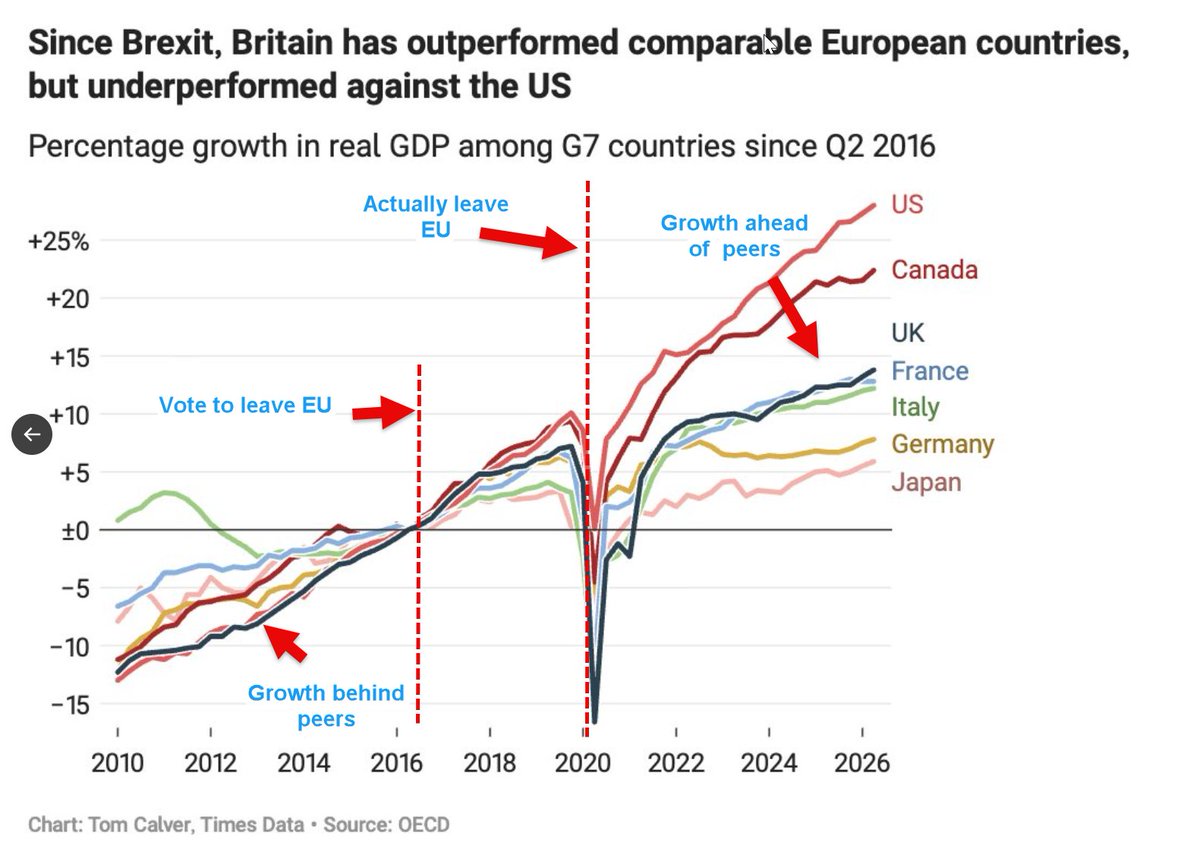
We've done far better out than in (see below).
And we haven't got £41bn to spaff to them.
Don't let the Remoaners lie any more.
#Brexit
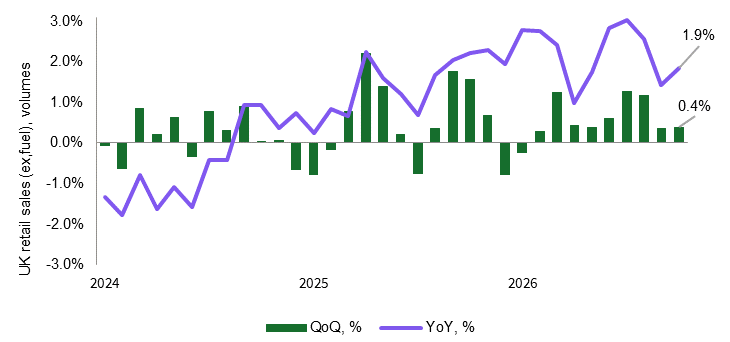
Impressive resilience of UK retail sales, ex fuel, (+0.4% QoQ; 1.9% YoY) keeps up the strong run of UK data in H2. October's sales propped up slightly by purchases of UHT milk and tinned food. Well done all you preppers! Disappointed the ONS didn't give my bottled water purchases a shout out....
🚨 BRITAIN IS BORROWING £𝟲,𝟬𝟮𝟬 EVERY SECOND
Fresh ONS figures: the Government borrowed £17bn in October, taking borrowing since April to £111.3bn.
That's £520 MILLION A DAY.
💷 National debt: £𝟯.𝟬𝟲 TRILLION, 95.8% of GDP, levels last seen in the early 1960s
💸 Debt interest: £𝟭𝟭.𝟮𝗕𝗡 in October, a record for the month and up 33%
🧾 Central government taxes: £34bn MORE collected April to October than a year ago
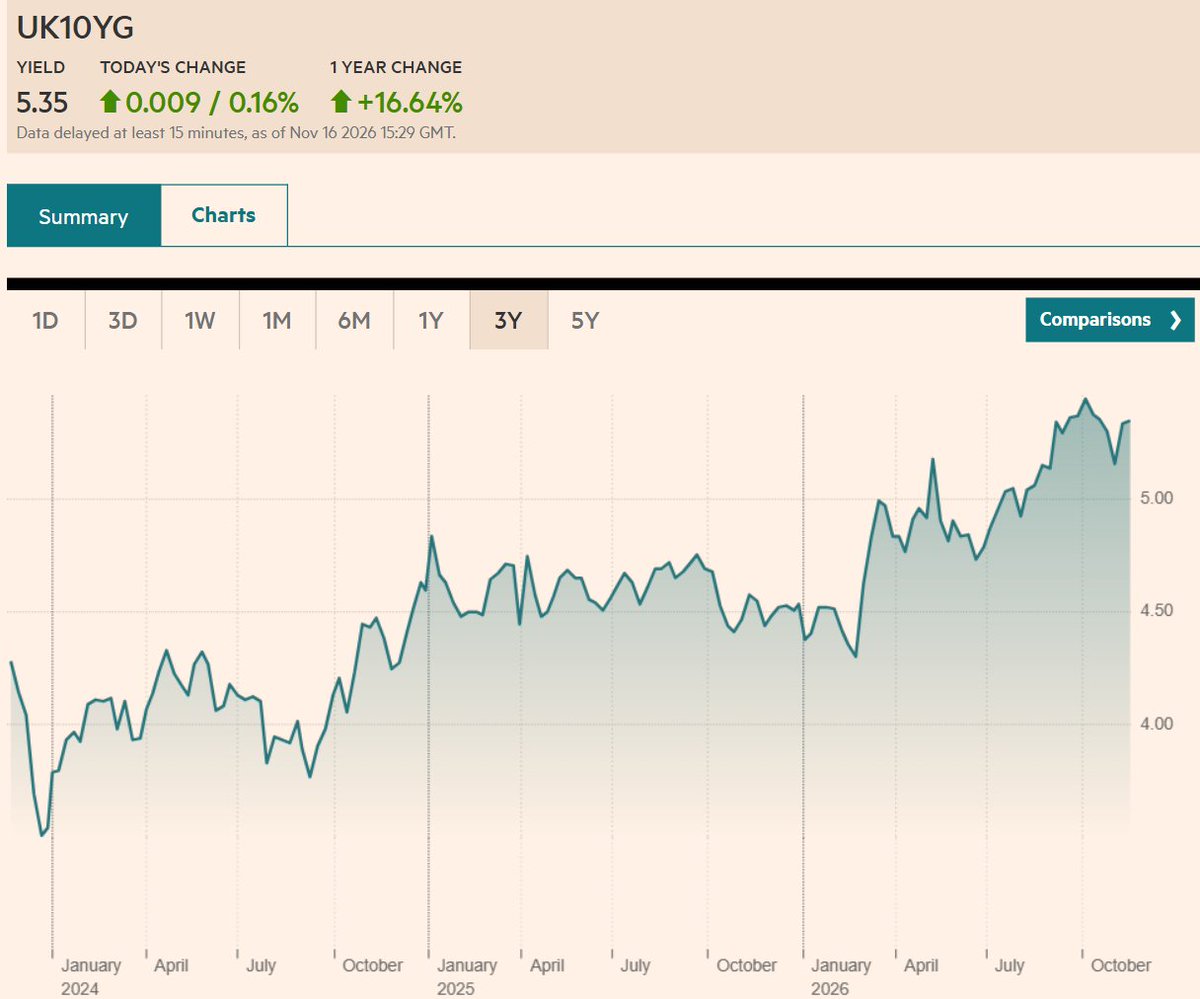
📈 Gilts: the highest 10-year borrowing costs in the G7, around 5.3%
🇬🇧 Last time we balanced the books: 2000–01
We're paying more tax AND piling up more debt, with billions going on interest rather than public services.
If you ran your household like this, how long would you last?
At what point do we start living within our means? 👇