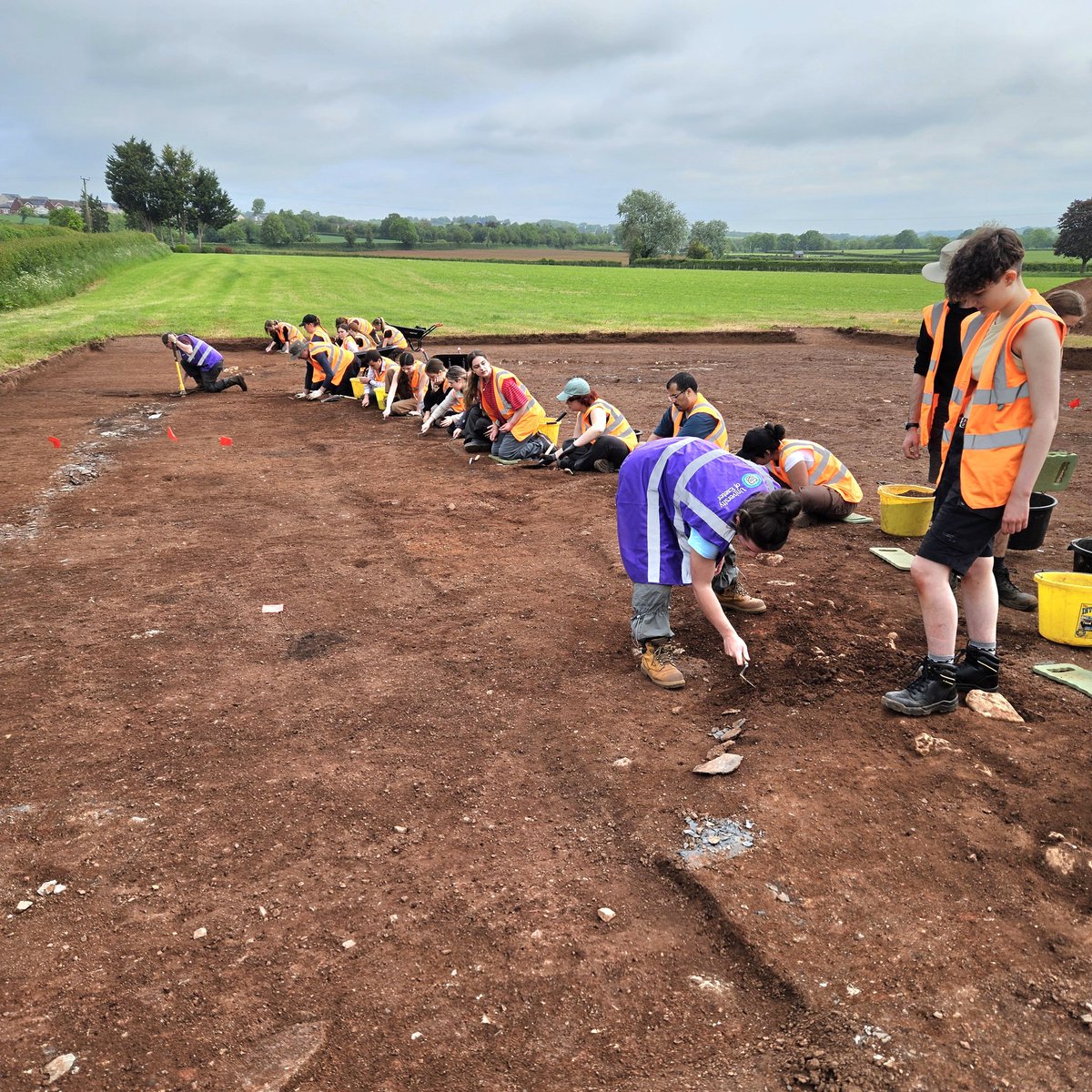
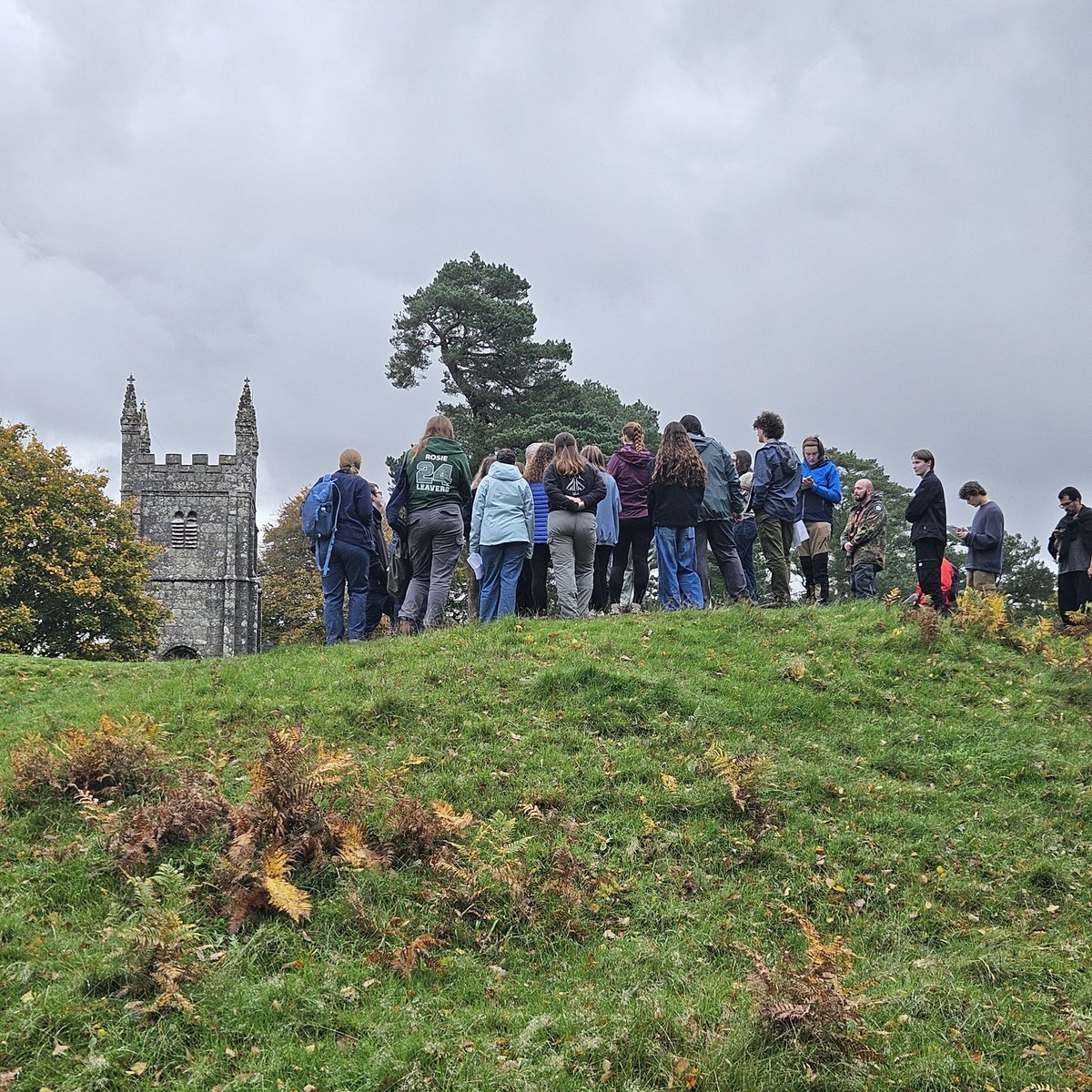
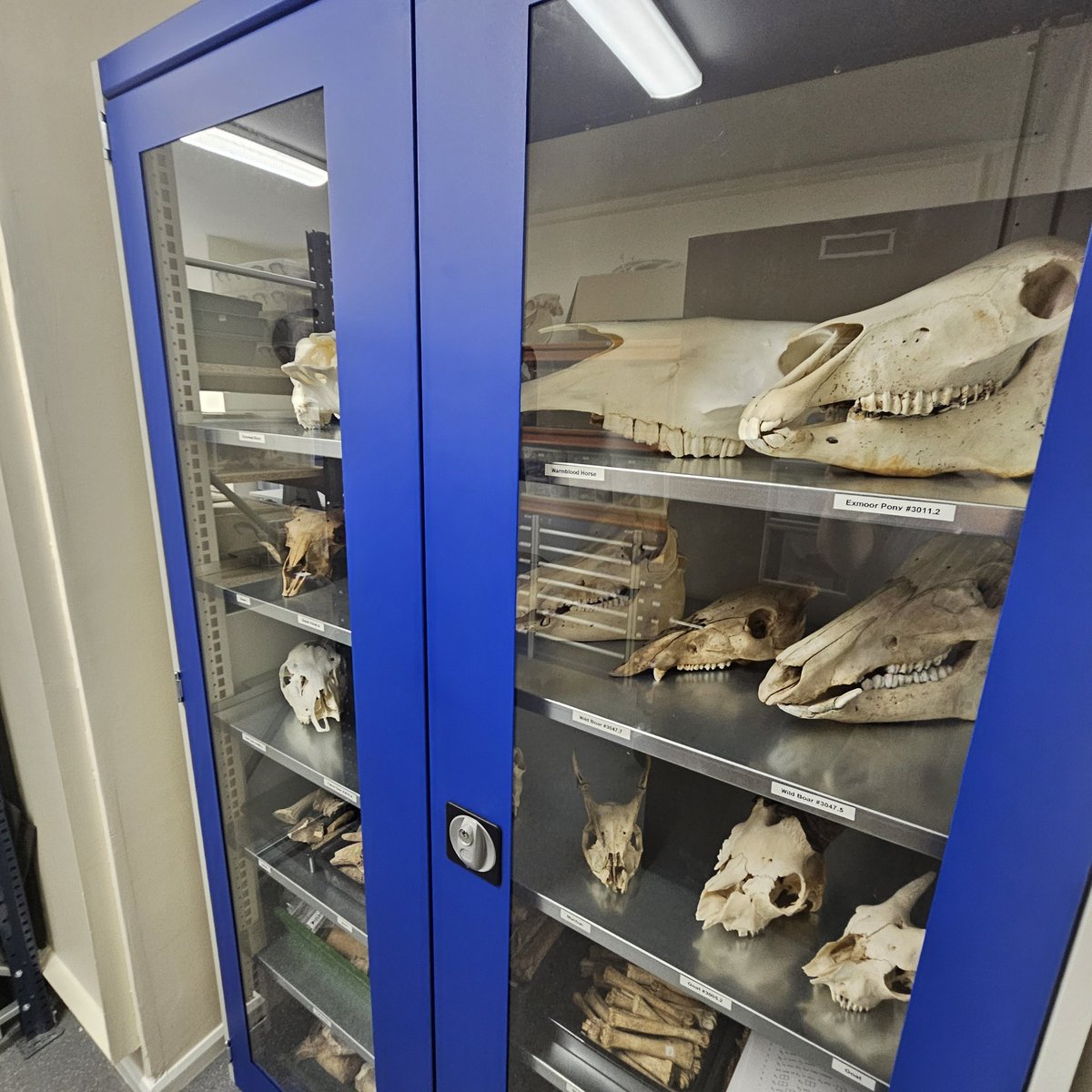
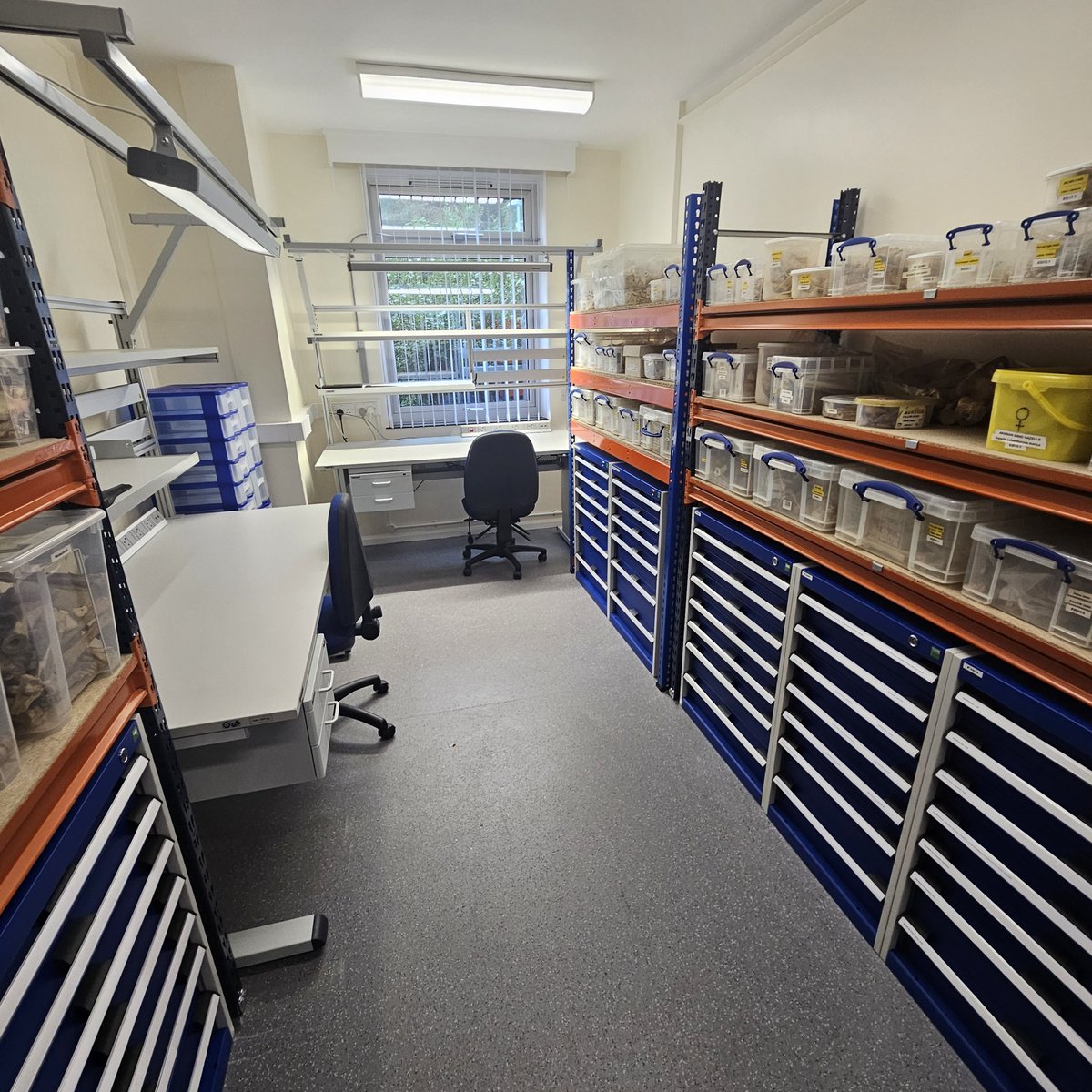
Our fieldschool at a Roman villa in Halberton, Devon, has gotten underway. As well as excavation, we are training the students in various survey methods and finds processing. An early exciting find has been an intaglio with what looks like the figure of a winged victory on it.
Our 'Medieval Warhorse' book has also been nominated for Current Archaeology Book of the Year. Additionally, Oliver Creighton's 'From Bayeux to Bosham' research project has been nominated in the project category. You can vote on winners here:
https://t.co/1XOVSLDVgl
A great turnout on to Prof Alex Pryor's (birthday) talk on 'Hunters of Giants: How to kill an Upper Palaeolithic mammoth, revealed by stable isotopes and DNA'. Part of our Centre for Human-Animal-Environment Bioarchaeology (HumAnE) series of events, which welcome all! #mammoths
Just out in the journal Science, Carly Ameen and colleagues show that there was extensive dog diversity millennia before modern breeding practices. #dogs#Archaeology
https://t.co/fwReMgVzsP
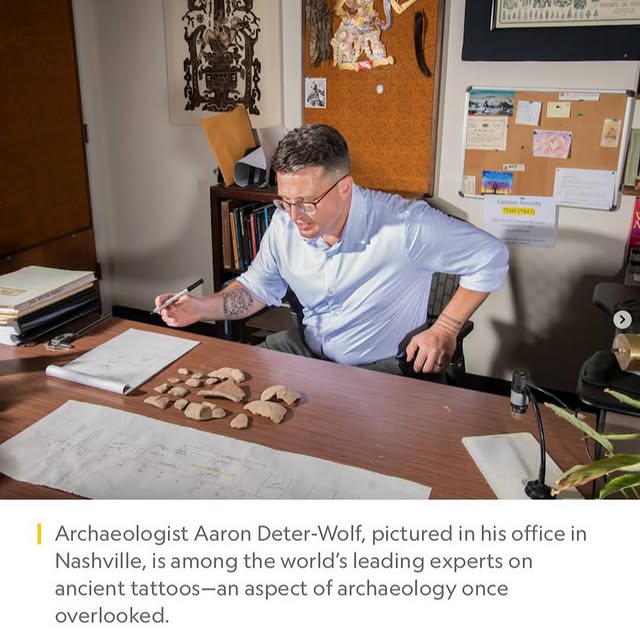
Congratulations to Aaron Deter-Wolf, on passing his viva for a PhD by publication. Aaron is one of the world’s leading experts on ancient tattoos. His work was recently featured in National Geographic magazine.
Congrats to our post-doc Joe Hirst on his new paper out today: 'Modelling Maize Agriculture by the Pre-Columbian Casarabe Culture of Amazonian Bolivia: An Agent-Based Approach', in the Journal of Artificial Societies and Social Simulation:
https://t.co/G0YwaH2OUJ
A new forensic ecology consultancy is being launched by the University of Exeter. Based within Archaeology, ApEx Forensics will draw upon academic expertise across a broad range of fields to provide one of the first commercial services of its kind within in UK Higher Education.
Yesterday, Prof. Stephen Rippon was invited to London to be presented the prestigious British Academy Landscape Archaeology Medal, awarded for distinguished achievement in that field of archaeology. Many congratulations on this much deserved honour!
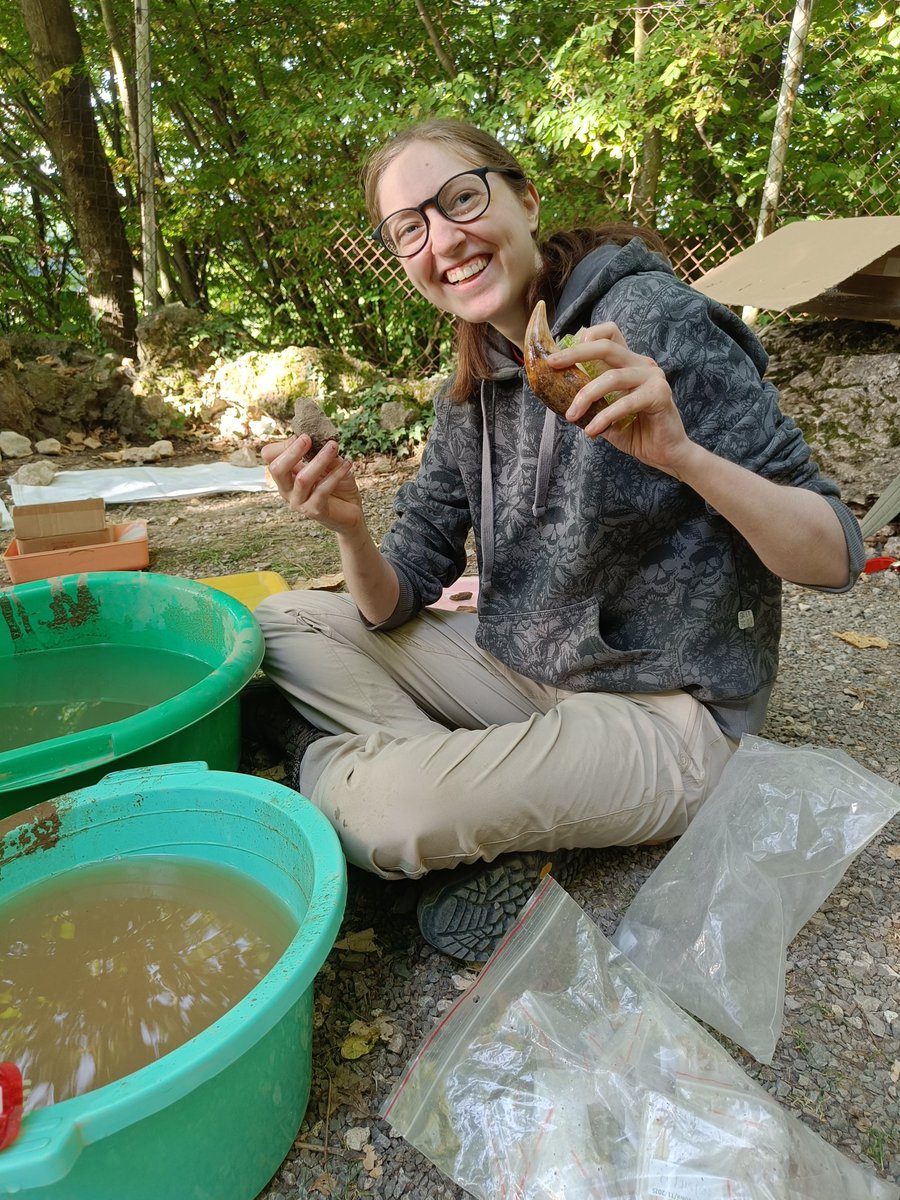
At Nietoperzowa Cave, in Poland, our students are progressing well, working down in 10cm spits into Pleistocene layers. Recent finds include a huge cave bear tooth, as well as cave bear bones and a range of lithic flakes. #prehistory#Palaeolithic#cave