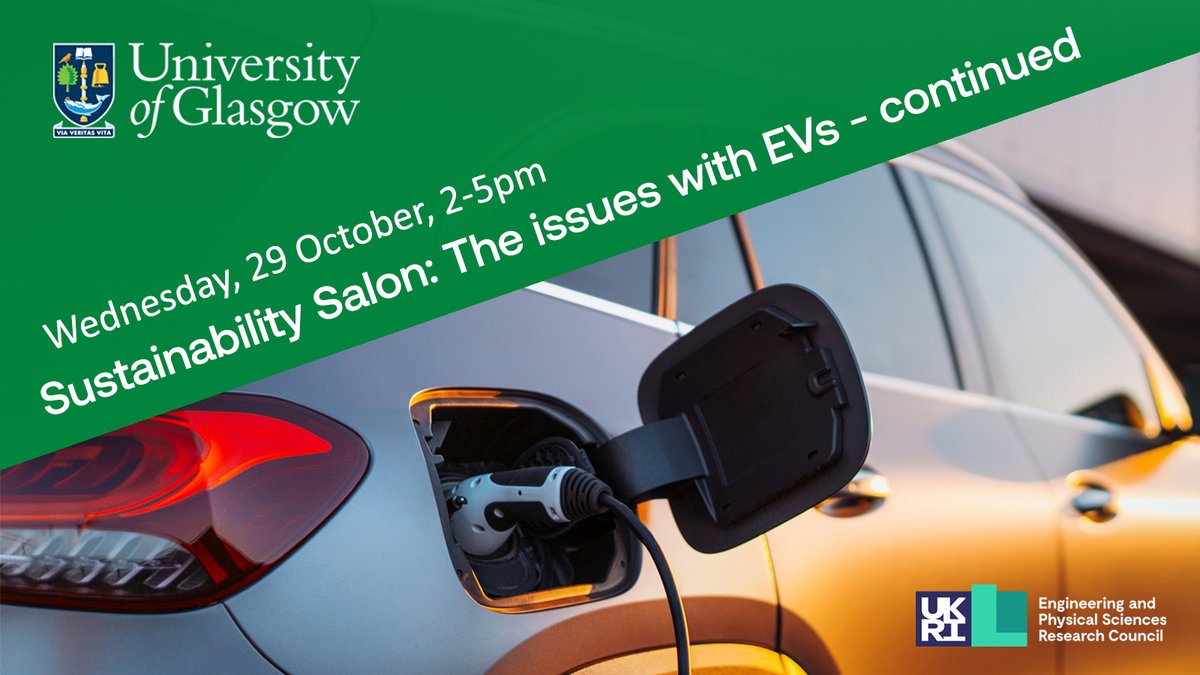
Let's dive deeper into the challenges and benefits of electric vehicles at our Sustainability Salon: The issues with EVs - continued! Wed 29 Oct, 2-5pm.
Book your place: https://t.co/88pLcDe6Fn
#sustainability#EVs#ElectricVehicles
Happy #WorldSpaceWeek - an excuse to keep celebrating the 10th anniversary of the first direct detection of gravitational waves!
Our scientists played key roles in the field, including developing LIGO detectors' mirror suspensions which enable detections.
https://t.co/t4CSheEAnV
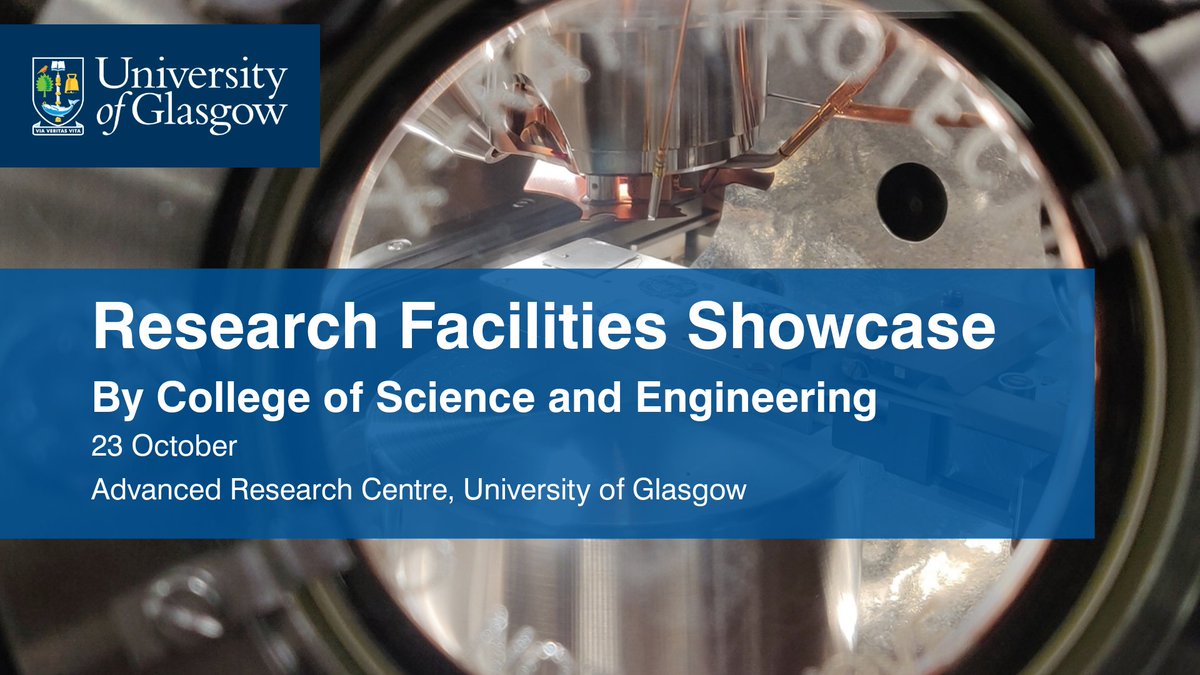
This is a great opportunity to learn how you can benefit from our 𝗠𝗮𝘁𝗲𝗿𝗶𝗮𝗹𝘀 𝗖𝗵𝗮𝗿𝗮𝗰𝘁𝗲𝗿𝗶𝘀𝗮𝘁𝗶𝗼𝗻 𝗛𝘂𝗯 and 𝗞𝗲𝗹𝘃𝗶𝗻 𝗡𝗮𝗻𝗼𝗰𝗵𝗮𝗿𝗮𝗰𝘁𝗲𝗿𝗶𝘀𝗮𝘁𝗶𝗼𝗻 𝗖𝗲𝗻𝘁𝗿𝗲, among other College research facilities.
How can you benefit from research facilities? Find out more at our 𝗥𝗲𝘀𝗲𝗮𝗿𝗰𝗵 𝗙𝗮𝗰𝗶𝗹𝗶𝘁𝗶𝗲𝘀 𝗦𝗵𝗼𝘄𝗰𝗮𝘀𝗲 - hear about the equipment available, their capabilities, services and how you can access them. Register: https://t.co/YndXwIvh6s
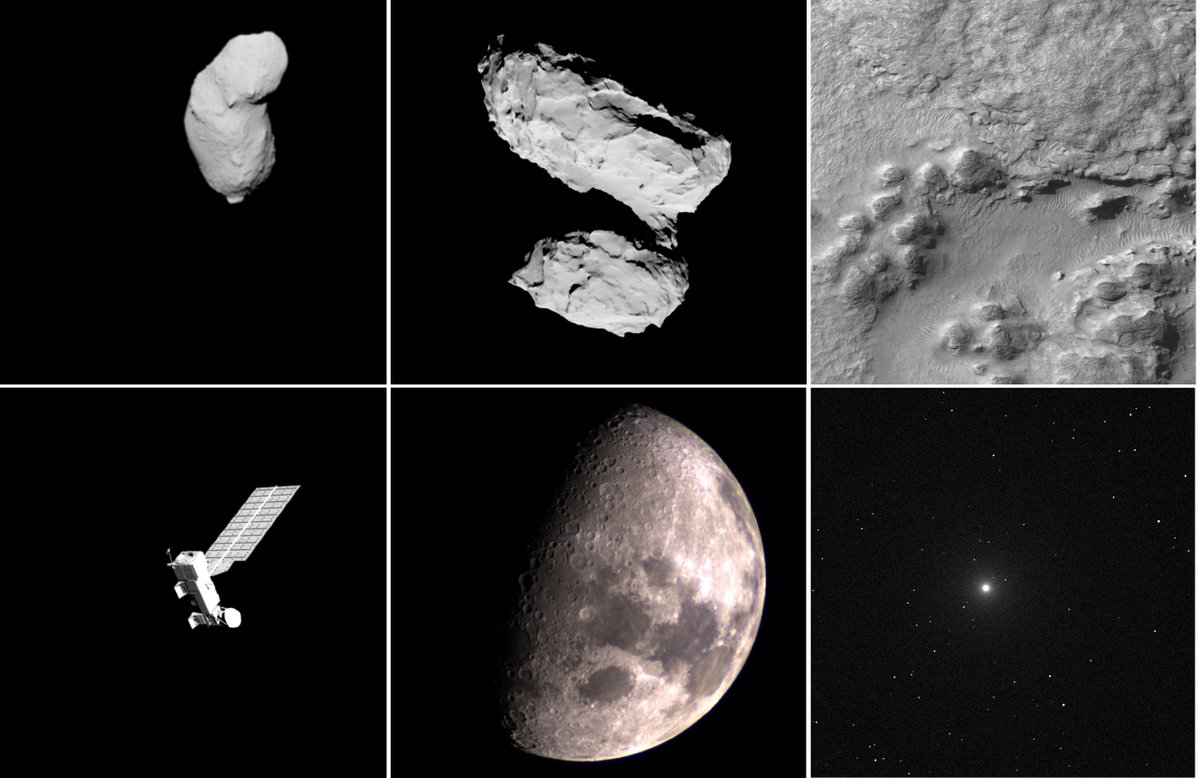
This paper by our very own Dr George Brydon describes SIMply, a Python image simulation tool that simulates spaceborne image data. The tool is:
- accessible
- simple
- flexible
- free and open-source.
JUST PUBLISHED: Image Simulation for Camera Development—Python Image Simulator for Planetary Exploration (SIMply)
By: Dr George Brydon, at the University of Glasgow
Click here to read the latest free, Open Access article from Space: Science & Technology: https://t.co/4Y5F1wd2m4
Happy #WorldHearthDay- a very difficult organ to image!
In the video you can see how our researchers used 3D microscopy to capture the growing hearts of zebrafish embryos - they were the first to do this while it beats.
This could give insights into the human heart.
Our very own Dr George Brydon developed an open-source software tool set to transform the way scientists and engineers design imaging systems for space.
🚀A new tool from Glasgow Uni is democratising camera design for space exploration by enabling researchers to model how cameras capture light, offering advanced simulation capabilities once limited to major corporations
📍@UofGlasgow
👇Learn more
https://t.co/OW8c4fIP1o
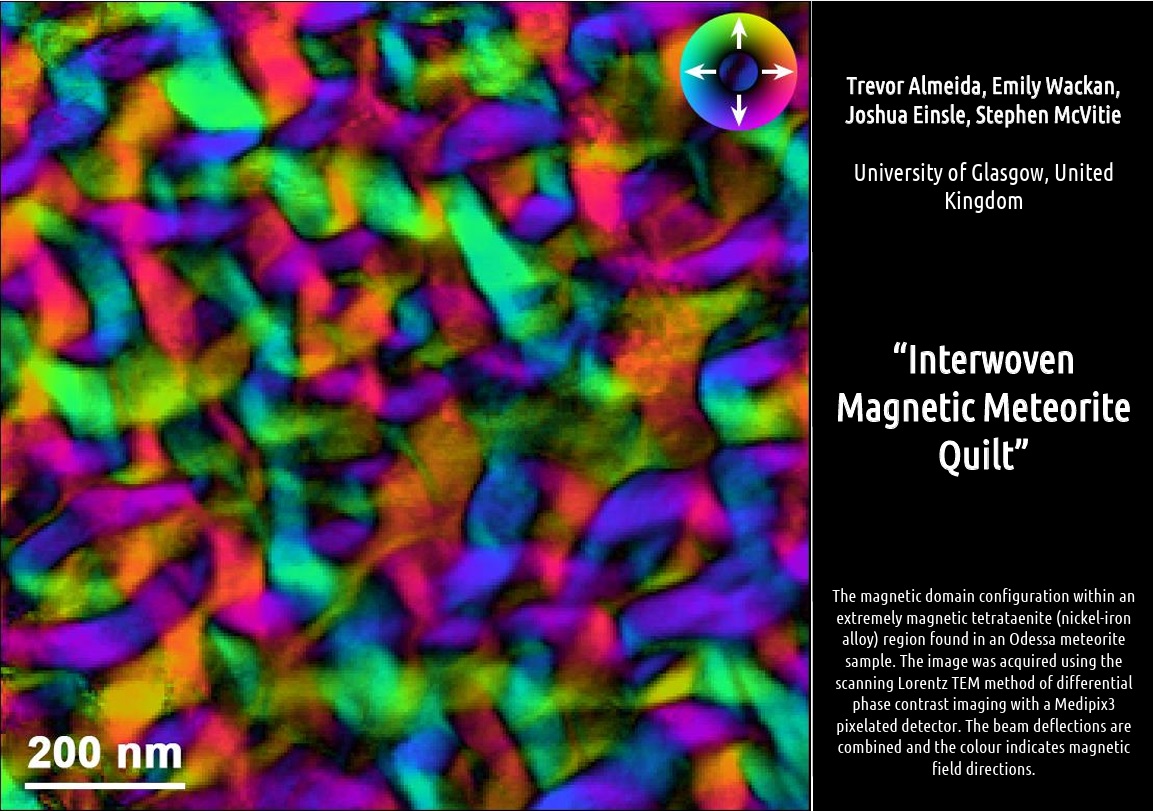
We are delighted to belatedly celebrate winning the Best Image Award at 17MCM in Portoroz, Slovenia. The image of the magnetic domains in a meteorite was acquired in
@UofG_MCMP using 4DSTEM DPC. Congrats to winners @DrTrev_Almeida, Emily Wackan, Josh Einsle and Stephen McVitie!🥳
A powerful software tool developed at @UofGPhysAstro capable of accurately modelling how cameras capture light could help democratise the development of new imaging systems for use in space.
Read more here: https://t.co/LowCMvMKRY
Professor Sir James Hough of @UofGPhysAstro and @UofGravity, one of our longest-serving and most distinguished researchers, will receive another honour today, the Baird of Bute Innovation Award, for his work in gravitational research.
Read more here: https://t.co/n37AmTKuvD
Researchers from our @UofGPhysAstro and @UofGravity are celebrating the 10th anniversary of @LIGO’s historic first detection of gravitational waves!
Learn more about our team’s role in the first detection and their ongoing gravitational research: https://t.co/LjDUCVkzj1
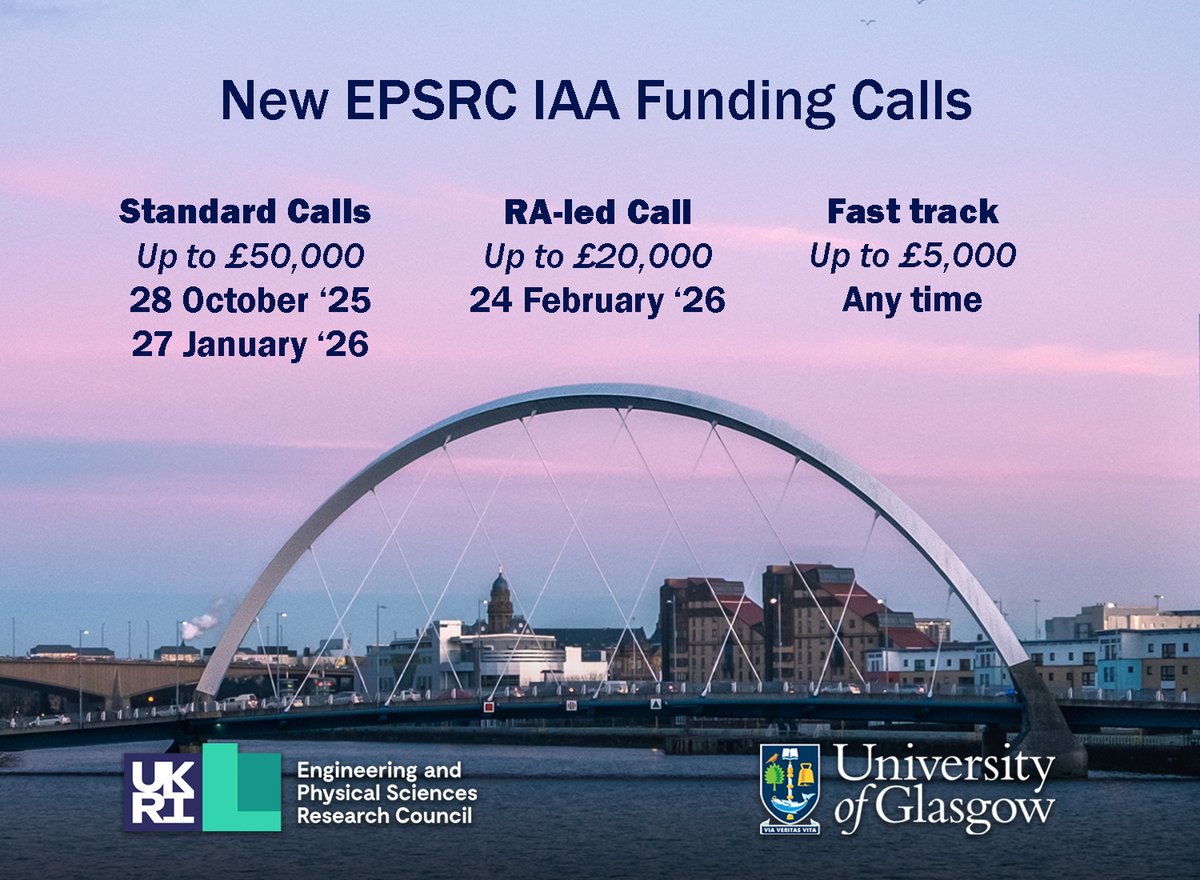
Our EPSRC IAA Funding Calls have reopened!
#Funding to create #impact from your research. With priority given to projects that can deliver outcomes and impacts in 2027/28.
Find out more and apply: https://t.co/0YdrzosDA1
Congratulations to Dr Graham Kerr on being awarded a University Research Fellowship by @royalsociety. He'll be building his own research team and programme, to study eruptions on the Sun (solar flares), which can impact technology on Earth. https://t.co/GLR7JpcWWB
We're oblivious to the tiny particles that surround us. Imagine if we could hear them? A musician and a UofG physicist have collaborated to make them audible 🎶
Watch the story behind the ‘Muonophone’: https://t.co/xzxkGnBMuu
Wee-g, a lightweight gravimeter, developed by our researchers, is being used to collect invaluable data from a volcano in Costa Rica.
It could potentially be used in early warning systems and to help understand complex volcanic systems. By @QEPNT_Hub https://t.co/0gHKTp4tCn
Researchers from @UofGravity and @UofGPhysAstro led the analysis of data from 128 gravitational wave detections made by @LIGO, @ego_virgo and @KAGRA_PR.
Read more about the results, published in a new preprint catalogue paper, here: https://t.co/Ykpil1fmLw
It was a pleasure to open the 24th International Conference on General Relativity and Gravitation (GR24) and the 16th Edoardo Amaldi Conference on Gravitational Waves, held jointly as the GR-Amaldi meeting in Glasgow @UofGlasgow@UofGPhysAstro (1/2)
"The #GR24Amaldi16 conference is an opportunity to show the world Glasgow’s scientific expertise," writes @cplberry of @UofGPhysAstro in @heraldscotland, as the world's gravitational wave researchers gather in the city this week.
Read more here: https://t.co/O6gVMmNi83
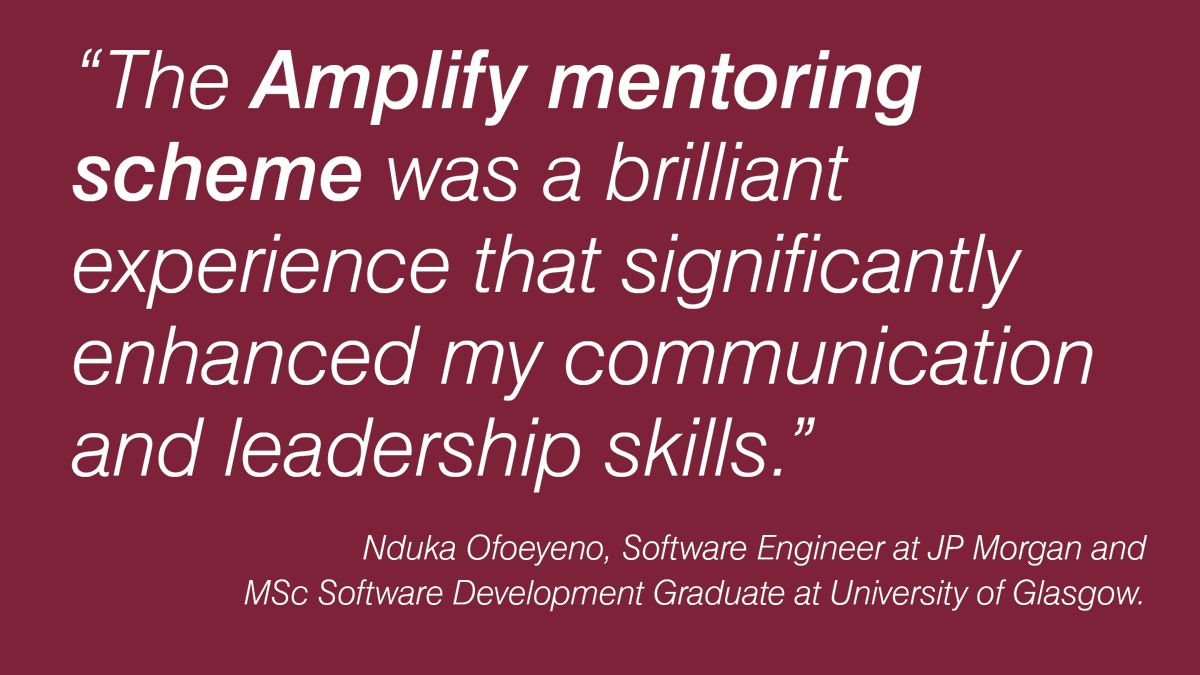
Are you a STEM professional or graduate? Amplify Mentoring is looking for industry professionals to pair with students from backgrounds underrepresented in UK unis & STEM workforce.
30 mins/month, online, over an academic year.
Register by 17th Oct https://t.co/NnjaSlaqHg
Dr @DavidFMahon of @UofGPhysAstro has teamed up with artist @LomondCampbell to turn cosmic rays into music for a series of performances during the @edfringe.
Read more about their collaboration here: https://t.co/a8lML7reNB
Studied maths, physics or engineering? Develop your data science and geoscience skills with a MSc in Computational Geoscience for a career in an area of growing demand. Apply now for 2025!
https://t.co/kfrpz0a7fi