Coalitional psychology and game theory are rarely discussed together. In this post, I combine an introduction to both topics for anyone interested in understanding how we navigate the complex web of social interactions.
(link in comment)
@ZacharyBreig and I are recruiting a PhD candidate at @UQCUBES for a fully funded position on “Mistaken Inference in Markets with Incomplete Information.” Open to domestic & international students. Apply by April 1st!
@rosatoecon and I are recruiting a PhD candidate at @UQCUBES for a fully funded position on “Mistaken Inference in Markets with Incomplete Information.” Open to domestic & international students. Apply by April 1st!
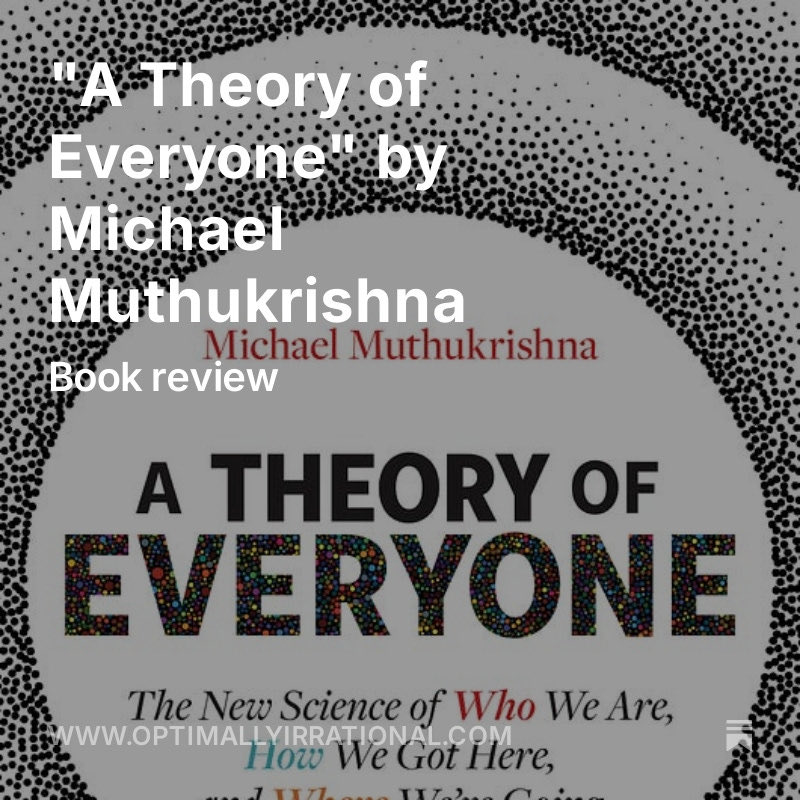
My review of Michael Muthukrishna (@mmuthukrishna)’s book for the journal Behavioural Public Policy.
My take: An excellent contribution, bringing together insights from natural and social sciences to understand people and societies.
https://t.co/W9DHU73CIZ
UQ applications close **this Friday (November 8th)**. If you are looking for an academic position in econ with a great research environment in a fantastic place to live (Brisbane, Australia), apply to UQ: @UQ_News. We have multiple positions open: https://t.co/qFKsvVW30I…
Applications close 🚨this Friday🚨 (November 8th)
If you are looking for an academic position with sufficient research time and a good living environment, apply for @UQ_News. We have multiple positions this year! https://t.co/JfUDiSL9Qw
#EconJobMarket#EconTwitter#econjobs
A fascinating aspect of coalitional game theory is how it shows coalitions are much more likely to change over time than we tend to expect. The idea that a social group "belongs" by nature to a specific political coalition is misleading.
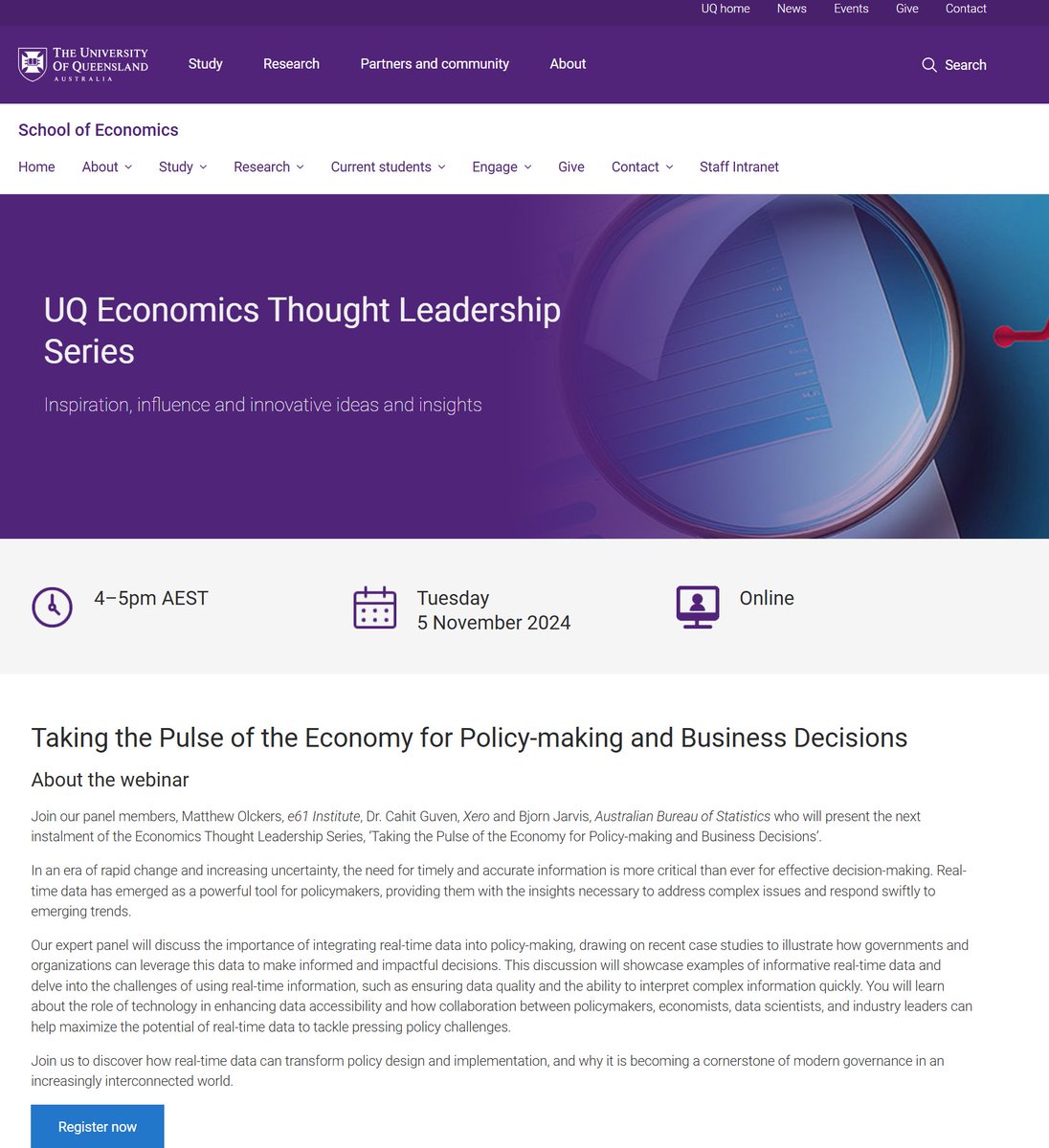
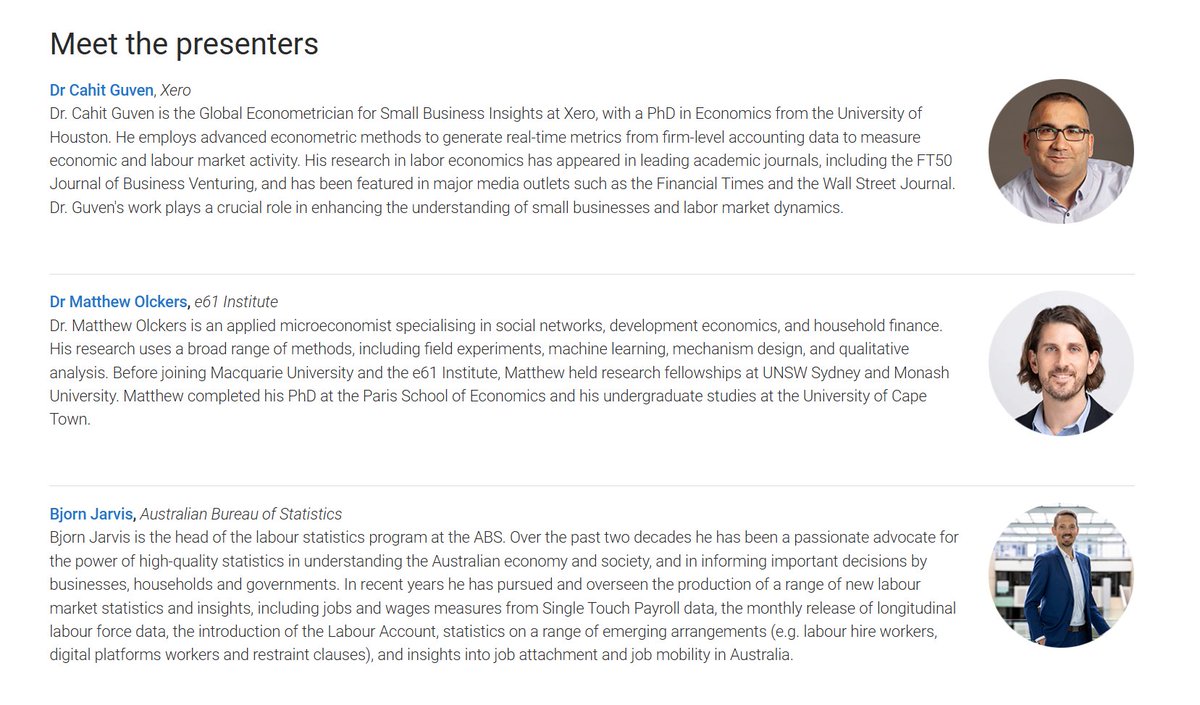
In the UQ Economics Thought Leadership webinar next Tuesday, Cahit Guven (Xero), Matthew Olckers (e61 Insitute), and Bjorn Jarvis (ABS) will discuss real-time data on policy and decision-making. For more details and registration: https://t.co/jUIlwoc94w
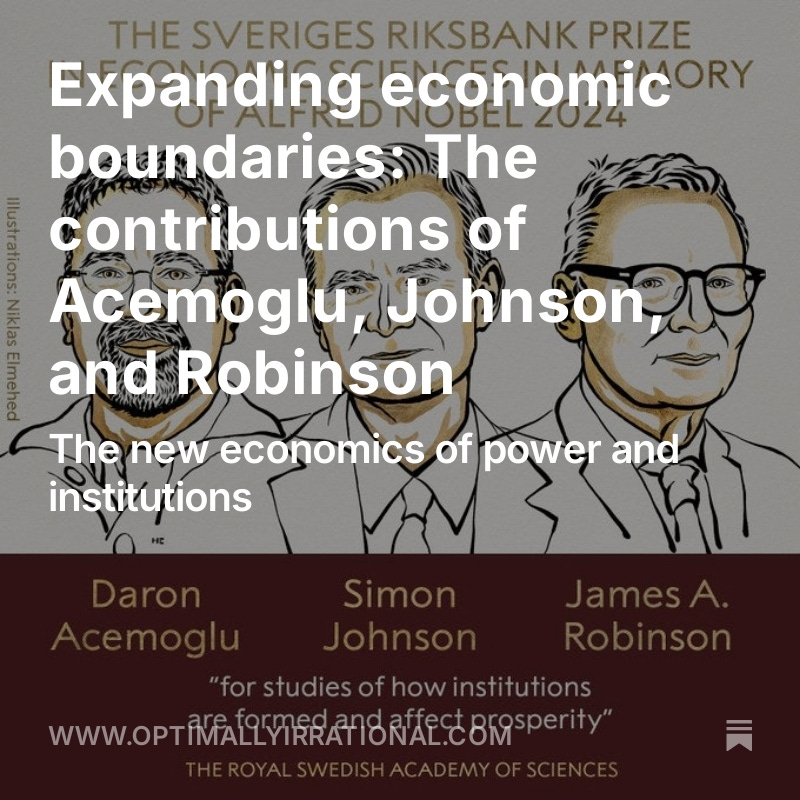
Discussions on the award of the Nobel Prize in economics to Acemoglu, Johnson, and Robinson have often focused on their empirical papers on economic growth.
A🧵 to point to the big picture: how they transformed the discipline.
I have written a post on the work of Acemoglu, Johnson, and Robinson.
When assessing their contribution, it is important to appreciate how much their perspective has extended the scope and relevance of economics compared to where it was 20 years ago.
https://t.co/Fp0eM1BB1a
Prompt:
Generate an image that is representative of the history of our conversations.
ChatGPT:
Here is the image representing the key themes of our conversations, reflecting your academic work, chess research, global collaborations, and diverse intellectual pursuits.
Acemoglu, Johnson, and Robinson have transformed economics by integrating institutions, their dynamics, and their effects on economic activities into the corpus of the discipline. This recognition was expected and reflects the significance of their work.
Over the past three decades, neuroscience and artificial intelligence have converged to offer a new understanding of how our brain generates hedonic feelings of pleasure and pain. It helps us understand why happiness is elusive: it's all about surprises.
https://t.co/Y0NMkLaGe6
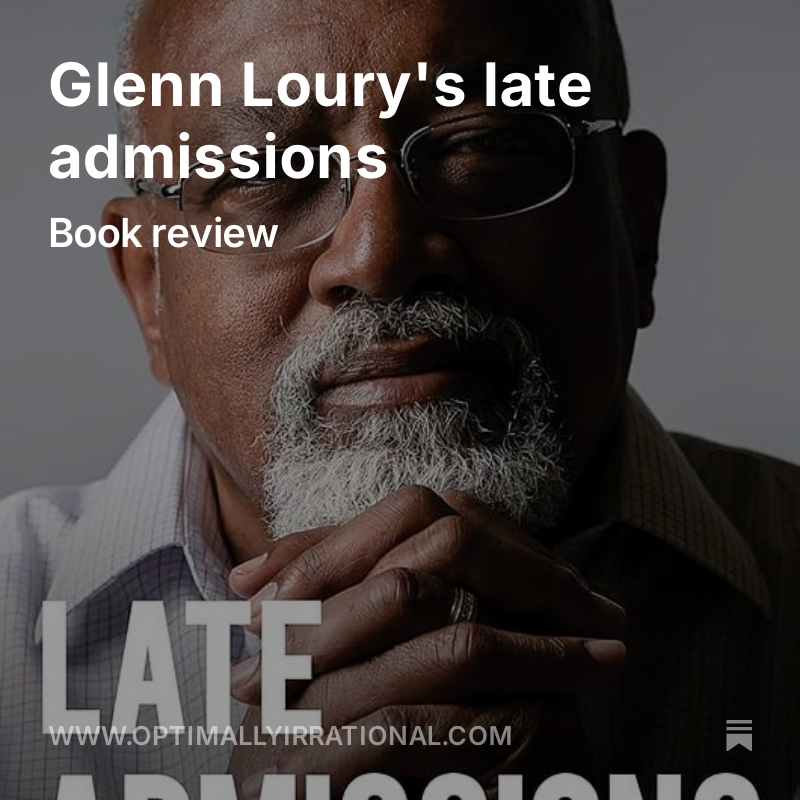
Late Admissions, @GlennLoury's autobiography, blends a fascinating account of Loury’s academic and political journey with a candid description of his personal missteps.
I’ve written a book review sharing my impressions of the book.
https://t.co/Jgll6ePE9E
I will be in Paris in October to give a workshop on "Adaptive Explanations of Economic Behaviour" at the ENS Paris-Saclay!
The program and information to register is here:
What is depression, and why does it exist?
In spite of its prevalence, depression and the factors causing it are still not well understood. A 🧵on how an adaptive approach to cognition can help us gain a better understanding of depression.
https://t.co/RCdTguIoFf
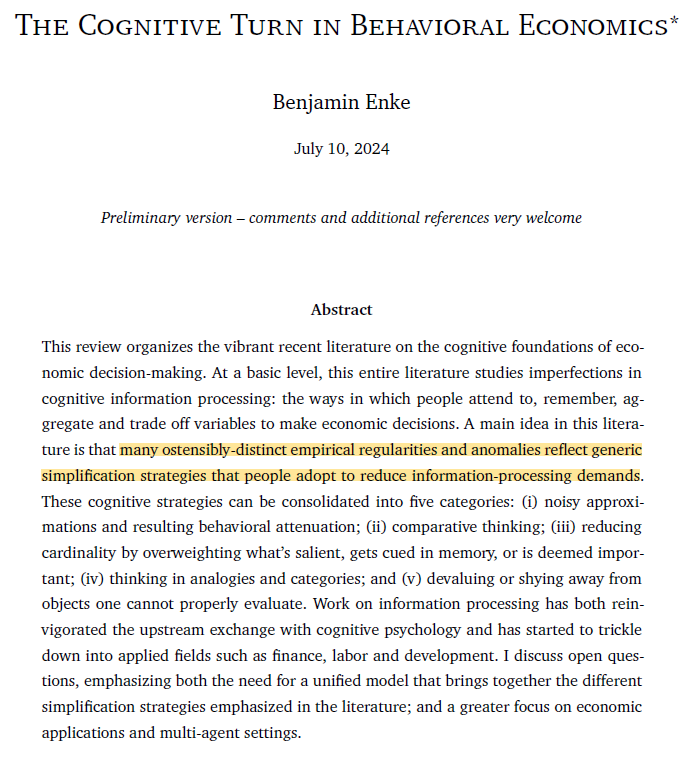
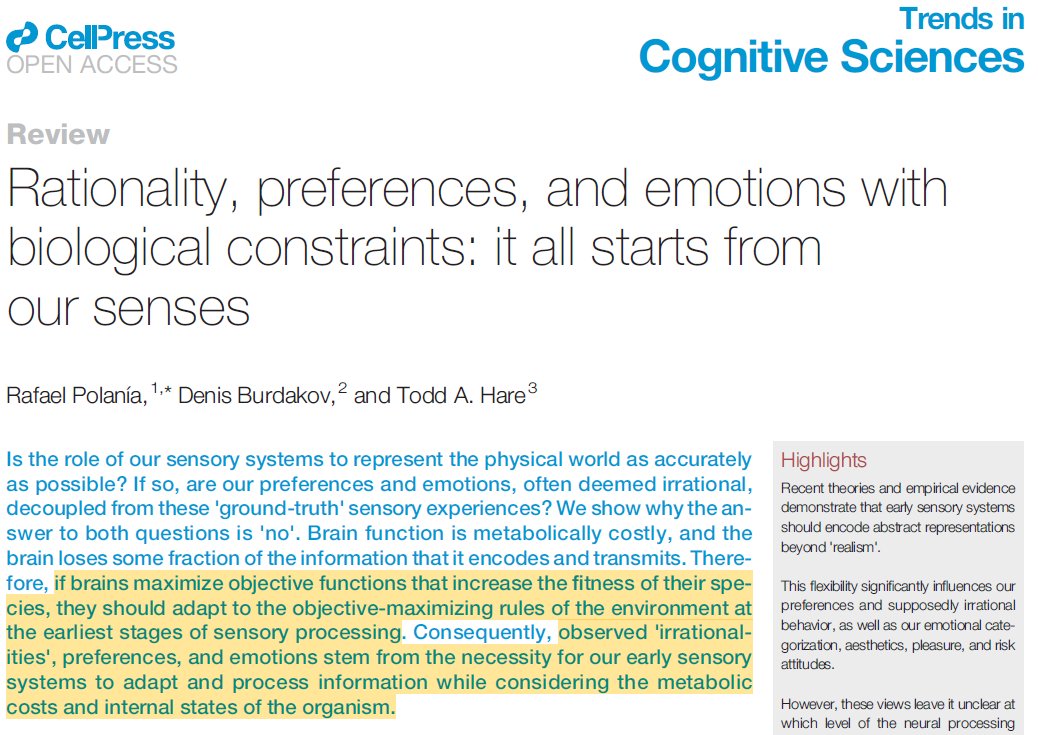
The times (in behavioural sciences) they are a-changin'.
Recent contributions in cognitive science and economics show a renewed interest in going beyond 'biases' and viewing the sometimes puzzling features of human cognition as solutions to the complex problems we face.