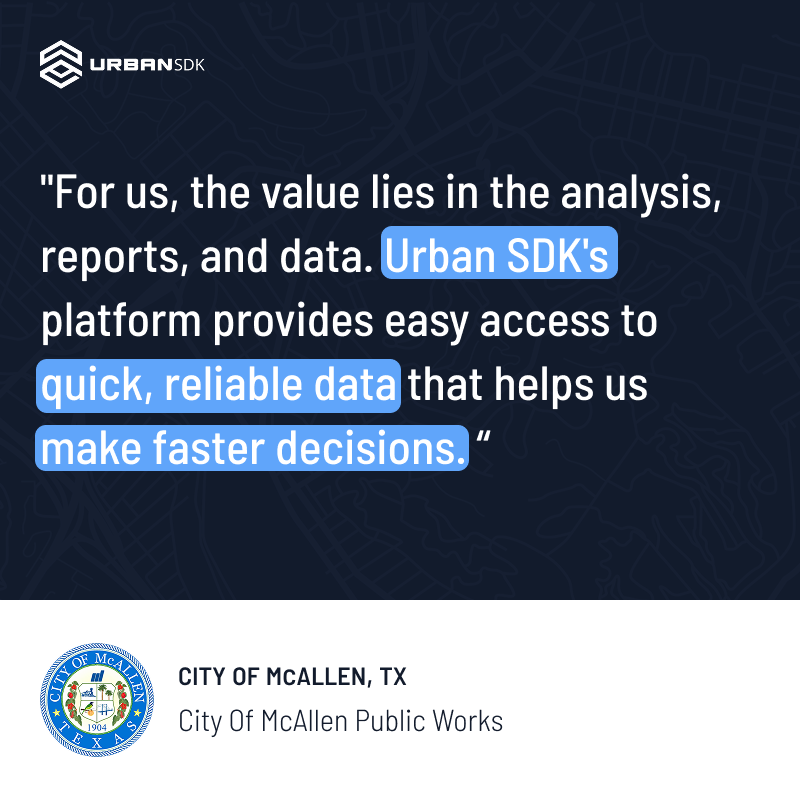
Faster decisions start with reliable data.
Urban SDK gives agencies easy access to the analysis, reports, and roadway insights they need to evaluate concerns, prioritize resources, and take informed action—without waiting weeks for a traditional traffic study.
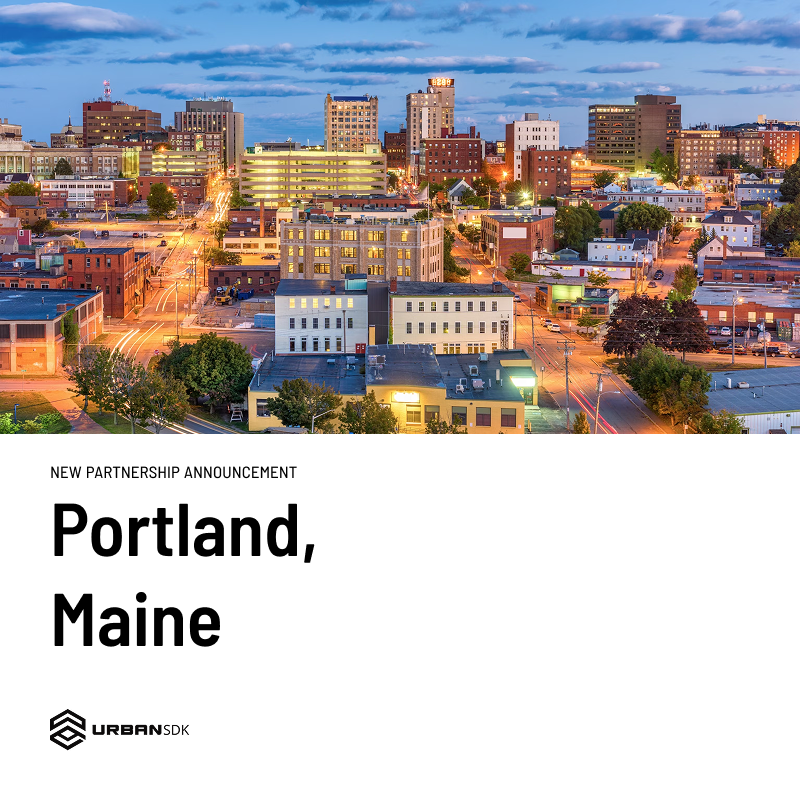
The City of Portland is modernizing traffic safety with Urban SDK—replacing manual traffic studies with continuous roadway intelligence to better prioritize enforcement, engineering projects, and resident concerns.
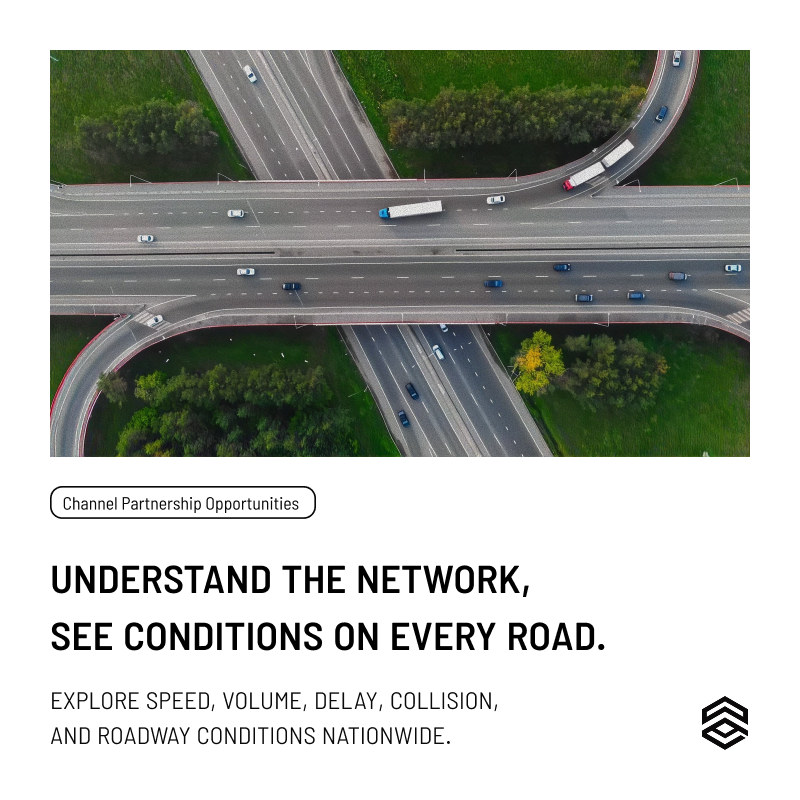
Give your clients a clearer view of traffic volumes and long-term trends across their roadway networks. Learn more about Urban SDK’s channel partnership opportunities for civil engineering firms. https://t.co/lnGtc9QrAI
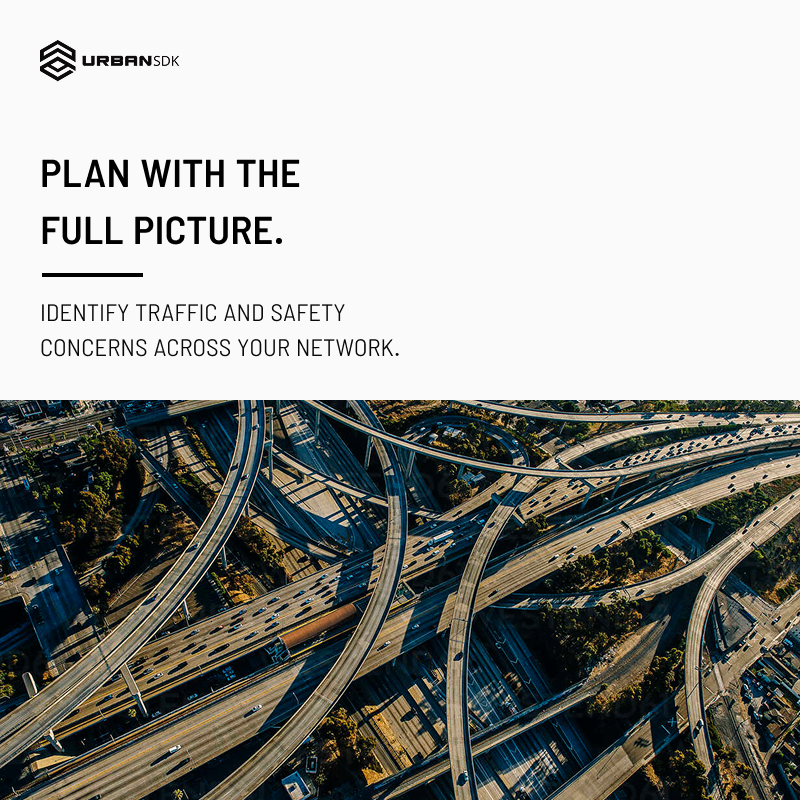
The best transportation decisions are made with complete information.
Roanoke County is strengthening how it analyzes roadway conditions by expanding beyond traditional traffic monitoring tools.
Danville is modernizing traffic safety by replacing manual traffic studies with immediate roadway data, helping staff respond faster and operate more efficiently.
Better transportation planning starts with better information. Proud to support Pontiac, MI as it strengthens its data-driven approach to roadway safety.
A one-week traffic count only captures one week.
Urban SDK helps agencies understand how roadway conditions change across days, months, and seasons—providing stronger context for planning and engineering decisions.
https://t.co/M5OTtEHcYU
Speeding complaints can come from anywhere. Traffic data helps law enforcement determine where and when speeding is actually occurring—so patrols can be deployed with greater precision.
Learn how Urban SDK supports data-driven traffic enforcement.
https://t.co/qQ5Vg3tFoP
The City of Cumberland is modernizing traffic safety by replacing manual traffic studies with immediate roadway data, helping officers focus more time on improving community safety.
Littleton PD is strengthening how it identifies speeding concerns, plans enforcement efforts, and supports future department leadership with objective roadway data.
Traffic safety data supports more than enforcement. We're proud to support Catoosa, OK as they strengthen planning, grant applications, and public safety decision-making with objective roadway insights.
Better traffic safety decisions start with better visibility into roadway conditions. Post Falls is using data to support smarter planning, prioritization, and community response.
Growth requires planning. We're excited to support San Tan Valley, AZ as it builds a data-driven transportation program designed for long-term success.
Traffic safety conversations are more productive when they're backed by data. We're proud to support Bronxville as they strengthen resident communication and data-driven enforcement efforts.
Roy is taking a more strategic approach to traffic safety. By identifying where speeding concerns actually exist, the department can focus limited resources where they'll have the greatest impact.
Lancaster County is moving beyond periodic traffic studies. With access to continuous roadway data, staff can identify trends, respond to concerns faster, and plan with greater confidence.
Tomball is strengthening its traffic safety strategy with objective roadway data, helping staff prioritize enforcement efforts and focus on higher-risk locations.
Penfield is moving beyond one-road-at-a-time traffic studies. With access to speed and volume data across the network, staff can identify trends, prioritize concerns, and respond more efficiently.
Gallatin is taking a more proactive approach to traffic safety. Staff can now quickly validate speeding concerns, evaluate traffic calming requests, and identify priority locations across the city.
Better transportation decisions start with better data. We're proud to support Ann Arbor as they evaluate roadway projects, advance Vision Zero initiatives, and communicate results with confidence.