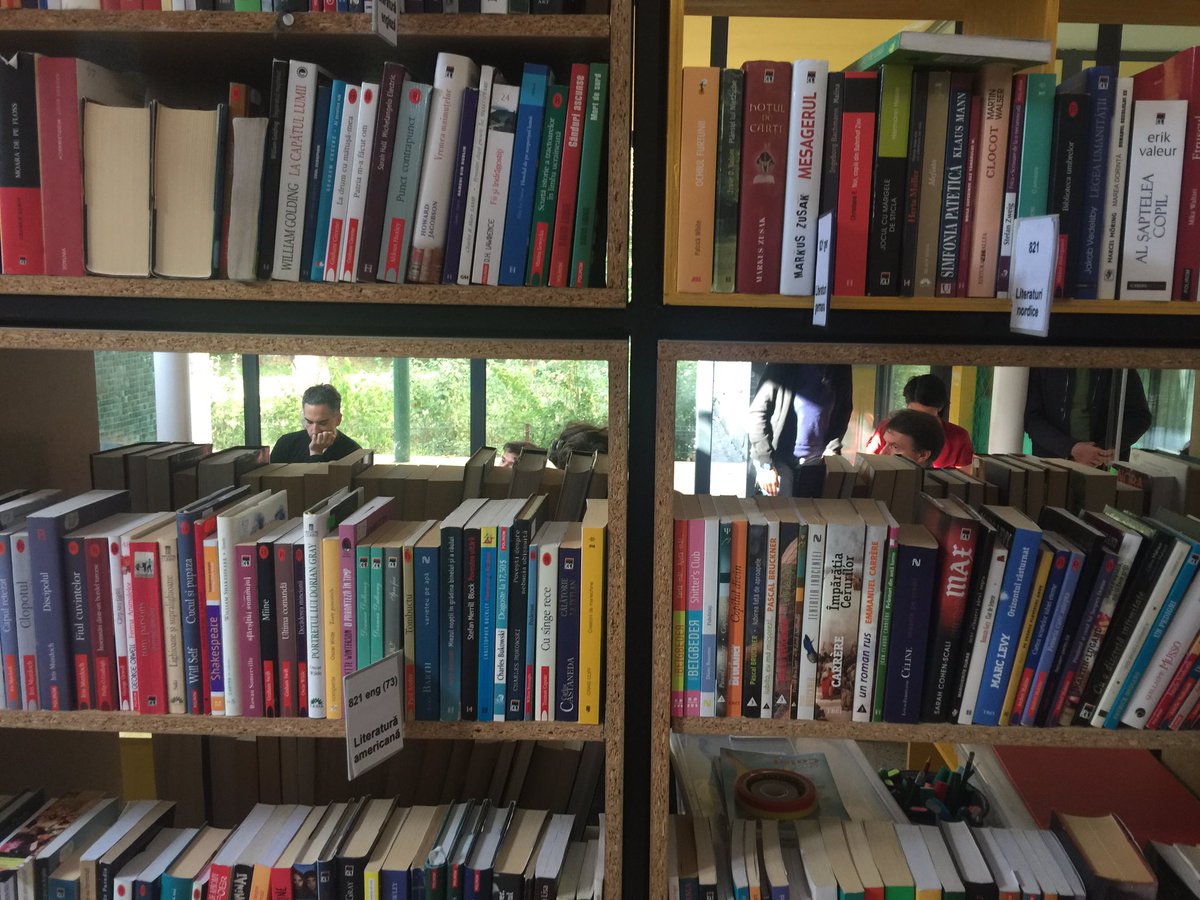
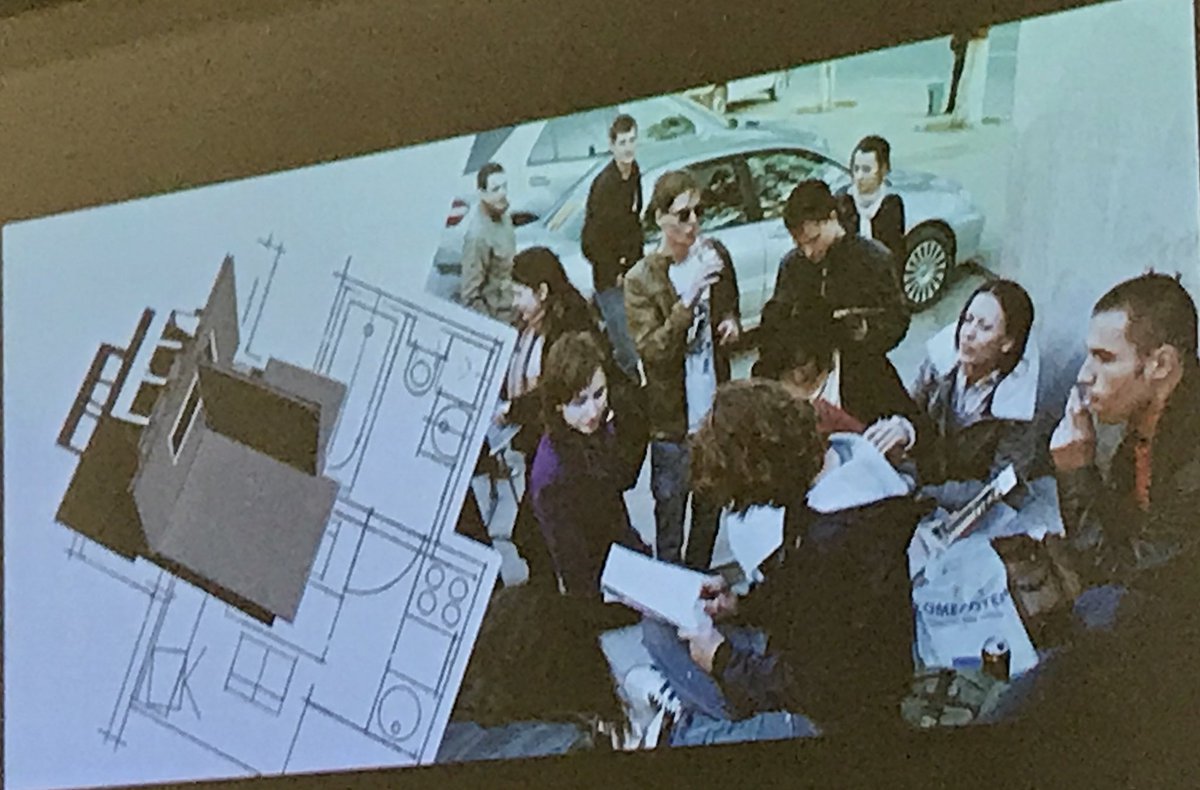
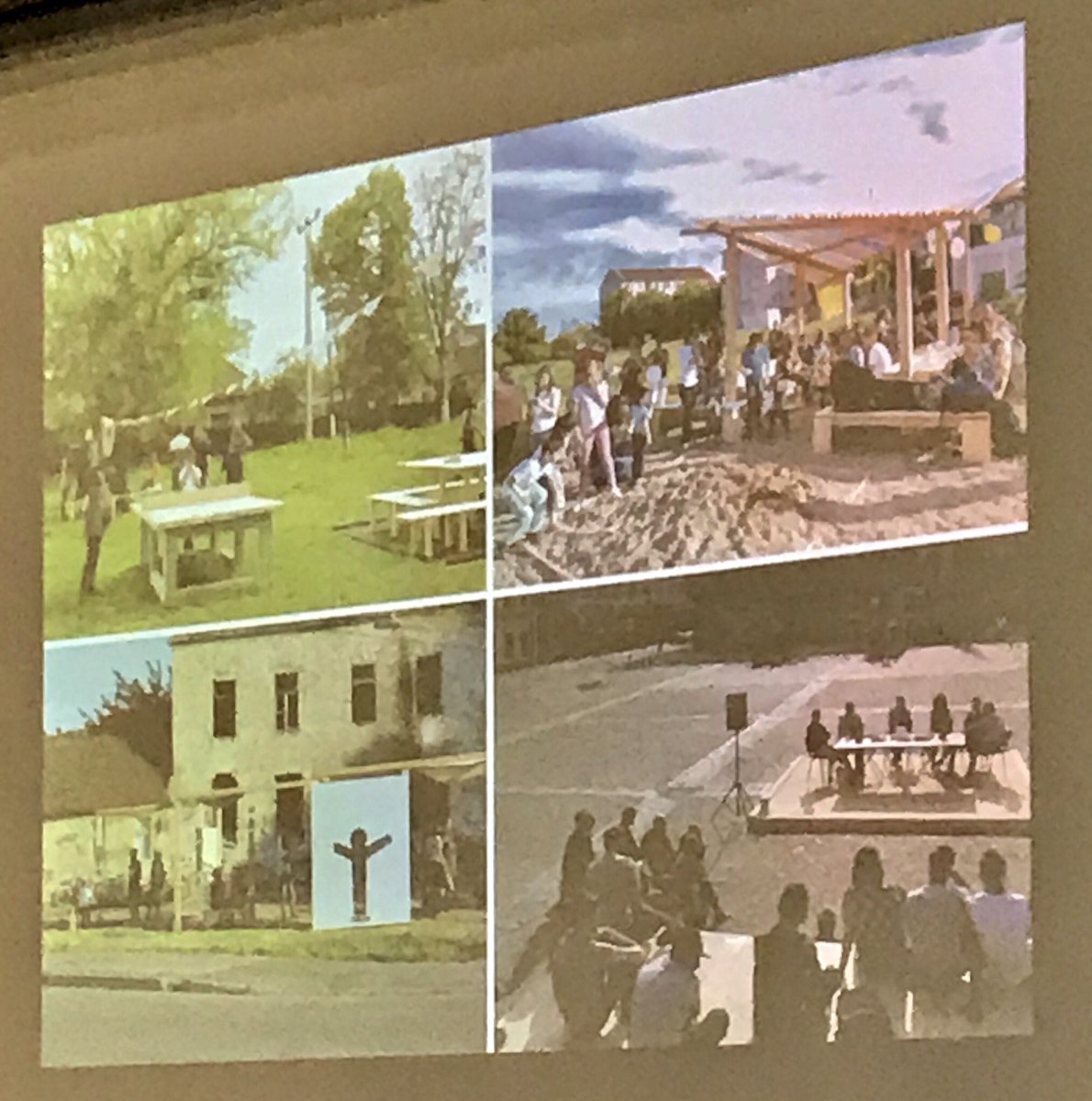
Rediscovering public libraries: Studio BASAR and the #CitySchool BMB Lazar in a joint project between architecture, sociology and landscape architecture students in Bucharest #UrbeduliveSymposium
After yesterday’s public presentations and conversations, today the @urbedulive team and invited guests debrief and sketch insights on what roles can the university play in collaborating with local communities. #urbedulive
Q: What comes first, the need for technology or technology which then finds a need? A: Look at the need first, mind the limited resources, reuse. @BogdanIvanel from @Code4Romania#urbedulive
A wrap-up in a couple of words about a very interesting last panel: building trust and small objects through participation in Cluj, Timișoara and Chișinău. #urbedulive
”In this project we mapped the cultural infrastructure to see what access do people in neighbourhoods have. Then we produced concrete interventions (...) The first to build trust was to cook, of course.” Vladimir Us, Oberliht, Chișinău #urbedulive
”As an artistic association (Oberliht) working in public space, we got to meet very different people. Architects, locals, activists, anthropologists... So we got to learn from each other by working together.” Vladimir Us, from Chișinău #urbedulive
Taking about multilayered research that gives enough time and occassions to qualitative methods like interviews: ”It is important to come at different moments, have people remember you, not come once and then disappear.” Loredana Gaiță from În comunitate, Timișoara. #urbedulive
“With Fabric-ating, our goal was involving residents in decision-making processes in the direct reconfiguration of space.” Loredana Gaița from În comunitate, Timișoara. #urbedulive
“We started from the community needs, and by learning to speak their language. We talked to kids, asked them what they enjoy. Then we designed, asked for feedback, integrated their ideas.” Silviu Medeșan and Diana Galoș about La Terenuri, Cluj.
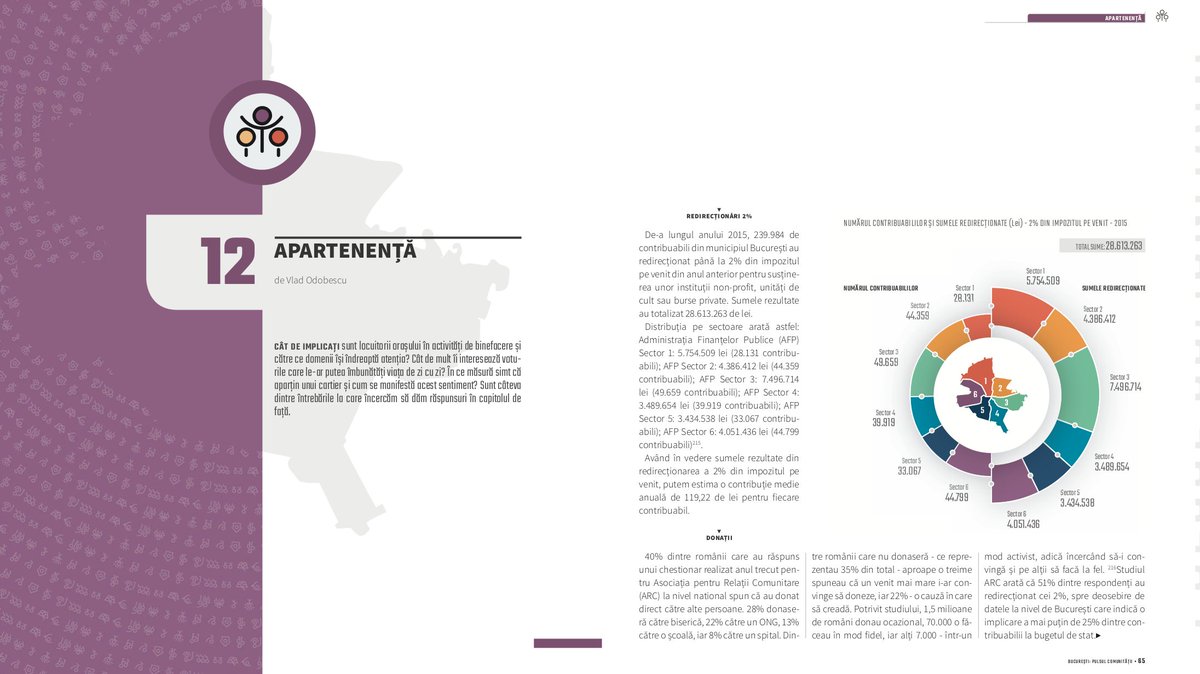
Bucharest Community Foundation presenting Vital Signs, a methodology capturing the quality of life in the city: ”From the twelve, we chose to work most on the topic of belonging, because a lot of positive things will come if we feel more at home in this city.” Alina Kasprovschi
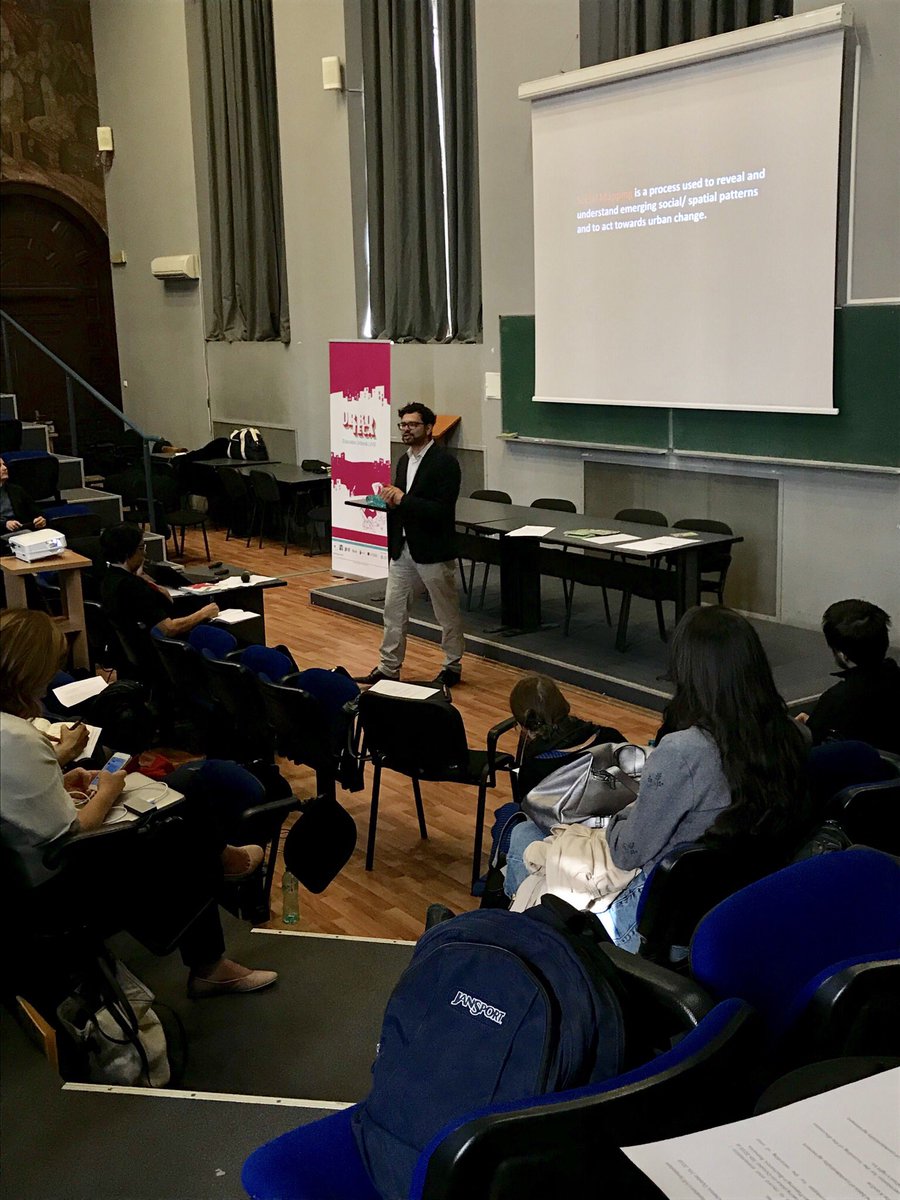
Our own Gruia Bădescu introducing the notion of social mapping by considering its need. “Social mapping is a continuous process involving a situated, hybrid and collaborative approach used to reveal and understand social / spatial patterns and to act towards urban change.”
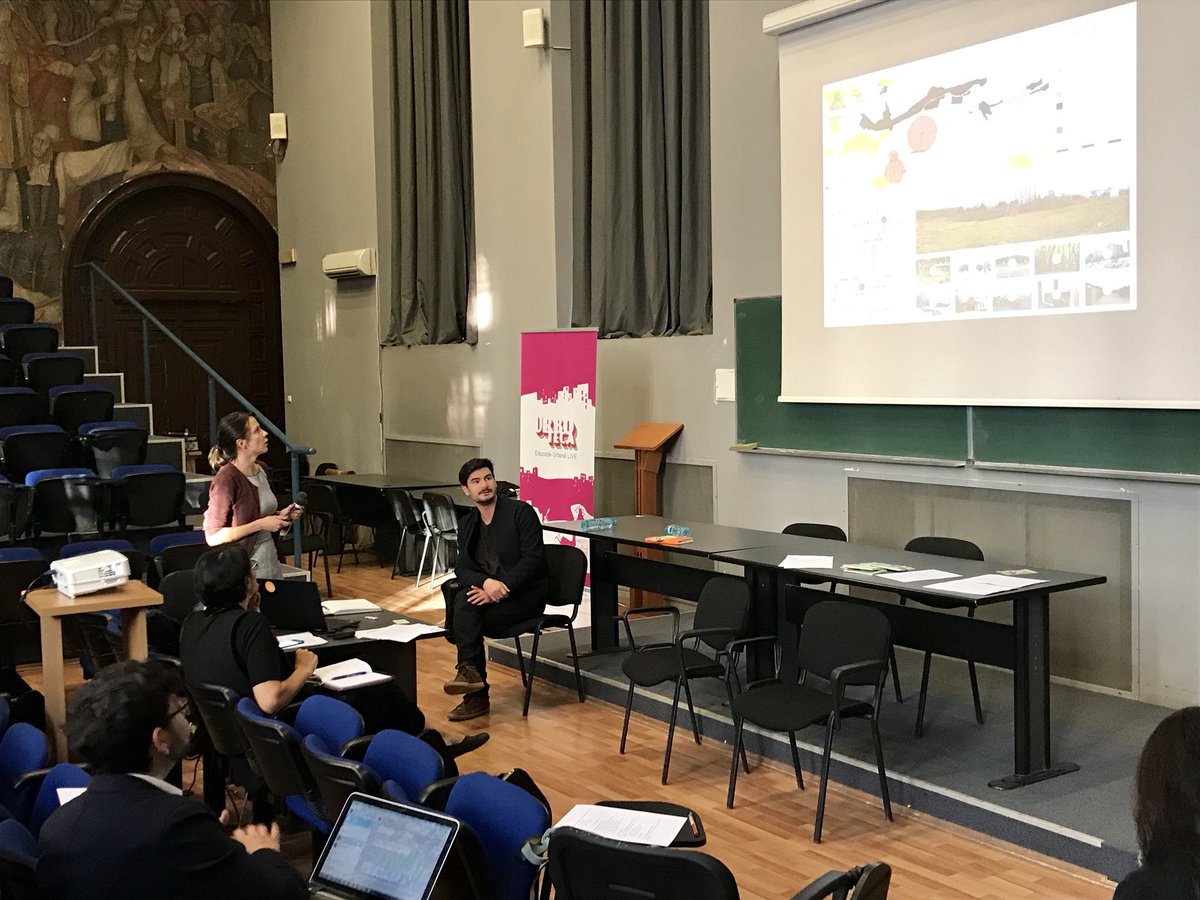
@_ipop, the @urbedulive partner institute working in consulting and research in sustainable spatial and urban development from Ljubljana presents the ways in which they collaborate with universities, communities and NGOs. #urbedulive
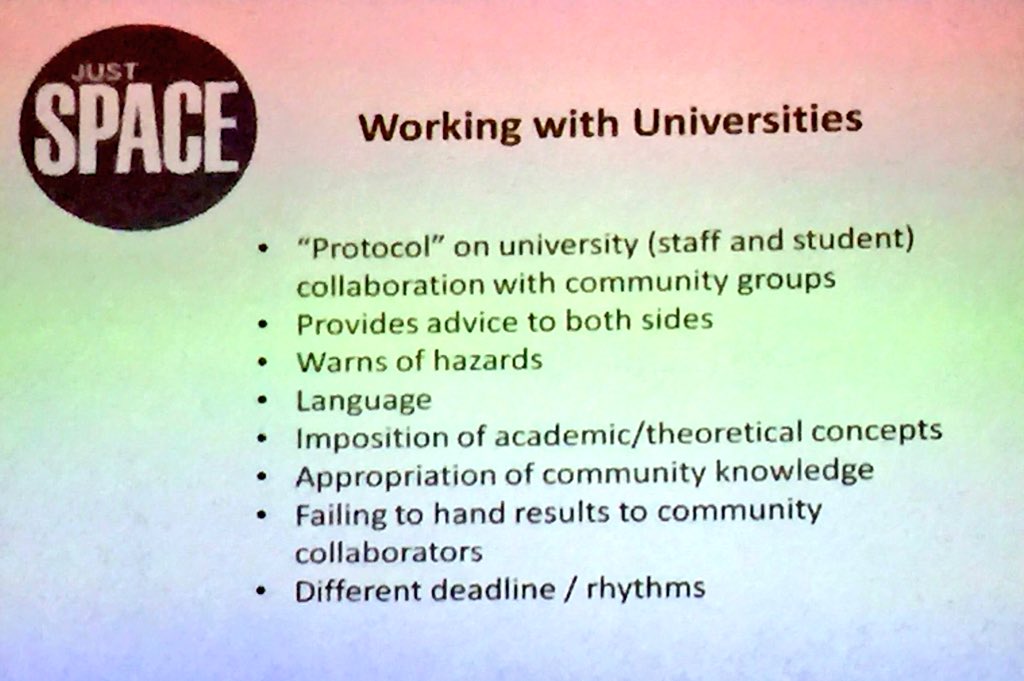
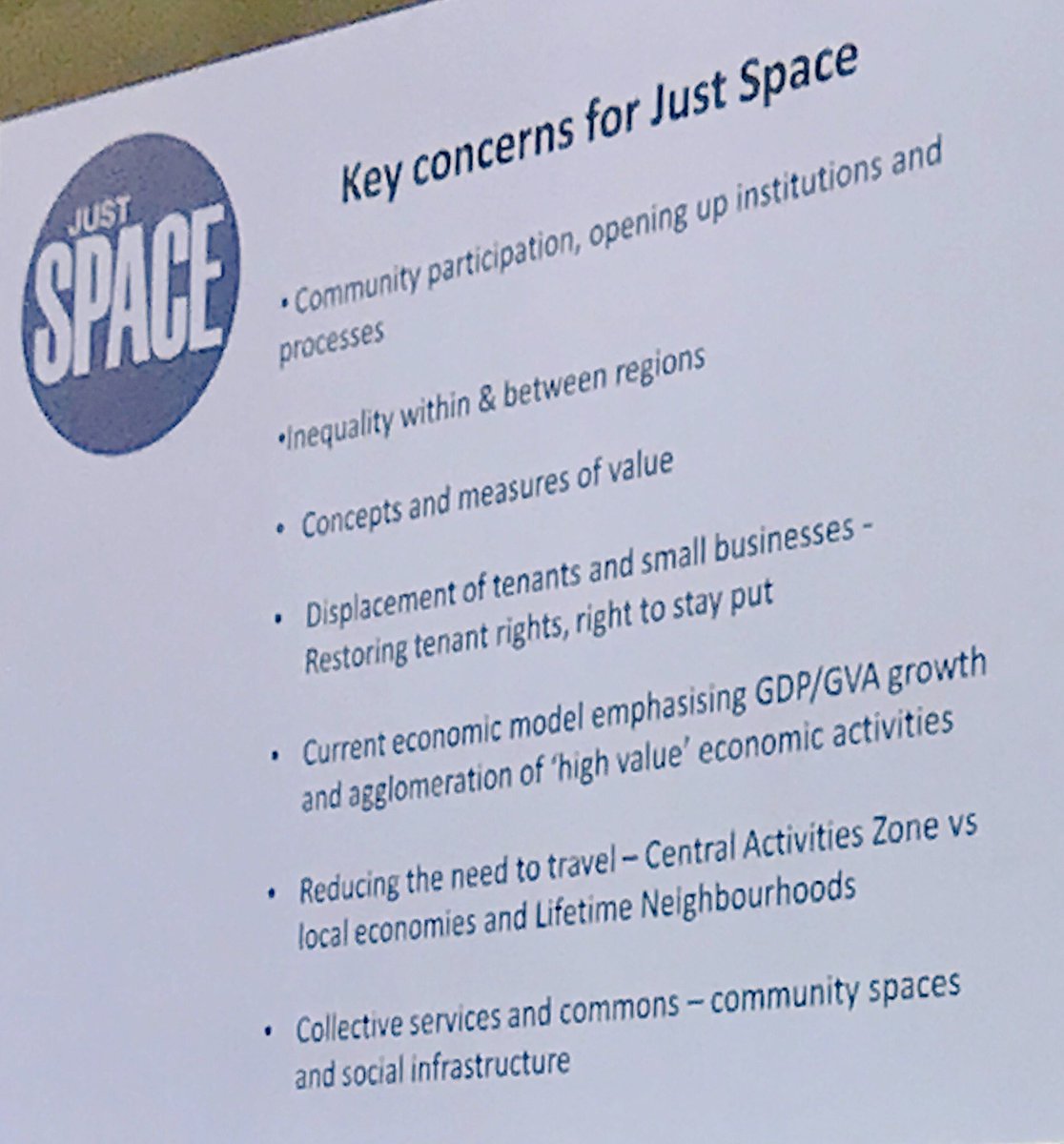
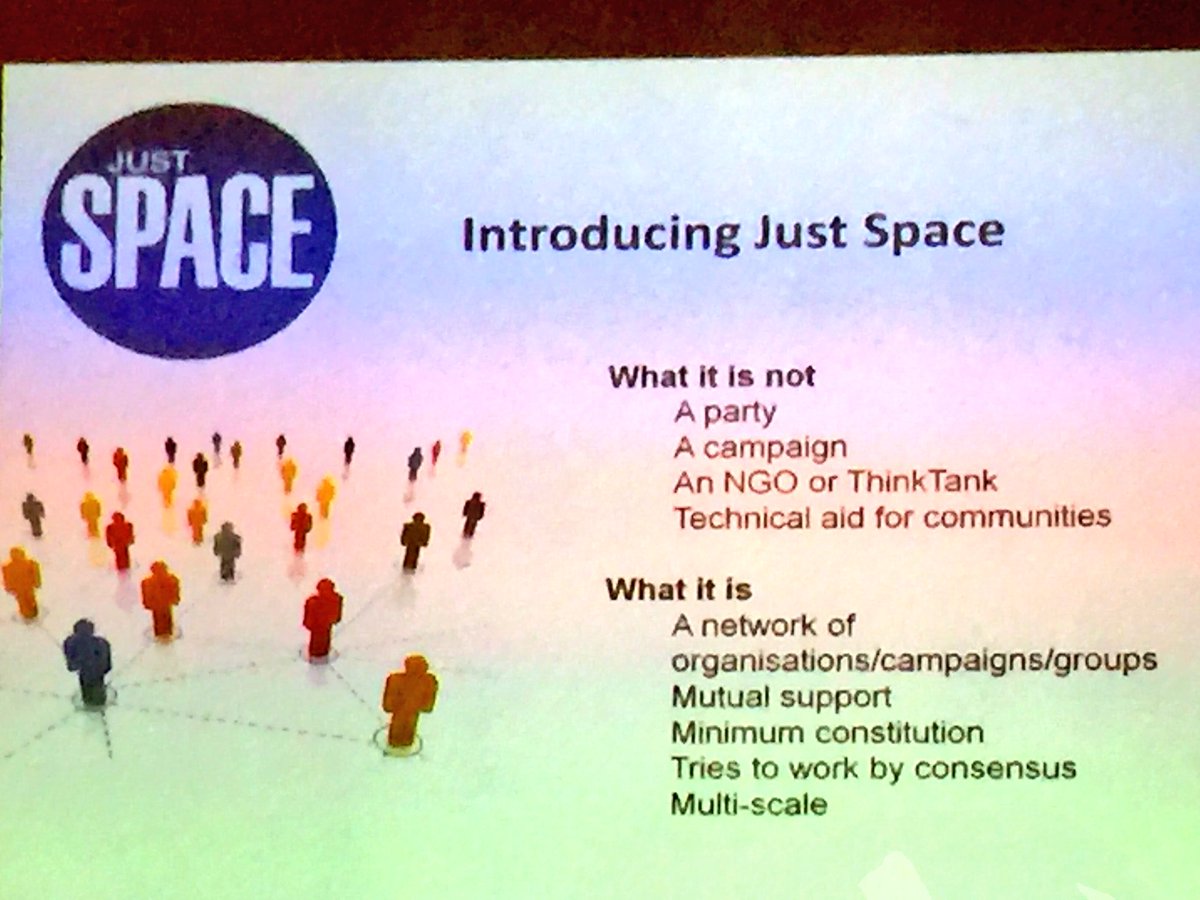
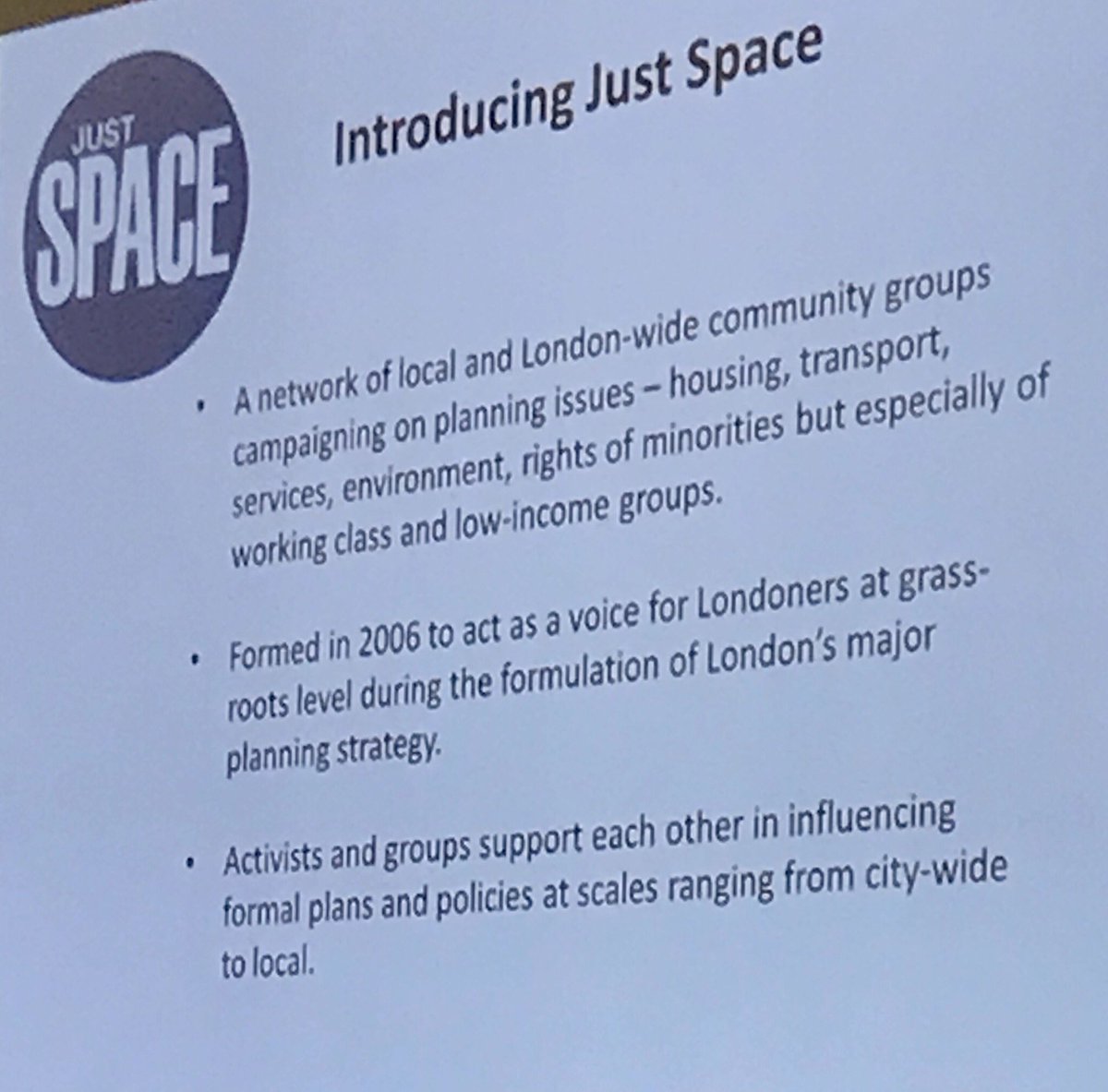
‘Unless there’s a space opened for our participation within the system, then actually, the things aren’t going to fundamentally change’ community activist Richard Lee @justspace7 at #UrbeduliveSymposium on collaborations between academia and civil society
“Whenever the university works with a community, the research and knowledge must be shared with the community. At the very least.” Richard Lee @justspace7#urbedulive
‘How do we move from good intentions when working with community groups, and more into practice - really making it happen’ community activist Richard Lee @justspace7 about how only the DIRECT VOICE can bring any kind of transformation #UrbeduliveSymposium Bucharest
“I think I bring a bit of a different perspective to this symposium. I’m a community activist, I work with community groups. If we want to fight spatial injustice then the people that are affected have to be at the centre of it.” Richard Lee, @justspace7 coordinator. #urbedulive
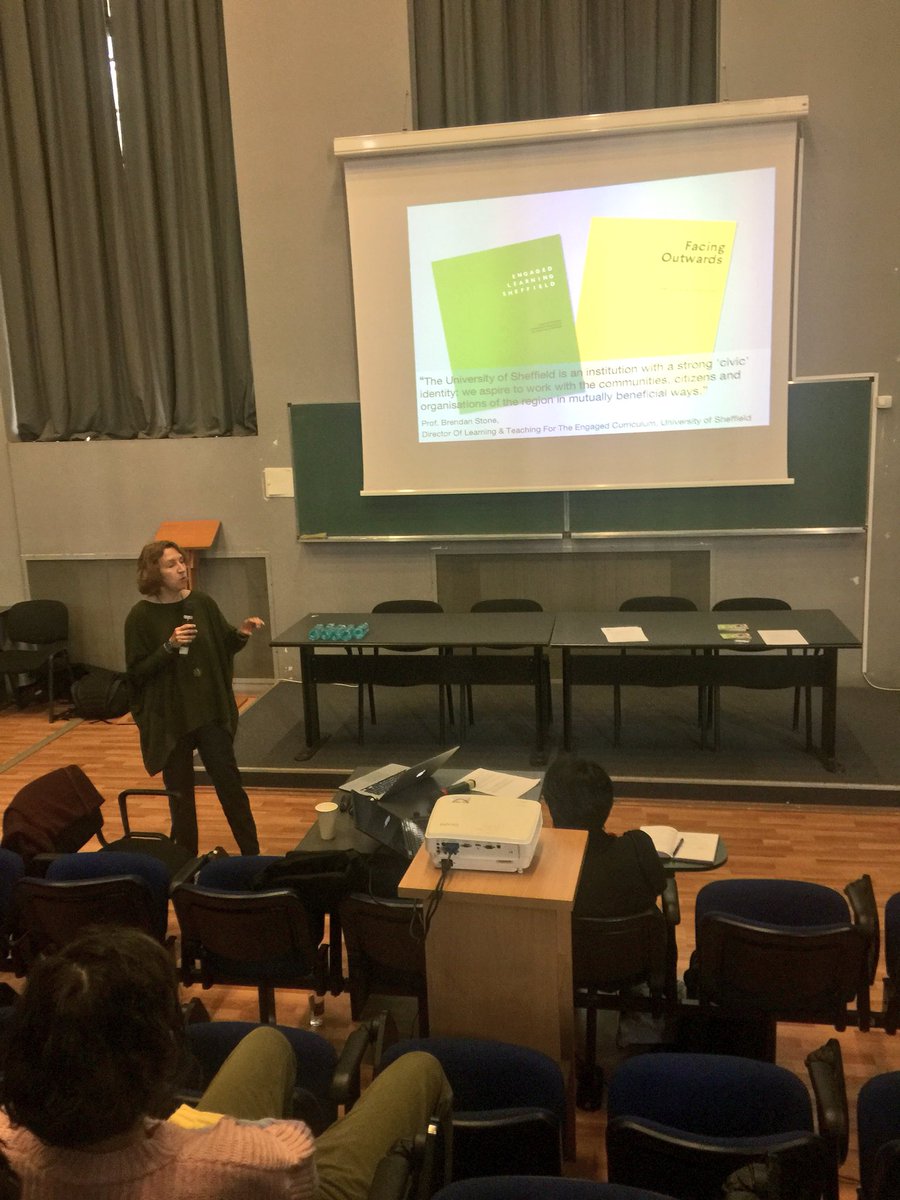
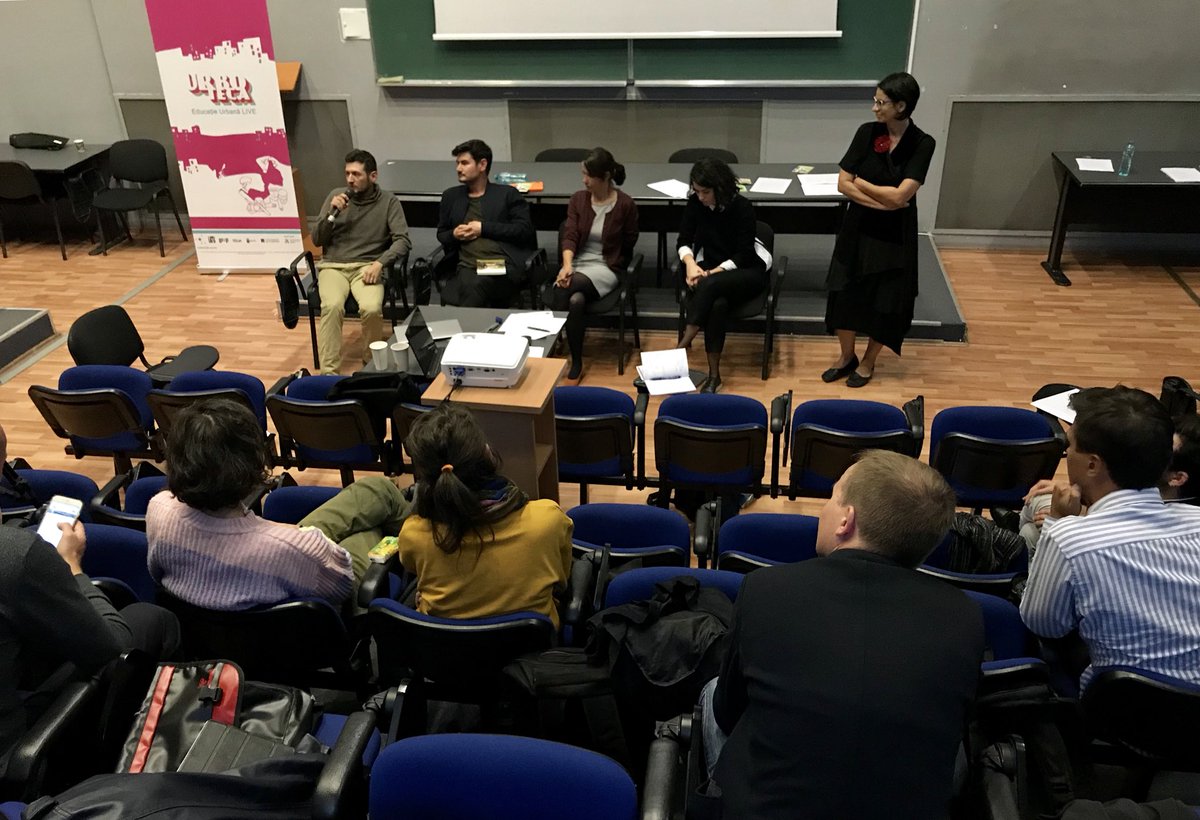
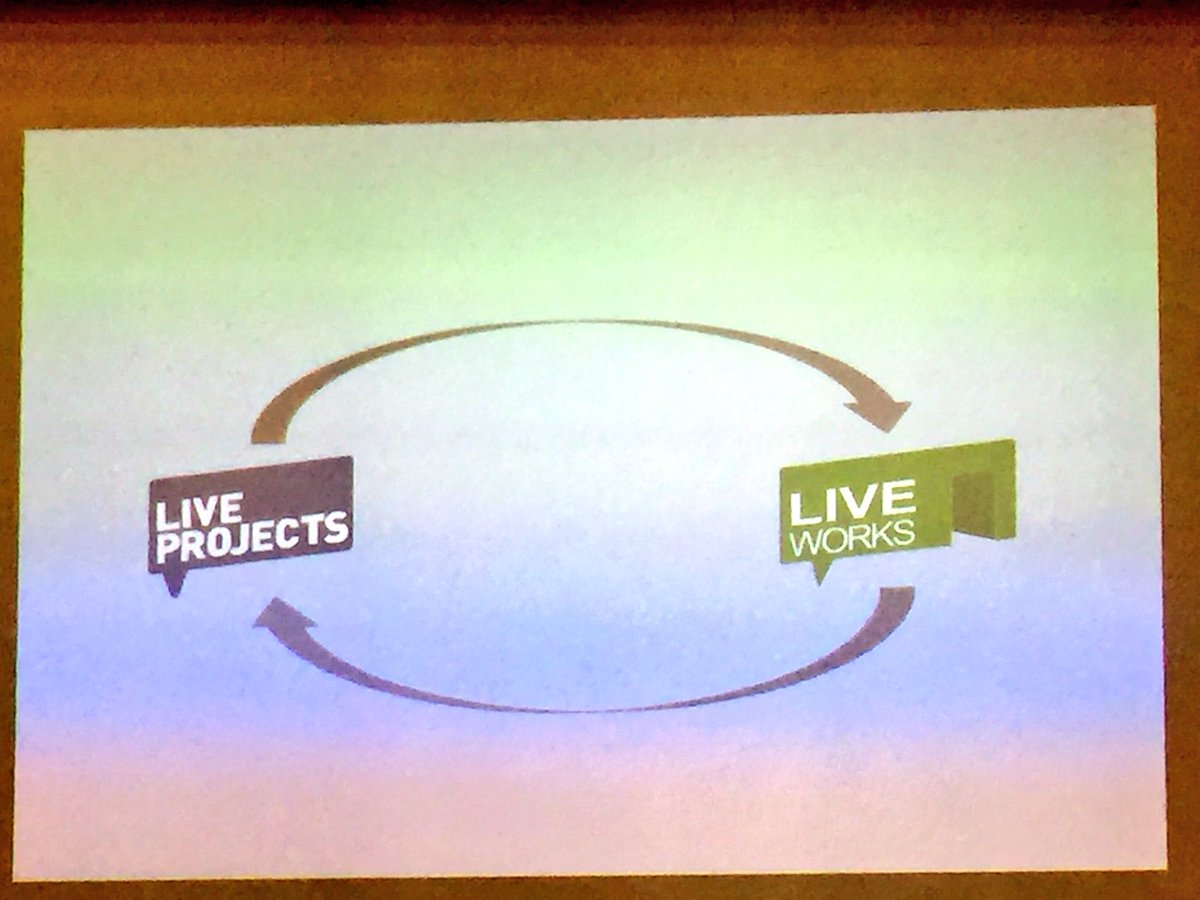
‘Live Projects are a mutual learning experience for the community groups, students and mentors, they are all about the engagement and the idea what the project could be’ Carolyn Butterworth talking at @Urboteca#urbedulive Symposium in Bucharest @shef_liveworks@SSoA_research