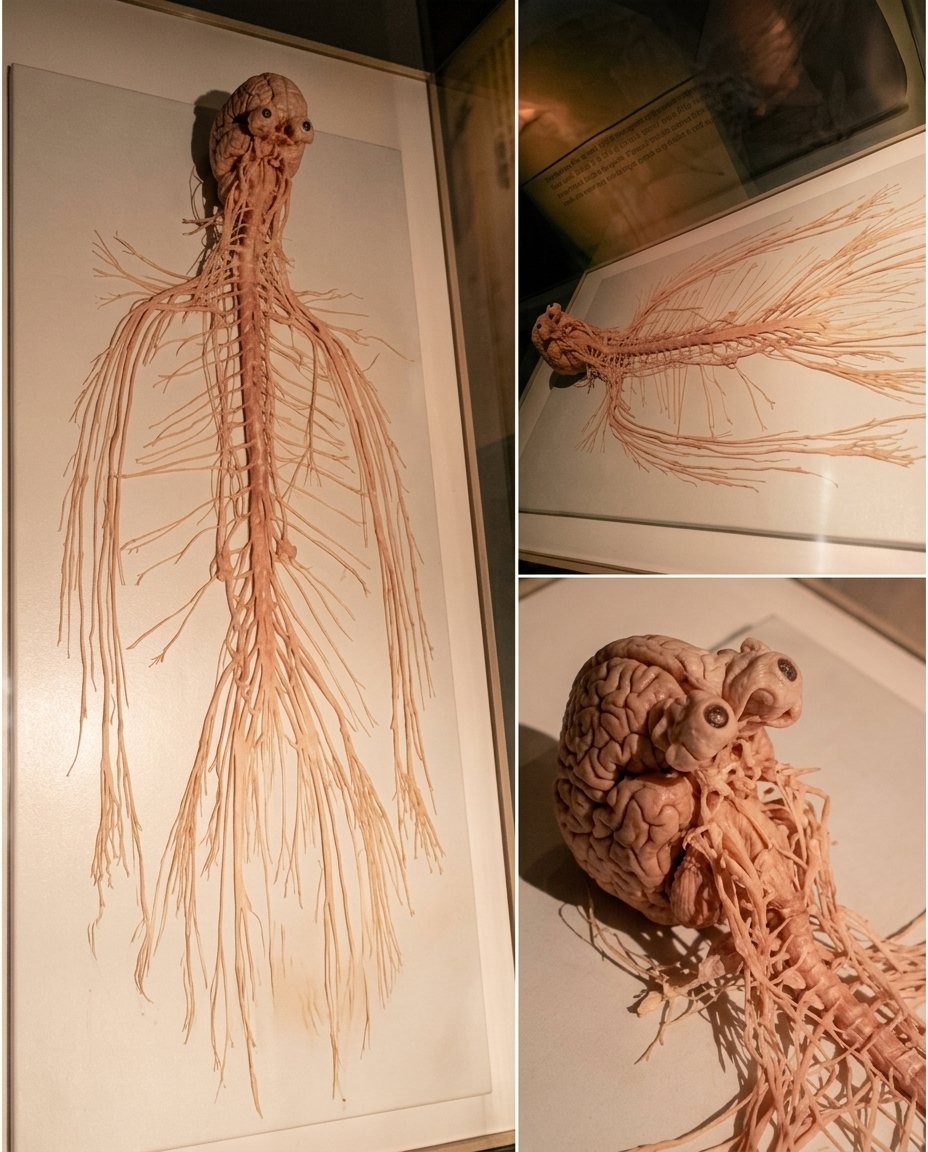
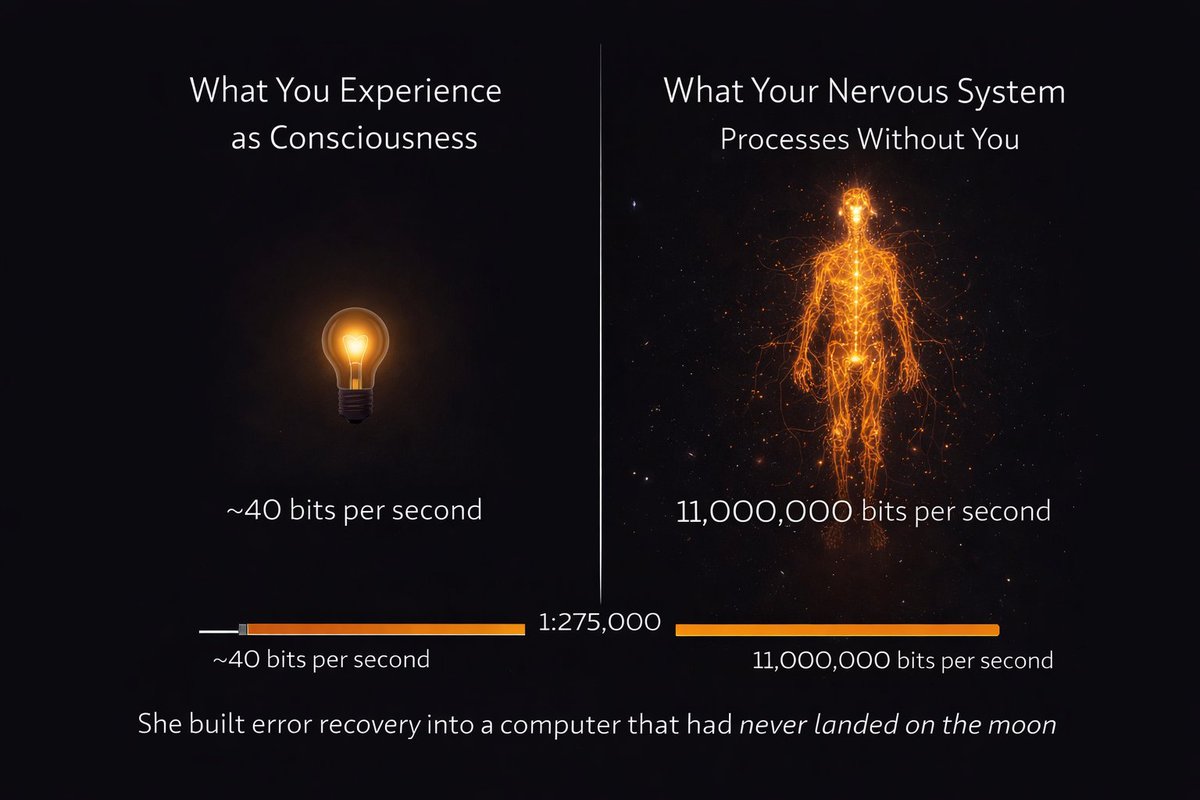
🧠 What you are looking at is your entire nervous system removed from the body and preserved intact... 86 billion neurons! 100 trillion synaptic connections!. 45 miles of nerves in the peripheral system alone. It processes 11 million bits of sensory information per second while consciously showing you only about 40 of them. The rest gets filtered, prioritized and acted on without your awareness or permission. The part you experience as you!. your thoughts, decisions, sense of self is the 40 bits. The creature running everything else in that image never once asked for your input. I find this one genuinely difficult to sit with for too long!.
The Jade Emperor (玉帝 Yùdì) of Chinese #mythology is traditionally imagined as the king of Heaven—the ruler who oversees gods, spirits, and celestial order. To most throughout the dynasties, he was the ultimate authority figure: the god who grants your prayer, reckons your deeds, and decides the fates of mortals and immortals alike.
His role in the celestial hierarchy isn't quite as straightforward.
In popular folk lore, the Jade Emperor is almost primeval—a cosmic ruler who existed centuries prior to the world's being fully formed. Incense was burned to him by villagers as sky father, guardian of justice, and cosmic judge. Temples built in his honor still stand today on hilltops in rural countryside and city streets.
But in #Daoist theology, the picture is different. The Jade Emperor here is powerful—but not supreme. He is subordinated to Yuanshi Tianzun (元始天尊), the "Heavenly Worthy of the Primordial Beginning," one of the Three Pure Ones (三清) who incarnate the Dao in its utmost form. The Jade Emperor in Daoist religious belief is a heavenly bureaucrat, while Yuanshi Tianzun is the silent, enduring source—the Dao itself.