Khud Mukhtaar, a team of 4 exceptional students from the University of Engineering and Technology, Lahore, competed among 16 teams and bagged the first position at the Urraan Hackathon.
They proposed an app "Khud Mukhtaar" that will provide route planning, prioritizing public transport by monitoring it in real-time and accessing it in areas where it is unavailable. Ride-sharing service will also be integrated into the app.
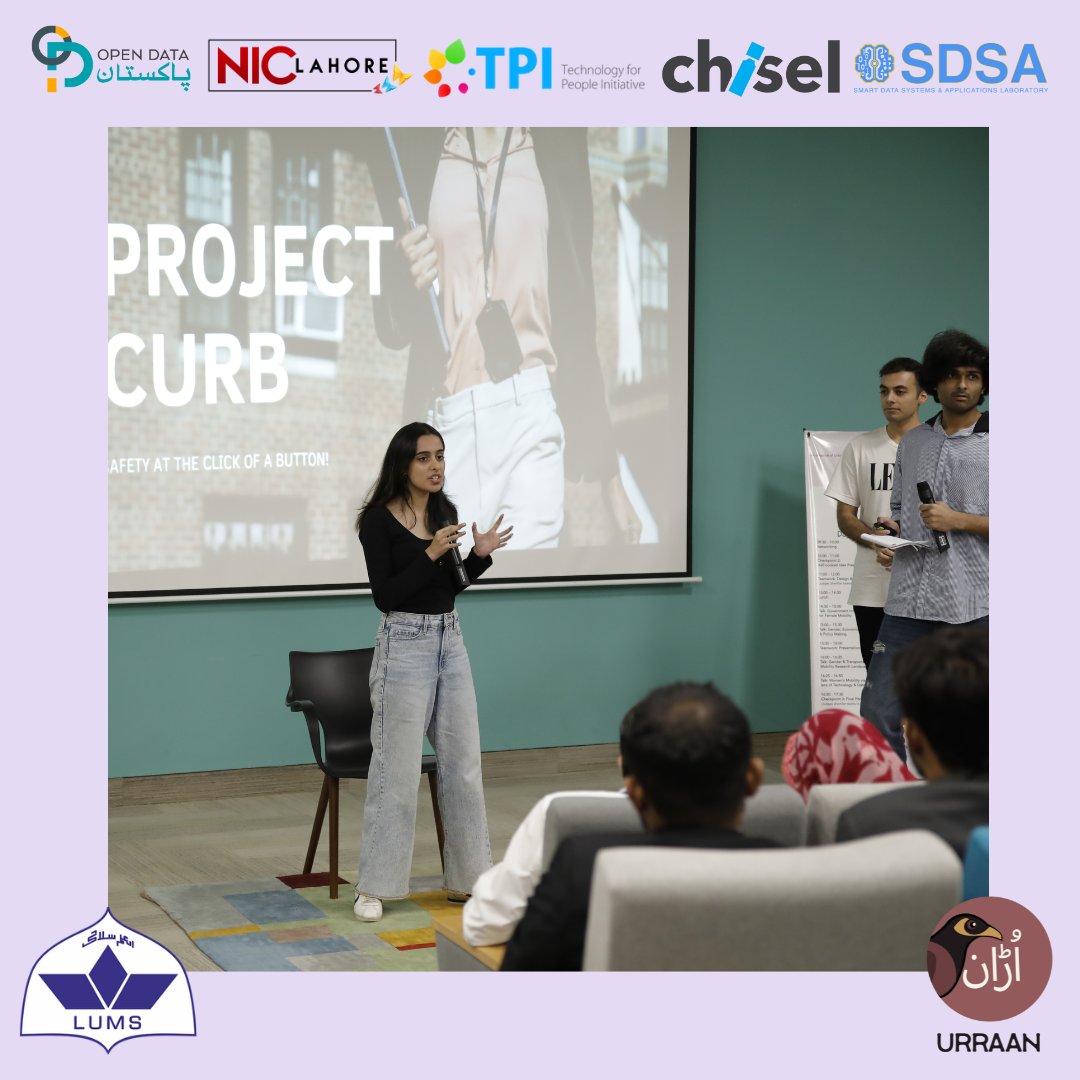
Once the chip is activated, it will send the location coordinates to the nearest Police Station while ringing an alarm and a very high-intensity light. This will be done to startle the intruder and call for help.
WES, a team of 4 brilliant young females from Ghulam Ishaq Khan Institute of Engineering Sciences and Technology, secured 2nd position among the 16 competing teams at the Urraan Hackathon.
Protech is a microprocessor chip that can be attached to a woman's clothing or accessories and can be activated through speech recognition. The chip can be customized for a safe word that would later activate the chip.
It also aims to bridge the gap between these women and the global market by removing the reliance on a middleman. The team also envisions to run awareness campaigns and information sessions on the app to enable rural women to access this technology.
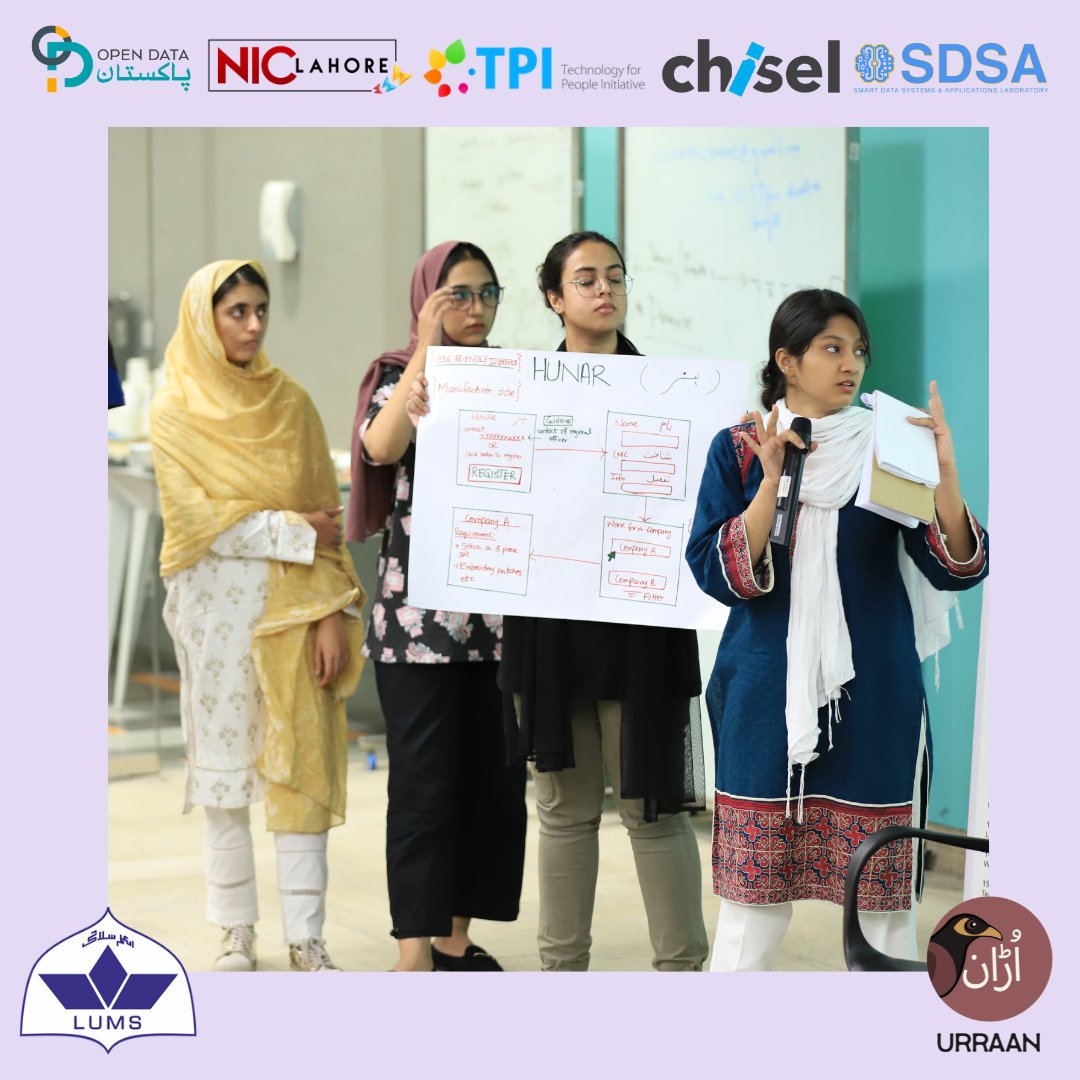
Saviors, a team of 5 engineering students from the University of Engineering and Technology, Lahore bagged the third position at the Urraan Hackathon. The team pitched a platform called ‘HUNAR’ which facilitates women artisans in rural areas to sell their skills.
The prototype HUNAR consists of a mobile application that offers different jobs to women. It aims for financial independence for rural women as they opt for jobs according to their skillsets and earn money.
The teamwork was followed by a series of presentations. The initial pitches reflected a crisp idea of tackling hurdles of female mobility. With guidance from mentors and in-depth discussions, the teams competed in the final round winning cash prizes and an internship opportunity!
Meanwhile, Dr. Ammar, a senior research scientist at AidData, and Hajra Shahab, a Data Analyst at EBP US, also joined virtually to engage the audience with their work on gender-focused transportation research and the improvement of mobility through technological initiatives.
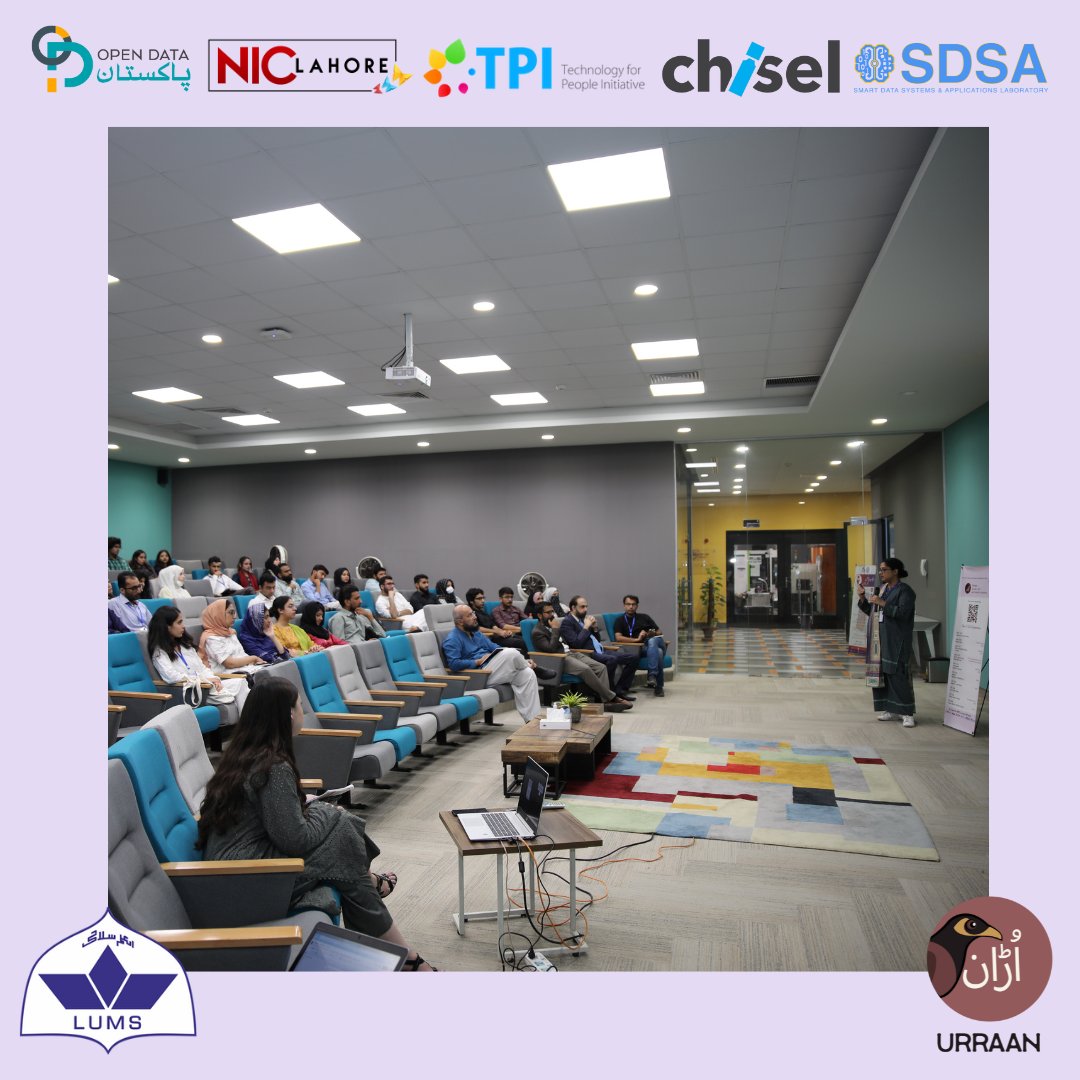
The Urraan: Gender Tech and Mobility hackathon included a series of talks by leading academics, government officials, and industry experts who shared their insightful knowledge on female mobility in Pakistan.
Barrister Maham Durani, a gender specialist at Transkarachi, highlighted the government interventions on public mobility. Dr. Naveed also shared insights on his extensive public sector experience asking students to take responsibility for the betterment of the country.
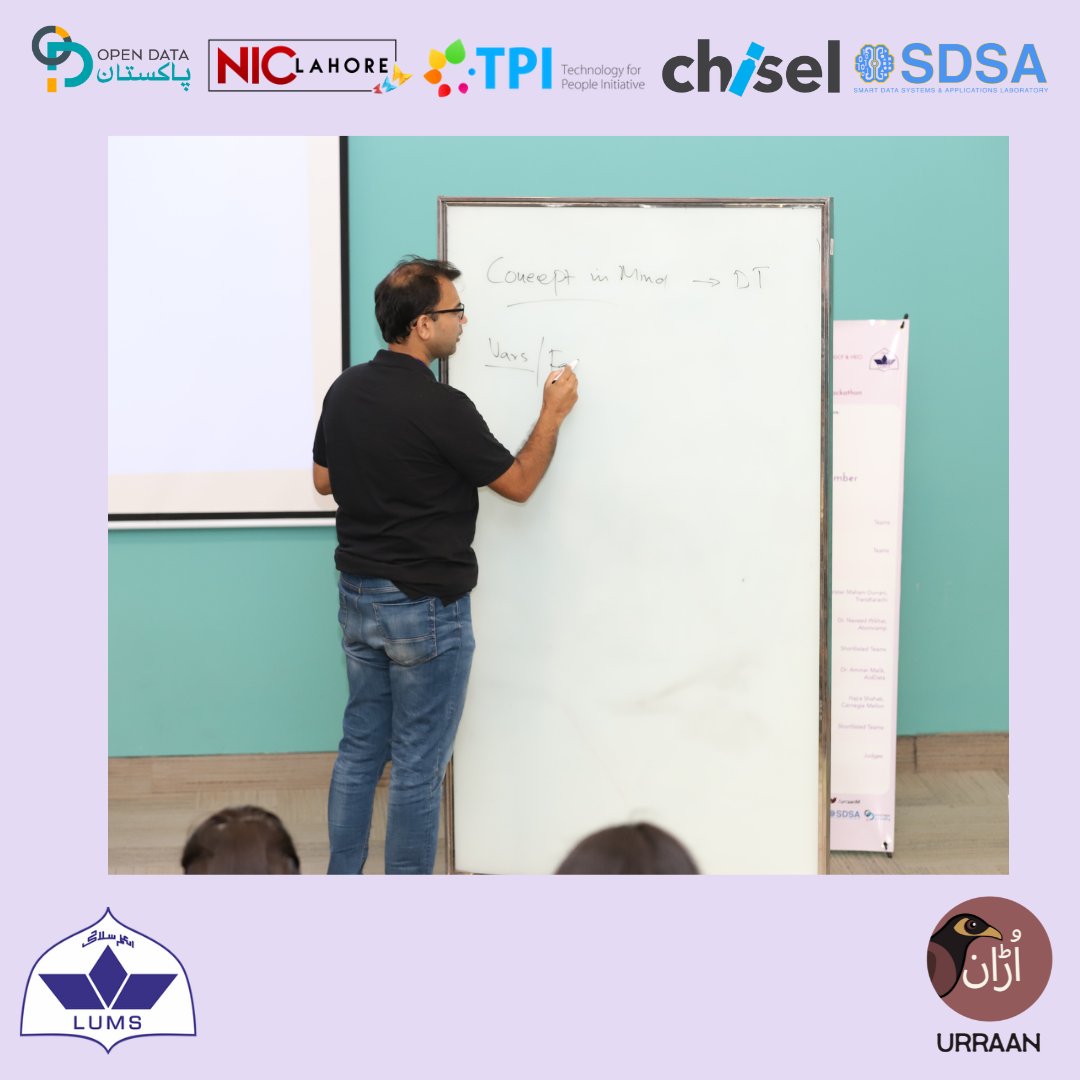
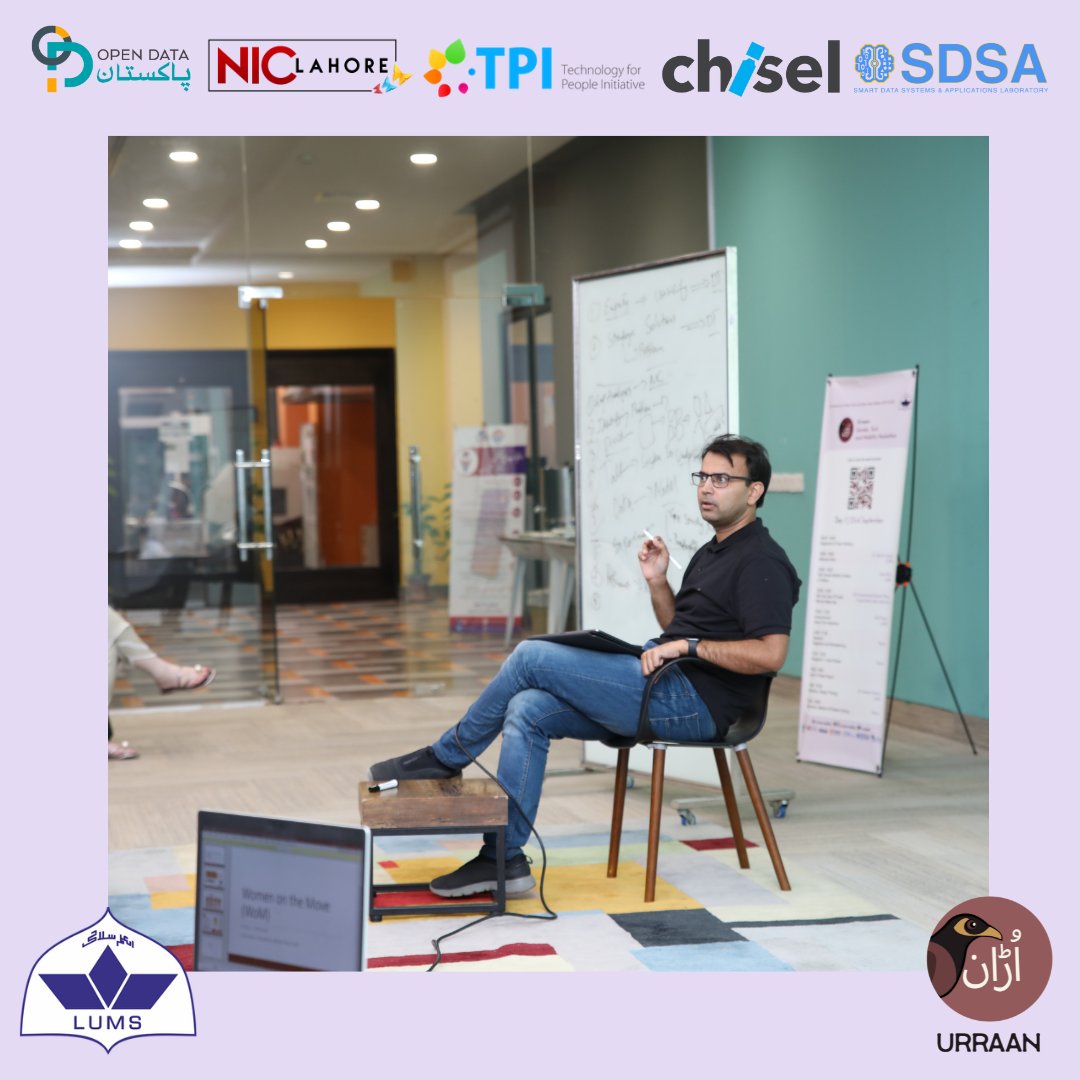
Dr. Suleman Shahid also conducted a design thinking workshop to critically engage and help students in identifying a problem and then design the solution.
Sana Riaz, an Urban Policy Consultant, highlighted the female mobility challenges in Pakistan. The COO of Punjab Safe Cities Authority DIG Muhammad Kamran Khan talked about the use case of the Punjab Women Safety App.
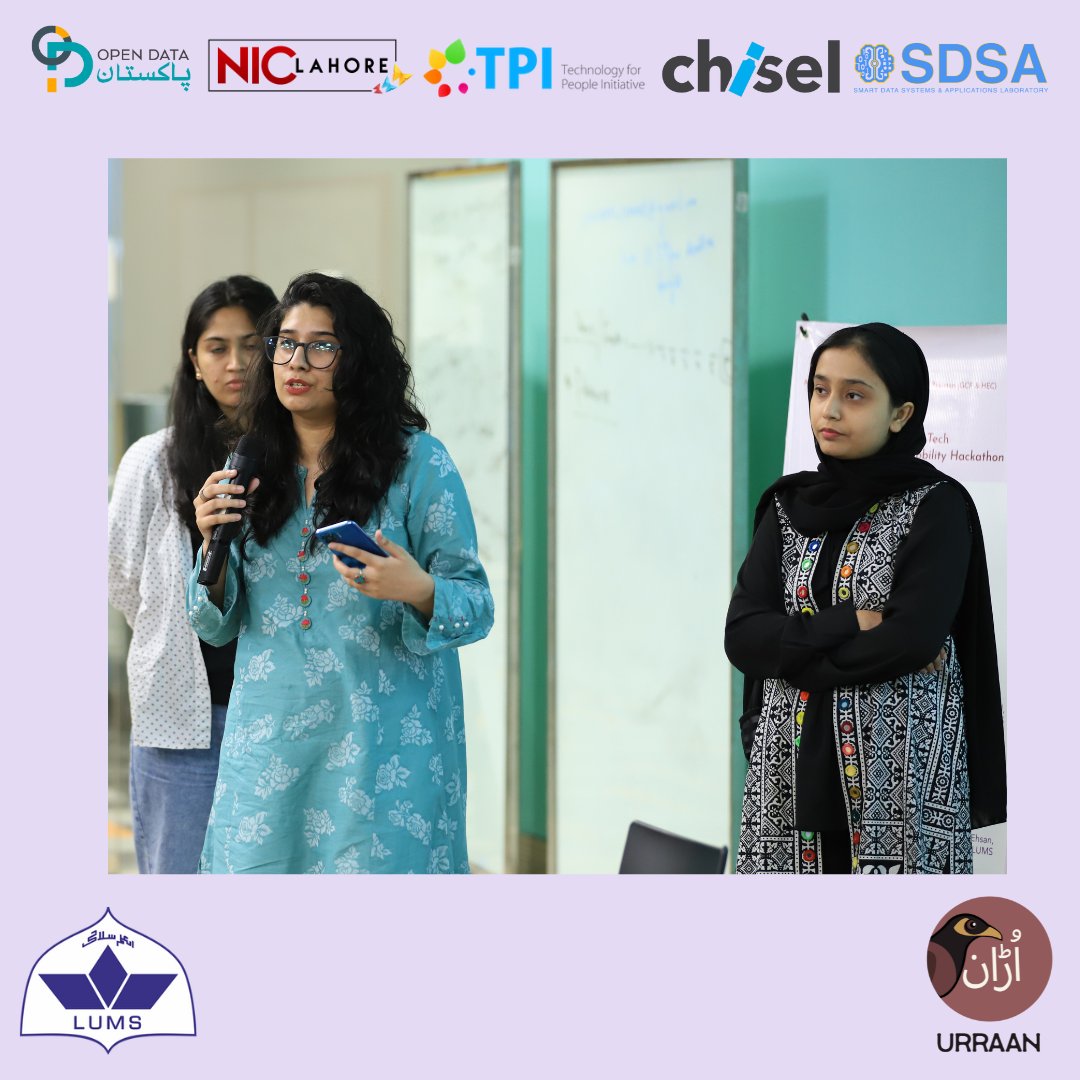
With guidance and teamwork, teams delivered their initial idea pitches, presented their refined half-cooked ideas, and delivered the final presentations to the judges.
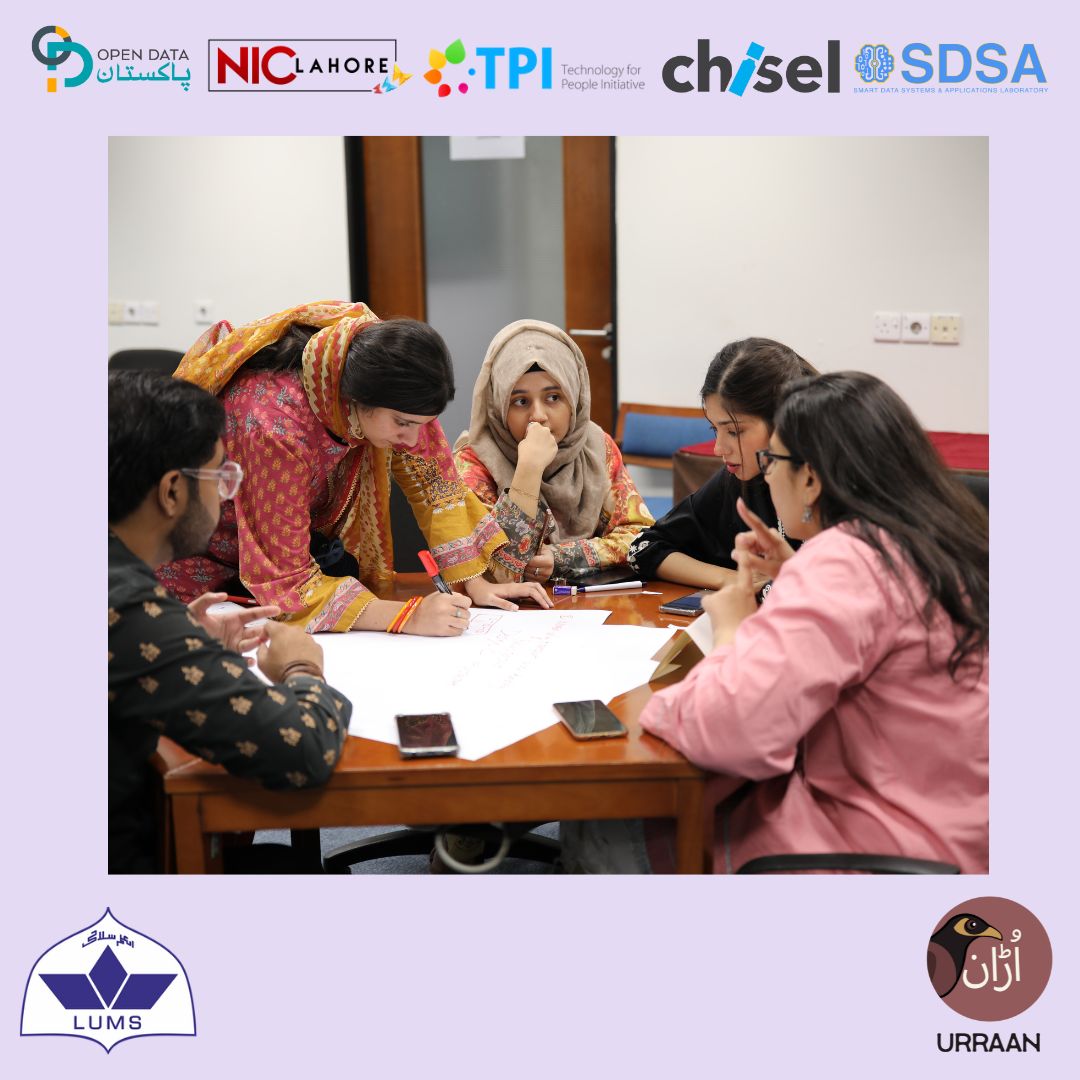
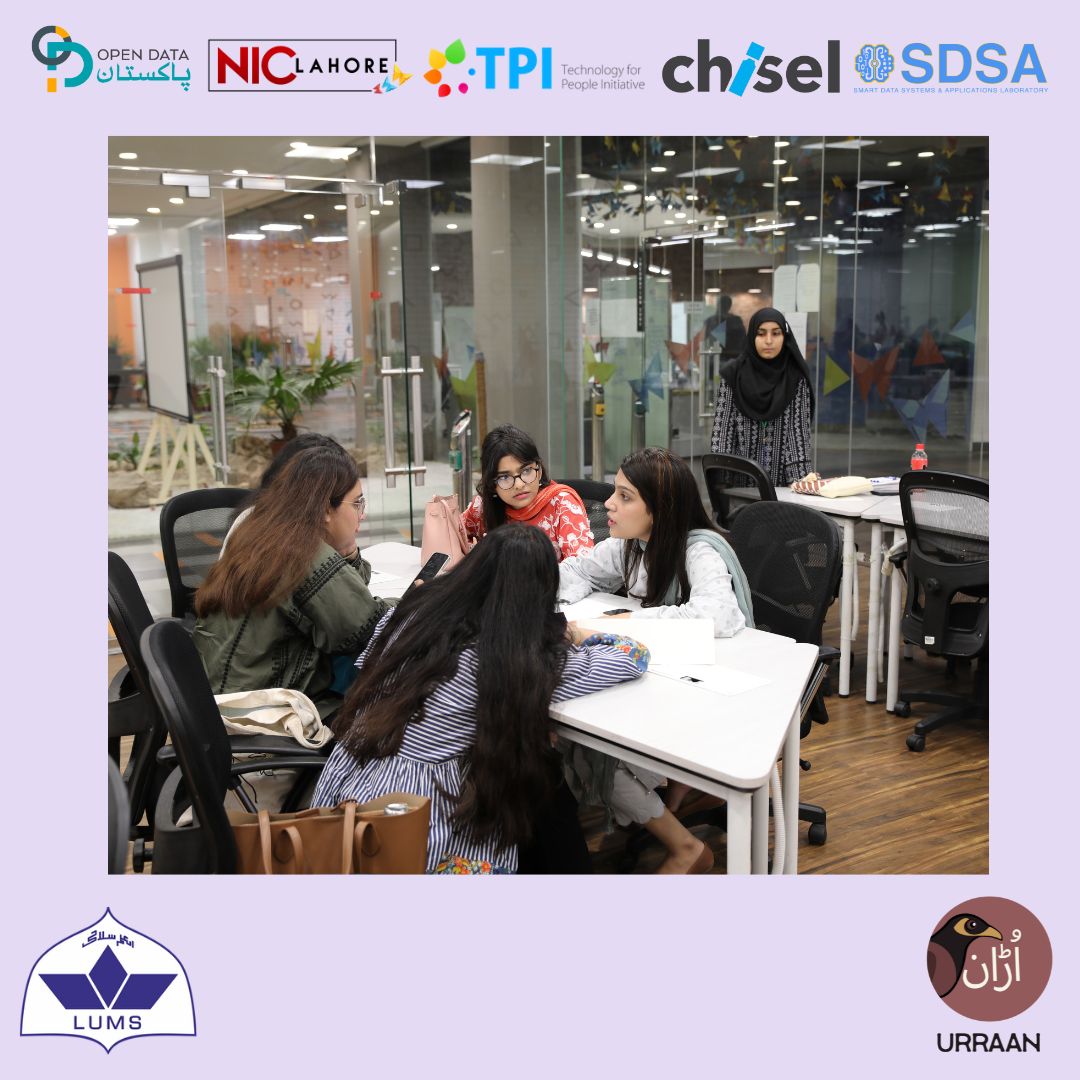
The Urraan Hackathon focused on teamwork & critical thinking. It engaged young minds in urban planning and development in the space of gendered transportation. Teams were divided into groups of 3-5, where our mentors guided them in shaping their innovative solutions.
Team UrbanTech and Open Data Pakistan will continue to host such hackathons; we believe that by engaging brilliant students with regard to urban planning and development, we can play our part in developing future leaders who will spearhead innovative urban planning strategies.
Team UrbanTech Pakistan and Open Data Pakistan hosted a 2-day hackathon on 23-24 September under the initiative of Urraan: Women in Urban Mobility.
It aimed at students across Pakistan who proposed creative technological solutions for issues of women's mobility in Pakistan.