$KAGENTIC live now
Ca: 0x83a0305c966164368baa130661eb81506fe7229c
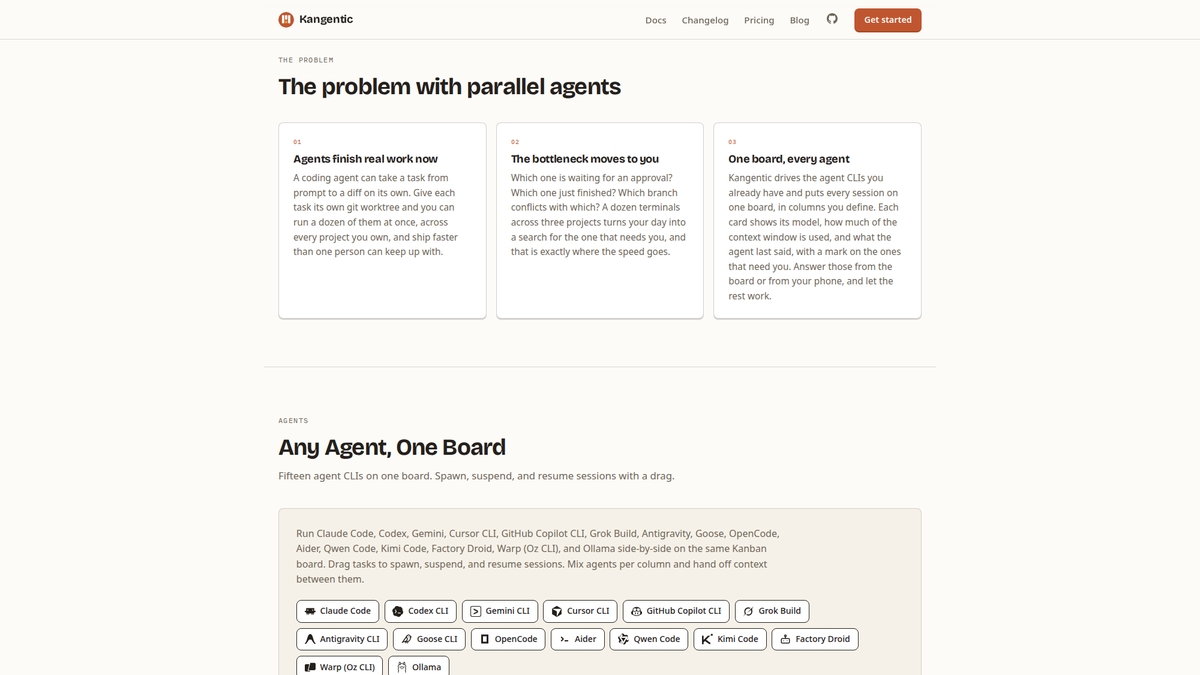
Drag a card, an agent starts. Kangentic puts fifteen coding agents on one board, each in its own worktree, with live terminals, diffs, and a phone companion for approvals. Local, free, and open source.
See something wrong in the app while an agent works? Open your dev server beside the terminal, mark the element or draw on the page, and send the notes to the agent in one numbered prompt. Feedback becomes the next task without leaving the board.
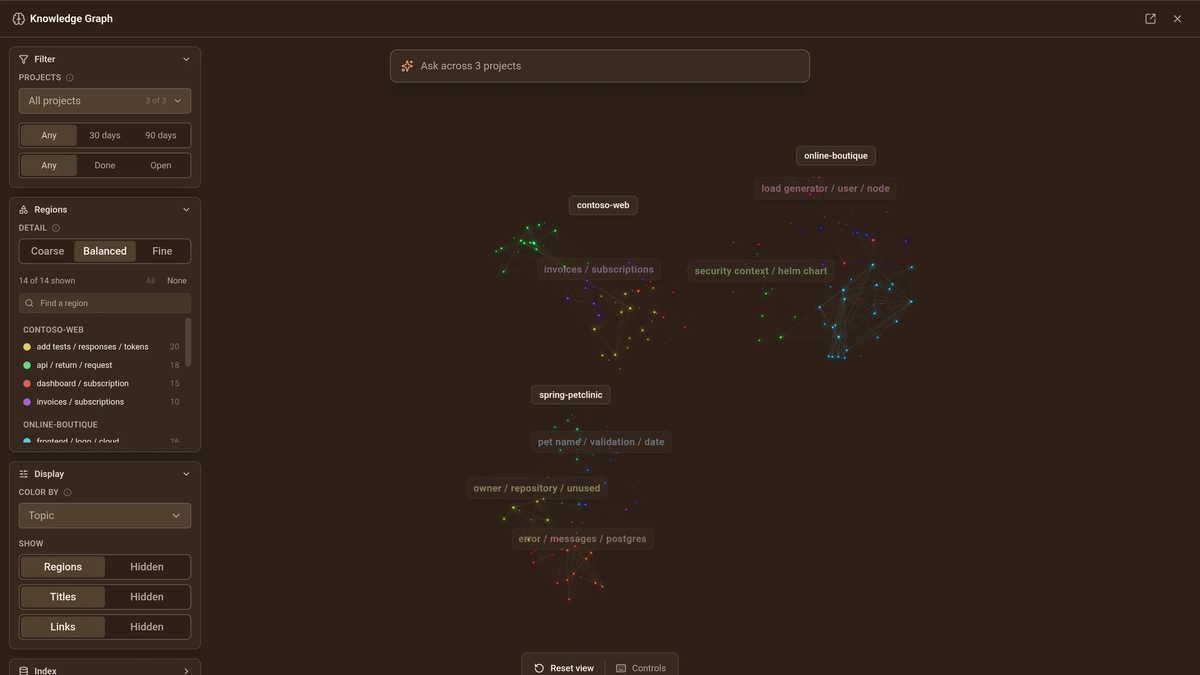
Your past work is still there when you need it. Kangentic's Knowledge Graph turns old conversations, tasks, and commits into a map you can search by meaning, all on your own machine. Ask a question and an agent answers from what you already did.
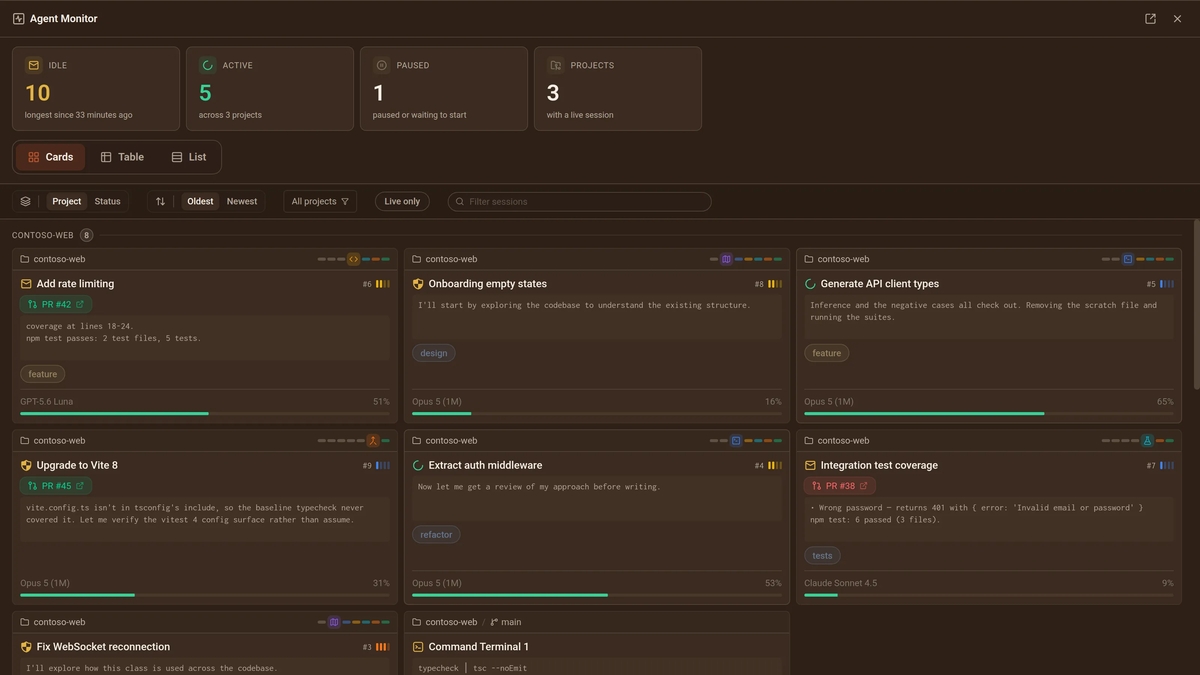
Ten agents running and one screen to watch them. The Agent Monitor lists every live session across every project, with a peek at each one's latest output. Pop it out onto a second display and keep the board clear.
Your agents don't wait for you to get back to your desk. Kangentic Mobile pairs with the desktop app once, then you can follow sessions, answer prompts, and review diffs from your phone. End-to-end encrypted, no account, free on Google Play.
https://t.co/0Ds20utyxn
The board fills itself from the tools your team already uses: GitHub Issues, Linear, Jira, Asana, Trello, GitLab, Azure DevOps, an Obsidian vault, or a folder in your own repo, one task per file. Nothing to migrate, nothing to retype, the work you already have becomes the board.
One set of edits, checked from several angles at once, instead of a single pass that has to catch everything. The write-up walks through why splitting the job grew the workload, and the tweak that brought it back down.
The dashboard shows what each session costs while it is running. Time, tokens, and spend per task, in plain sight. You spot the task eating the budget before the bill does, and you can stop it from the same screen.
Define the workflow once, and every card runs it the same way. Plan, build, review, in the same order, with the same checks. The tenth task gets the same care as the first, because the process is written down, not remembered.
The product already works as one system, and every part of it is public and running today. Any token role will be described only once it is real, never before, and nothing about it is decided in this post.
Anyone can read the code, run the app, and suggest a fix. Star the repository, try the app, and tell us what breaks. Newcomers are welcome, whether you code, test, or write docs. The work happens in public, and every report makes the next release better.
Kangentic grows in the open, one published release at a time, with everything shipped so far staying included at no cost. What comes after the desktop app is still conditional, not scheduled. We will share direction here as it firms up, never as a dated promise.
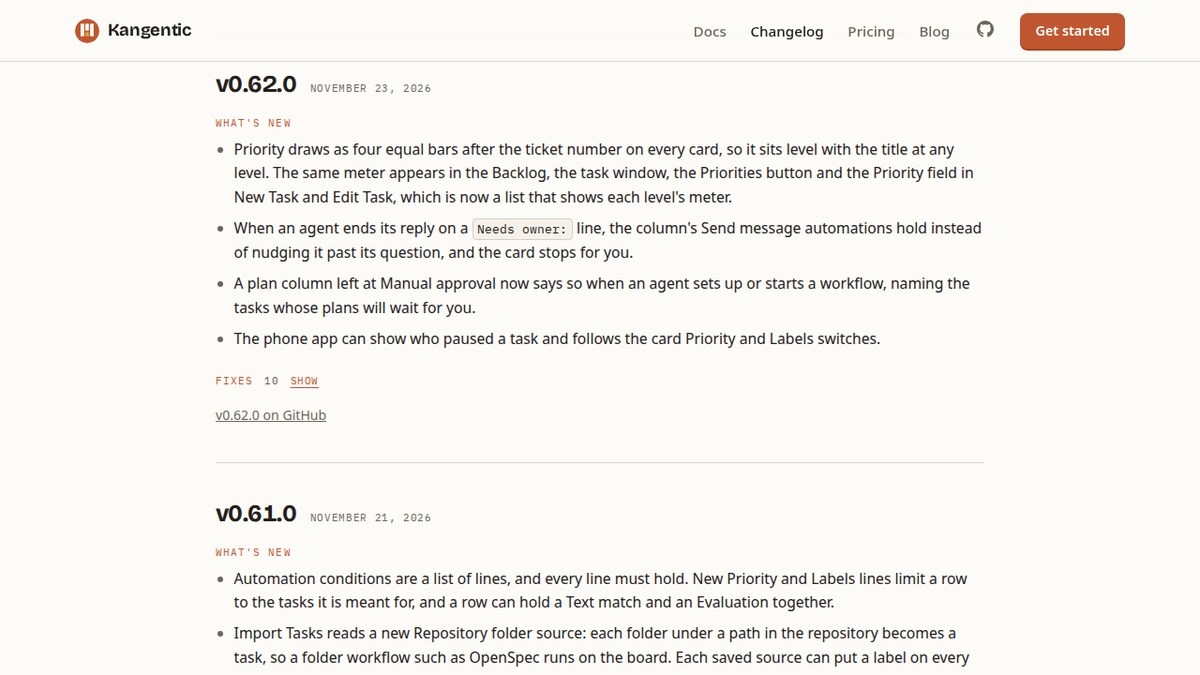
The newest release notes are public, newest first, and the list keeps growing from the very first version. Recent work sharpens how cards surface what matters, how automations hold when an agent asks a question, and how the companion app follows the board.
Everything a session needs lives in one place: plans that advance on their own, earlier work ready to consult, costs in plain sight, and answers while you are away from your desk. No separate tools, no lost context between steps.
Agents used to live in separate terminals and chats, each with its own view and none shared. Which one waits for approval? Which branch conflicts? Kangentic answers by gathering every session into a single shared view, with a mark on the ones that need you.
Kangentic exists to put powerful agent tooling in every developer's hands, without accounts, paywalls, or a server in the middle. Your machine, your CLIs, your rules. Built in the open, for anyone to run, inspect, and improve.