🧬Thanks @jclinicalinvest for highlighting our work integrating #genetics, proteomics and #EHR https://t.co/cEsGs9LkLE in the editorial:
“The importance of diverse multiomic datasets and analyses” https://t.co/WmnLa3eDf0
*But why is diversity so important in #omics?* (1/n)
🚨 Can serial CMR redefine risk stratification in HCM?
A new study suggests that it may not be the amount of fibrosis alone that matters—but how quickly fibrosis progresses over time.
Researchers followed 313 patients with hypertrophic cardiomyopathy (HCM) who underwent two CMR scans approximately 4 years apart, assessing changes in late gadolinium enhancement (LGE), a marker of myocardial fibrosis.
🔍 Key findings
📈 Myocardial fibrosis increased substantially over time:
Median LGE mass increased from 2.9 g to 8.3 g
LGE prevalence rose from 72% to 91%
Extensive fibrosis (LGE ≥15%) doubled from 7% to 15% of patients.
⚠️ Nearly 70% of patients without LGE at baseline developed fibrosis on follow-up CMR.
💡 The most important finding was the rate of fibrosis progression:
ΔLGE >1.5 g/year independently predicted adverse clinical outcomes
Patients with rapid fibrosis progression had more than a twofold increased risk of death, transplant, HF hospitalization, stroke, or aborted sudden cardiac death
Adding ΔLGE/year to conventional risk models significantly improved risk prediction and reclassification.
❤️ For hard endpoints (death, transplant, aborted SCD), a fibrosis progression rate of >3.75 g/year identified particularly high-risk patients.
🎯 Clinical implications
Current guidelines already recommend repeat CMR every 3–5 years in HCM. This study provides strong support for that recommendation and suggests that:
✅ Serial CMR should be viewed as a dynamic monitoring tool rather than a one-time assessment
✅ Fibrosis progression may identify high-risk patients who appear low-risk according to conventional risk scores
✅ Imaging intervals could potentially be personalised based on fibrosis progression rates.
📚 One particularly striking observation: patients considered "low risk" by traditional ESC or AHA/ACC criteria but showing rapid LGE progression often had worse outcomes than some patients classified as high risk with stable fibrosis.
🧬 The future of HCM risk stratification may therefore move beyond a static fibrosis threshold toward a dynamic assessment of myocardial fibrosis progression.
🎉Check out our preprint led by @LinkeLi_MGH@_ahmedmalaa with @pnatarajanmd : )
One of the biggest hurdles in proteomics is the non-replication of associations due to limited cross-platform correlation. We tackle this with ML models that bridge the two major ones, SomaScan and Olink, plus a tiered protein reliability system to guide which signals to trust.
We validate against gold-standard measurements, AlphaFold 3 predicted structures, and 3 real-world applications, including replication of published dementia🧠and heart failure🫀associations, showing markedly improved cross-platform replicability.
https://t.co/wCPdZrDbZd
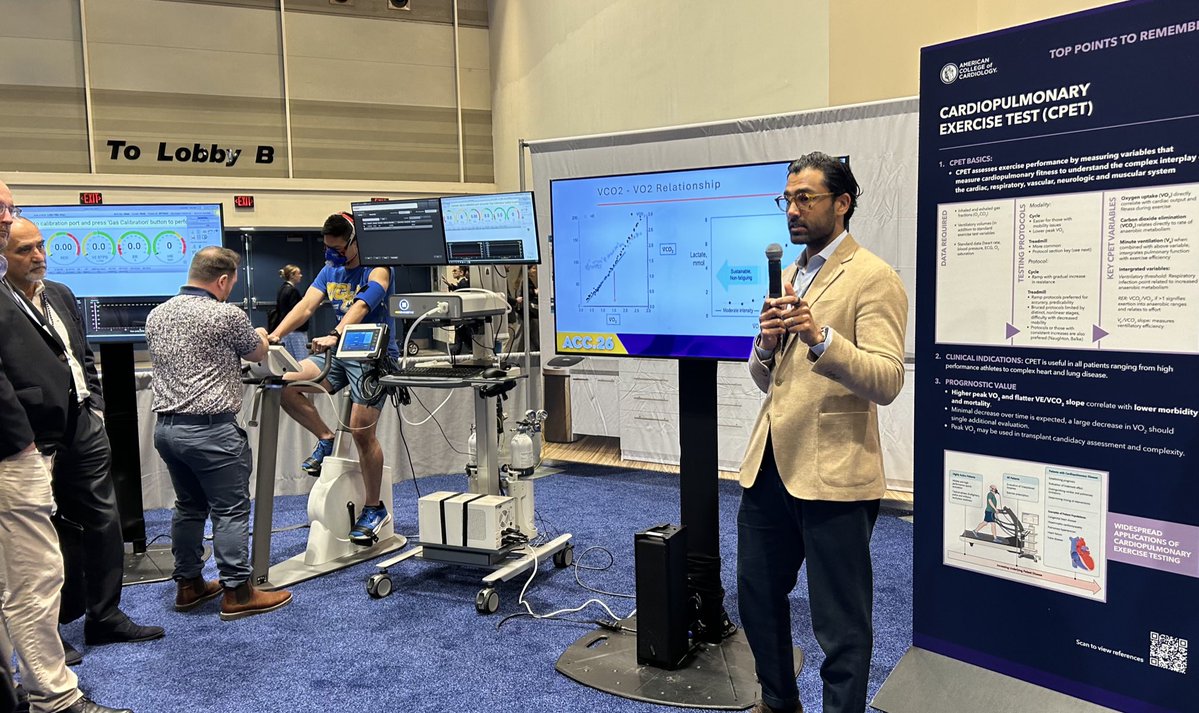
A packed audience for a personal live VO₂max test with real-time data walk-through by @JeffHsuMD & @BradleyPetek
Did this last year and it was so much fun we had to do it again this year. Thanks to everyone who attended and @kerizozo for the invite!
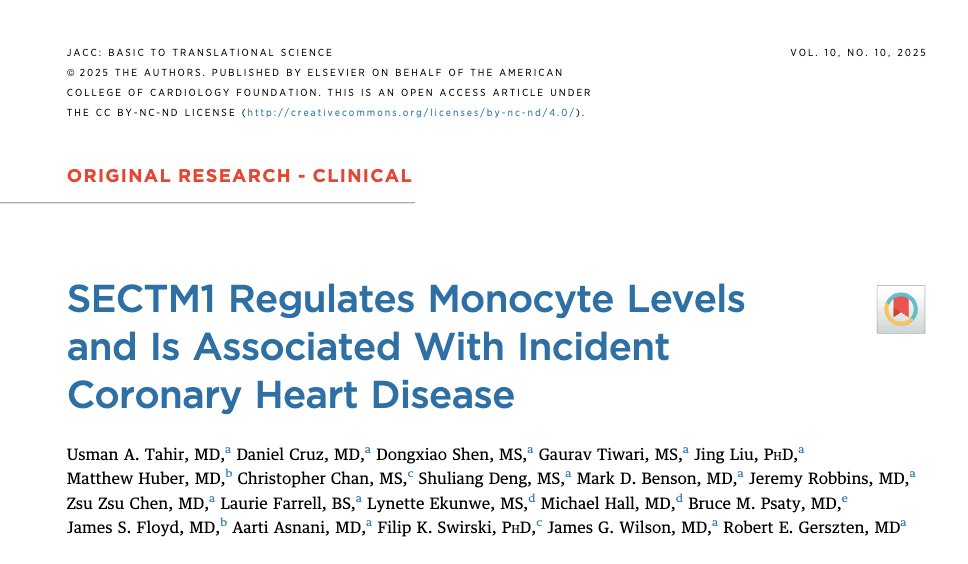
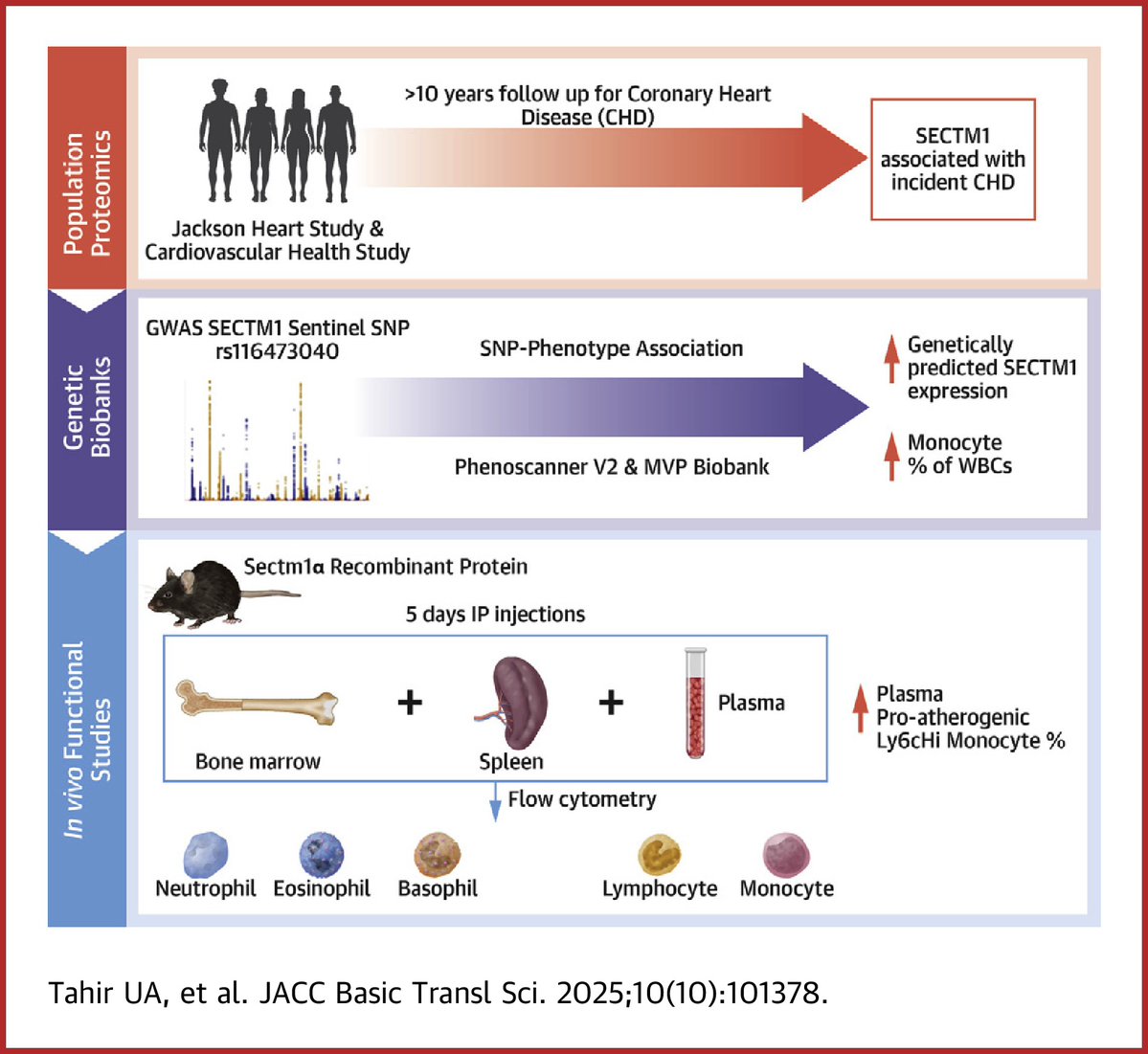
In this #JACCBTS article, @UTahirMD, et al. use proteomics to identify SECTM1 protein levels and genetic variants associated with incident coronary heart disease and circulating monocyte levels. https://t.co/ZMW4I0vNsI
#ASCVD@AartiAsnaniMD
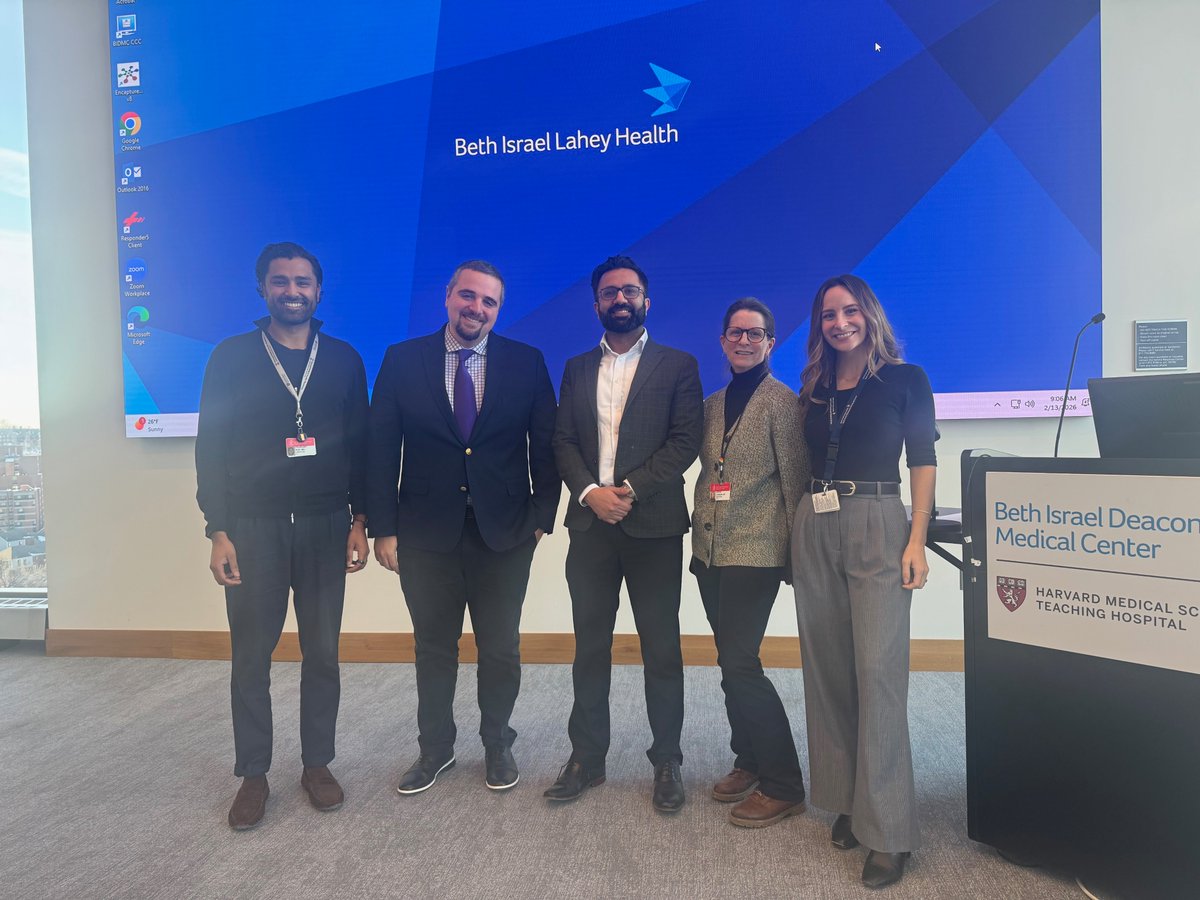
It was wonderful hosting @MasriAhmadMD this past week for @BidmcCvi Grand Rounds. A masterful talk on the era of cardiac myosin inhibitors in HCM. Amazing progress in translating sarcomere biology to therapy for patients. but lots to do, especially for non-obstructive HCM.
🫀✨ New insights into Non-Dilated LV Cardiomyopathy!
A large multicentre study shows that NDLVC is a dynamic disease, with nearly 40% of patients developing adverse LV remodeling over time 📉
🔍 Key predictors of progression:
🧬 Genetic + inflammatory aetiology
⚡ NSVT and conduction abnormalities
🧲 Ring-like LGE on CMR
📉 Baseline LVEF <45%
👨👩👧 Family history of CMP or sudden cardiac death
🛡️ Negative genetic testing stands out as the strongest protective factor.
📌 Take-home message: deep phenotyping + genetics are essential to identify high-risk patients early and guide personalised follow-up and management.
#NDLVC #Cardiomyopathy
#InheritedHeartDisease #CardioGenetics
#CMR #Arrhythmias #HeartFailure
#PrecisionCardiology #ESCguidelines 🧠🫀
https://t.co/iyQQxV3doD
Viewpoint calls for improved training in genetics & genomics for cardiovascular clinicians to better translate advances https://t.co/DLj380LRDF @ESC_Journals
Using data from 5 cohorts and 2 proteomic platforms, we mapped out a comprehensive view of protein changes associated with CHIP🧬and examined causality using human👨🦱👩🦰& mice🐭🐭data
Many thanks to all co-authors, with special gratitude to Dr. Libby @Dr_RajatGupta@pnatarajanmd !
BOLD INVITATION👇
"We have studied vulnerability long enough. Now we must also study protection. Somewhere inside biology of those who stay healthy, despite yrs of exposure, lies future of prevention
Because in the end: Risk matters. Resilience decides. It is time we study both"
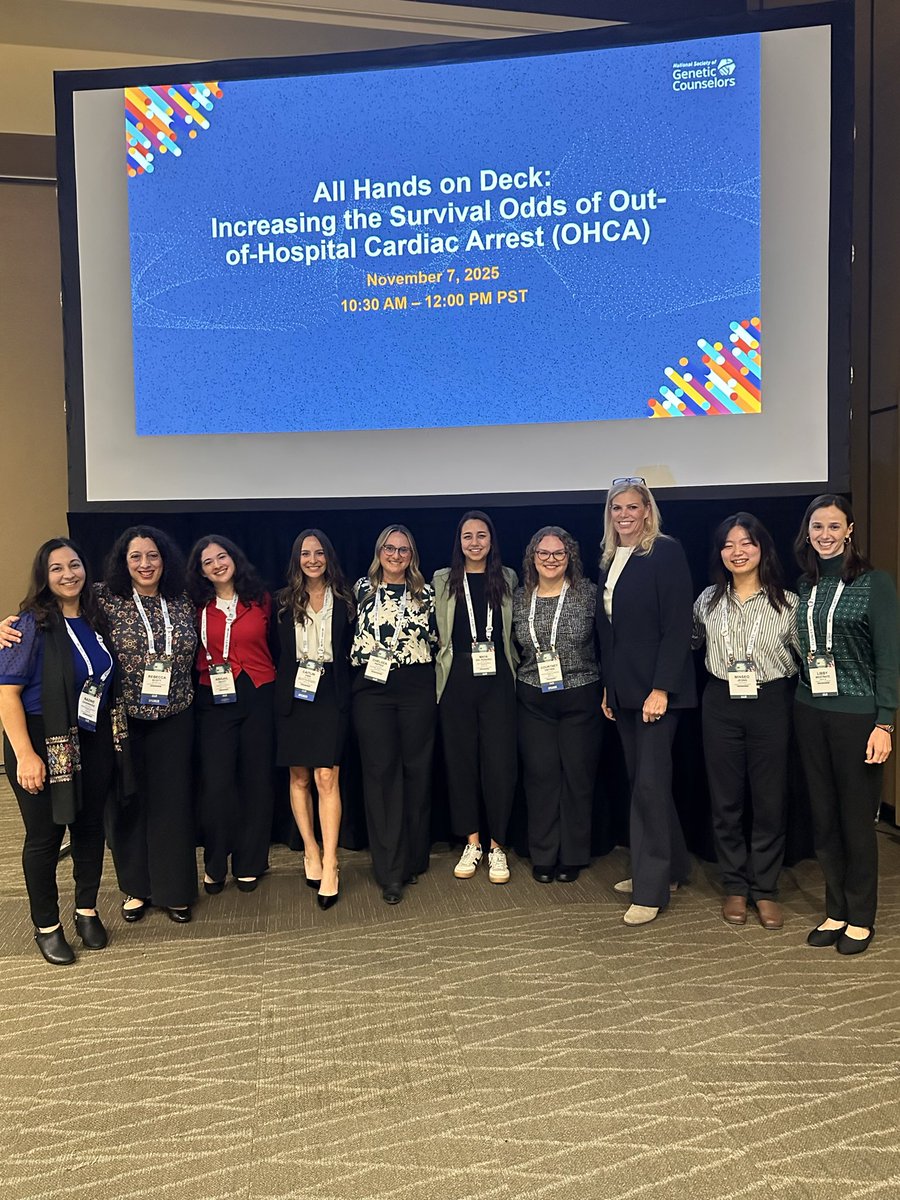
Proud of Cardiogenetics counselor @caitlin_finnn as she presents on Sudden cardiac arrest @ National Society of GC conference. Caitlin is an instrumental part of our Genetics program @BidmcCvi@DrPRao and a strong advocate for our genetics patients and their families.
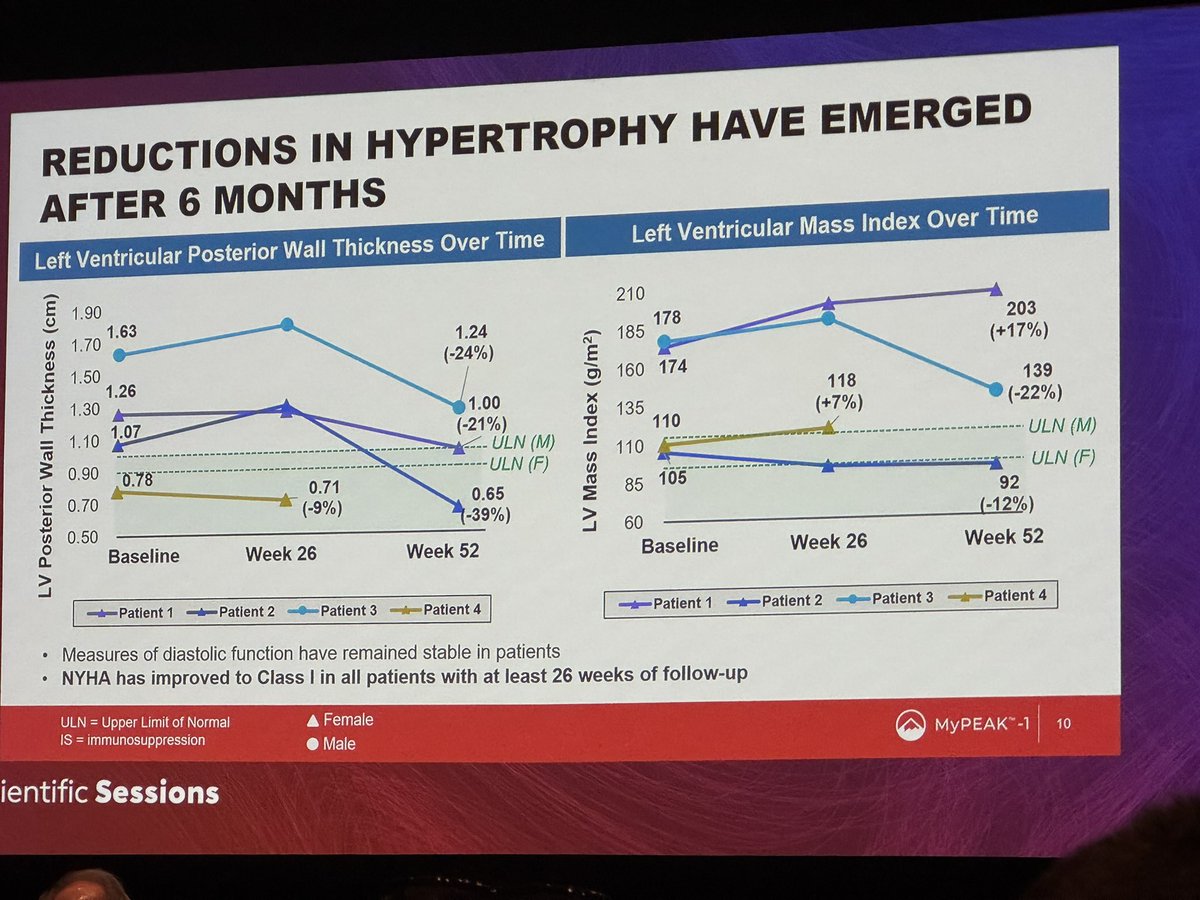
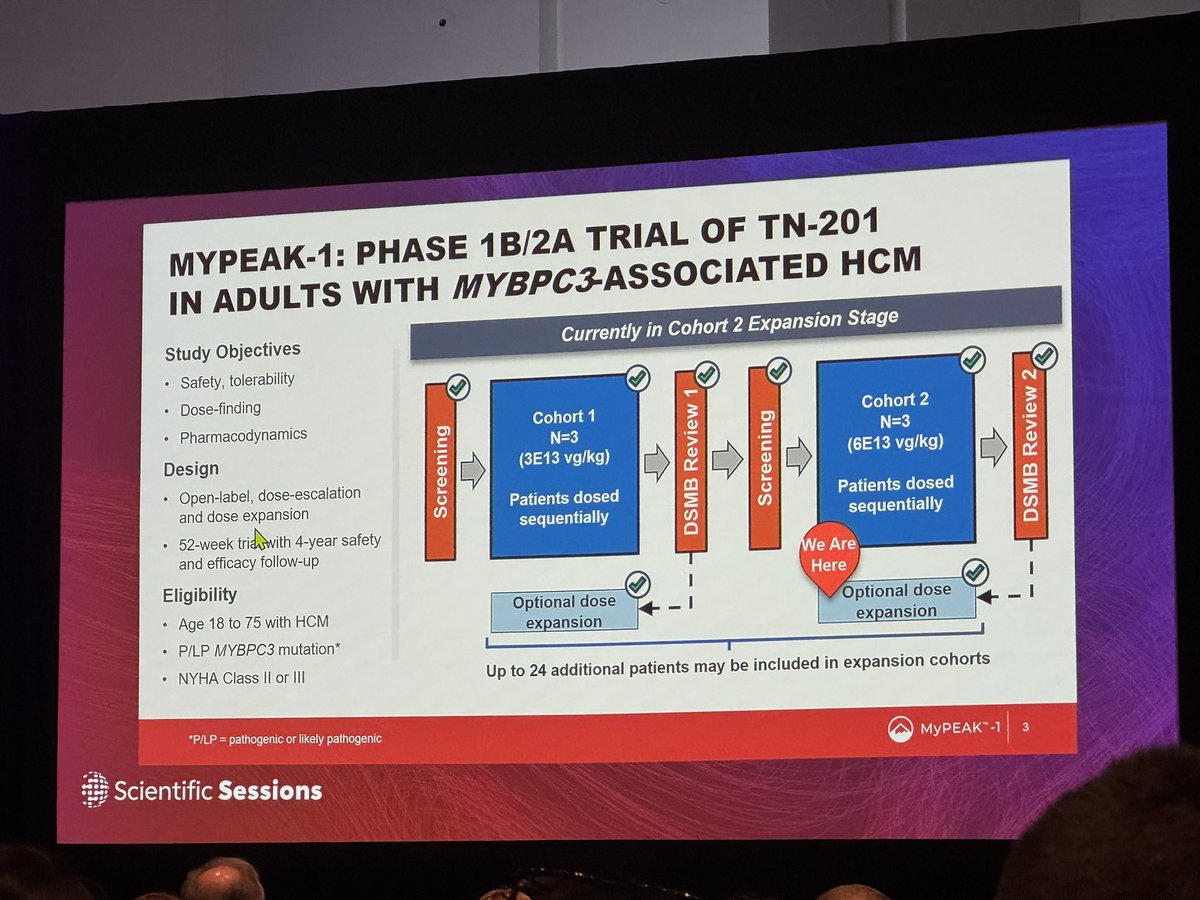
6 patients dosed with single infusion of TN-01 via AAV vector to deliver functional copy of MYBPC3. Positive signals with reductions in hypertrophy, well tolerated, reversible liver enzyme ⬆️. Long term f/u ongoing.
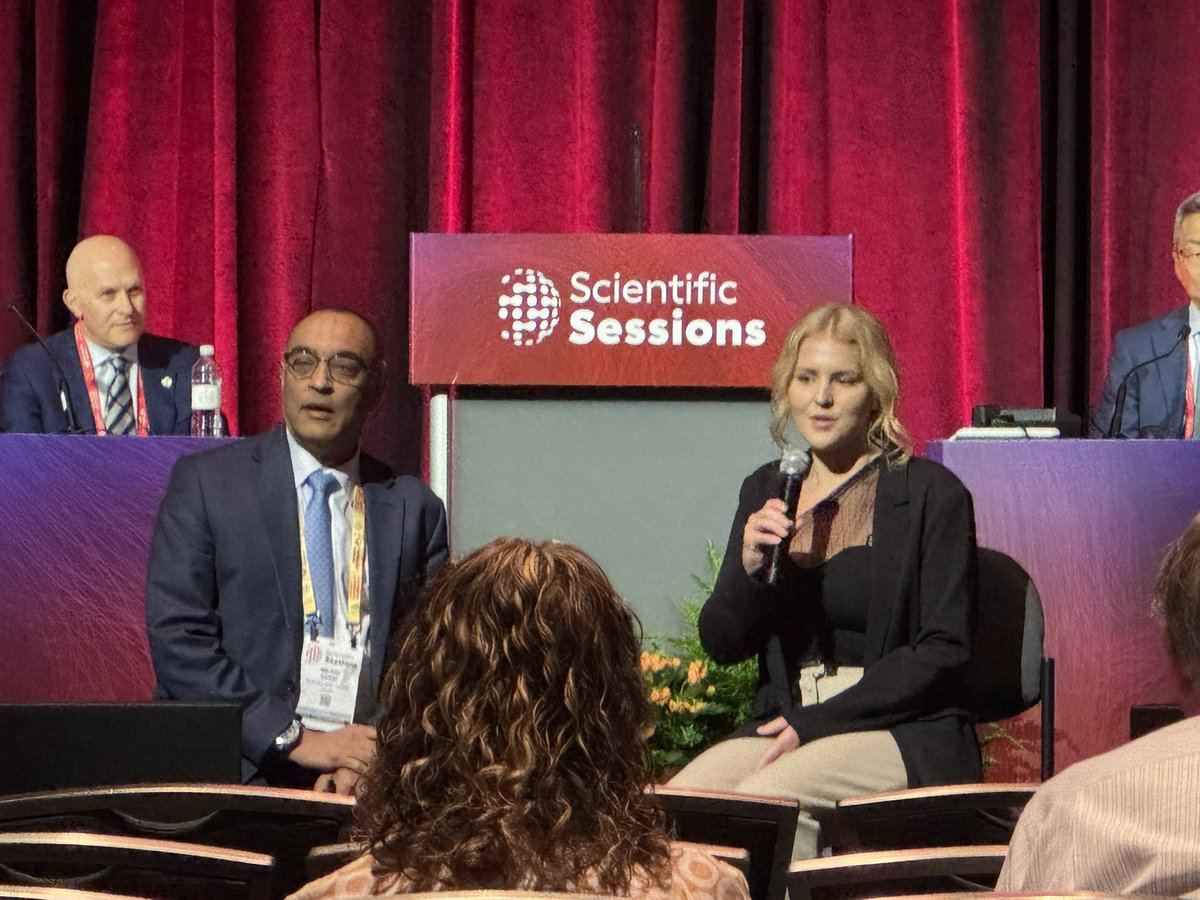
Incredible moment at the #AHA25 with the first human to receive gene therapy for MYBPC3 HCM in the My-PEAK-1 trial sharing her desire to break the cycle of heart failure, cardiac transplant and SCD in her family. Interim results ⬇️
Link to article: https://t.co/P4LHQDRf8K
Thanks to all mentors, contributors and cohort participants of JHS and Cardiovascular Health Study Rob Gerszten @AartiAsnaniMD@SwirskiLab
🚨Excited to share our new study out in @JACCJournals Basic to Translational Science, where we integrate proteomics, genetics and in-vivo functional studies to identify SECTM1 as a novel regular of circulating monocyte levels associated with coronary heart disease 🧵
A nice editorial by @MariosGeorgakis highlights the utility of the multi-omics approach to new biology. As noted, we did not find genetic direct genetic evidence for SECTM1 --> CHD, highlighting the need for studies to work out the potential CHD pathways.https://t.co/B8ZCzVJS7S