Our tutorial on "Causal AI for Web and Healthcare" presented at The Web Conference 2023
Website: https://t.co/6dmhTIKYMm
Slides: https://t.co/exVJ4fgEvh
Amit Sheth Usha Lokala K@amit_p @ushanri@kaushikunal#ai #causalinference…https://t.co/VN5jOj2iAm https://t.co/UEd43Fw3tZ
I am glad to share the outcome of my 2022 summer internship at Siemens, Princeton. We published one of the first papers and articles highlighting the vision and work at #siemens on the industrial #Metaverse https://t.co/KAqDj2MJD1
https://t.co/IbNZchBUCA
@yudapearl How to argue for the evaluation & effectiveness of the estimated causal effects (total causal, natural direct, and natural indirect effects) for a dataset? Since there does not exist any baseline or benchmark dataset for causal effect comparison.
I am starting a new service on this educational channel: A weekly list (not endorsements) of newly published papers touching on causal inference. First installment: https://t.co/VT5XMP58NY
I believe it should help readers obtain a panoramic view of where the field is going.
1/2
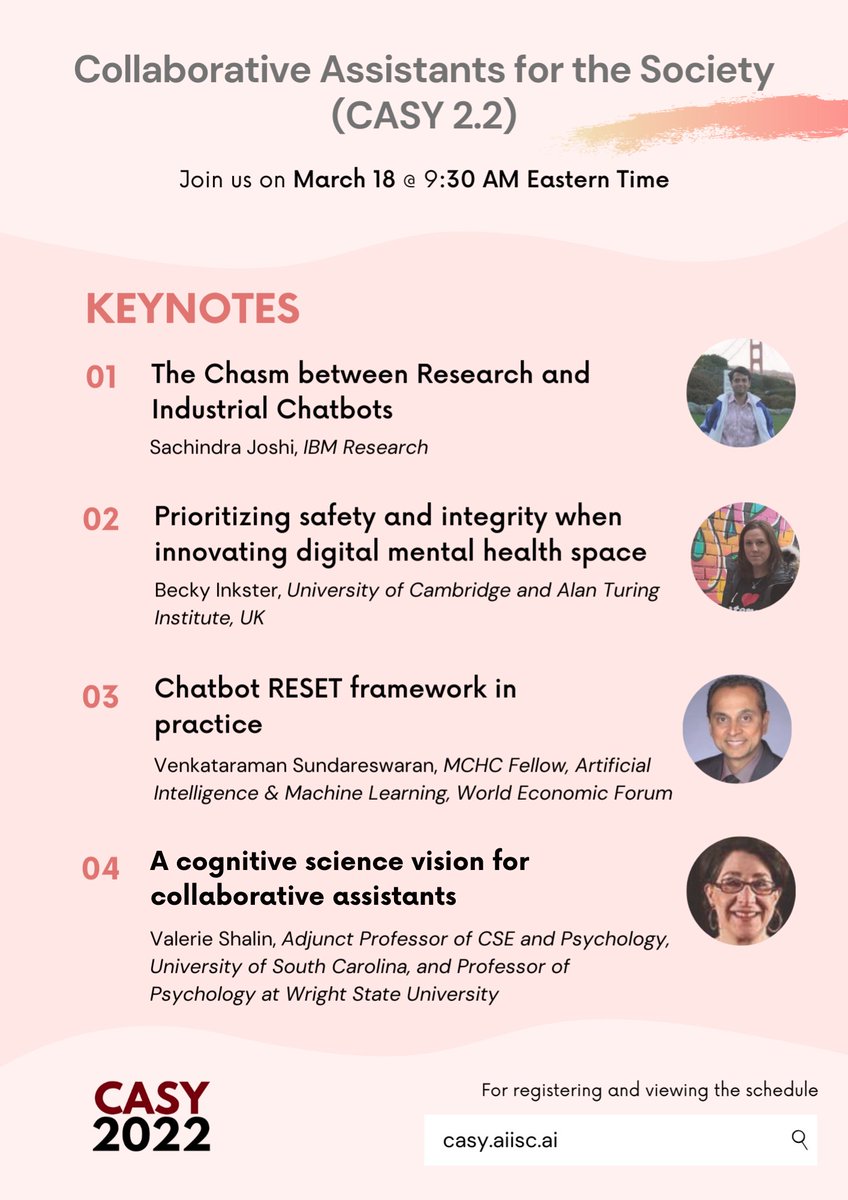
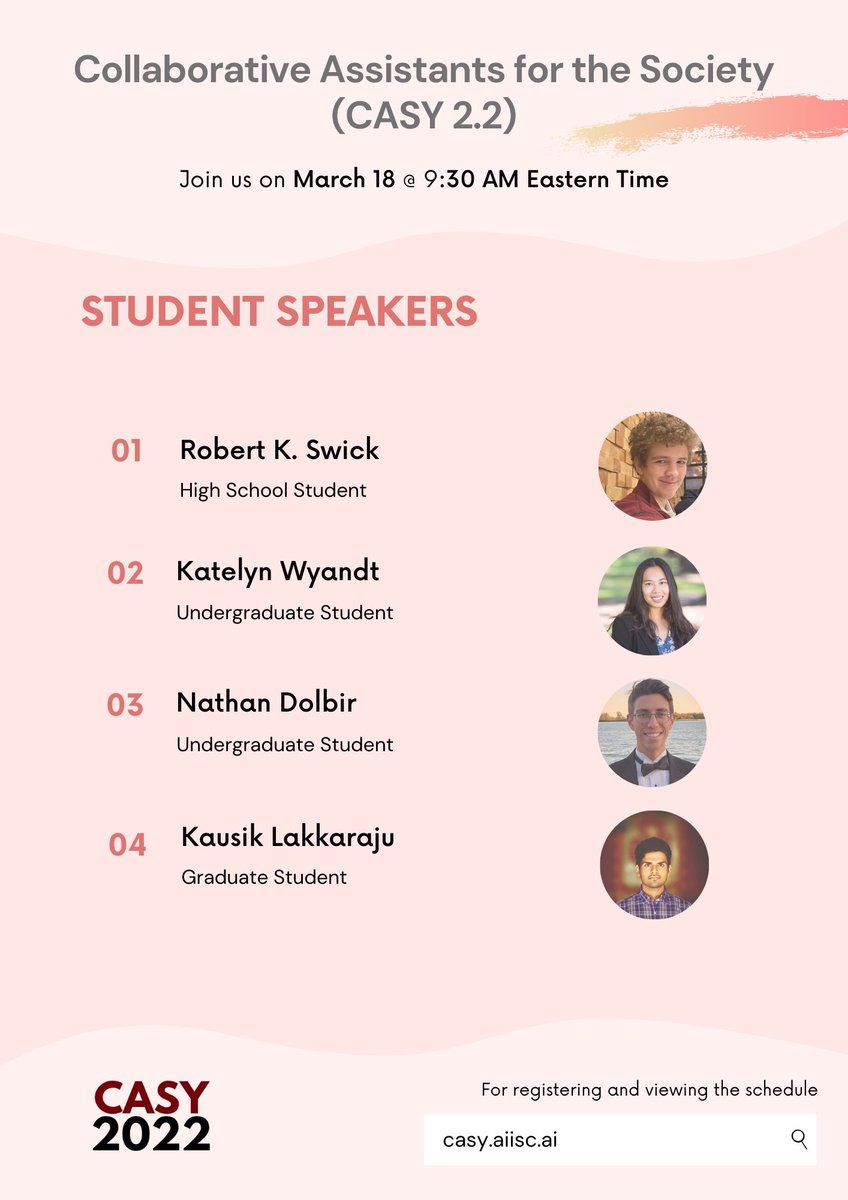
Artificial Intelligence Institute at the University of South Carolina (AIISC) in support of AI Journal is organizing the 3rd Symposium on Collaborative Assistants for Society (CASY 2.2), a.k.a., chatbots. This is a free event and w…https://t.co/JZYq5mUx0n https://t.co/ns3G1ZjkJ1
@yudapearl CausalKG is a hyper-relational knowledge graph where nodes in the graph represent causal entities (similar to nodes in the causal Bayesian network), arrows between the nodes represent the causal direction n causal relationship and their associated causal effects as in Fig 6.