Gardener who's actively engaged in the Manufacturing & Design of Critical Aerospace Products, Fluid Power Elements and Materials.
@DynamaticTech @DynautonSys
The war without a plan continues without resolution and Moody's Mark Zandi warns Pres. Trump has roughly a week to secure an Iran deal. Stalled talks risk a fresh oil price spike that could push a fragile US economy into recession. https://t.co/2AyNVmLKLk
BEFORE SLEEPING KNOW THIS...
FOR 15 YEARS, while most people escaped the summer heat, Harpal Singh Pali drove a tractor-tanker deep into the burning Shivalik Hills every alternate day carrying WATER for wild animals. As lakes dried and forests cracked under extreme heat, deer, wild boars, blue bulls, and peacocks began waiting for one sound — the arrival of his tractor.
Using his OWN MONEY, without donations or government support, Pali created and refilled 25 water holes across nearly 5 kilometres of forest so animals would not enter villages searching for water. Fuel prices increased. Maintenance costs rose. Still, he never stopped. He even dedicates 10% of his income to wildlife welfare.
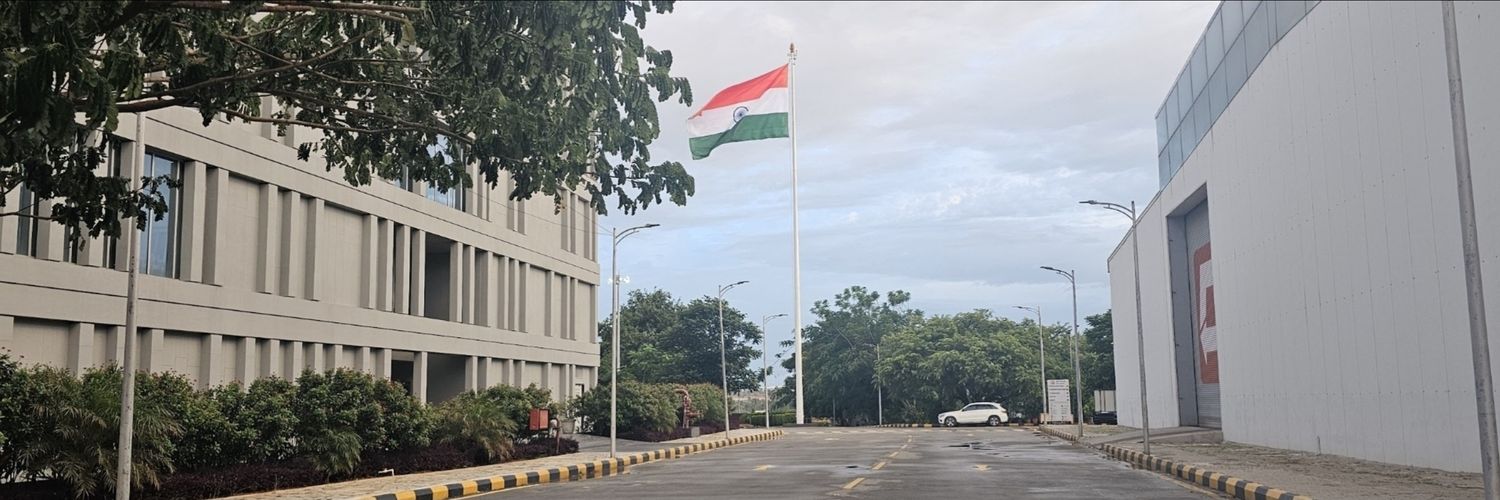
The USIBC team, led by India Managing Director Rahul Sharma, spent an insightful day at the @DynamaticTech and Dynauton facility at the KIADB Aerospace Park in Bengaluru.
Witnessing the scale and sophistication of what is being built here serves as a powerful reminder of how rapidly India's aerospace ecosystem is evolving.
A few insights from our visit:
· Global Aerospace Powerhouse — Dynamatic is executing critical work for Boeing on the F-15EX and precision-engineering flap track beams and A220 doors for Airbus. World-class manufacturing, delivered out of Bengaluru.
· Defense Innovation — The Dynauton’s key work has been on the Cheel, a tactical VTOL surveillance UAV, and the Kaatil, a loitering munition UAV, both reflect India's growing indigenous defense capability.
· Sustainability by Design — The facility runs advanced rainwater harvesting and a fully above-ground pneumatics layout, sustainability built into operations from day one, not added on.
· Art and Heritage — Their dedicated museum within the campus blends heritage, cultural and industrial history, creating a workspace that connects people
A sincere thank you to @ahilya09 and the entire Dynamatic team for their warm hospitality. We look forward to seeing Dynamatic Technologies continue to push the boundaries of aerospace innovation.
@UTobyM@DynautonSys@Boeing@BellFlight@Usibc_md@Udy2a@sameerguduru@sandymaini
#Aerospace #Defense #Aviation #USIndiaPartnership
Global funds built a record 225k short contracts, expecting India to break. They miscalculated.
While they panicked over headlines, domestic smart money went long. Midcap profits are up 34%, exports are hyper-competitive, and the industrial base is roaring.
👍@palakshahjourno
The Great India Miscalculation
The violent short squeeze the bears refused to see is now inevitable !!
Global funds sit on a historic quarter-million contract short in India's stock market
Read only in @BWBusinessworld
Views @indiacharts@anuragbatrayo
https://t.co/v89cRdM0dR
Excellent discussions with Canada’s Minister of International Trade, The Hon. Maninder Sidhu on the emerging India-Canada Aerospace Corridor that @DynamaticTech is pioneering through its relationship with Airbus Canada and Bell Helicopter. Looking forward to his India visit🇨🇦🇮🇳
.@DynamaticTech, a multinational engineering company headquartered in Bengaluru, India, designs and manufactures products for the defence, aerospace, and auto sectors.
After having had the opportunity to visit their facilities during our trade mission to India in 2024, it was great to reconnect with CEO Dr. Udayant Malhoutra (@UTobyM) to receive an update on their latest innovations and future plans.
Always great to spend time with Hon. @VictorFedeli, Minister of Economic Development, Job Creation and Trade, Govt of Ontario, Canada.
Canada, home to Airbus A220 and Bell407 programs is a high-growth area for us. Look forward to growing our strategic business here.
Privileged to have a follow-up meeting in Ottawa today with The Honourable David McGuinty, Minister of National Defence of Canada and Wendy Hadwen, Assistant Deputy Minister (Policy–Industry) at Canada's Department of National Defence.
#IndiaCanada 🇮🇳🇨🇦
Honoured to meet with the Rt. Hon. @DavidMcGuinty, Minister of National Defence, Canada
We had a productive dialogue on the synergy between industry, security, and economic resilience. Discussed potential for Canada-India collaboration in Aerospace & Defence manufacturing 🇨🇦🇮🇳
@UTobyM How absolutely wonderful to see the Admiral. He was my K22 when I was the Captain (and earlier the XO) of REs. Have the highest regards and respect for him.
"The companies building AI are telling investors it saves money. 𝗧𝗵𝗲 𝗰𝗼𝗺𝗽𝗮𝗻𝗶𝗲𝘀 𝘂𝘀𝗶𝗻𝗴 𝗔𝗜 𝗮𝗿𝗲 𝗳𝗶𝗻𝗱𝗶𝗻𝗴 𝗼𝘂𝘁 𝗶𝘁 𝗰𝗼𝘀𝘁𝘀 𝗺𝗼𝗿𝗲 𝘁𝗵𝗮𝗻 𝘁𝗵𝗲 𝗵𝘂𝗺𝗮𝗻𝘀 𝗶𝘁 𝘄𝗮𝘀 𝘀𝘂𝗽𝗽𝗼𝘀𝗲𝗱 𝘁𝗼 𝗿𝗲𝗽𝗹𝗮𝗰𝗲. And even the company that makes the chips just admitted it through its own VP."
Microsoft just banned its own engineers from using AI.
The tool was literally costing MORE than the humans it was supposed to replace.
They lied to you about AI adoption and now the whole narrative is blowing up:
Microsoft gave thousands of engineers access to Claude Code six months ago and encouraged them to use it.
Engineers loved it and adoption exploded. But then the invoices arrived.
Token-based pricing means every query, every code review, every debugging session costs money. At scale across 100,000 engineers, the numbers became so large that Microsoft issued an internal order to cancel nearly all Claude Code licenses by end of June and force everyone onto their own cheaper tool instead.
The company that invested $5 billion in Anthropic just told its own people to stop using Anthropic's product because it costs too much.
Uber's story is even worse...
Their CTO Praveen Neppalli Naga told The Information that the budget he planned for the full year was "blown away already" by April.
Uber had rolled out Claude Code in December 2025. By March, 84% of their 5,000 engineers were using it with 70% of all committed code coming from AI systems.
Heavy users were burning $500 to $2,000 per month each. Naga himself spent $1,200 in a single two-hour demo session.
The company had even built internal leaderboards ranking engineers by how much AI they used. They literally gamified the spending and then ran out of money.
Now look at what Nvidia's own VP of applied deep learning Bryan Catanzaro said to Axios last month. Direct quote:
"For my team, the cost of compute is far beyond the costs of the employees."
This is a VP at the company that SELLS the chips saying that using AI is more expensive than paying humans.
Think about what this means for the entire AI narrative.
Every CEO on every earnings call for the past two years has said the same thing:
AI will make us more efficient, reduce headcount, and cut costs.
The stock market rewarded every company that said it.
Fired workers, stock goes up. Announced AI adoption, stock goes up.
But the actual companies deploying AI at scale are discovering the math doesn't work. The MORE employees use AI, the HIGHER the bill.
Goldman Sachs forecasts a 24x increase in token consumption by 2030 as companies adopt AI agents. Gartner just published a report showing that even though individual token prices will drop 90% by 2030, total enterprise AI costs will go UP because agents consume exponentially more tokens per task than basic tools.
Meta built an internal dashboard called "Claudeonomics" to track which employees use the most AI. Amazon started pushing engineers to "tokenmaxx," their internal term for consuming as many AI tokens as possible.
Both companies are spending hundreds of billions on AI infrastructure this year alone.
And Microsoft, the company that bet its entire future on AI, just told 100,000 engineers to stop using the tool they liked best because the per-token bills got out of control.
The companies building AI are telling investors it saves money. The companies using AI are finding out it costs more than the humans it was supposed to replace. And even the company that makes the chips just admitted it through its own VP.
This is the gap nobody on Wall Street is pricing in.
$725 billion in AI infrastructure spending this year across Big Tech. And the first companies to actually deploy these tools at scale are already pulling back because the economics don't work.
What do you think?
🇨🇦🇮🇳 Absolutely wonderful catching up with Rear Admiral Rajender Singh in Toronto today. After retiring from the Indian Navy, he was Group Head-HRD at Dynamatic Technologies where he was instrumental in aligning our diverse pool of innovators. He's now with his family in Canada.
𝗧𝗵𝗲 𝗥𝘂𝗽𝗲𝗲 𝗣𝗮𝗿𝗮𝗱𝗼𝘅: 𝗪𝗵𝘆 𝗮 𝗦𝘁𝗿𝗼𝗻𝗴 𝗜𝗻𝗱𝗶𝗮𝗻 𝗘𝗰𝗼𝗻𝗼𝗺𝘆 𝗛𝗮𝘀 𝗮 𝗪𝗲𝗮𝗸 𝗖𝘂𝗿𝗿𝗲𝗻𝗰𝘆
India’s macroeconomic engine is firing on all cylinders: 𝘎𝘋𝘗 𝘨𝘳𝘰𝘸𝘵𝘩 𝘪𝘴 𝘭𝘦𝘢𝘥𝘪𝘯𝘨 𝘮𝘢𝘫𝘰𝘳 𝘦𝘤𝘰𝘯𝘰𝘮��𝘦𝘴, 𝘪𝘯𝘧𝘭𝘢𝘵𝘪𝘰𝘯 𝘪𝘴 𝘵𝘪𝘨𝘩𝘵𝘭𝘺 𝘮𝘢𝘯𝘢𝘨𝘦𝘥, 𝘢𝘯𝘥 𝘥𝘰𝘮��𝘴𝘵𝘪𝘤 𝘮𝘢𝘯𝘶𝘧𝘢𝘤𝘵𝘶𝘳𝘪𝘯𝘨 𝘪𝘴 𝘴𝘤𝘢𝘭𝘪𝘯𝘨 𝘳𝘢𝘱𝘪𝘥𝘭𝘺. Yet, the Indian Rupee (INR) has slid past the ₹96/$ mark.
How do we reconcile roaring domestic growth with a depreciating currency?
The short answer: 𝘊𝘶𝘳𝘳𝘦𝘯𝘤𝘺 𝘷𝘢𝘭𝘶𝘢𝘵𝘪𝘰𝘯 𝘪𝘴 𝘳𝘦𝘭𝘢𝘵𝘪𝘷𝘦, 𝘯𝘰𝘵 𝘢𝘣𝘴𝘰𝘭𝘶𝘵𝘦. 𝘛𝘩𝘦 𝘴𝘭𝘪𝘥𝘦 𝘪𝘴𝘯’𝘵 𝘢 𝘳𝘦𝘧𝘭𝘦𝘤𝘵𝘪𝘰𝘯 𝘰𝘧 𝘥𝘰𝘮𝘦𝘴𝘵𝘪𝘤 𝘸𝘦𝘢𝘬𝘯𝘦𝘴𝘴, 𝘣𝘶𝘵 𝘢 𝘣𝘺𝘱𝘳𝘰𝘥𝘶𝘤𝘵 𝘰𝘧 𝘨𝘭𝘰𝘣𝘢𝘭 𝘮𝘢𝘤𝘳𝘰 𝘧𝘰𝘳𝘤𝘦𝘴 𝘢𝘯𝘥 𝘪𝘯𝘵𝘦𝘳𝘯𝘢𝘵𝘪𝘰𝘯𝘢𝘭 𝘱𝘢𝘺𝘮𝘦𝘯𝘵 𝘣𝘢𝘭𝘢𝘯𝘤𝘦𝘴.
𝗛𝗲𝗿𝗲 𝗮𝗿𝗲 𝘁𝗵𝗲 𝟰 𝗽𝗿𝗶𝗺𝗮𝗿𝘆 𝗱𝗿𝗶𝘃𝗲𝗿𝘀 𝗯𝗲𝗵𝗶���𝗱 𝘁𝗵𝗲 𝘀𝗹𝗶𝗱𝗲:
𝟭. 𝗧𝗵𝗲 𝗘𝗻𝗲𝗿𝗴𝘆 & 𝗚𝗼𝗹𝗱 𝗜𝗺𝗽𝗼𝗿𝘁 𝗕𝗶𝗹𝗹
India imports over 85% of its crude oil. With West Asian geopolitical tensions keeping Brent crude elevated, India’s structural demand for US dollars has surged just to cover basic energy security. Concurrently, historic highs in global gold prices have further expanded the import bill, widening the Current Account Deficit (CAD).
𝟮. 𝗦𝘂𝘀𝘁𝗮𝗶𝗻𝗲𝗱 𝗙𝗣𝗜 𝗢𝘂𝘁𝗳𝗹𝗼𝘄𝘀
High growth has come with premium equity valuations. Viewing Indian markets as fully valued, and with the yield spread between Indian bonds and US Treasuries narrowing to historic lows, Foreign Portfolio Investors (FPIs) have pulled over $20 billion out of Indian equities to lock in high-yielding dollar assets.
𝟯. 𝗔𝘀𝘆𝗺𝗺𝗲𝘁𝗿𝗶𝗰 𝗗𝗼𝗹𝗹𝗮𝗿 𝗦𝘁𝗿𝗲𝗻𝗴𝘁𝗵
The US Dollar is experiencing a systemic bull run. Driven by persistent high interest rates in the US and a global 'flight to safety' amid geopolitical friction, the USD has strengthened against almost all major global and emerging market currencies. The INR is not weakening in isolation; the Dollar is strengthening globally.
𝟰. 𝗠𝗮𝗿���𝗲𝘁 𝗣𝘀𝘆𝗰𝗵��𝗹𝗼𝗴𝘆 & 𝗙𝗼𝗿𝗲𝘅 𝗟𝗶𝗾𝘂𝗶𝗱𝗶𝘁𝘆
When a downward trajectory establishes, market behavior shifts. Importers engage in panic hedging—rushing to buy dollars early to lock in costs. Exporters do the opposite—hoarding dollar earnings in anticipation of better conversion rates. This mismatch temporarily dries up dollar liquidity in the domestic market, compounding the slide.
𝗧𝗵𝗲 𝗦𝘁𝗿𝗮𝘁𝗲𝗴𝗶𝗰 𝗧𝗮𝗸𝗲𝗮𝘄𝗮𝘆:
This is a managed depreciation. The Reserve Bank of India (RBI) is letting the rupee act as an automatic economic shock absorber. Instead of burning through forex reserves to defend an arbitrary 'line in the sand', the RBI is intervening via calibrated dollar-rupee swaps simply to curb extreme volatility.
𝘈 𝘧𝘭𝘦𝘹𝘪𝘣𝘭𝘦 𝘳𝘶𝘱𝘦𝘦 𝘱𝘳𝘦𝘴𝘦𝘳𝘷𝘦𝘴 𝘐𝘯𝘥𝘪𝘢'𝘴 𝘦𝘹𝘱𝘰𝘳𝘵 𝘤𝘰𝘮𝘱𝘦𝘵𝘪𝘵𝘪𝘷𝘦𝘯𝘦𝘴���� 𝘰𝘯 𝘵𝘩𝘦 𝘨𝘭𝘰𝘣𝘢𝘭 𝘴𝘵𝘢𝘨𝘦, 𝘦𝘯𝘴𝘶𝘳𝘪𝘯𝘨 𝘵𝘩𝘢𝘵 𝘴𝘩𝘰𝘳𝘵-𝘵𝘦𝘳𝘮 𝘤𝘶𝘳𝘳𝘦𝘯𝘤𝘺 𝘷𝘰𝘭𝘢𝘵𝘪𝘭𝘪𝘵𝘺 𝘥𝘰𝘦𝘴𝘯'𝘵 𝘥𝘪𝘴𝘳𝘶𝘱𝘵 𝘭𝘰𝘯𝘨-𝘵𝘦𝘳𝘮 𝘪𝘯𝘥𝘶𝘴𝘵𝘳𝘪𝘢𝘭 𝘨𝘳𝘰𝘸𝘵𝘩.d
#IndianEconomy #INR
The Indian monsoon is far more than a seasonal phenomenon — it is the lifeline of our agriculture, water resources, rural economy, and overall national growth.
Every cloud carrying rain across our land also carries hope for farmers, industries, reservoirs, and millions of livelihoods. May this monsoon bring prosperity, sustainability, and renewed energy to India. 🌱🌧️🇮🇳
#IndianMonsoon #IndiaGrowth #Agriculture #WaterSecurity #EconomicGrowth #Sustainability #RuralIndia #Hope #Nature #India