Congratulations to Kamiar Khayambashi, recipient of the 2026 UVA Link Lab Distinguished Research Award, on an outstanding presentation. Thank you to Tim Brooks (Leidos) and Negin Alemazkoor for their support and thoughtful contributions.
#GraduateResearch#CPS@UVAEngineers@UVA
A while ago, the Institute had the privilege of supporting this project through seed funding. Now, a full exhibit at Brooks Hall is open to the public. Thanks to @uva_artsci for this wonderful video capturing this -
https://t.co/67thTCujqL
UVA researchers have joined with community organizations to explore whether artificial intelligence can help solve critical food security problems for smallholder farmers in Lesotho, South Africa.
https://t.co/ZH0iLrodxG
Robin Dunbar has spent her career working on the restoration and preservation of the Elizabeth River. After her time as a Practitioner Fellow at UVA, she's looking forward to mentoring students.
https://t.co/EE3VbWlQtc
Peter M. Groffman, Professor, CUNY Advanced Science Research Center
Brooklyn College Department of Earth and Environmental Sciences
“Evidence, causes, and consequences of declining nitrogen availability in terrestrial ecosystems”
Thursday, March 26, 3:30 PM-4:30PM, Clark 108
Meet Christopher Babcock. He's a PhD student helping lead a global study in vulnerable regions of India to support communities’ responses to climate change. Chris has been working with Sheetal Sekhri and the MEGHA Climate Collaborative for the past year. https://t.co/ynre1US3AD
Last Friday, it was a packed room full of practitioners, academics, and organizations all working toward the goal of getting Virginia to net-zero emissions by 2050. The symposium was based on the unveiling of publicly available tools- https://t.co/6vcLUcA0E5.
EI affiliates Xi Yang and Lauren Bridges joined the AI Exchange @ UVA podcast to discuss how artificial intelligence is both a tool and a challenge when it comes to climate change.
https://t.co/NP4yZxhrqA
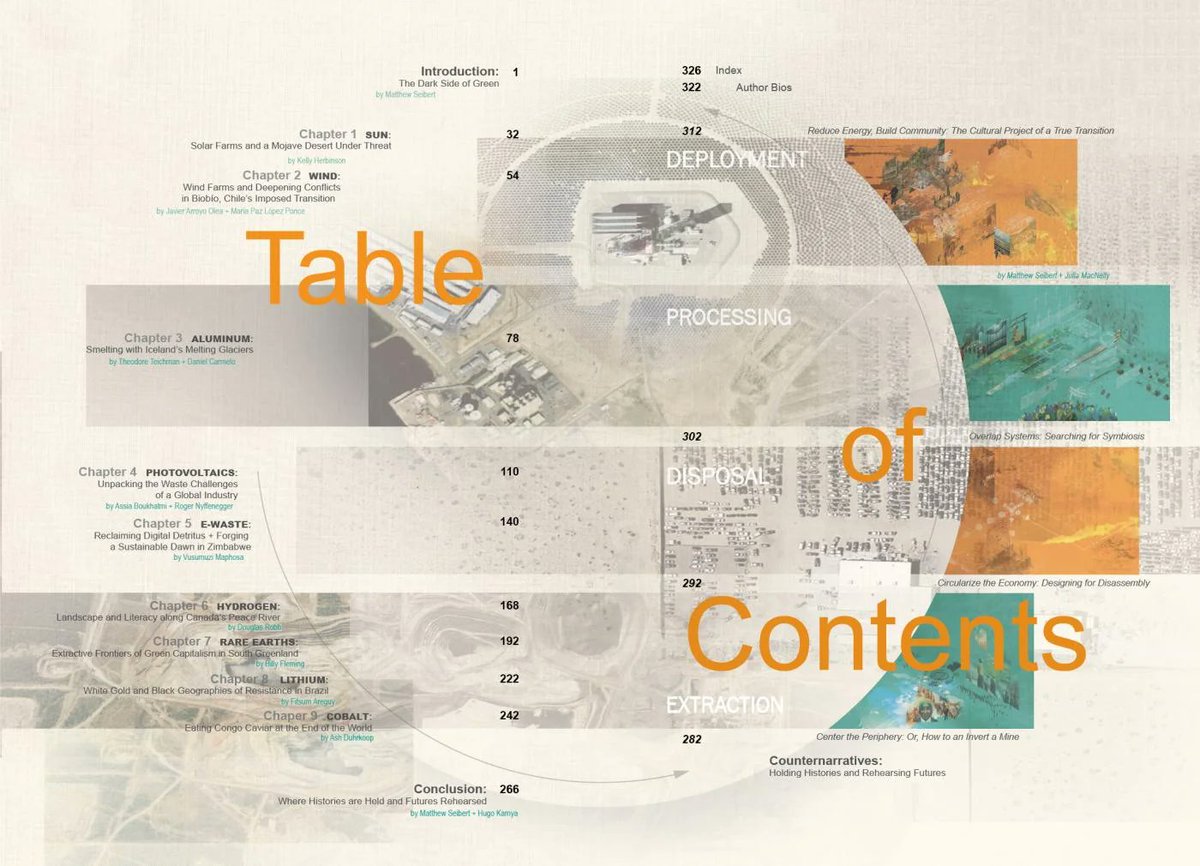
What does a “green” energy transition look like on the ground—and who and what does it depend on? In Atlas of Green Energy Transitions: Power, Conflict, and Possibilities, editor Matthew Seibert brings together scholars, artists, and activists to examine the landscapes, materials, and communities entangled in the infrastructures of renewable energy.
Read More: https://t.co/ZxSLQcSNKb
Scientists from UVA and NASA invite the public to help monitor plant health around the world - Story by Sandy Hausman featuring Manuel Lerdau
Link - https://t.co/mrrXJ4knNy
Photo Credit: NASA
Behind the long-term climate projections that affect our lives sits one of the most remarkable scientific achievements of the modern era: climate models that run on supercomputers. Here's what to know:
https://t.co/DGicXWpZ7k
A new study by a team at UVA highlights how solar energy could bring real economic and community benefits to Appalachian Virginia. When implemented strategically with community input, these systems could provide local revenue and support job creation.
https://t.co/vC8z8XfcQR
UVA Today published an article on the Institute's fabulous intern, Elisabeth Doty. Using maps and graphs, Doty tells data-driven stories about environmental change. https://t.co/vkKwakrzvq
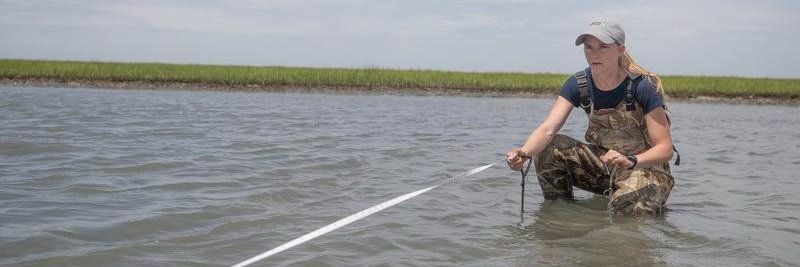
Working on the Eastern Shore of Virginia, UVA scientists have improved understanding of how changes in rainfall patterns and sea-level rise may reshape freshwater availability in vulnerable coastal communities.
Read more -
https://t.co/pmJIAeyuwK
Environmental Institute Practitioner Fellow Chris Mooney co-authored a story with UVA student Elisabeth Doty looking at the data around sea level rise. Seas are rising, and even more so in the worst season for flooding in the Mid-Atlantic.
https://t.co/qZ3eePV9PZ
New research from a team including Institute Climate Fellow Ekimova finds that common infrastructure and land use may be accelerating thaw and destabilization of near-surface permafrost much more than previously understood.
More at:
https://t.co/SQZLmmtLqp