From claps 👏 to BOOS 🤬 in less than 10 seconds…
Our own @georgeintraffic stands up to motorists in favour of a street experiment in Mississauga.
How can older residents who claim to support safety and freedom for children oppose traffic calming measures around a public park?
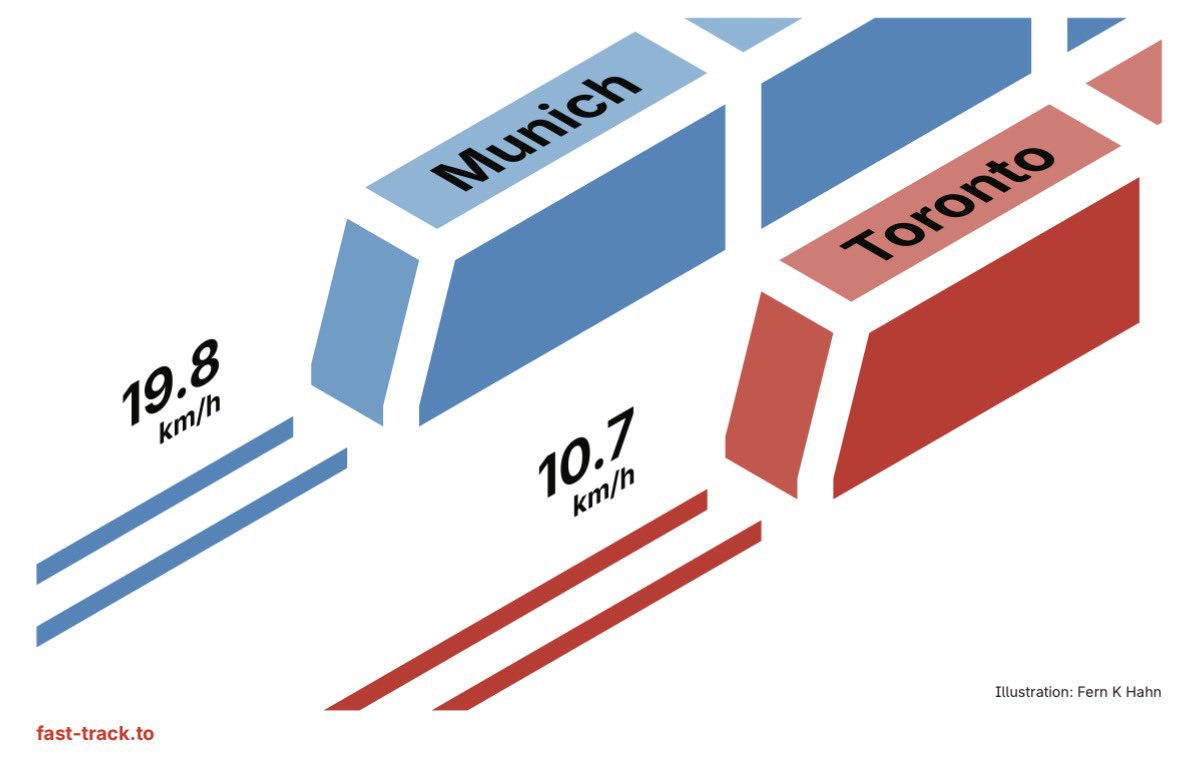
Toronto’s streetcars are the SLOWEST in the world. But they don’t have to be - tram systems around the world provide far faster and more reliable service.
10 low-cost fixes, when implemented together, can launch Toronto closer to global best practice.
Read our plan below!
FastTrackTO is launching and releasing our 10 point plan to fix the Toronto Streetcar network. A symbol of the city that could be great with achievable, common sense and low cost changes. The plan if implemented would transform the city.
https://t.co/9RpJtWQwtM
(1/2)
Toronto has some of the slowest tram services on earth. Trams are not inherently slow but Toronto has archaic operational practices, out of date service and track design paradigms, as well as a general lack of care for them. Below are ideas on how Toronto can start fixing them:
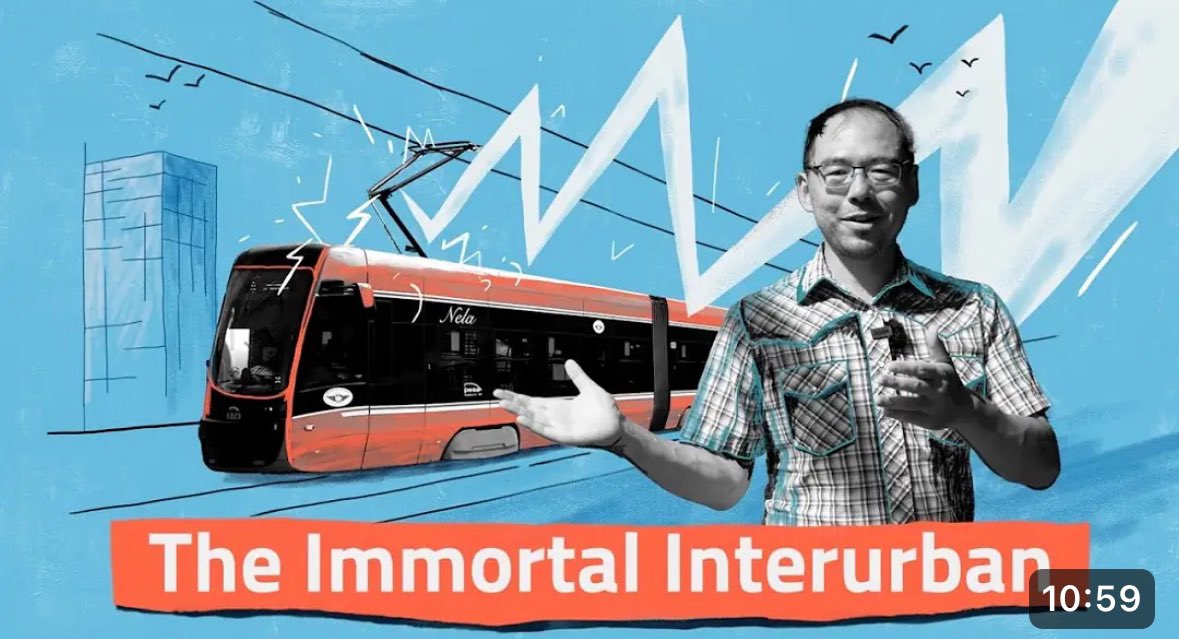
The interurban played a key role in developing the industrialised city.
But over time, many interurban networks modernized or vanished—replaced by buses and overtaken by the private car. 🚗
Except in Katowice…🇵🇱
Production: @jedwinmok@EITUrbanMob
▶️https://t.co/pGpYBuNADA
I talk alot about the survival of interurbans in Japan, however Europe also had a number of systems that survived the sands of time. The below video talks about one of the largest legacy interurban systems in Europe, it's past, present and future.
https://t.co/wq5aPu4cvI
Canadian cities are in an infrastructure deficit - how do we pay for it?
We are pleased to be at @CANURB & @UofTCities State of Canada’s Cities conference, where Creative Director @jedwinmok will be joining a panel on infrastructure funding.
Learn more: https://t.co/S9RHWrrYTe
“Medellin used to be the most dangerous city in the world… now it’s become a global player of innovation in transport infrastructure.”
- Prof. @CadenaGaitan on Medellin’s remarkable transformation - driven by its integrated transport network.
https://t.co/A3uLBZbsUk
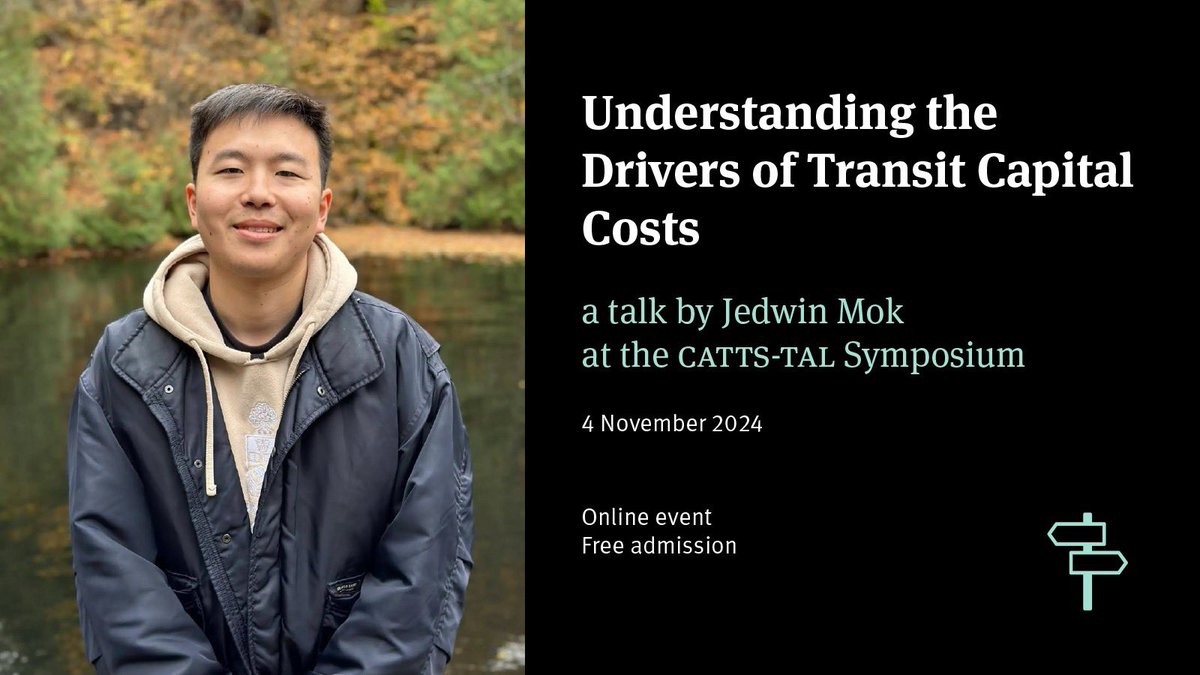
How can transit projects be built more efficiently?
Creative Director @jedwinmok will be presenting on transit costs and project delivery alongside researchers and industry experts at the CATTS-TAL symposium @UofT.
TOMORROW, November 4th!
Sign up here ➡️ https://t.co/mpH21HYYOe
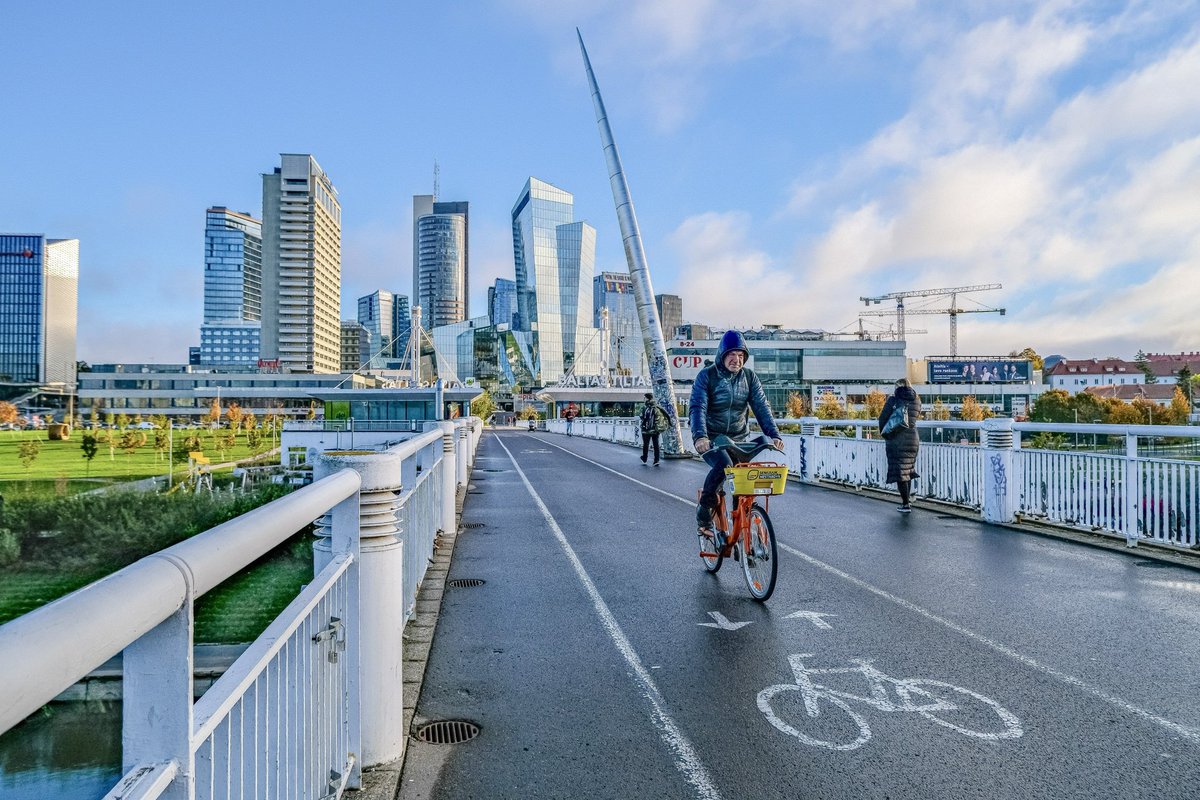
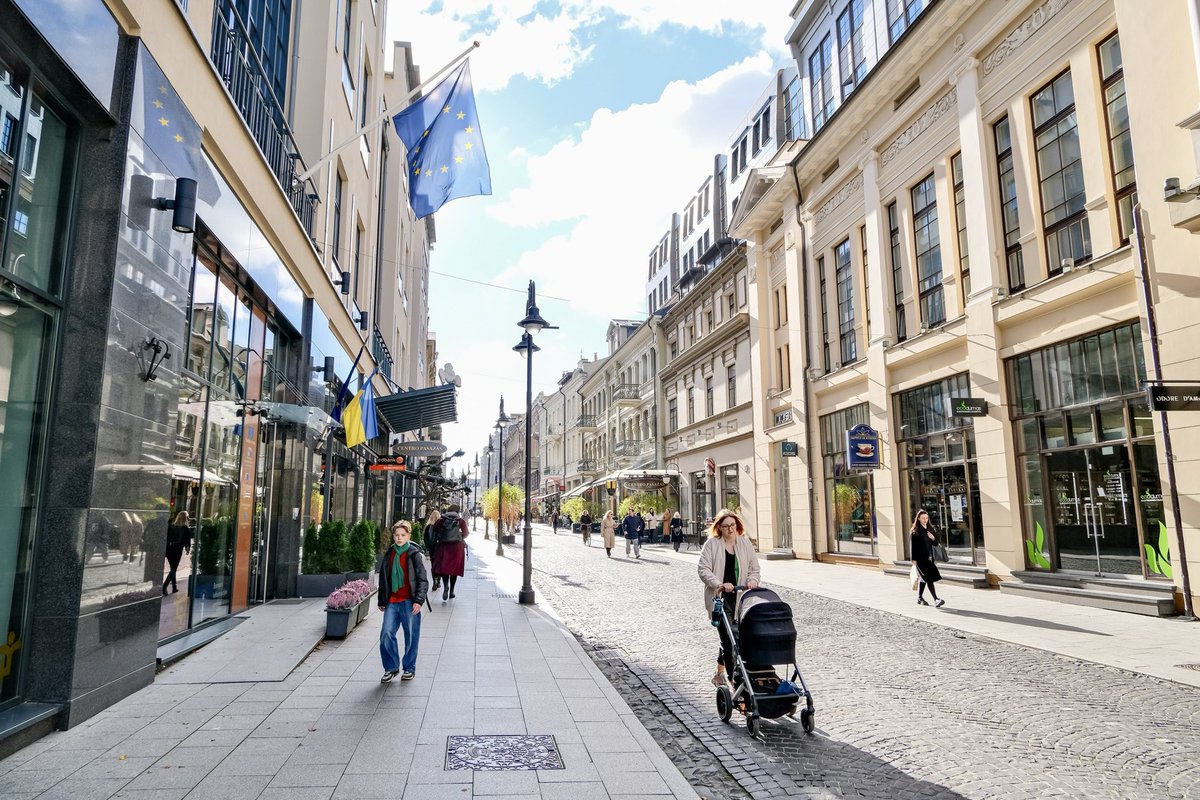
Despite its harsh winter climate, the Lithuanian capital of Vilnius is aiming to become an “Amsterdam of the North”.
Inspired by Dutch cities, it has implemented 164 km of bike paths and a circulation plan—tripling cycling numbers in two political terms.
https://t.co/8DbRsAzXOt
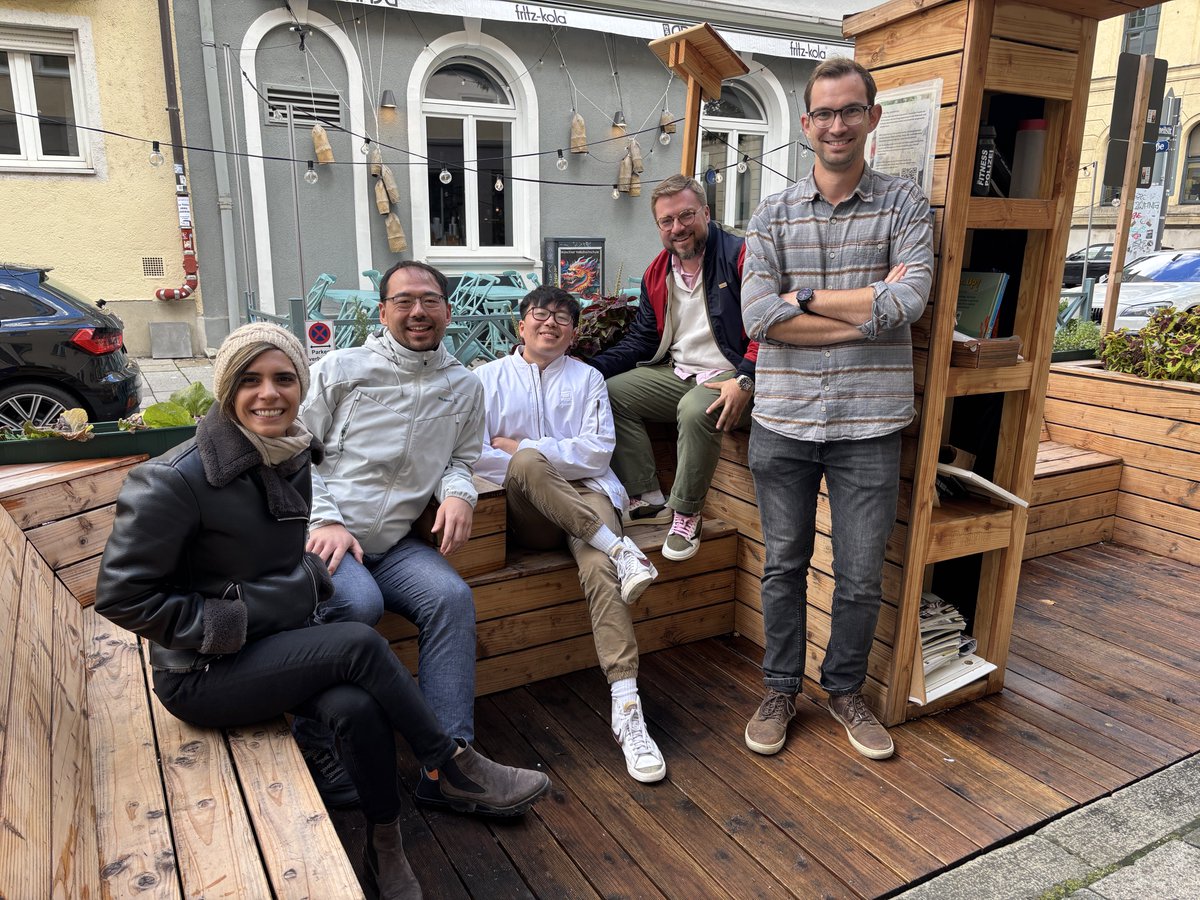
Welcoming guest researcher @jedwinmok from @UofT!
His research focuses on multimodal access in transit networks. More recently, his fellowship thesis used a global lens to analyze disparities in transit infrastructure construction costs.
Looking forward to more collaboration🔥
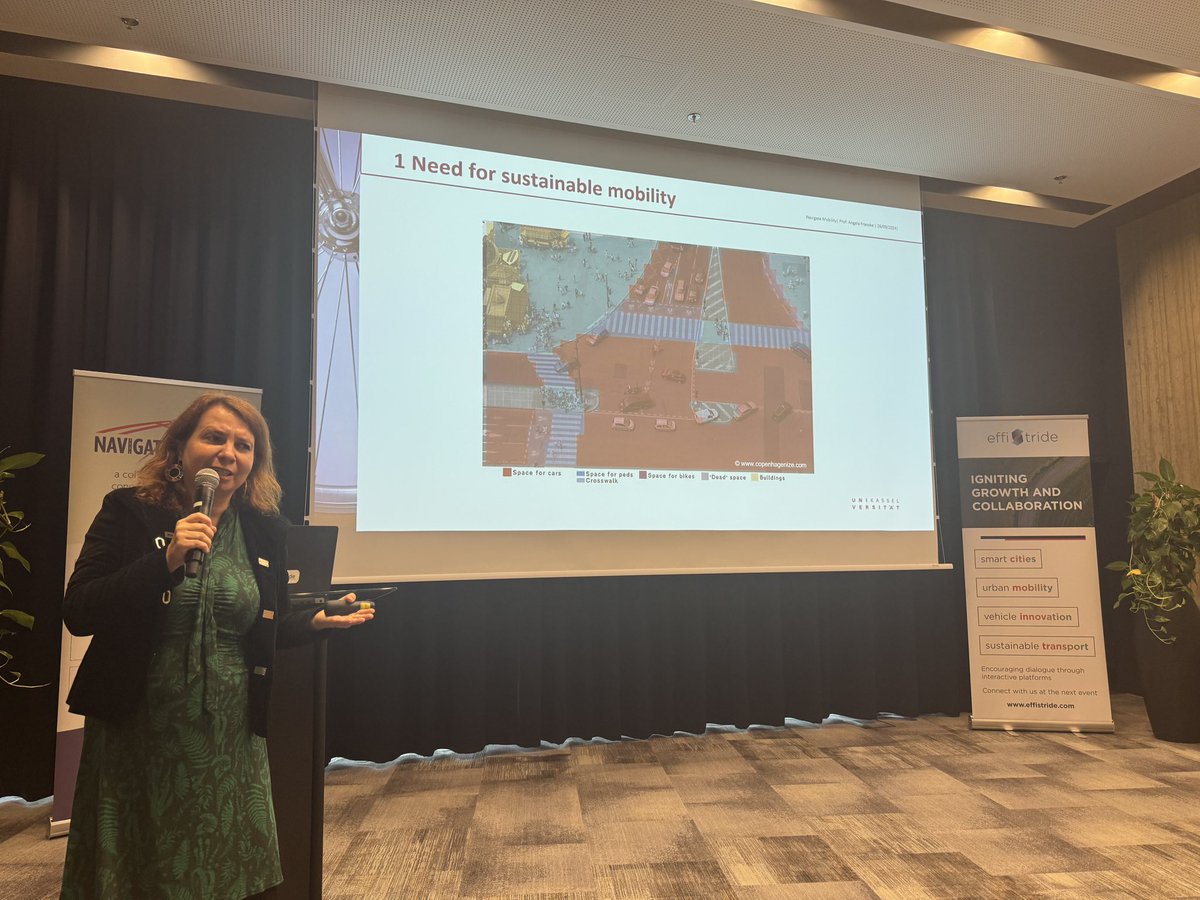
We’re in the beautiful city of Prague for #NavigateMobility
Our Prague video with @EITUrbanMob was featured on the big screen - followed by an excellent presentation about cycling modal shift by Angela Francke from @uni_kassel
Looking forward to more exciting discussions!
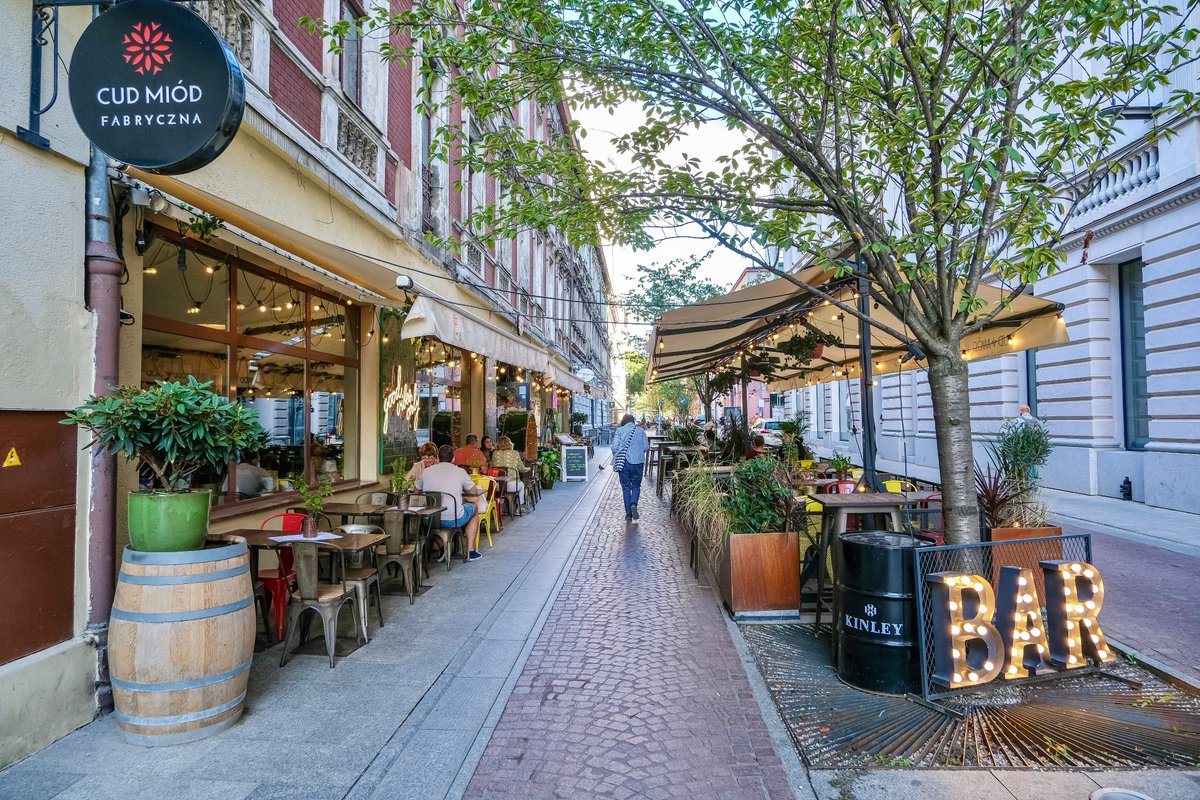
Inspired by the Dutch "living street", Łódź has translated the "woonerf" from a residential to a commercial context.
Privileging pedestrians and calming traffic to 15 km/hr, the name and elements are retained—removing the curb and adding greenery, texture, seating, and lighting.
How is it possible to view fast & frequent suburban railways as a weapon of neoliberal austerity?
I’m becoming increasingly jaded towards the NA planning/geography apparatus - an institution which has repeatedly prioritized aesthetics over material gain. 1/
i want to highlight this video because it disproves *very* common misconceptions about transit planning:
-"you need density first to justify more frequent transit/higher-order transit"
-"everyone needs a train line/rapid transit in walking distance for ppl to use transit"
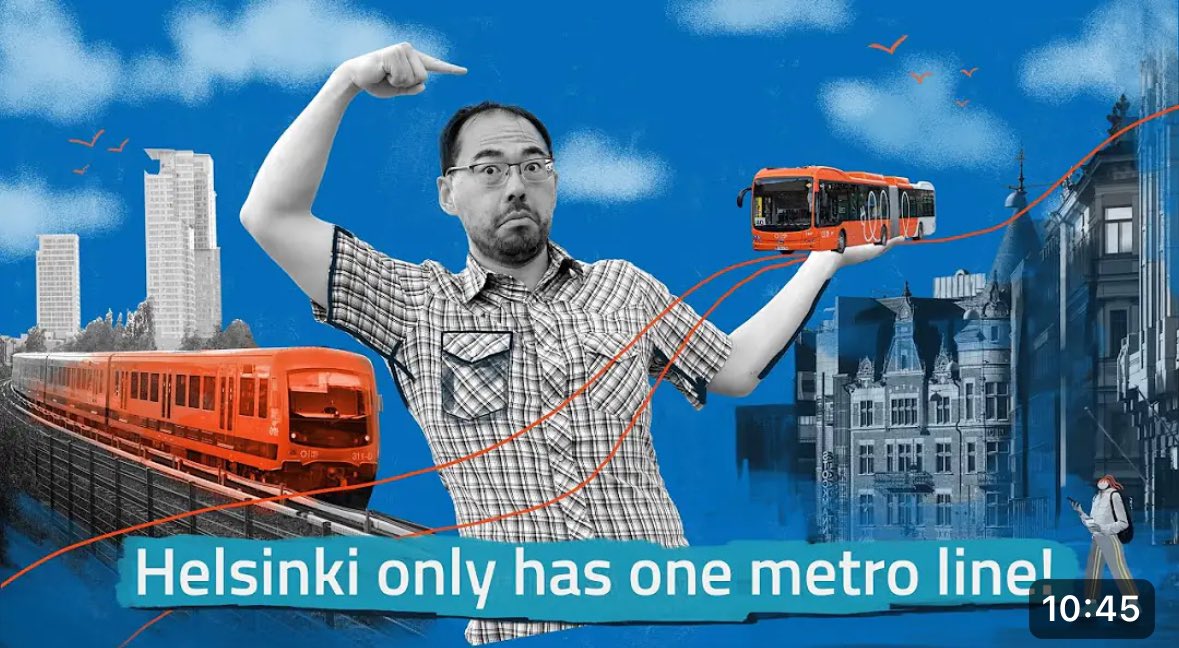
How did #Helsinki make suburban transit work with just one metro line? 🚇
Together with optimised bus routes, the city created a reliable, cohesive system!
▶️ Watch episode 4 of 'Navigating Urban Transit' w/@georgeintraffic, @EnglishRail & @jedwinmok
https://t.co/YyvBrEbIHw
Can transit ever work in car-centric suburbia? YES!
It’s my honor to feature @EnglishRail alongside @georgeintraffic to tell Helsinki’s suburban success story!
Production support: @sanpabloavenue, @EITUrbanMob
Don’t miss best video I’ve ever made:
https://t.co/nzyBZXjqfP
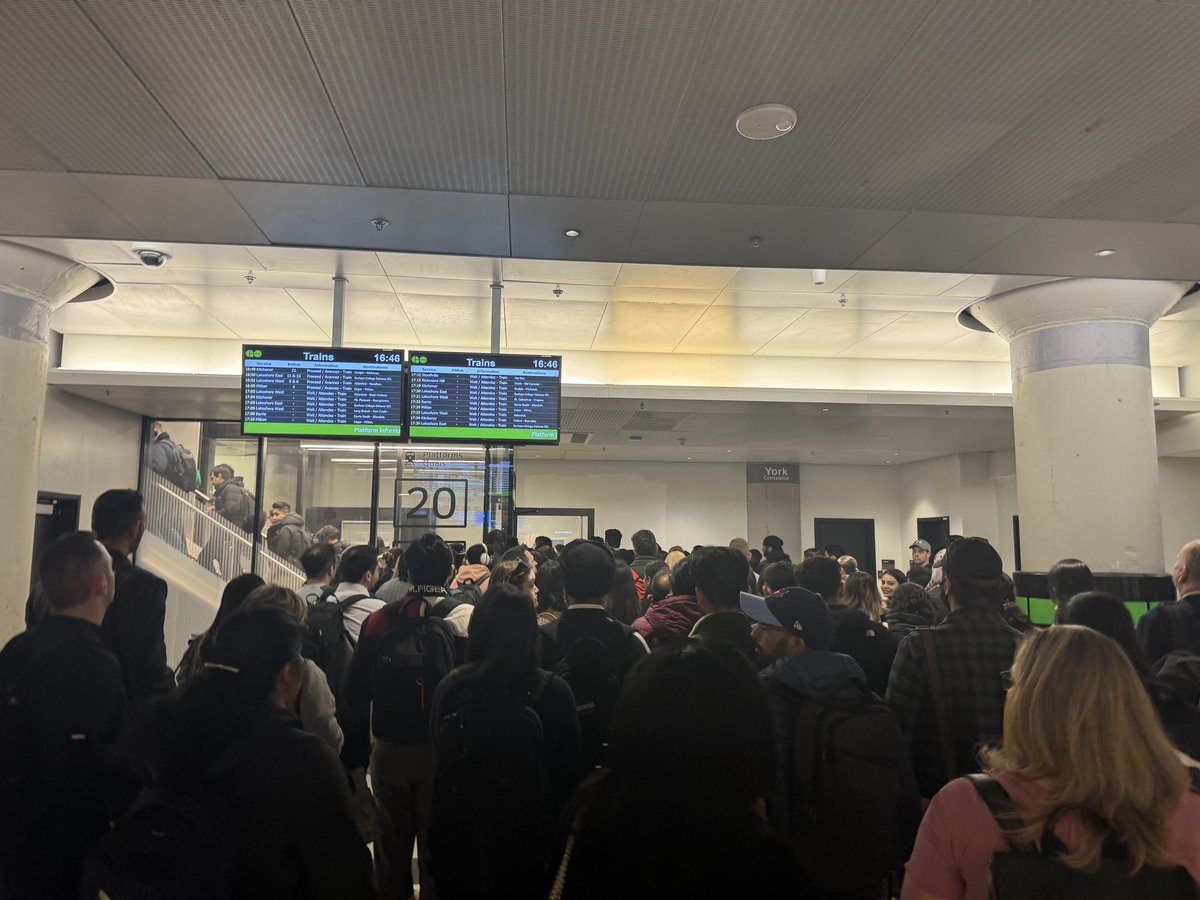
The biggest problem with GO RER is the lack of vertical access at Union Station.
Today’s 4:49 Kitchener train left hundreds of people behind, cramming up a single stairwell.
Toronto desperately needs more downtown GO stations serving ALL lines, like at Spadina and Sherbourne!
All the more reason that having a single downtown station at Union is a very bad idea. There are going to be far more people arriving at Union every hour than can be transported north by the subway and frankly maybe even the Path.