Walking down the average UK high street now is one of the most blackpilling experiences imaginable. Barely any local businesses left, just endless vape shops, tacky nail salons, dodgy phone retailers and the obligatory Turkish barbers, most of which never see a single customer and barely even bother to maintain the pretence of being legit anymore.
A palpable atmosphere of quiet despair and resignation amongst the trickle of shoppers wandering aimlessly around. Its like living in a country that just lost a war without firing a single shot. Never seen anything like it in my lifetime.
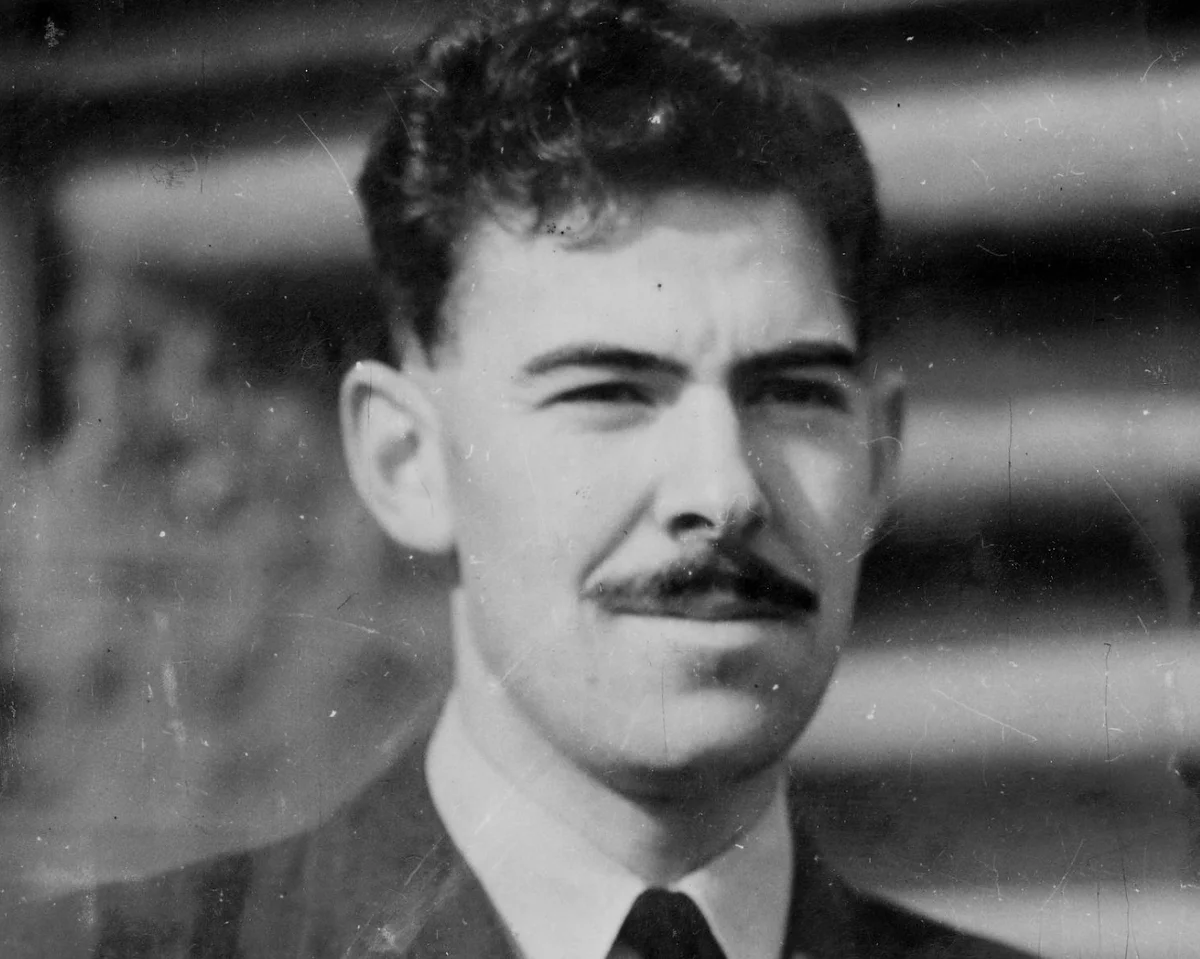
Seventy-two. That is how many separate wounds John Cruickshank had in him, two of them through his lungs, while he lined up a burning flying boat for a second run at a U-boat that had just shot his aircraft to pieces. Most men have one of those wounds and they are finished. He had seventy-two and he pressed the attack.
He was 24, a former bank clerk from Aberdeen, flying a Catalina flying boat out of the Shetland Islands with Coastal Command. The job was the long, freezing, mind-numbing patrol, fourteen hours over the grey Atlantic hunting the U-boats that were strangling Britain. On the 17th of July 1944, far out over empty water, they caught one on the surface, U-361, and Cruickshank took the big slow flying boat down to attack.
The first run failed. The depth charges would not release. Any sane man makes a note and turns for home. Cruickshank swung the aircraft around and came back for a second pass, low and straight, and this time the submarine's gunners were waiting. Flak ripped through the Catalina. It killed the navigator, wounded half the crew, and tore into Cruickshank again and again, those seventy-two wounds, two punching into his lungs, ten into his legs.
And he flew the attack home anyway. Bleeding everywhere, in agony, with the fuselage holed and on fire, he held the aircraft dead level, aimed, and released the depth charges himself. They straddled the U-boat perfectly. It broke apart and sank beneath him.
Then came the part that should have killed him. He collapsed from blood loss, and the wounded co-pilot, who had never landed a Catalina, took the controls for the long flight back. Cruickshank refused the morphine that would have knocked him out, because he knew the man flying needed him. Drifting in and out, he had himself carried back up to the cockpit again and again through the night to help nurse the shot-up aircraft down, and at dawn they got it onto the water safely. He had lost so much blood the doctors said he had no business being alive.
He lived. He took the Victoria Cross from the King, went quietly back to banking after the war, and rarely spoke of it. And he kept on living, and living, and living. John Cruickshank died in 2025 at the age of 105, the last man on earth wearing a Victoria Cross earned in the Second World War. Seventy-two wounds over the Atlantic, and he outlasted every other hero of that war by decades.
British taxpayers are paying for French police to stand there and wave off the illegal migrants. Are they charity workers in the shoreline as well just helping them on their way? These charity groups need to be sanctioned and face prosecution.
This is the result of many bad legacy decisions taken by UKRI hastily and without proper consultation, overseen by a government department that no longer exists. Surely the new @andyburnham government will want to take time to review this.
🚨 NEW: The UK’s largest telescope for studying space is now set to close after the Government pulled its funding
It supported various Apollo missions and tracked Soviet rockets in the Cold War
This is genuinely sad to see.
The Government can find the money to increase foreign aid from 0.2% to 0.7%, while we already send Pakistan £133 million a year.
Yet we can't find a few million to keep Britain's largest space telescope open.
It helped support the Apollo missions, tracked Soviet rockets during the Cold War, and inspired generations of scientists.
Our priorities are completely backwards.