RE Fun Fact Friday #107
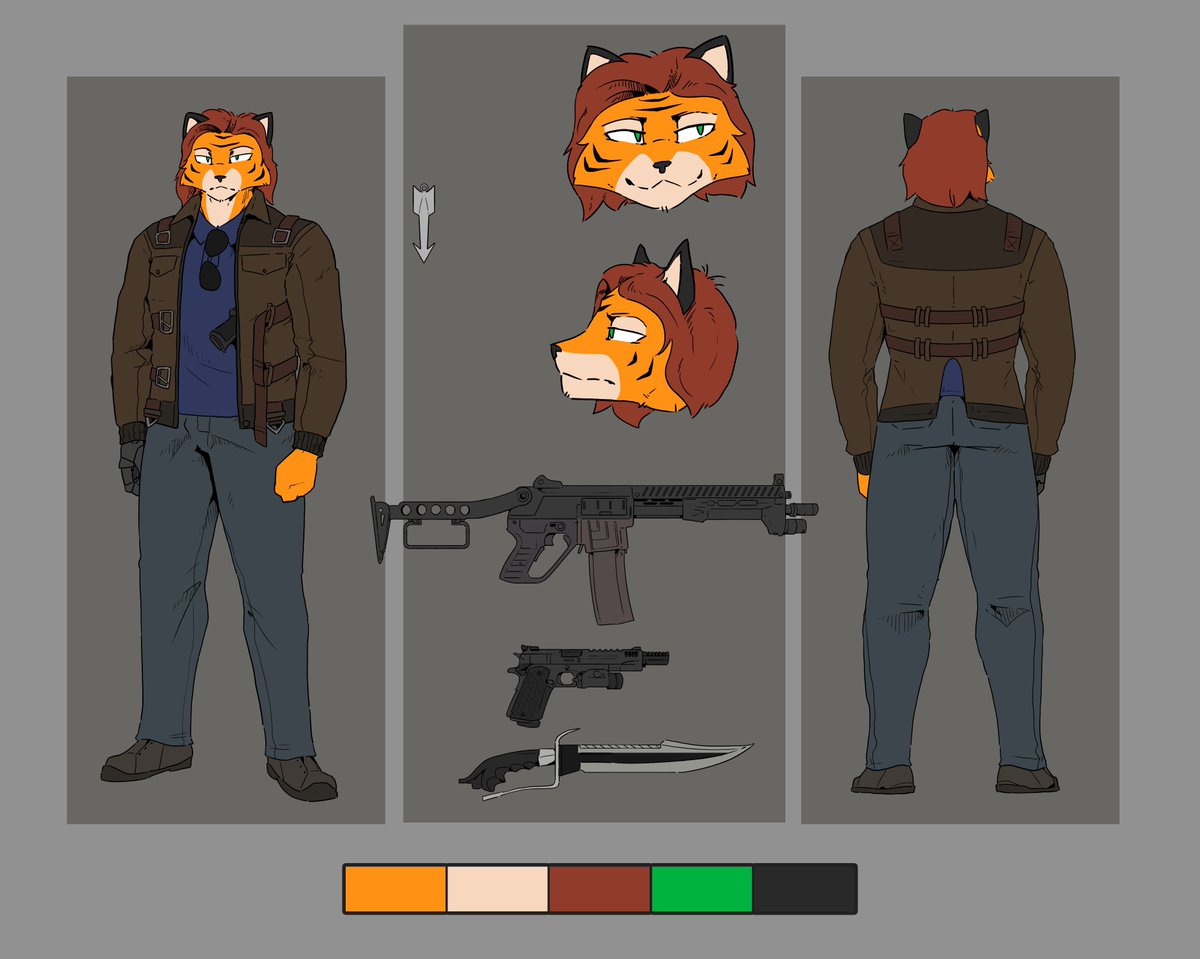
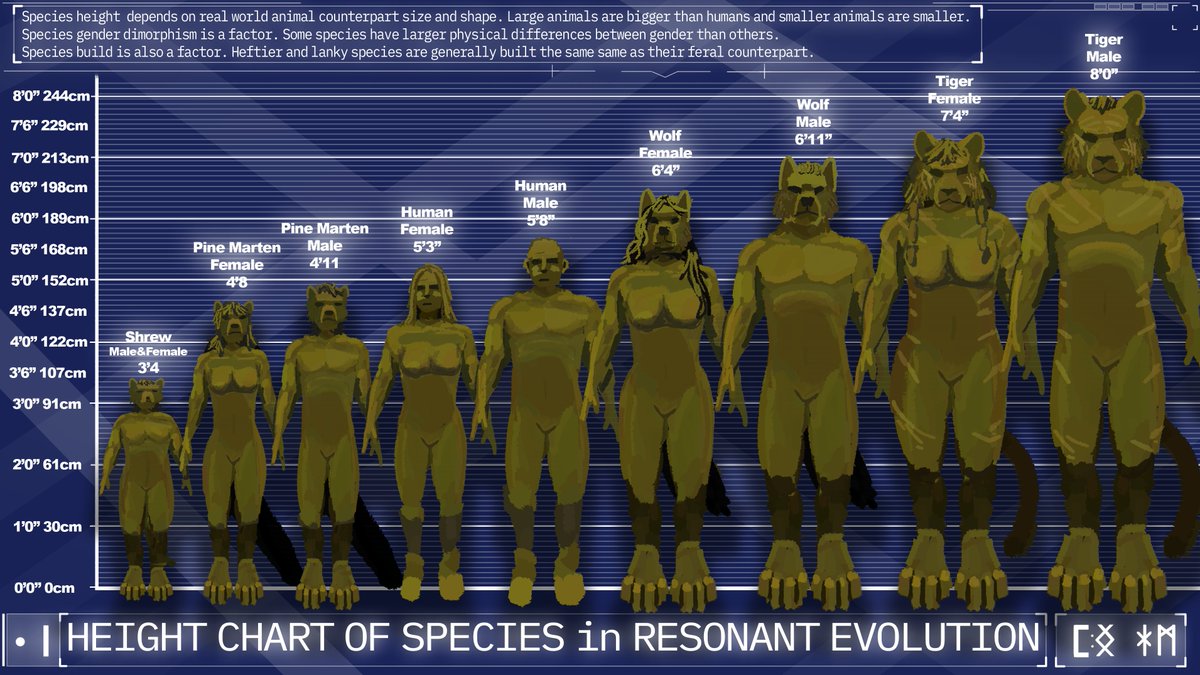
In Resonant Evolution, an anthro species’ height and build depend on their IRL animal counterpart’s size and shape. The smallest anthros can be as small as 3 feet tall and skinny, while the largest can be upwards of 9 or 10 feet. Humans, being the genetic base for all of these species, are the median height of all species in the Orion arm.
Anthros were created by the ancient Ohhoc civilization via genetic engineering. They started with a human base, then spliced animal DNA into key genes. Therefore, anthro species still have a relatively human body plan and vary only in certain, specific ways.
The height is the most obvious one. Larger animals will have similarly sized anthro counterparts, but still adhere to the human body plan. A feral tiger for example is 9 to 11 feet long, but since the human body plan is bipedal it cannot support that length translated into height. So the average male tiger is 8’ tall.
Humans occupy the median average species height. This is also to do with them being the genetic base for all anthros. There are many anthros species in this middle range, their size not having a lot of impact when faced with the human genome base. Humans are the jack of all trades, most adaptable, but also can't handle many extremes.
The shape and build of an animal also plays a part in their anthro counterpart’s physique. Long creatures like many mustelids will have long torsos and smaller limbs. Stout creatures like a beaver or wombax will have wide torsos and short limbs. Endurance hunters like wolves will have a skinny muscular build, while ambush hunters like many big felines will have a bulky muscular build.
Of course these are averages, and within all species there is variation, not all members of a species are the average. There could be a (relatively) tall and muscular rabbit, and a (relatively) round lion.
Smaller than the median height anthro species’ populations greatly outnumber the larger species. This is due to their bodies being much easier to maintain, and need less food to survive. So even though the number of small species don't outnumber the larger species, their respective populations do.
Genetic dimorphism also plays a factor in the height and build of anthro species. Species whose animal counterparts have little or great genetic dimorphism have this aspect translated into their anthro counterparts. This has caused species with different levels of genetic dimorphism to create vastly different societies.
For example the Dry Suns, a faction of spotted hyenas, is a matriarchy due to the females of the species being larger and more aggressive than the males. The other side of this are Eagles of Rotamora, they have very little genetic dimorphism, and thus have little regard for gendered roles in society, anyone can do any job or role.
However, this is somewhat tempered by human genes left over in these species, so some extremes in both directions found in certain species are not as extreme in their anthro counterpart.
All of these aspects were purposefully designed by the Ohhoc, to create a variety of civilizations for them to be the caretaker of. The only problem is that their creations were set loose after the Ohhoc disappeared, and societal differences create animosity.
Wolves (and by extension other related canines) don't always show affection the same way humans do. Most of which is physical. Their physical touch is an extension of their language, every action means a different thing.
This physical affection can range from simple friendly touches, to more intimate gestures. A friend will likely slap you on the back at a funny joke, or aggressively hug you. A lover will lick you to display their gratification, or gently bite you.
There are different kinds of "kissing", each has it's own purpose and meaning. The first "level" of kissing is what we'd describe as licking, the type of licking your dog does to your face when he's happy to see you after you come home from work. Wolves In Resonant Evolution do this to loved ones as a way of saying "I care about you" or as a greeting. This type of kissing isn't necessarily exclusive to romantic partners, but is also common with other close familial relationships, especially parent and child.
Another type of "kissing" is "Jaw-Sparring". This is usually between romantic partners, and is a more playful way to express the same "I love you", "I care about you". Jaw Sparring is considered the "polite" way to kiss your significant other in public, the third way is considered "unseemly". Included in this category are other types of playful bites.
The last type of kissing is what we would consider kissing, lips and tongue. However, canines have less ambulatory lips so there's a bit more focus on the tongue.
Chapter 2 of Resonant Evolution: Rebelsons written by @SiggyWolp is here!
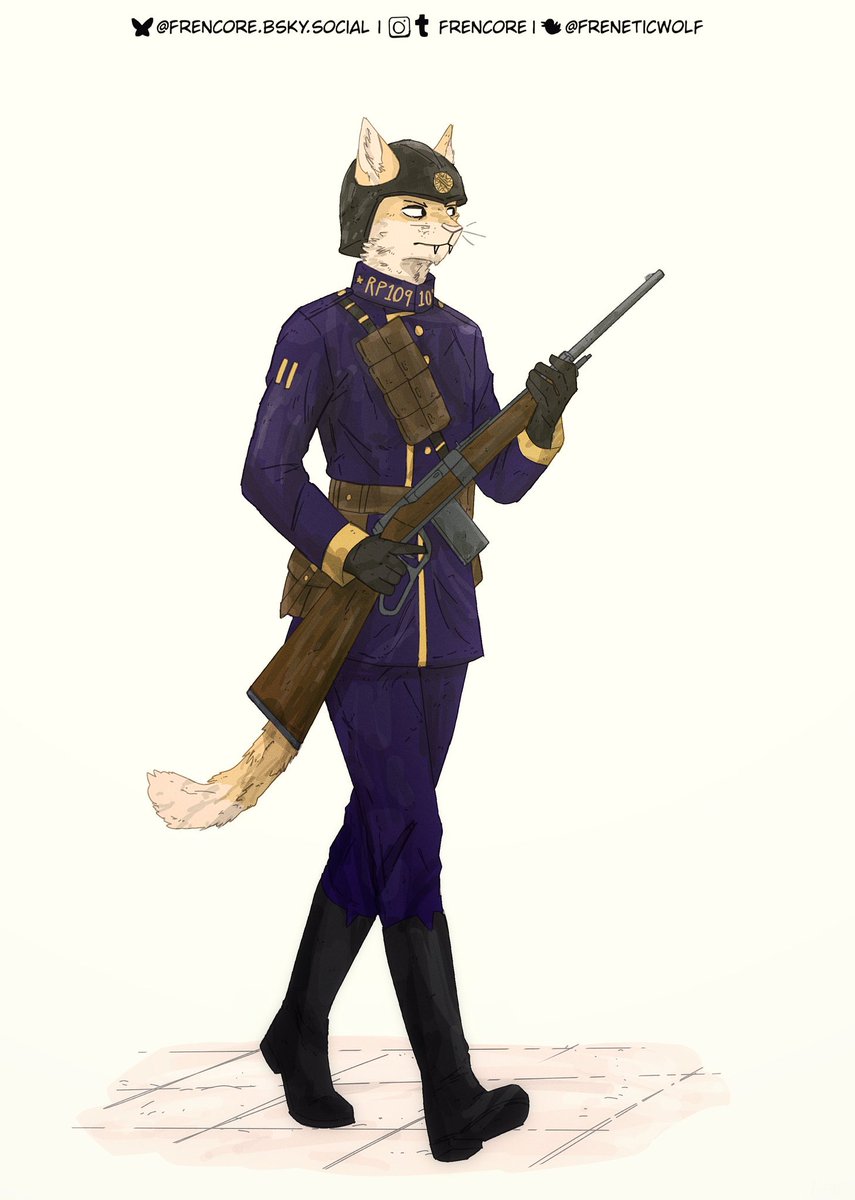
Now Sergeant von Siegfried Alfredsonn responds to an ambush conducted by the FEM onto local sector government forces.
https://t.co/XUUn1sEq16