With portfolios spanning climate, environment, fisheries, industry & a clean and just transition, EU🇪🇺 Commissioners @EU_Commission can play a central role in creating harmony between humans & nature to #DefendTheDeep 🧵
As nations gather at #COP16Columbia, we and @OurOcean call attention to the Central Arctic Ocean.
It's vital for climate regulation & supports Indigenous communities, but the Arctic is warming 4x faster than the rest of the planet.
Take the pledge: https://t.co/yttmKmVRkg
Threats to the deep sea (#BottomTrawling & #DeepSeaMining) continue to grow. After 20 years of commitments, the time for action is now.
@Surangeljr@HelenClarkNZ reflect on the urgent need to protect deep-sea ecosystems & biodiversity.
#DefendTheDeep
https://t.co/iVe5n7vL5A
🚨 EXTENDED DEADLINE! You now have until the 8 October to suggest a name for the new deep-sea coral!
Do you want to be the one who helps name this beautiful species?
Take this opportunity now ➡️ https://t.co/s5WeC9m2wo
@Dr_MTaylor
More discoveries from the deep from @SchmidtOcean including a new seamount and at least 20 new species! All highlighting the need to preserve these vital ecosystems @DeepSeaConserve 💙 Read more on @ABC from @JuliaTheWriter https://t.co/gq95JXkKeQ.
In the dark depths of the ocean, untouched by sunlight, oxygen is being produced.
Photosynthesis is impossible in such darkness, scientists are working to find a source.
Findings suggest the electric charge from polymetalic nodules may separate hydrogen from oxygen in water. 🧵
Groundbreaking new research has found that nodules on the seabed are producing "dark oxygen" which could have implications not just on illustrating the need for a deep-sea mining moratorium, but also on the origins of life on our planet (and others)! https://t.co/n8q1jgXCOj
📣 The wave of resistance against #DeepSeaMining is at an all-time high!
Governments, financial institutions, scientists, companies, Indigenous groups & human rights activists say NO to the destructive industry.
Add your voice to #DefendTheDeep➡️ https://t.co/QSm3tbSzDA
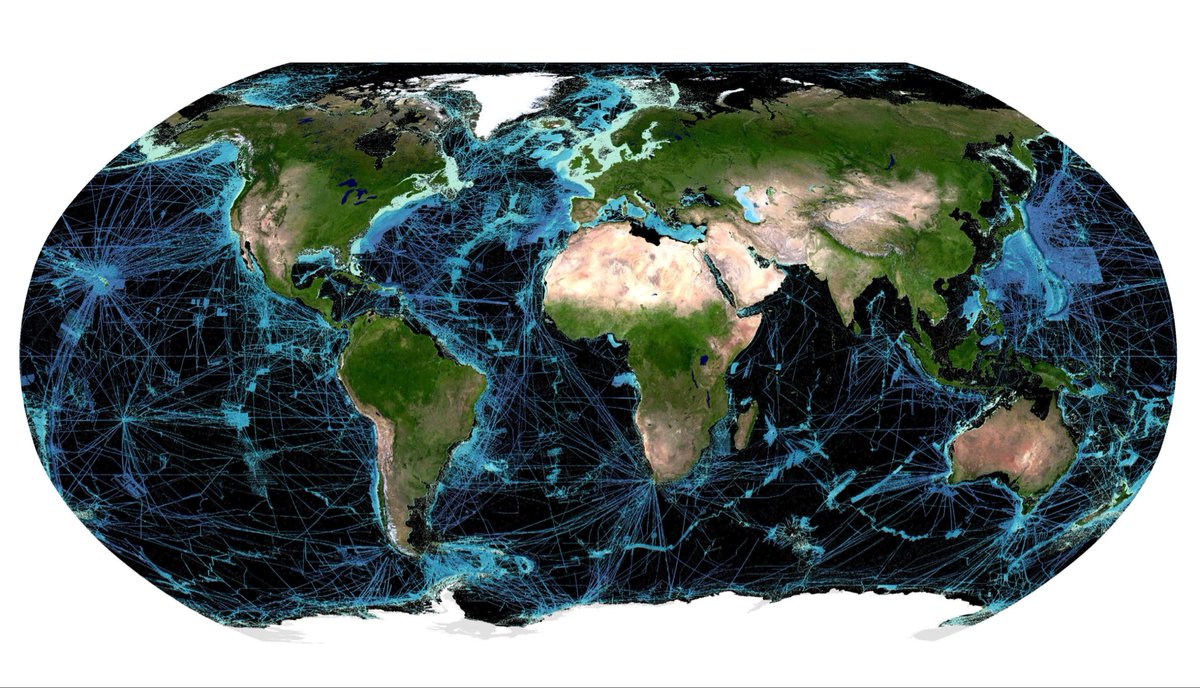
The percentage area of the global ocean floor that has been mapped to modern standards now stands at 26.1%. Just beyond one-quarter. Adding 4.34 million sq km from last year. Mapped areas in blue. Still to be mapped in black. @seabed2030
🎥 It’s arrived! The new online series #BlueHorizons launches today. Ready to go below the ocean’s surface to explore the mysteries of its deep dark depths?
The series will include a film produced for us by @BBCStoryWorks on the deep wonders. Stay tuned! https://t.co/oSsnQB5L8R
New study finds that managing overfishing is among the most effective strategies to mitigate climate change 🐟 Read more from the study in @CarbonPulse@OceanIPSO https://t.co/tydzsNV01Y
This week, delegates meet at #CAOFA, attending as an observer for the first time.
CAOFA can safeguard one of the last great remaining wildernesses on our blue planet.
🐟 Find out more about CAOFA and why it’s so important, via @WWF_Arctic. #DefendTheDeep https://t.co/fPzUXZHVeh
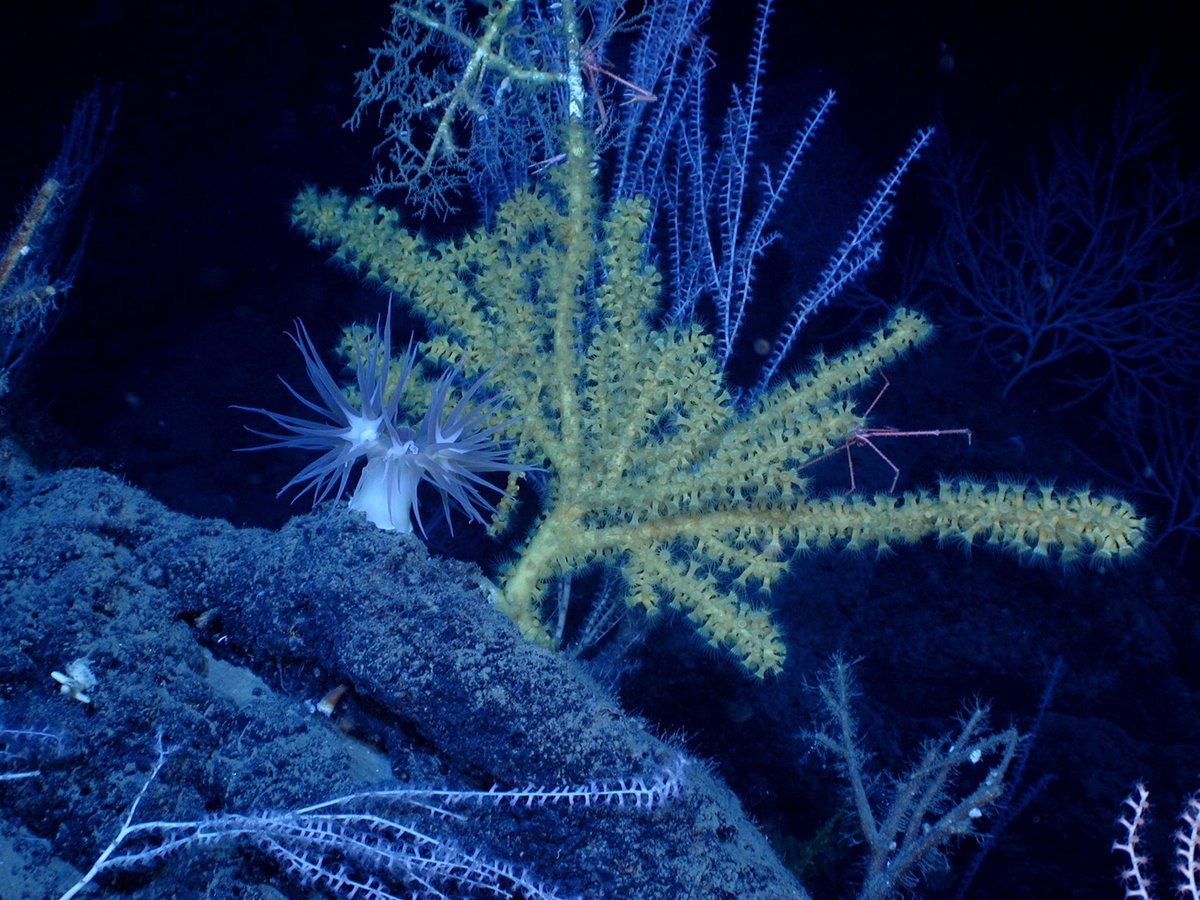
🪸 This #WorldOceanDay we give you the opportunity to name a new-to-science #DeepSea coral!
This beautiful fan-like coral was discovered on Melville Bank seamount in the Southwest Indian Ocean by @Dr_MTaylor
How would you name it? Send your suggestion
➡️ https://t.co/s5WeC9m2wo
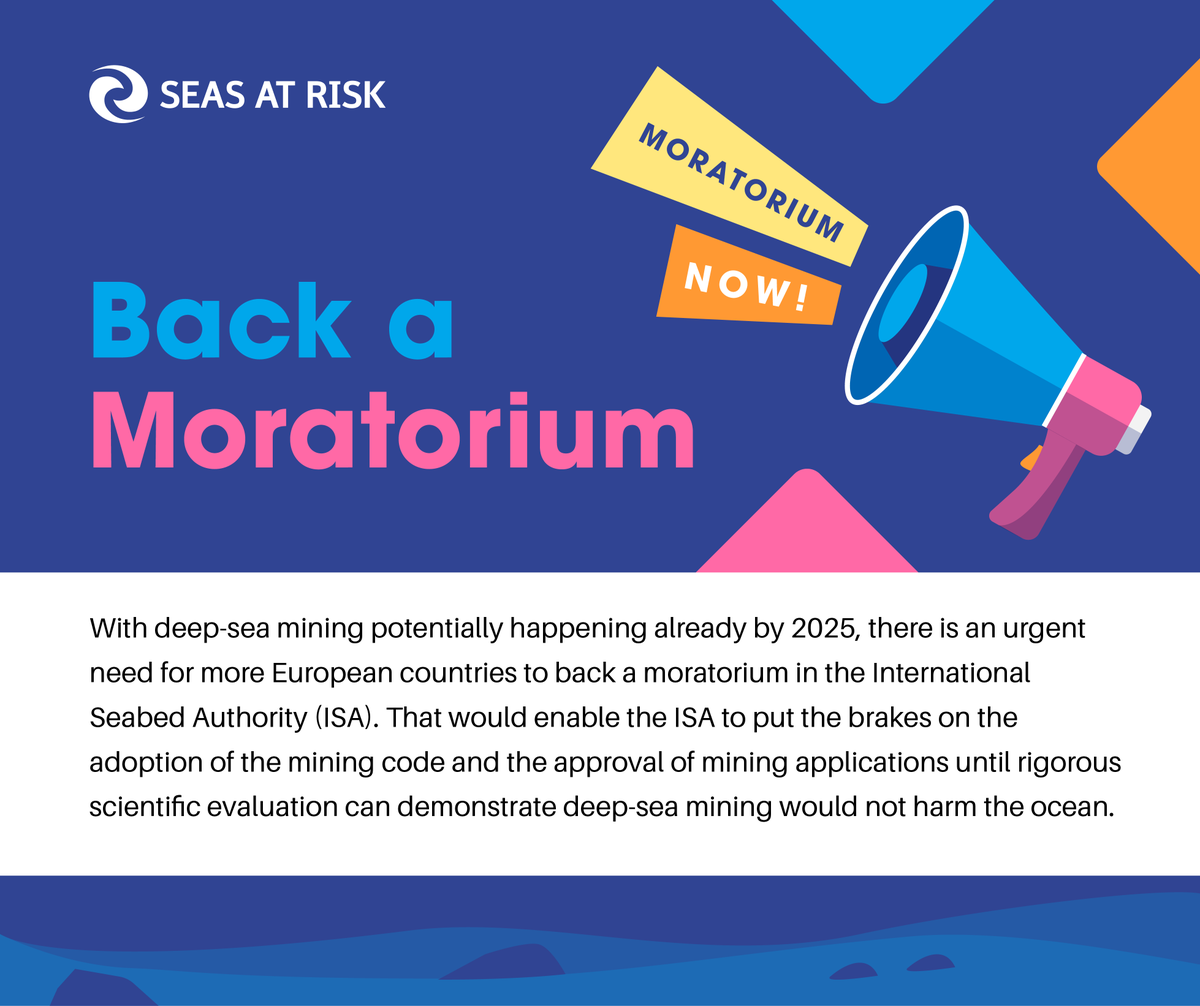
On #DeepDay@SeasAtRisk published a 🆕 report showing the position of 22 European 🇪🇺 countries on #DeepSeaMining.
🔍 Just 3 years ago, not a single country in Europe defended a moratorium, precautionary pause, or ban.
🌊 Time for more to #DefendTheDeep.
https://t.co/PmXUpu3G8v
Our @dpcarrington interviewed hundreds of leading scientists to ask them what they think is happening to the climate. A major project with depressing results but important to know this so we can act. Do read and share
https://t.co/pDKEU4ERIN
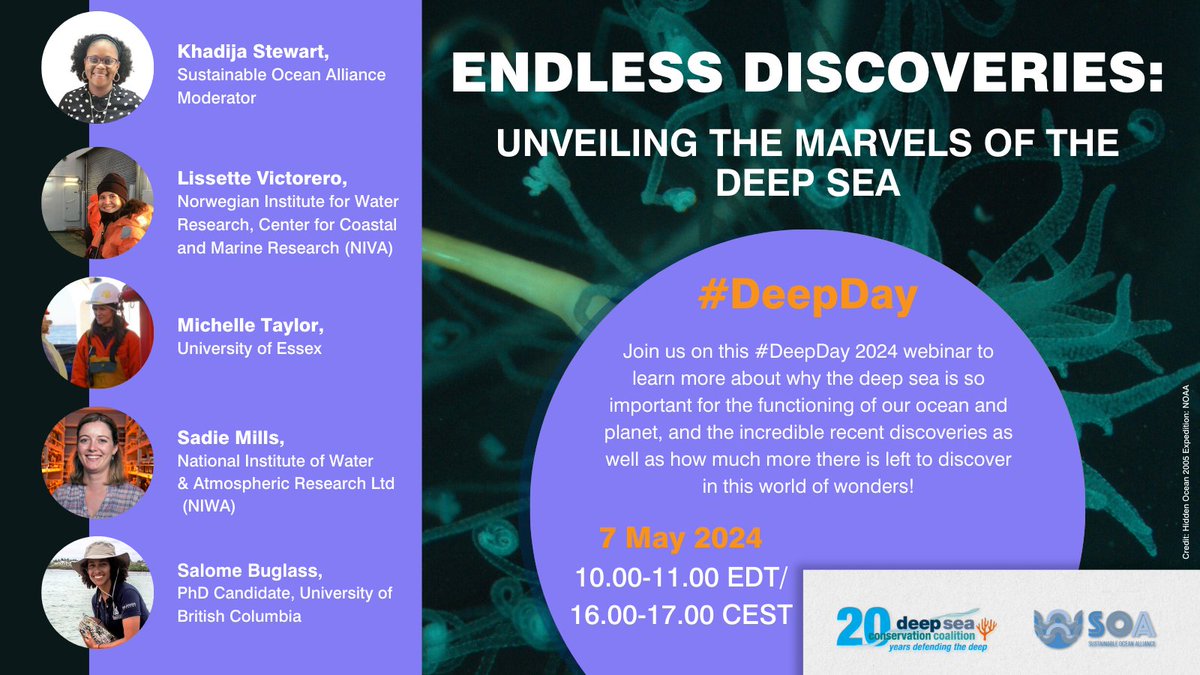
🗓️#DeepDay is coming up! 🐙🎉Join us on May 7 for a webinar to talk about the wonders of the deep and some of the incredible recent discoveries made deep beneath the surface.
Register now 👉https://t.co/UqRUIZKpAn
#DefendTheDeep@Dr_MTaylor @BugSalome @seamounty @niwa_nz
🌊 ⛰️ #DYK that seamounts are critical to the ocean’s wellbeing?
They act as navigational waypoints, foraging locations, and spawning grounds for numerous species including sharks, turtles, seabirds, whales and fish: https://t.co/k1WElAhRpd
Lack of action on #seamount protection from #NPFC earlier this month is a missed opportunity & an abdication of international commitments.
States can #DefendTheDeep by withdrawing their vessels from bottom impact fishing on seamounts. @GianniMatthew
https://t.co/EDZRVAsvTt
In all the bad news this was a little ray of sunshine today - Conservation shown to be slowing biodiversity loss. Action sometimes works! #conservation#marine 🌊 https://t.co/XjShuMk1xe