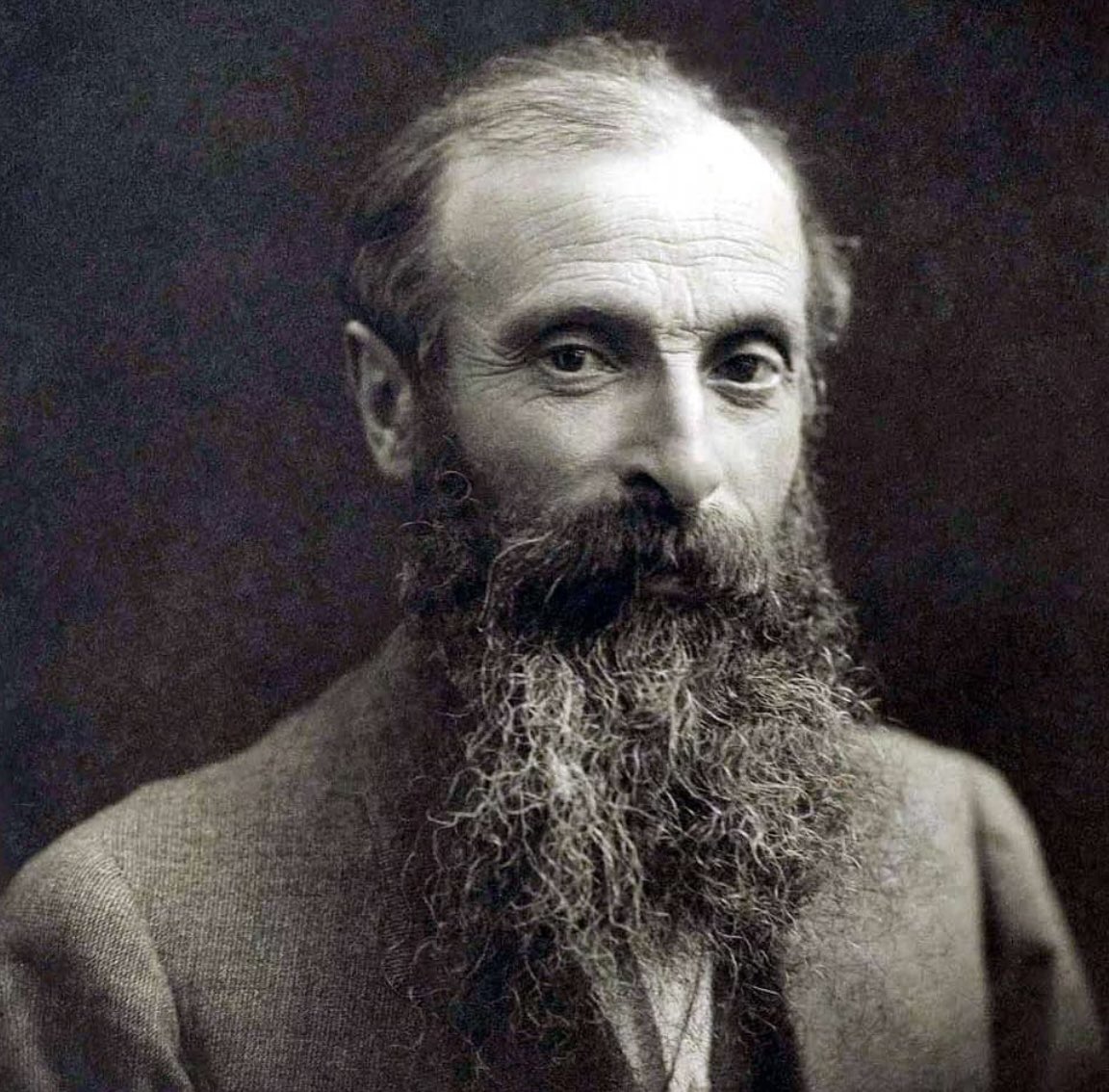
Guerra Junqueiro, born on September 17, 1850, in Freixo de Espada à Cinta, Portugal, was an influential figure in the realms of journalism, literature, and poetry during the late 19th and early 20th centuries. With his sharp wit, biting satire, and unwavering critique of the prevailing social and political climate, Junqueiro played a significant role in shaping the intellectual discourse of his time.
Junqueiro's early life was marked by a deep appreciation for literature and a keen sense of observation, which laid the foundation for his future career as a writer. He pursued his studies in Law at the University of Coimbra, where his passion for poetry and literary expression blossomed. Inspired by the works of renowned Portuguese poets such as Luís de Camões and Antero de Quental, Junqueiro began to develop his unique style, characterized by a combination of romanticism, symbolism, and a fervent social consciousness.
As Portugal approached the dawn of the 20th century, the nation found itself grappling with profound social, economic, and political challenges. The monarchy, closely aligned with the powerful conservative establishment and the Catholic Church, came under increasing scrutiny from progressive intellectuals like Junqueiro. Drawing inspiration from the European literary movements of the time, particularly French naturalism and Russian realism, Junqueiro embarked on a mission to expose and critique the flaws and injustices of Portuguese society.
During the years leading up to the Portuguese Revolution of 1910, Junqueiro's literary output reached its pinnacle. He unleashed a torrent of satirical poems that targeted the pillars of conservatism, romanticism, and the Church. With incisive language and a deft blend of irony and humor, Junqueiro exposed the hypocrisy and backwardness he perceived in these institutions. His poetry tackled themes such as social inequality, political corruption, religious dogma, and the oppressive grip of tradition, striking a chord with the disillusioned masses who yearned for change.
Junqueiro's most renowned work during this period was his collection of poems titled "A Velhice do Padre Eterno" (The Old Age of the Eternal Father). Published in 1885, this scathing critique of the Catholic Church's hierarchy and its role in perpetuating societal injustices became a rallying cry for those seeking progressive reforms. The poems sparked widespread controversy and provoked fierce debates, firmly establishing Junqueiro as a leading voice of dissent in Portuguese intellectual circles.
Beyond his poetic endeavors, Junqueiro also worked as a journalist, contributing articles to newspapers and magazines that further amplified his social and political commentary. His eloquence and fearless commitment to exposing the truth earned him a reputation as an uncompromising critic and a fervent advocate for societal change.
While the Portuguese Revolution of 1910 ultimately led to the downfall of the monarchy and the establishment of the First Portuguese Republic, Junqueiro's contributions to the cause should not be understated. Through his writings, he helped shape public opinion and galvanize the discontented masses, providing intellectual ammunition to those who sought to dismantle the conservative status quo.
Guerra Junqueiro's legacy endures to this day. His works continue to be studied and celebrated for their artistic merit and their role in catalyzing societal transformation. As a staunch advocate for progress, Junqueiro's poems and writings remain a testament to the power of literature to challenge established norms and inspire change in the world.
Estou a vender um bilhete para amanhã, sábado, para o NOS Primavera Sound. Motivo de venda: a pessoa que o comprou deu positivo ao COVID. Por favor contactar por DM quem estiver interessado.
Quem vai da Beira Baixa e entra no Ribatejo e v�� aqueles olivais e amendoais intensivos em sebe, percebe que a água não chega para tudo. Entretanto em Trás-os-Montes rega-se as árvores poça a poça. Dá trabalho dá, mas não se gasta tanta água.