🚀Starting my AWS EC2 Server Deployment & Security Hardening project!
I explored:
AWS Region & Availability Zone
Account Security & MFA
Shared Responsibility Model
Billing & Budget Alert
Key takeaway AWS secures the cloud but customers are responsible for security in the cloud
I've been exploring a bit on cloud security and wanted to move beyond theory into hands-on experience with AWS.
Just started a project: Deploying and Securing an AWS EC2 Linux
The goal is to understand the infrastructure, deployment process, and security decisions involved ��️.
Built an ESP32-based Lighting Monitoring System!
🌙LDR detects ambient light
- Potentiometer adjusts the darkness threshold
- RGB LED switches on automatically
- Live dashboard accessible over Wi-Fi
A little embedded systems + IoT!
Authentication ≠ Authorization.
You logged in successfully.
But that doesn’t mean you can:
Access the admin dashboard
Edit someone else’s data
View resources you don’t own
Authentication = “Who are you?”
Authorization = “What are you allowed to do?”
One thing CTFs are teaching me about security testing:
Finding a vulnerability is just the start.
The real question is: What can an attacker do with it?
What can it access? What can it expose? Can it be chained with another weakness?
Learning to think beyond the bug. 🔐
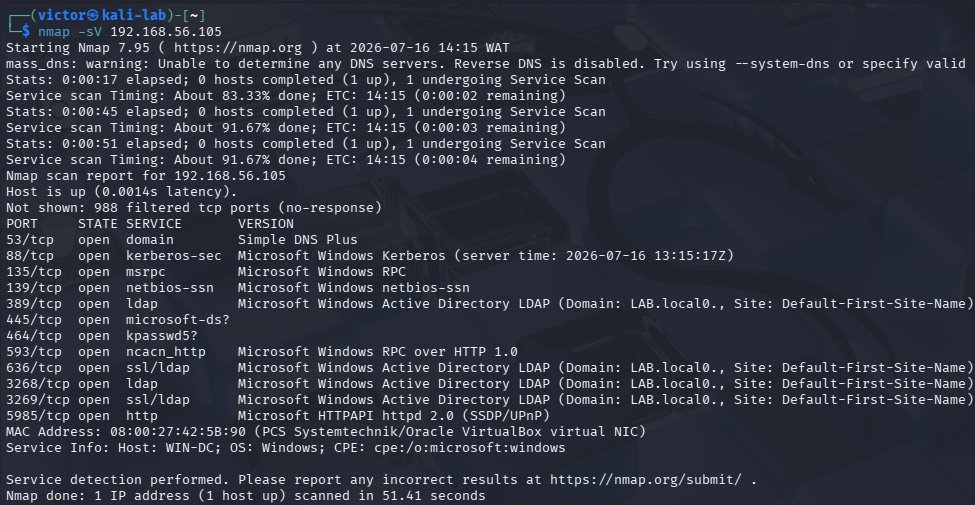
One tool I use often in cybersecurity: Nmap 🔎
It helps discover exposed ports and services on a target.
But running a scan is only the beginning.
The real skill is interpreting the results and knowing what to investigate next.
One important step in finding vulnerabilities: Enumeration 🔎
It’s about understanding the target before making a move.
What ports are open?
What services are running?
What technologies are being used?
The better you understand the target, the better your next move.
Starting the week with a CTF exercise
This one focuses on web security in a controlled lab environment.
The process will be like:
Recon → Enumeration → Initial Access → Credential Discovery → Privilege Escalation
Each step revealed something useful for the next.
I built a little ESP32 home screen dashboard… but it has a secret game mode 🎮
Built with:
• ESP32
• OLED display
• DHT11
• 2 buttons
The default screen shows the date, time, temperature & humidity.
Long-press both buttons → GAME MODE 🎮
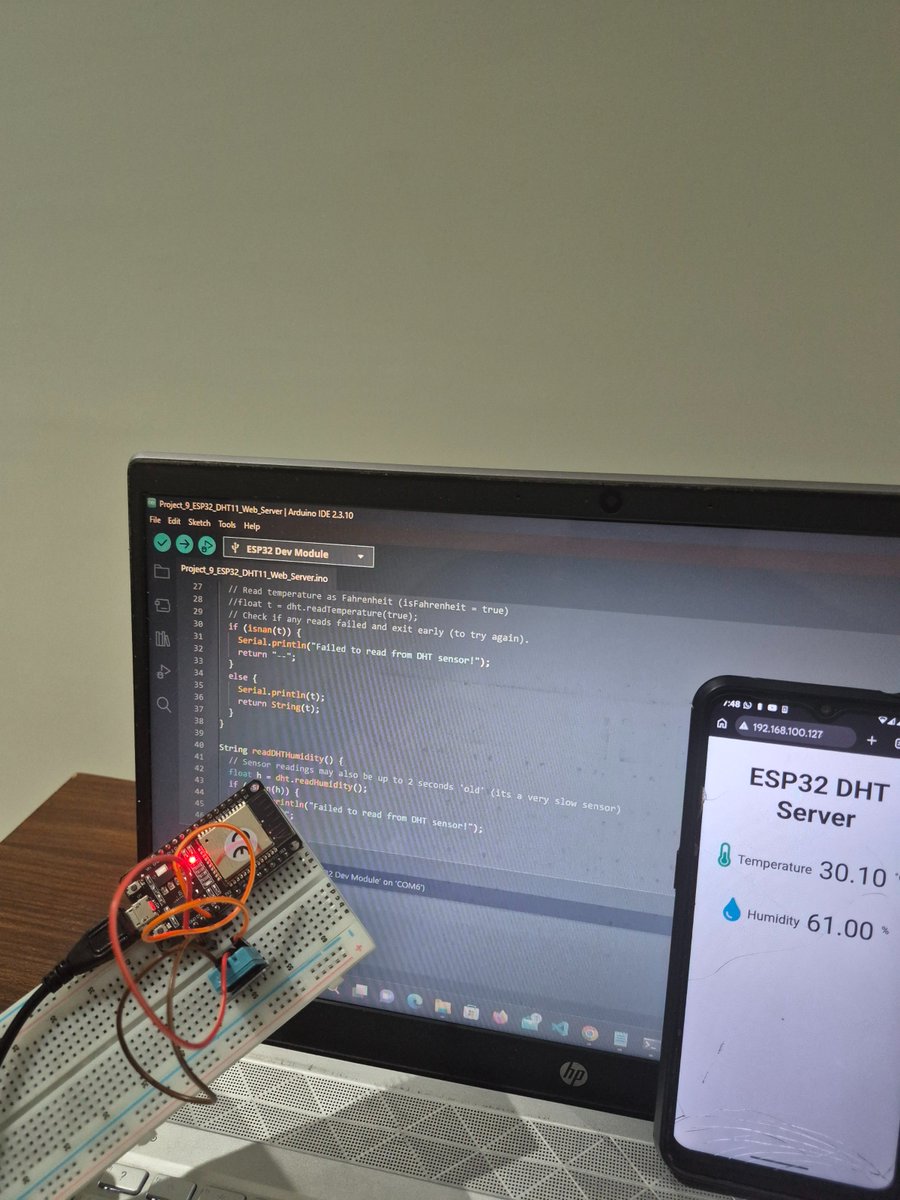
I've been exploring a bit on IOT and microcontroller programming
Built an ESP32 DHT11 Web Server using the Arduino IDE.
It's features:
🌡️ Temperature readings
💧 Humidity readings
🌐 Web-based display
⚡ Asynchronous web server
Been spending some time on Web CTFs lately and it's going great🔥
Started with enumeration, found hidden endpoints, then identified unsafe handling of user input.
A simple SQLi payload (' OR 1=1 -- -) demonstrated an authentication bypass.
Input sanitization is important!!
Been appreciating how convenient Docker makes development lately. 🐳
I used it to spin up a PostgreSQL database with pgvector for vector storage and similarity search.
No lengthy local setup just a containerized environment with everything I needed, ready to go.
Security baselines turn "secure" into something measurable
Frameworks like CIS Benchmarks and DISA STIGs provide specific configuration requirementfor systems
They help defenders harden infrastructure andgive security testers a structured way to identify configurationweaknesses
Understanding configuration reviews
A system can have no known CVEs and still be insecure.
Configuration reviews look beyond vulnerabilities to identify issues with:
• Permissions
• Services
• User accounts
• Policies
• Credential storage
Exploring a bit on privilege escalation and privilege escalation can happen in more ways
Insecure permissions, poorly configured services, and exposed credentials can all create paths to higher privileges.
Secure configuration is just as important as patching vulnerabilities.
Built an ESP32 IoT project to control an LED bulb from a phone with a relay 📱💡
The project covers the ESP32, web interface, and the relay that acts as the switch between the microcontroller and the LED.
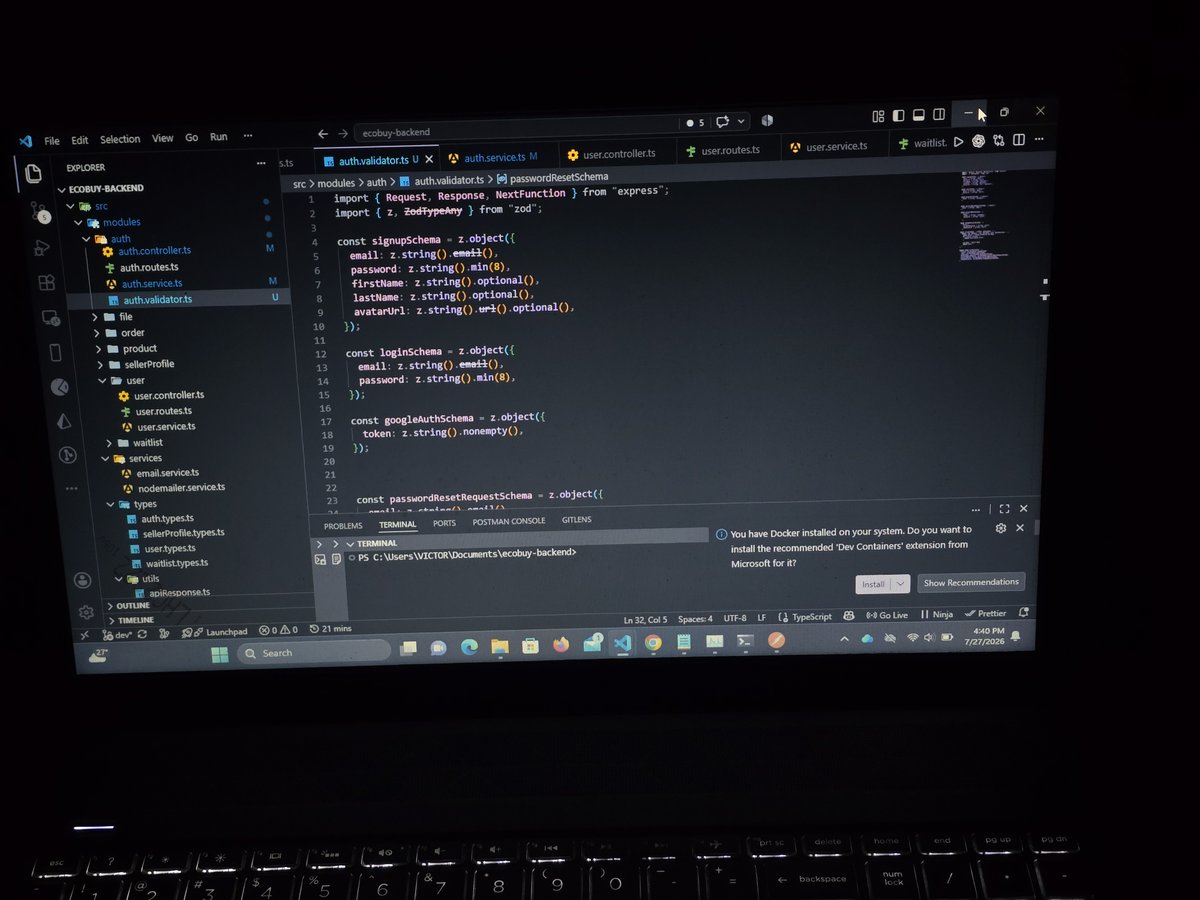
Authentication looks simple:
Enter credentials → log in → done
But behind that
• Access & refresh tokens
• Sessions & expiration
• Logout & revocation
• Cookies
• Authorization
• MFA & password resets
The login form is just the beginning.
That's why auth services exist
Built an RGB LED web server using an ESP32!
The idea is simple: connect the ESP32 to Wi-Fi, host a web interface, and control the RGB LED directly from your phone. 📱
The whole Esp32 project it's really getting interesting at this point.