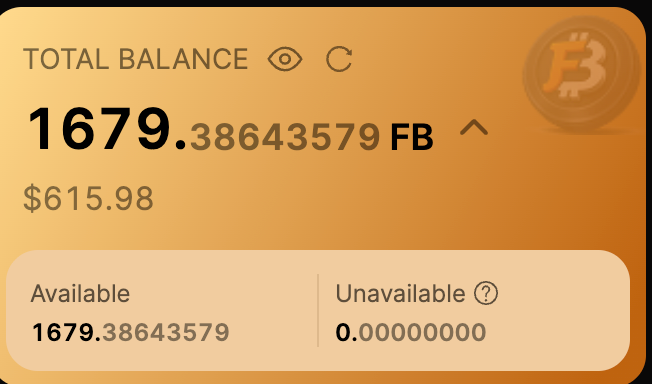
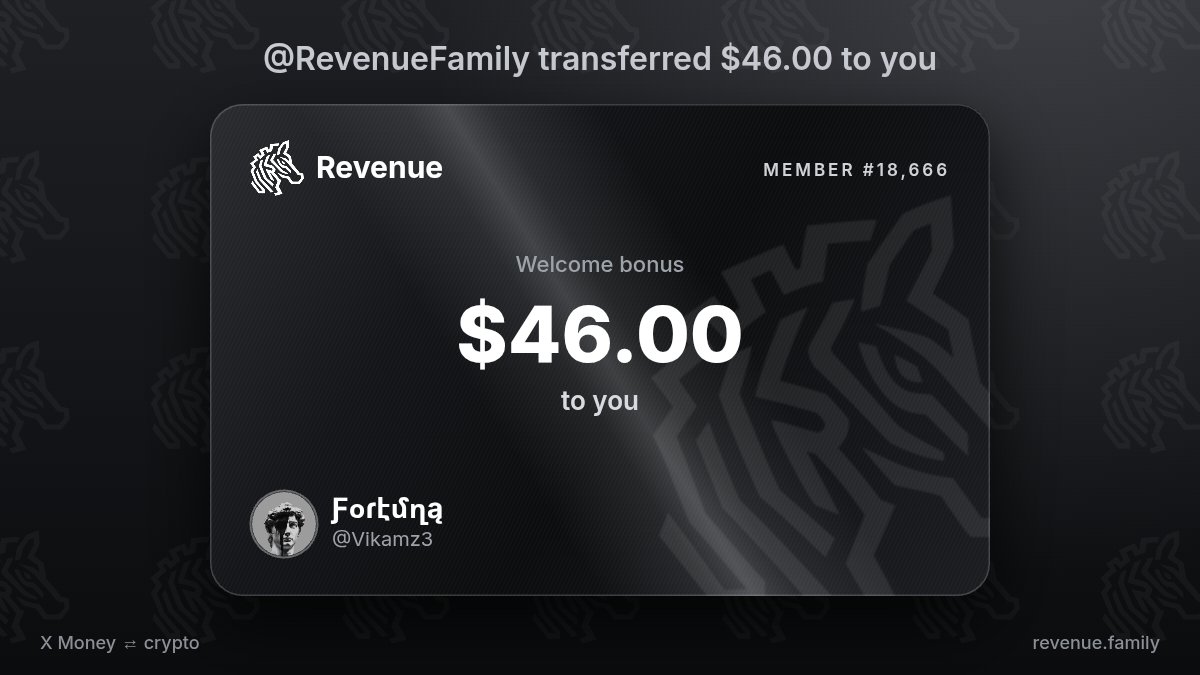
FAMILY, CHECK YOUR PORTFOLIOS 👀
Your welcome bonus is waiting. Check your balance and see when it unlocks.
A little something from us to get you started.
https://t.co/wCWZV0Ia9x
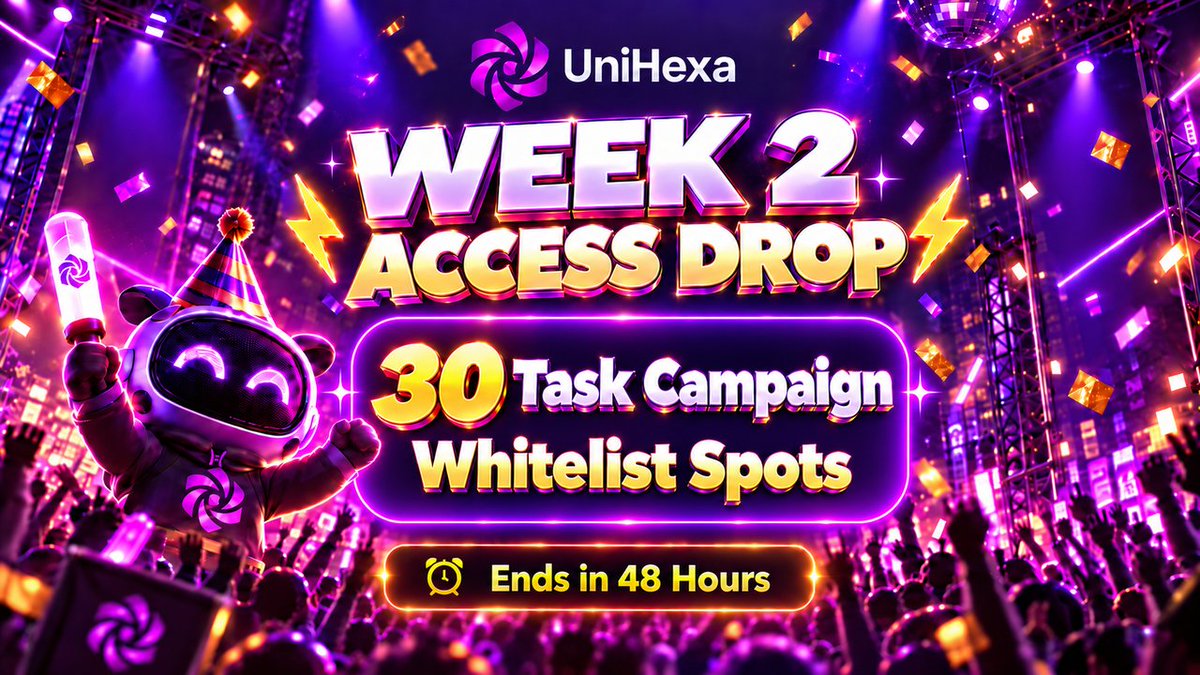
UniHexa Rewards Campaign Week 2 is underway. Need a way in? 👀
🔥 30 Task Campaign Whitelist spots are up for grabs!
To enter:
① Follow @Uni_Hexa
② Like + repost this post
③ Reply with your BTC address
Once received, your whitelist can be used on any one task day during Weeks 2–4 and is valid for one submission only.
⏰ Ends in 48 hours.
The campaign is already moving. Your turn ⚡
🎁 200M solana:6ZnCkq5t8XG4q42b5JiVvU6hV5cZFaNdSBoFq5E7Vf9q — Season 2 Airdrop
🚨 CLAIM OPENS TOMORROW!
solana:6ZnCkq5t8XG4q42b5JiVvU6hV5cZFaNdSBoFq5E7Vf9q Airdrop Season 2 claims open on Sep 30, 00:00 UTC.
Get ready today 👇
1️⃣ Visit the Airdrop page
2️⃣ Complete your KYC in advance
3️⃣ Come back tomorrow to claim your solana:6ZnCkq5t8XG4q42b5JiVvU6hV5cZFaNdSBoFq5E7Vf9q rewards
Get ready now 👇
https://t.co/PRfLKWpBkc
I Got The Bluwhale Community Airdrop! Have you? 🐋
One financial profile. A single clearer view of your money. Hundreds of AI agents that work for you.
Explore Bluwhale and join the community today👇
https://t.co/WWi2ljKbfz
😎
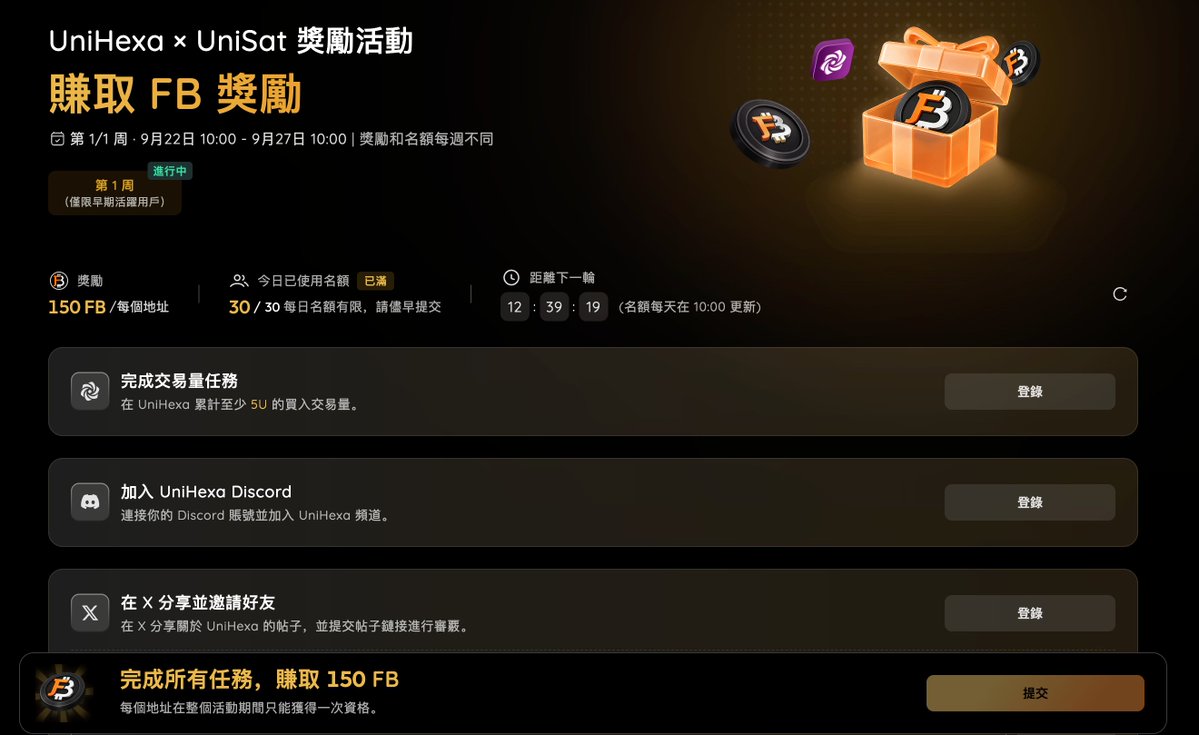
🟣 UniSat × UniHexa Rewards Campaign Week 2 Is Now Live
Week 2 is now open to eligible Task Campaign Whitelist addresses.
Complete the tasks and submit for review.
🔸 120 FB per eligible address
🔸 40 spots available each day.
👉 Campaign: https://t.co/zISGtWhtKB
Want to join but don't have a whitelist spot yet?
Here's another chance — we're giving away 20 Task Campaign Whitelist spots! 👀
To enter:
✅ Follow @unisat_wallet & @Uni_Hexa
🔁 Like & repost this post
💬 Comment with your BTC address
⏳ Ends in 48 hours
Whitelisted addresses can participate during Weeks 2–4. Week 2 is already underway, with daily reward spots available on a first-come, first-served basis.
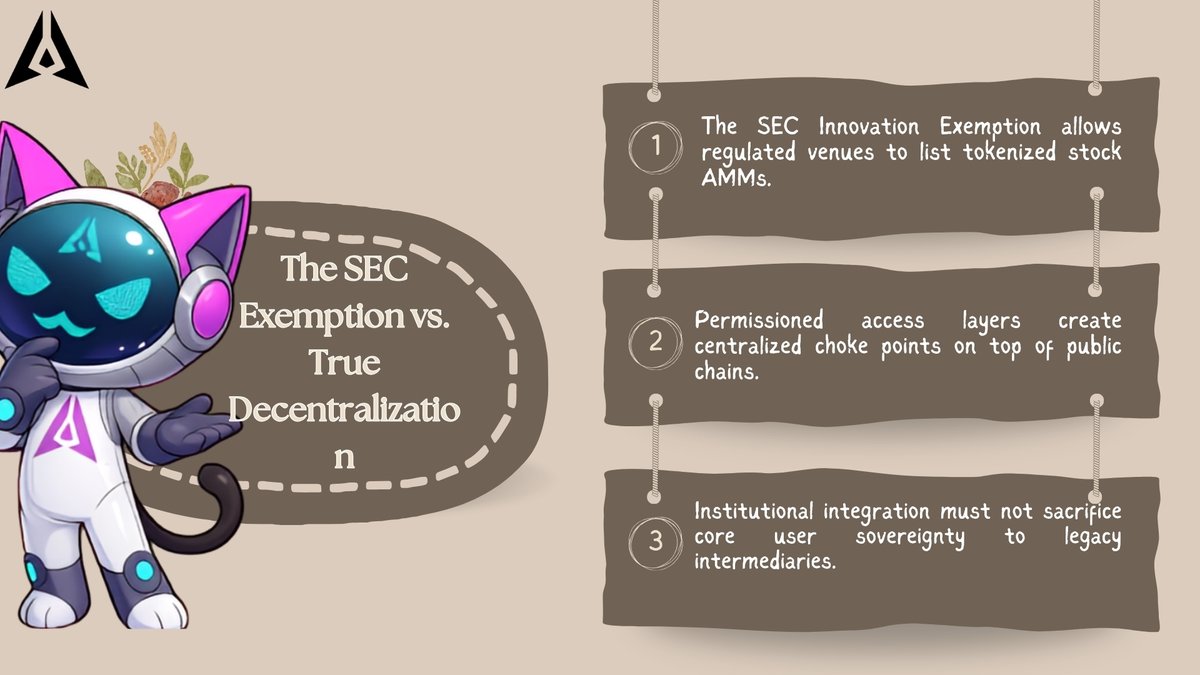
I just read this piece on the SEC's Innovation Exemption, and the argument that stood out to me was pretty simple:
Regulatory progress is good. But we shouldn't celebrate it if it brings the same old gatekeepers back into crypto.
The exemption could make it easier for qualifying venues to offer tokenized stocks through AMMs.
That's progress, but the bigger question is:
Who actually controls the assets and access?
𝐓𝐡𝐞 𝐑𝐞𝐚𝐥 𝐏𝐫𝐞𝐝𝐢𝐜𝐭𝐢𝐨𝐧
@kstellana prediction should not be understood as saying that humans will have no place in crypto.
The deeper point is that humans may no longer be the 𝐩𝐫𝐢𝐦𝐚𝐫𝐲 𝐨𝐩𝐞𝐫𝐚𝐭𝐨𝐫𝐬 of crypto markets.
They may become:
-Strategy designers.
-Risk managers.
-Capital allocators.
-Developers.
-Auditors.
-Governance participants.
-Supervisors of autonomous systems.
The agents will handle the 𝐬𝐩𝐞𝐞𝐝 and 𝐜𝐨𝐦𝐩𝐥𝐞𝐱𝐢𝐭𝐲. Humans will define the 𝐩𝐮𝐫𝐩𝐨𝐬𝐞 and the 𝐥𝐢𝐦𝐢𝐭𝐬.
𝐀 𝐍𝐞𝐰 𝐌𝐚𝐫𝐤𝐞𝐭 𝐒𝐭𝐫𝐮𝐜𝐭𝐮𝐫𝐞
Crypto markets may become less about individual users manually executing trades and more about 𝐧𝐞𝐭𝐰𝐨𝐫𝐤𝐬 𝐨𝐟 𝐚𝐠𝐞𝐧𝐭𝐬 interacting with one another.
Agents could:
-Buy and sell assets.
-Negotiate deals.
-Hire services.
-Manage liquidity.
-Enter contracts.
-Use escrow.
-Resolve disputes.
-Coordinate across different protocols.
That would create a much larger economic system than humans could operate alone.
But this system will need more than wallets and trading platforms. It will need 𝐢𝐝𝐞𝐧𝐭𝐢𝐭𝐲, 𝐫𝐞𝐩𝐮𝐭𝐚𝐭𝐢𝐨𝐧, 𝐩𝐞𝐫𝐦𝐢𝐬𝐬𝐢𝐨𝐧𝐬, 𝐞𝐯𝐢𝐝𝐞𝐧𝐜𝐞, 𝐬𝐞𝐜𝐮𝐫𝐢𝐭𝐲, and 𝐝𝐢𝐬𝐩𝐮𝐭𝐞 𝐫𝐞𝐬𝐨𝐥𝐮𝐭𝐢𝐨𝐧.
Castellana’s five-year prediction is really a prediction about the changing role of people in digital markets. Humans still provide the capital, define the strategy, and set the risk limits. Agents handle the execution.
@GenLayer fits into this future by providing a 𝐭𝐫𝐮𝐬𝐭 and 𝐣𝐮𝐝𝐠𝐞𝐦𝐞𝐧𝐭 layer for situations that cannot 𝐛𝐞 solved by fixed code alone.
The next phase of crypto will not only require faster agents. 𝐈𝐭 𝐰𝐢𝐥𝐥 𝐫𝐞𝐪𝐮𝐢𝐫𝐞 𝐚𝐠𝐞𝐧𝐭𝐬 𝐭𝐡𝐚𝐭 𝐜𝐚𝐧 𝐚𝐜𝐭 𝐫𝐞𝐬𝐩𝐨𝐧𝐬𝐢𝐛𝐥𝐲 𝐰𝐡𝐞𝐧 𝐭𝐡𝐞 𝐫𝐮𝐥𝐞𝐬 𝐚𝐫𝐞 𝐮𝐧𝐜𝐥𝐞𝐚𝐫.
CC
@RuzgarFlns@Aezakmi_x
𝐀𝐠𝐞𝐧𝐭𝐬 𝐧𝐞𝐞𝐝 𝐣𝐮𝐝𝐠𝐦𝐞𝐧𝐭
An agent that controls money cannot operate safely by 𝐭𝐫𝐮𝐬𝐭𝐢𝐧𝐠 every 𝐜𝐨𝐮𝐧𝐭𝐞𝐫𝐩𝐚𝐫𝐭𝐲.
It needs to know whether a task was 𝐜𝐨𝐦𝐩𝐥𝐞𝐭𝐞𝐝, whether the 𝐞𝐯𝐢𝐝𝐞𝐧𝐜𝐞 is 𝐫𝐞𝐥𝐢𝐚𝐛𝐥𝐞, and whether 𝐩𝐚𝐲𝐦𝐞𝐧𝐭 should be 𝐫𝐞𝐥𝐞𝐚𝐬𝐞𝐝.
For example, an agent could place funds into an escrow contract before hiring a service provider. @GenLayer help determine:
-Whether the work was delivered on time.
-Whether the result matches the agreement.
-Whether the evidence supports the claim.
-Whether the service met the required standard.
-Whether the payment should be released or refunded.
This is more than automation. It is automated judgment.That is the layer GenLayer built for the agentic economy.
𝐁𝐨𝐭𝐬 𝐯𝐞𝐫𝐬𝐮𝐬 𝐚𝐠𝐞𝐧𝐭𝐬
There is also a difference between bots and agents.A bot follows a narrow instruction, such as buying an asset when the price reaches a certain level.
An agent can work toward a 𝐛𝐫𝐨𝐚𝐝𝐞𝐫 𝐨𝐛𝐣𝐞𝐜𝐭𝐢𝐯𝐞. It may compare 𝐫𝐨𝐮𝐭𝐞𝐬, 𝐚𝐬𝐬𝐞𝐬𝐬 𝐫𝐢𝐬𝐤𝐬, choose between protocols, and adjust its actions based on changing conditions.
That flexibility makes agents more useful, but it also makes them more dangerous if they are not properly controlled.
An agent must have 𝐜𝐥𝐞𝐚𝐫 𝐩𝐞𝐫𝐦𝐢𝐬𝐬𝐢𝐨𝐧𝐬, 𝐬𝐩𝐞𝐧𝐝𝐢𝐧𝐠 𝐥𝐢𝐦𝐢𝐭𝐬, 𝐫𝐞𝐥𝐢𝐚𝐛𝐥𝐞 𝐝𝐚𝐭𝐚, and a way to respond when the situation is uncertain.
Without those protections, autonomy can quickly become a liability.
𝐖𝐡𝐲 𝐆𝐞𝐧𝐋𝐚𝐲𝐞𝐫 𝐦𝐚𝐭𝐭𝐞𝐫𝐬
Crypto has traditionally been built around 𝐝𝐞𝐭𝐞𝐫𝐦𝐢𝐧𝐢𝐬𝐭𝐢𝐜 𝐬𝐲𝐬𝐭𝐞𝐦𝐬. Smart contracts work well when the rules are clear and the outcome can be 𝐜𝐚𝐥𝐜𝐮𝐥𝐚𝐭𝐞𝐝 exactly. But the real world is rarely that simple.
Agreements often include terms such as:
-Good quality.
-Timely delivery
.
-Professional service.
-Acceptable condition.
-Reasonable performance.
These terms require interpretation. A normal smart contract cannot easily look at an image, assess the quality of a service, or decide whether a delivery met the agreement.
@GenLayer is designed to address that problem through 𝐈𝐧𝐭𝐞𝐥𝐥𝐢𝐠𝐞𝐧𝐭 𝐂𝐨𝐧𝐭𝐫𝐚𝐜𝐭𝐬.
@kstellana describes GenLayer as a digital court system. Its network uses different 𝐢𝐧𝐝𝐞𝐩𝐞𝐧𝐝𝐞𝐧𝐭 𝐀𝐈 𝐦𝐨𝐝𝐞𝐥𝐬 to examine information and reach a consensus about what happened and what should happen next.
That gives autonomous agents something they currently lack: a way to handle ambiguity.
𝐅𝐫𝐨𝐦 𝐭𝐫𝐚𝐝𝐞𝐫𝐬 𝐭𝐨 𝐬𝐮𝐩𝐞𝐫𝐯𝐢𝐬𝐨𝐫𝐬
Today, crypto still requires users to make too many decisions manually.
They have to choose the right chain, find the right protocol, manage gas, compare routes, and confirm every step. This creates friction and leaves room for mistakes.
Agents can simplify that experience. They can 𝐦𝐨𝐧𝐢𝐭𝐨𝐫 markets continuously, 𝐜𝐨𝐦𝐩𝐚𝐫𝐞 options, 𝐢𝐧𝐭𝐞𝐫𝐚𝐜𝐭 with multiple protocols, and 𝐞𝐱𝐞𝐜𝐮𝐭𝐞 𝐭𝐫𝐚𝐧𝐬𝐚𝐜𝐭𝐢𝐨𝐧𝐬 much faster than a person.
But the human role does not disappear completely.
𝐏𝐞𝐨𝐩𝐥𝐞 𝐦𝐚𝐲 𝐬𝐭𝐢𝐥𝐥 𝐝𝐞𝐜𝐢𝐝𝐞:
-How much capital an agent can use.
-Which assets it can trade.
-What level of risk is acceptable.
-Which counterparties it can interact with.
-When human approval is required.
-The human moves from clicking buttons to setting boundaries.
𝐖𝐡𝐞𝐧 𝐀𝐠𝐞𝐧𝐭𝐬 𝐓𝐚𝐤𝐞 𝐎𝐯𝐞𝐫 𝐂𝐫𝐲𝐩𝐭𝐨 𝐓𝐫𝐚𝐝𝐢𝐧𝐠
“In five years, nobody will be trading in crypto. No human. It will only be agents.”
That prediction from @kstellana , Co-founder and CEO of @GenLayer, during the live stream on @Cointelegraph with @itsciaranlyons is bold. But it captures a major shift already taking place: humans may soon stop handling the small details of crypto trading, while agents take over the execution.
This does not mean humans disappear from finance. It means their role changes.
Instead of manually opening wallets, comparing networks, checking fees, approving transactions, and monitoring markets, people may simply tell an agent what they want:
“𝐅𝐢𝐧𝐝 𝐭𝐡𝐞 𝐛𝐞𝐬𝐭 𝐨𝐩𝐩𝐨𝐫𝐭𝐮𝐧𝐢𝐭𝐲, 𝐛𝐮𝐭 𝐝𝐨 𝐧𝐨𝐭 𝐫𝐢𝐬𝐤 𝐦𝐨𝐫𝐞 𝐭𝐡𝐚𝐧 𝐈 𝐜𝐚𝐧 𝐚𝐟𝐟𝐨𝐫𝐝 𝐭𝐨 𝐥𝐨𝐬𝐞.”
The human sets the goal. The agent handles the process.
A Thread 🧵