@EXCEL__ The Dragunov is not a sniper rifle. It's a Designated Marksman Rifle (DMR). Just because you put a scope on a rifle it does not become a sniper rifle. Here is the US Marines counterpart to the Dragunov. Notice the nomenclature used and other details.
https://t.co/0DOUMVJVHP
IRGC Navy published a video last night, warning the "MINOAN GLORY" & showing it making a u-turn in real-time.
It has switched transponders off since 13 hours now, and it is possible that CENTCOM forced them to try crossing again since..
'The most open of all the straits.' according to Trump.
BREAKING: The Iranian Army Ground Force Drone Command is currently conducting one of its largest drone strikes against Kuwait. Multiple air bases, including Ali Al Salem Air Base, are under attack by drones launched by the Iranian Army Ground Force. Kuwaiti air defense systems are reportedly engaging the incoming drones. As seen in the satellite imagery, the interception success rate of the Kuwaiti air defense systems is estimated to be less than 30%.
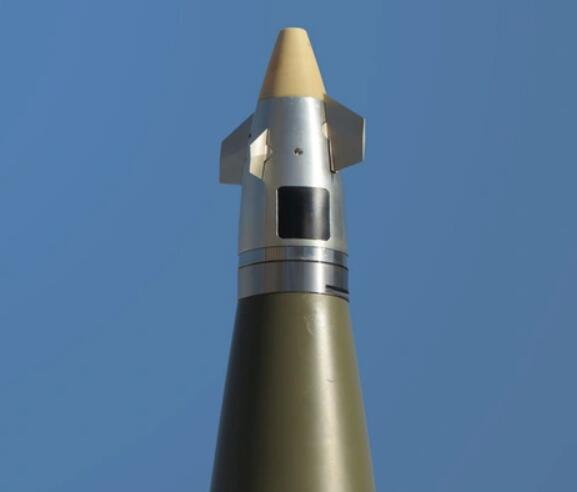
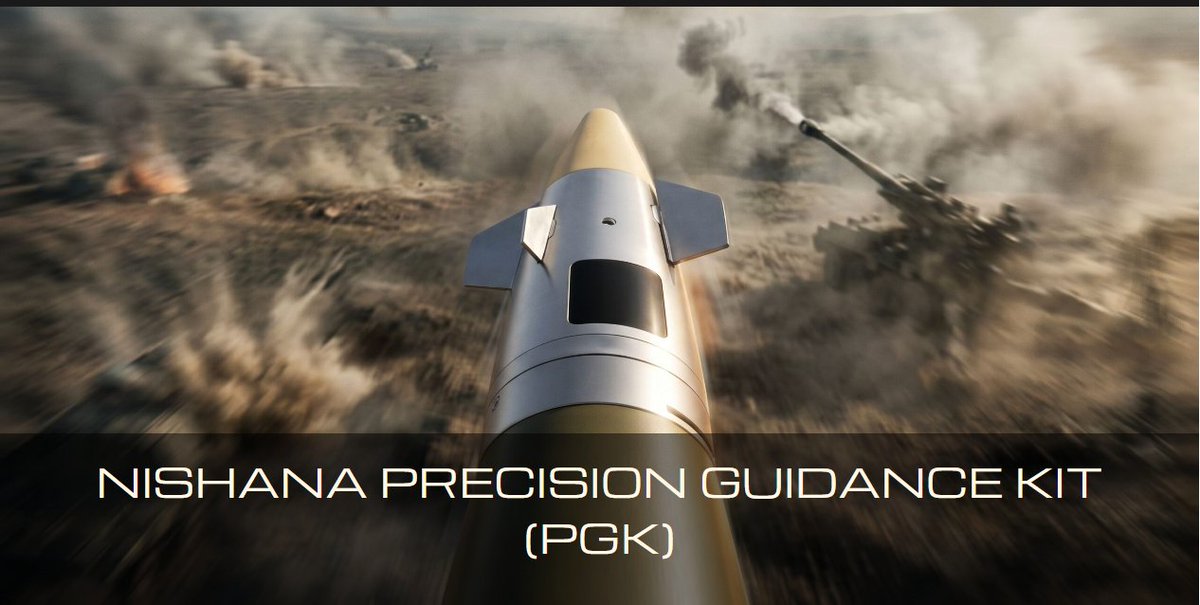
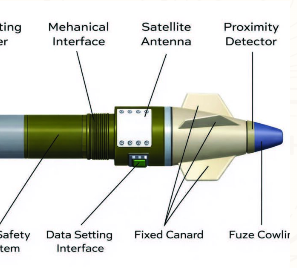
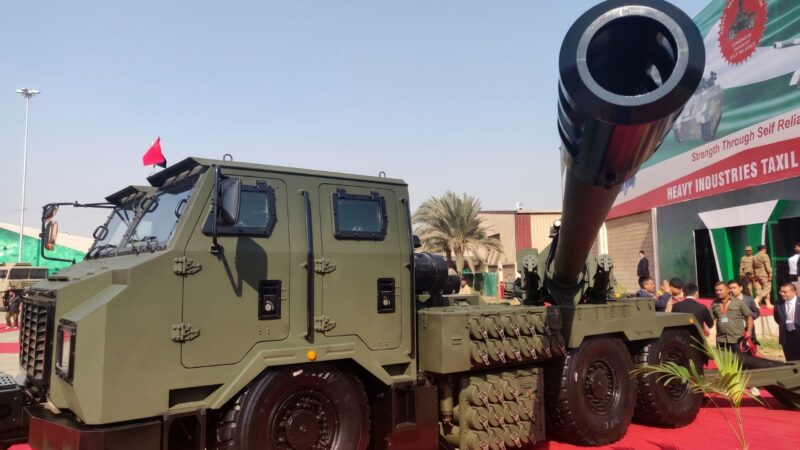
Another notable system from GIDS is the NISHANA Precision Guidance Kit (PGK).
It upgrades standard artillery shells with GPS guidance, reportedly extending precision strikes to 40 km while improving accuracy, reducing ammunition expenditure, and limiting collateral damage.
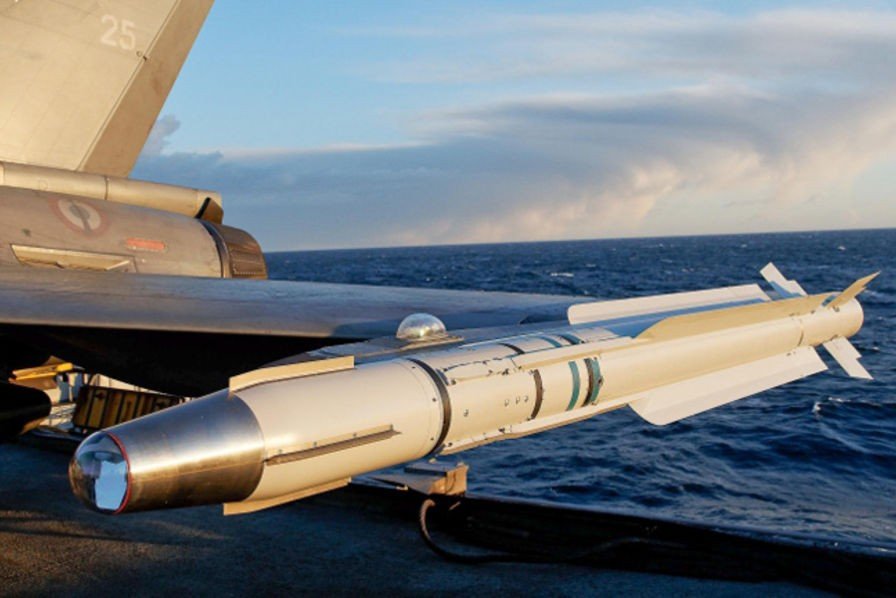
The missile drain was so severe it triggered an emergency €8.5B push to rebuild stockpiles and accelerate low-cost drone killers, ranging from modifying the Rafale's 30mm GIAT cannon fire control software to integrating 68mm ACULEUS-LG laser-guided rockets on TELSON 12 launchers. The real question: why did a top-tier Western air force like France has such a small inventory of MICA AAMs, especially after watching four years of war in Ukraine? Hopefully, Taiwan is paying very close attention. (2/2)
pic from Aviation Week on the USN's notional replacement for the Standard Missile family. As far as I know the only circular VLS system the USN has is the VPMs.....
The SMs already have antiship capability, but a sub-launched anti-air variant opens up much more interesting questions. For targeting will it talk to the new space-based distributed AWACS thing currently in development that I forget the name of, or are they going to mad dog it out of the tube?
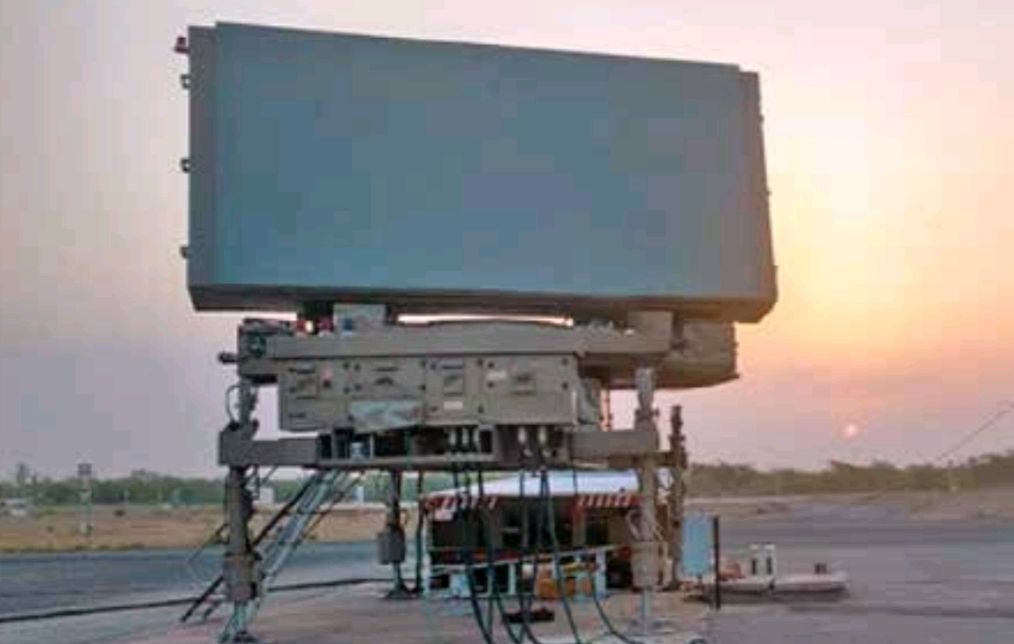
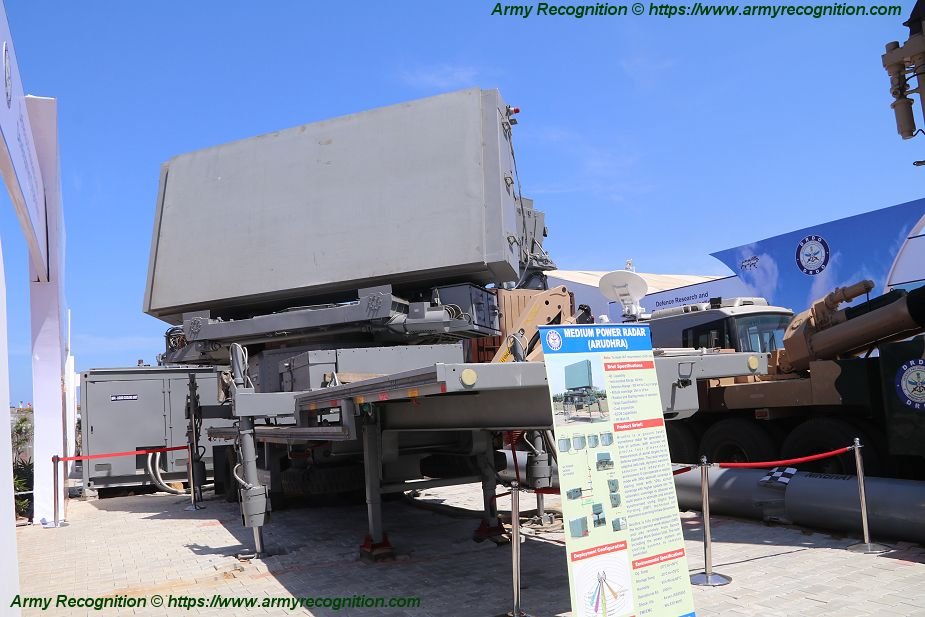
A Quick Look at DRDO's Arudhra Radar:
The Arudhra is an indigenous S-band 4D AESA air surveillance radar developed by DRDO. It is reported to detect targets beyond 300 km (up to 400 km), track 200+ targets simultaneously, and detect low-RCS (~0.2 m²) targets at around 160 km.
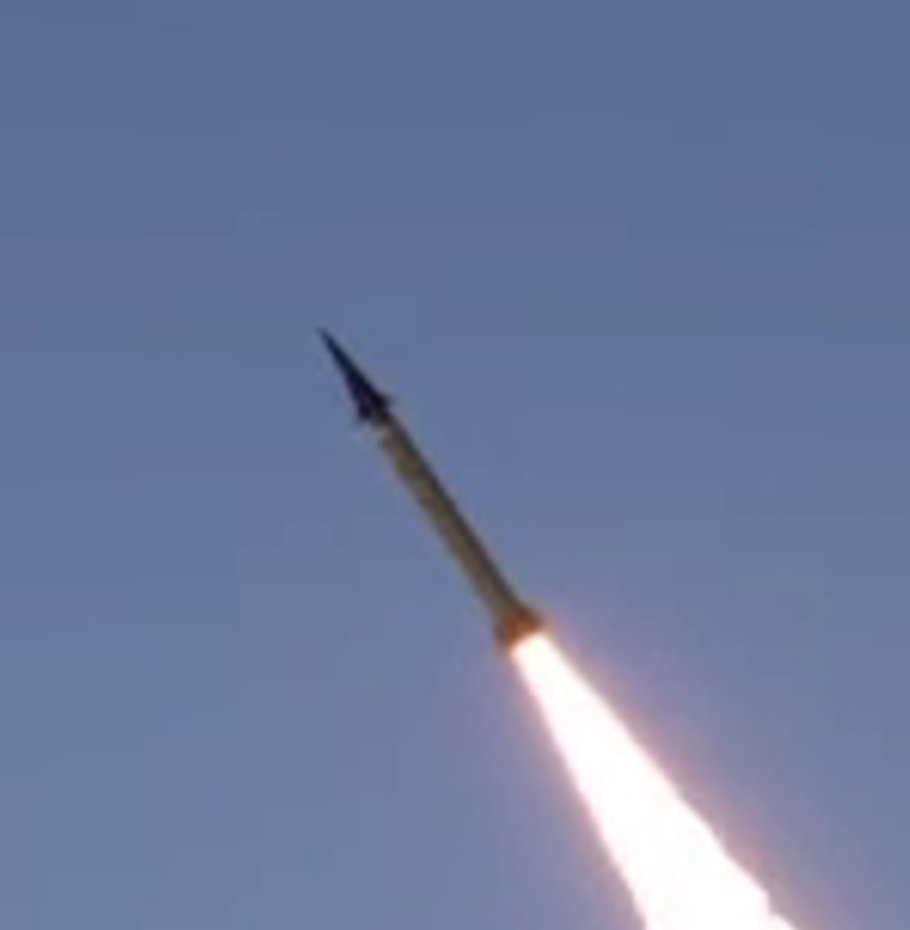
The same new variant of the Haj Qassem was used once again, equipped with a new adapter installed between the warhead and the missile's solid-fuel booster, along with a redesigned single-cone warhead.
The Haj Qassem uses a steel-alloy motor casing, whereas the Fattah and Kheibar Shekan use carbon-composite motor casings.
I've seen a lot of people jump to the conclusion that Iran has run out of solid-fuel boosters, but I think that's a premature assumption.
Steel-alloy boosters like those used on the Haj Qassem are significantly cheaper and easier to manufacture than composite ones. Also, the boosters seen recently appear to be unpainted, which could indicate they came straight from production, supporting the argument that manufacturing has continued rather than stopped.
🇮🇷 A significant leap in IRGC intelligence capability, pointing to the pattern of strikes on hangars at Muwaffaq Salti Air Base in Jordan:
July 2: New aircraft maintenance hangars built.
July 9: Iran destroys them.
July 17 and 19: Iran strikes 2 more aircraft hangars.
July 30 (this morning): Maintenance hangars rebuilt, an aircraft moved in, by afternoon, IRGC hits them with a precision missile strike.
The pattern points to sharply increased satellite reconnaissance activity, as the window between US construction being detected and missile strikes hitting it keeps shrinking fast.