Associate Specialist in Reproductive Medicine, Hon Associate Professor Women’s Health at University College London, Hon. Assoc Prof, Anglia Ruskin University
Today we celebrate the 78th anniversary of the National Health Service in the UK and recognise the difference it makes to millions of people's lives every day 🙏🏻
Proud to be part of the NHS
Here is a useful study from Leona A. Verma and Lauren A. Silvano which aimed to find out current confidence and knowledge of pharmacy students on menopause and HRT.
Pharmacy students at eight universities in the United Kingdom were invited by email to complete an online survey on menopause and hormone replacement therapy. Students were asked to self-report their confidence on each topic (0 = not confident at all, 10 = very confident), answer subject-specific questions and specify their preferred teaching methods. Data were analysed using descriptive statistics and a thematic approach where appropriate.
What was found?
In total 178 students (158 [88.8%] aged 18–24 years, 147 [82.6%] female) in years 1 (59, 33.1%), 2 (35, 19.7%), 3 (28, 15.7%) and 4 (56, 31.5%) completed the survey. Median [interquartile range] self-reported confidence in knowledge on menopause and hormone replacement therapy was 5.0 [4–6] and 4.0 [2–5], respectively. Students had basic knowledge of what menopause is, how long it lasts and common symptoms, but were uncertain about the risks and benefits of hormone replacement therapy. Students most commonly chose lectures (133/176, 75.6%) as their preferred teaching method.
The authors concluded that pharmacy students lack confidence in their own knowledge of menopause and hormone replacement therapy. Pharmacy schools must evaluate their current curricula and consider how these topics are taught, specifically the associated risks with hormone replacement therapy, as pharmacists can take on a leading role in menopause service provision, but this calls for a well-educated workforce.
https://t.co/jegbafnr6p
We presented our small research poster at the EGA Institute for Women’s Health ‘20th’ Annual Conference last year at the Senate House, University of London. A lot of hard work from Riya Philip on her survey project on Menopause in Medical Education. We had 100 responses and found that the majority of medical students in our survey felt that they needed more education on menopause. The results indicate a need for bigger studies looking into student’s and healthcare professional’s views on current teaching about menopause and a review of medical school curricula.
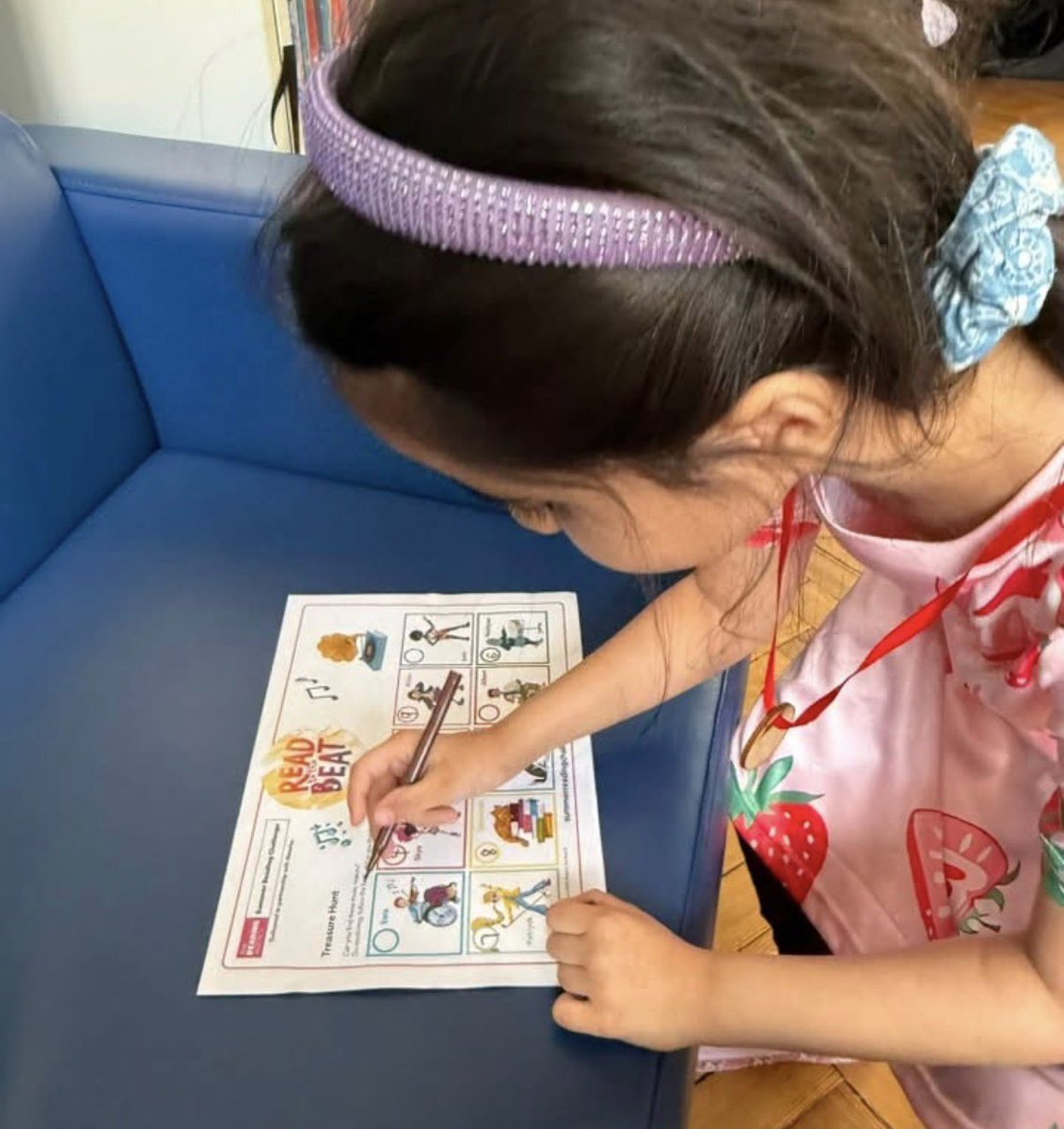
We thoroughly enjoyed completing this year’s ‘Read to Beat’ summer reading challenge!
This year’s official collection included books about musicians, characters discovering music, sound science, cultural traditions, rhythm, storytelling through sound, breaking down barriers to music, creative expression and following your dreams. Our favourite- ‘The color of sound’.
Thank you Gravesend Library! ❤️ @graveshambc@Visit_Gravesham@kentlibraries
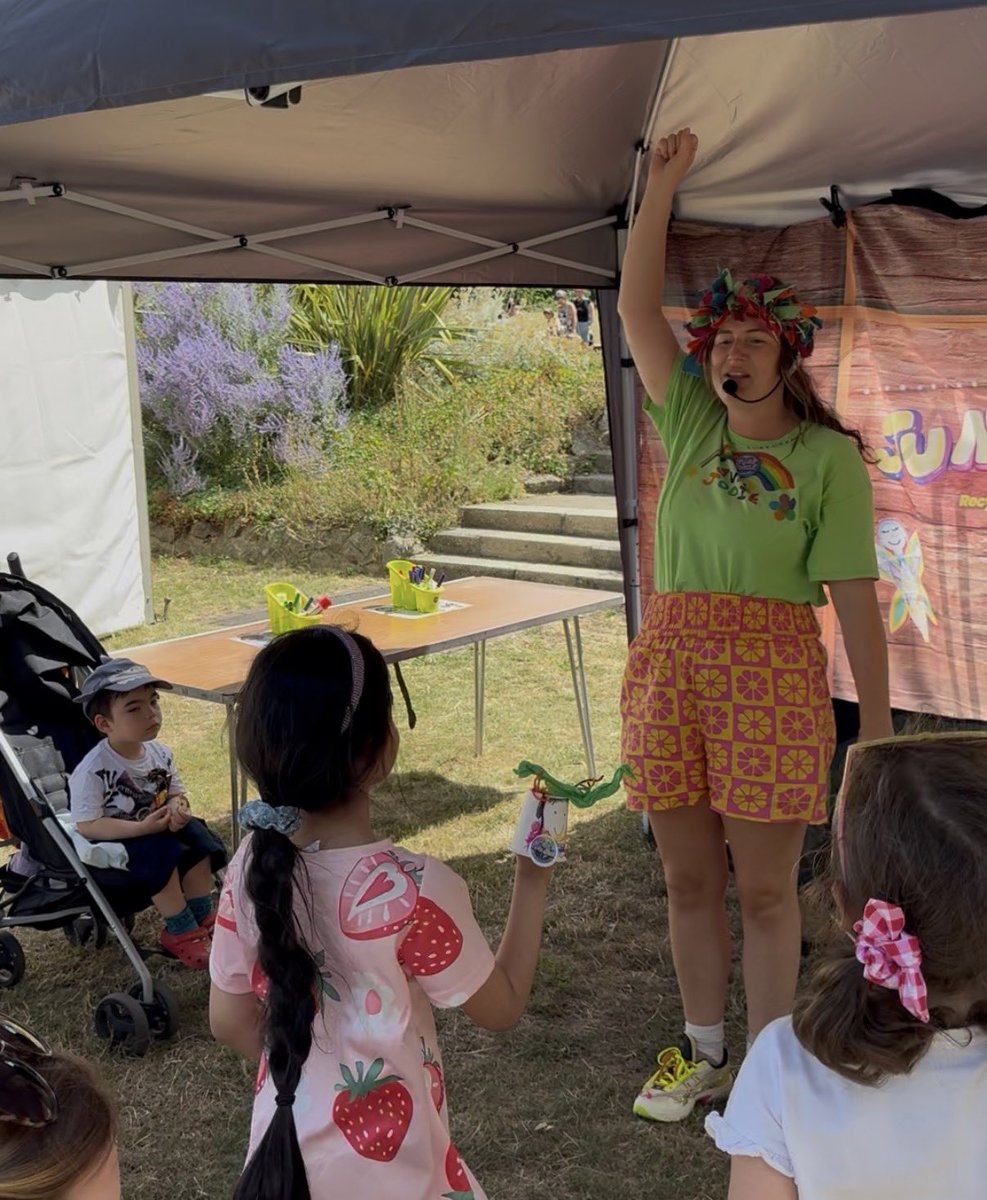
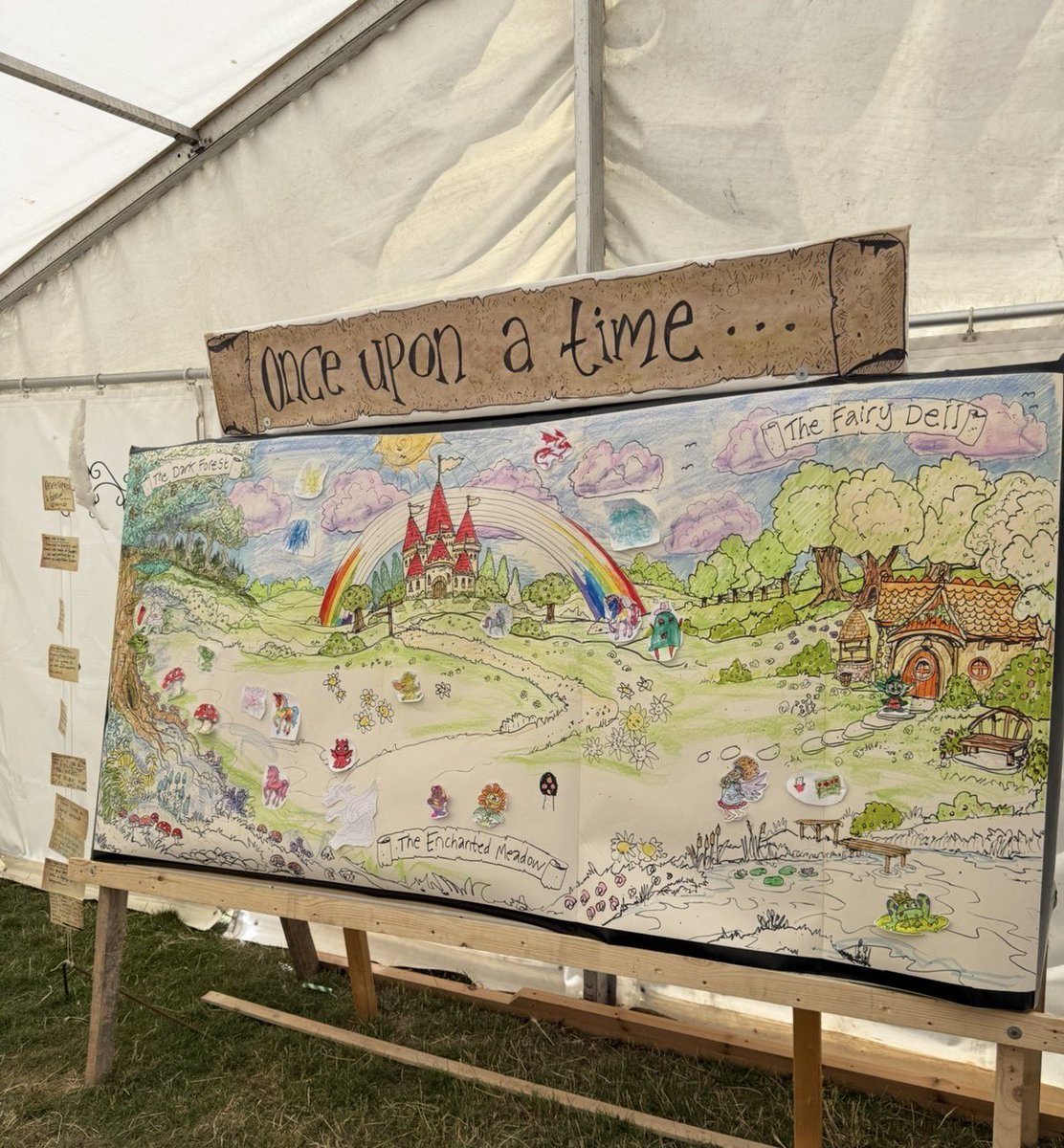
It was 🎉 fantastic family fun at the Fort 🏰 for the Gravesham Riverside Festival today
Our favourites were the ‘Junk Jodie storytelling’ and the ‘🎨 Imagination Station’ - a magical land full of fairies 🧚, goblins, wizards, giants and talking toadstools! 🍄
It was lovely to visit ⚓ The Nao Victoria on the📍 Gravesend Town Pier last week
It was wonderful to explore the full-size replica of the ship 🚢 that completed the first circumnavigation of the globe 🌏.
Amazing to see what life was like at sea 🌊 more than 500 years ago.
The Nao Victoria is the world’s only replica of the ship that, exactly five centuries ago, starred in the greatest maritime feat in history: the First World Circumnavigation (1519–1522), captained by Ferdinand Magellan and Juan Sebastián Elcano.
Built with meticulous historical accuracy, this replica sails today as a floating museum that faithfully recreates the vessel that circumnavigated the globe 500 years ago.
Thank you @Visit_Gravesham@graveshambc@GravesendTCM
It has been busy few weeks of clinics and some reflections on the variations in advice we provide for menopause care.
A 54 year old who had stopped her periods for a year and was experiencing typical menopause symptoms presented to her healthcare provider. She had no background medical problems but was worried about the risk of breast cancer associated with oestrogen and progesterone use. She was counselled about the risk based on guidelines which suggested a risk with both oestrogen and progesterone part of HRT. She felt that the risk was not something she was comfortable with but did decide to seek an alternative opinion. This time she was presented with data and figures which suggested a reduced risk of breast cancer with oestrogen and slightly increased risk with the combination. She felt confused - who to believe!
Another woman who had considered systemic HRT for menopause at 55, less for symptoms but mainly for long-term health benefits was counselled by one healthcare professional about multiple benefits for long-term cognitive health, bone and cardiovascular health while another healthcare professional advised against HRT purely for long-team health benefits in absence of symptoms. She felt confused - who to believe!
A 45 year old woman saw her healthcare professional for symptoms suggestive of menopause and requested HRT but was advised against it as she continued to have monthly periods and she could put herself at a risk of excess hormones. She consulted an alternative provider who suggested that it was fine for her to start HRT and offered a prescription advising no such risks of excess hormones would apply to her. The woman felt confused - who to believe!
Yet another woman who had started continuous combined HRT for menopause in her 50s had started experienced bleeding in the 3rd month of initiating her HRT. She had had no bleeding for past 2 years. She saw her healthcare provider who referred her for an urgent ultrasound scan on a cancer pathway for postmenopausal bleeding. She was anxiously waiting for her scan appointment when another healthcare provider called her to cancel her scan and suggested that it was not uncommon to bleed in the first 6 months of starting HRT and that she no longer needs a scan now but a review later. She felt confused - who to believe!
There are even more examples. Navigating menopause care can be confusing for patients. We need to continue our efforts to support them in decision making based on the best possible scientific evidence we have and it can be challenging at times!
The results are in and the nation has decided – Britain’s Favourite Butterfly is the iconic, the colourful, the feisty… Peacock!
https://t.co/2FffvQVYdz
Congratulations 👏 to Dr Gayathri Delanerolle on publication of her latest book 📖
A thought provoking read about battles and challenges of medical menopause stemming from personal experiences and calling for reshaping of medical culture , research and policy through the lived truths of women.
Thank you Gayathri for this and also your amazing hardwork in making possible the Menopause and Ageing Research in International Environments (MARIE) study.
An amazing global collaborative effort across 13 countries to explore menopausal health across the world.
The findings of the study have highlighted the need for holistic, multidisciplinary, equity-focused menopause care and policy approaches beyond narrowly symptom-based models. We need real actions on ground that changes lives for better. Future research should prioritise longitudinal designs and culturally grounded approaches to better understand trajectories and inform integrated models of care.
https://t.co/V33EHJF5YP
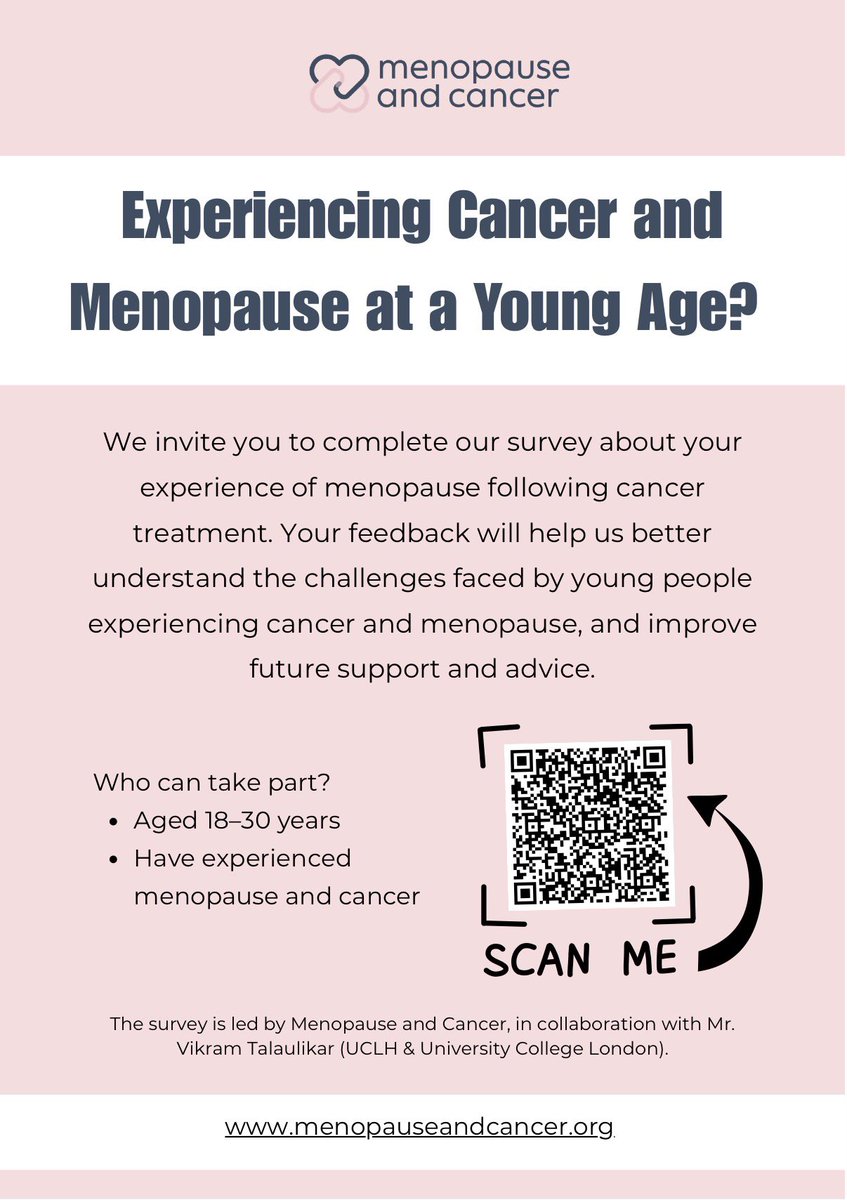
Here is a survey from Menopause and Cancer CIC (not-for-profit) designed to gather insights from individuals (age 18-30) who have experienced both menopause and cancer with the aim to better understand the unique challenges faced by this community and to use these findings to enhance the support available for those affected.
All responses are completely anonymous. You must be aged 18-30 years old to take part in this survey. If you have any questions, comments, or concerns, please contact - [email protected].
Please participate in the survey if you can or share with those who may be interested. Thank you for contributing to this research 🙏🏼.
Click to fill in or scan the QR code -
https://t.co/YIGm1JOIL6
It was wonderful to contribute to🍦 The Great British Summer Holiday Exhibition at 🎨 St George's Arts Centre, Gravesend from
📅 Tuesday 30th June - Sunday 19th July 2026.
The exhibition features artwork from creatives in response to an open call, as well photographs, postcards, souvenirs, memorabilia and more…
Thank you St George's Arts Centre team! @graveshambc@GravesendTCM@Visit_Gravesham
Join us on the Clinical Conundrums session tomorrow! This live, interactive session is where we discuss complex menopause care clinical cases, revisit the latest evidence-based guidance and treatment options, or get clarity on when and how to refer to specialist menopause services. Whether you're after reassurance or detailed clinical insights, this is the space to learn and connect.
Thank you Nigel Denby and Rowena Kivell.
https://t.co/aKBDp6qmzf
Here is a useful evidence review from Rola Ghasoub et al. summarising the evidence on vaginal oestrogen for prevention of recurrent urinary tract infections (rUTIs) in peri- and postmenopausal women, with a particular focus on its use alone and in combination with antibiotic therapy, and on the gap between clinical guideline recommendations and regulatory product labelling.
They conducted a structured narrative review focusing on randomised controlled trials (RCTs) and clinical practice guidelines that evaluate intravaginal oestrogen for the prevention of rUTI in peri- and postmenopausal women.
What was found?
Evidence from five RCTs reported that low-dose vaginal oestrogen, administered as creams, tablets, rings, or gels, reduced culture-confirmed rUTI episodes and improved vaginal health indices, with no clear superiority of any single formulation and a favorable local safety profile. One trial found oestriol pessaries less effective than nitrofurantoin prophylaxis, indicating that estrogen may complement rather than fully replace antibiotics in some women. Initiation was predominantly prophylactic or post-antibiotic, and no identified trial evaluated co-initiation of vaginal estrogen with antibiotics at the onset of acute UTI, highlighting a persisting evidence gap regarding optimal timing of therapy.
The authors concluded that vaginal oestrogen is an evidence-based yet underutilised strategy for rUTI prevention in peri- and postmenopausal women, supported by RCT data and guideline recommendations, but not recognised in current FDA-approved indications for vaginal oestrogen products.
Recurrent UTIs are common in peri- and postmenopausal women and cause substantial negative impact on symptoms, quality of life, medical complications, and hospitalisation costs. Vaginal oestrogen, by restoring urogenital epithelium and the lactobacillus-dominant microbiome, is recommended in several guidelines for preventing rUTI. However, as the author a of this review note - most formulations are licensed only for genitourinary syndrome of menopause, not for UTI prophylaxis. This creates a mismatch between the growing clinical evidence base and the absence of a specific regulatory indication for rUTI prevention across major regulatory agencies, which may contribute to underuse and clinician uncertainty.
https://t.co/sLP5NEABxA
Genitourinary syndrome of menopause describes various menopausal symptoms and signs including not only genital symptoms (dryness, burning and irritation) and sexual symptoms (lack of lubrication, discomfort or pain and impaired function), but also urinary and pelvic floor symptoms (urgency, burning, incontinence, prolapse and recurrent urinary tract infections).
GSM can have a profound negative impact on quality of life and women need to be made aware of the problem, and treated with an effective and safe therapy (some options - lubricants, moisturisers, vaginal oestrogens, systemic oestrogen, ospemifene and DHEA).
There is minimal (clinically non-significant) systemic absorption of oestrogen from most low dose vaginal oestrogen products and these therefore do not carry the same risks (such as blood clotting or breast cancer) thats are associated with systemic HRT use.
We should continue to advocate for the use of vaginal oestrogens to prevent underutilisation of this simple, safe and effective clinical intervention.
It was a wonderful opportunity to take part in the ‘Don’t Pause for Menopause’ symposium on Sunday. The meeting brought together so many people working hard in Women’s Health space to improve menopause experiences for others. It was amazing to hear from panelists who shared their lived experiences and journeys with us.
Thank you Meera Bhogal and Harry Bhogal (https://t.co/bVJSUbJVpd) for your consistent efforts in the menopause space to spread evidence based information to everyone who seeks it.
This is especially vital for the Asian and Afro-Caribbean communities where menopause is not often talked about and there are barriers to good quality advice and care. Thank you for supporting Menopause Research and Education Fund 🙏🏻.
A big shoutout 👏 to Dr Radhika Vohra, Dr Farah Ahmed, Shireen Noor and Fiona Clark for the wonderful talks and panel discussions especially focussing on inequalities in menopause care.
Meera also does some amazing podcasts. You can listen to them here - https://t.co/YDVdjVZi3s
Last Sunday marked the summer solstice, marking the official start of astronomical summer across the northern hemisphere - the moment when northern hemisphere is most tilted towards the Sun.
The summer solstice marks midsummer: the ‘longest day’ and ‘shortest night’ of the year.
On this day, the number of hours of daylight are at their maximum, while the number of hours of night are at their minimum.
However, while most people consider the summer solstice to be a day, it is in reality an exact moment in time that falls upon that day. The Stonehenge in UK was built to align with the sun on the solstices.
Spiritually, summer solstice represents a time of renewal, growth, and connection to the natural world. Many cultures view the summer solstice as a time of celebration honouring the sun’s life-giving power.
https://t.co/adOjUPS7bB
Hearing is an underresearched aspect of women's health, and while there is growing evidence that the menopause transition may affect hearing and listening, there is lack of clear and comprehensive understanding of these changes.
Here is a research study from Anna-Katharina Matke-Bauer, Lecturer/Assistant Professor, Lifespan Auditory Neuroscience Lab at Department of Psychology, Royal Holloway, University of London
Researchers are looking for women aged 45-65 years, based in the UK, who are native English speakers and currently in peri- or post-menopause to take part in the online study. The study takes approximately 30 minutes and can be done from home on a laptop or desktop computer with headphones. As a thank you, one can opt in to receive a £5 Amazon voucher.
Please take part in this important research if you can or share with others 🙏🏻.
🔗 https://t.co/kh7oLdGkv1
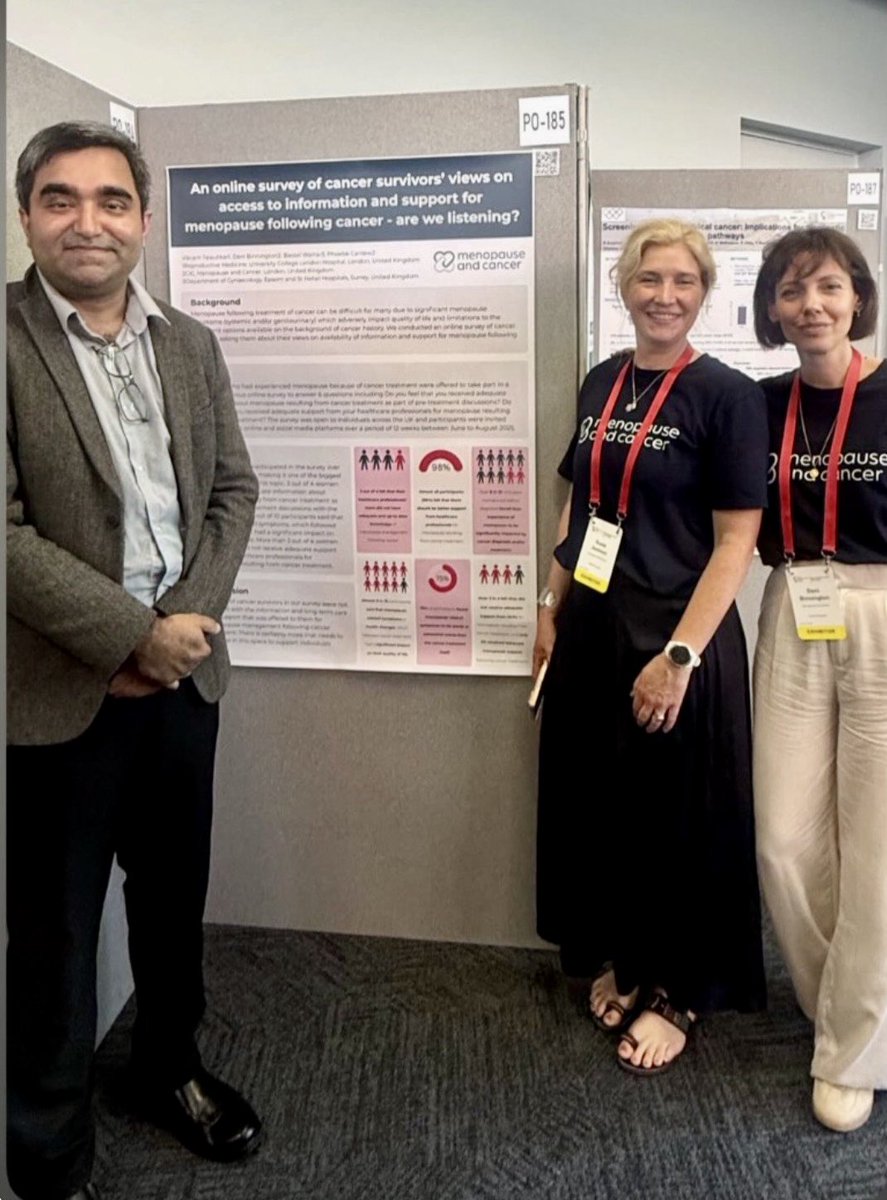
It was wonderful to join the Menopause and Cancer team (Susie and Dani) at Bristol for the British Gynaecological Cancer Society Annual Scientific Meeting.
Come rain, wind or scorching heat - Menopause and Cancer are focussed on their mission to provide help and support to women who have experienced menopause due to cancer treatment!
We presented a poster on the findings of our online survey last year. Over 1200 women participated in the survey over a period of 12 weeks making it one of the biggest surveys focussing on this topic.
What did we find?
3 out of 4 women did not receive adequate information about menopause resulting from cancer treatment as part of their pre-treatment discussions with the healthcare team
9 out of 10 participants said that menopause related symptoms which followed cancer treatment, had a significant impact on their quality of life.
More than 3 out of 4 women felt that they did not receive adequate support from their healthcare professionals for menopause resulting from cancer treatment.
3 out of 4 women felt that their healthcare professionals team did not have up-to-date knowledge of menopause management.
Majority of cancer survivors in our survey were not satisfied with the information and long-term care and support that was offered to them for menopause management following cancer treatment. There is certainly more that needs to be done in this space to support individuals better.
Together we can do this and improve the care pathways for late effects of cancer including subfertility and menopause. The mission continues………..


![VikramSinai's tweet photo. Here is a useful study from Leona A. Verma and Lauren A. Silvano which aimed to find out current confidence and knowledge of pharmacy students on menopause and HRT.
Pharmacy students at eight universities in the United Kingdom were invited by email to complete an online survey on menopause and hormone replacement therapy. Students were asked to self-report their confidence on each topic (0 = not confident at all, 10 = very confident), answer subject-specific questions and specify their preferred teaching methods. Data were analysed using descriptive statistics and a thematic approach where appropriate.
What was found?
In total 178 students (158 [88.8%] aged 18–24 years, 147 [82.6%] female) in years 1 (59, 33.1%), 2 (35, 19.7%), 3 (28, 15.7%) and 4 (56, 31.5%) completed the survey. Median [interquartile range] self-reported confidence in knowledge on menopause and hormone replacement therapy was 5.0 [4–6] and 4.0 [2–5], respectively. Students had basic knowledge of what menopause is, how long it lasts and common symptoms, but were uncertain about the risks and benefits of hormone replacement therapy. Students most commonly chose lectures (133/176, 75.6%) as their preferred teaching method.
The authors concluded that pharmacy students lack confidence in their own knowledge of menopause and hormone replacement therapy. Pharmacy schools must evaluate their current curricula and consider how these topics are taught, specifically the associated risks with hormone replacement therapy, as pharmacists can take on a leading role in menopause service provision, but this calls for a well-educated workforce.
https://t.co/jegbafnr6p
We presented our small research poster at the EGA Institute for Women’s Health ‘20th’ Annual Conference last year at the Senate House, University of London. A lot of hard work from Riya Philip on her survey project on Menopause in Medical Education. We had 100 responses and found that the majority of medical students in our survey felt that they needed more education on menopause. The results indicate a need for bigger studies looking into student’s and healthcare professional’s views on current teaching about menopause and a review of medical school curricula.](https://pbs.twimg.com/media/HMfA0-5WMAA5jqB.jpg)









![VikramSinai's tweet photo. Here is a useful study from Leona A. Verma and Lauren A. Silvano which aimed to find out current confidence and knowledge of pharmacy students on menopause and HRT.
Pharmacy students at eight universities in the United Kingdom were invited by email to complete an online survey on menopause and hormone replacement therapy. Students were asked to self-report their confidence on each topic (0 = not confident at all, 10 = very confident), answer subject-specific questions and specify their preferred teaching methods. Data were analysed using descriptive statistics and a thematic approach where appropriate.
What was found?
In total 178 students (158 [88.8%] aged 18–24 years, 147 [82.6%] female) in years 1 (59, 33.1%), 2 (35, 19.7%), 3 (28, 15.7%) and 4 (56, 31.5%) completed the survey. Median [interquartile range] self-reported confidence in knowledge on menopause and hormone replacement therapy was 5.0 [4–6] and 4.0 [2–5], respectively. Students had basic knowledge of what menopause is, how long it lasts and common symptoms, but were uncertain about the risks and benefits of hormone replacement therapy. Students most commonly chose lectures (133/176, 75.6%) as their preferred teaching method.
The authors concluded that pharmacy students lack confidence in their own knowledge of menopause and hormone replacement therapy. Pharmacy schools must evaluate their current curricula and consider how these topics are taught, specifically the associated risks with hormone replacement therapy, as pharmacists can take on a leading role in menopause service provision, but this calls for a well-educated workforce.
https://t.co/jegbafnr6p
We presented our small research poster at the EGA Institute for Women’s Health ‘20th’ Annual Conference last year at the Senate House, University of London. A lot of hard work from Riya Philip on her survey project on Menopause in Medical Education. We had 100 responses and found that the majority of medical students in our survey felt that they needed more education on menopause. The results indicate a need for bigger studies looking into student’s and healthcare professional’s views on current teaching about menopause and a review of medical school curricula.](https://pbs.twimg.com/media/HMfA0_AWUAAtm-E.jpg)