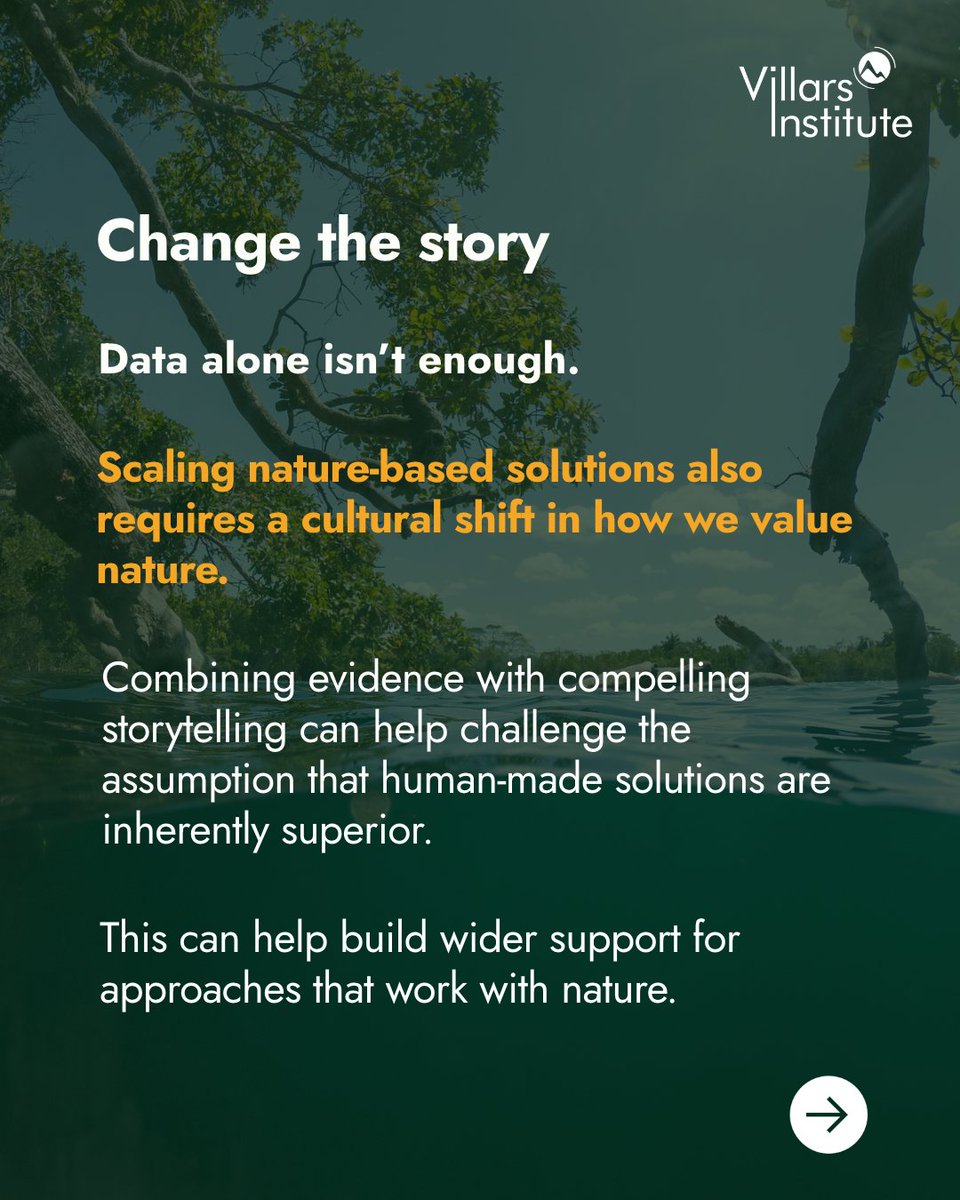
Is the natural world approaching a turning point? 🌿 Drawing on 30 years of research in the Amazon, Professor Yadvinder Malhi explores how restoring connections between native species can help tropical forests recover.
🎥 Watch on Villars Review: https://t.co/Il1a8cUy3O
How can nature restoration move from isolated projects to change at scale? 🌿
Scaling restoration means strengthening local capacity, governance and collaboration across land and ocean systems.
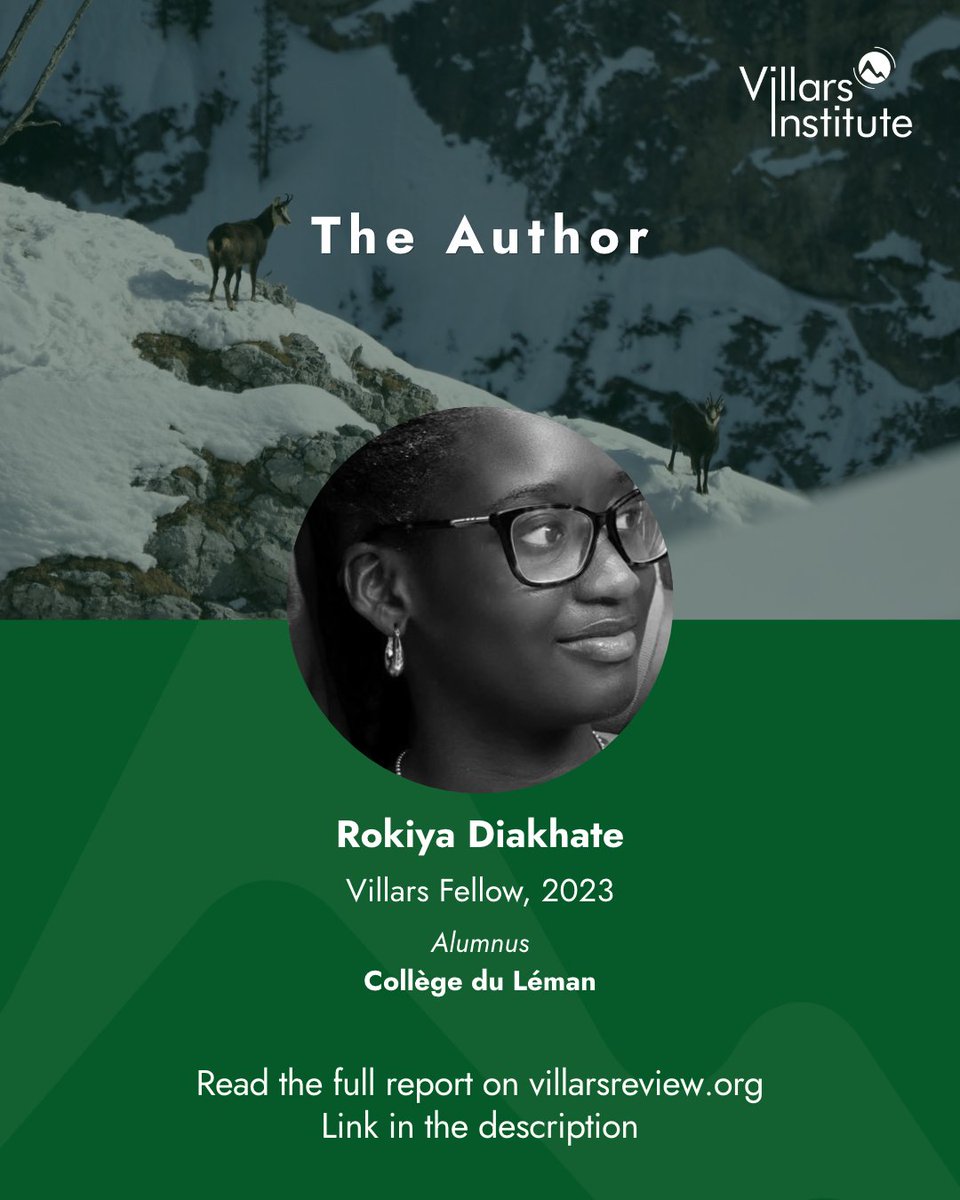
Read the report by Rokiya Diakhate:
https://t.co/EfxgEwH2RE
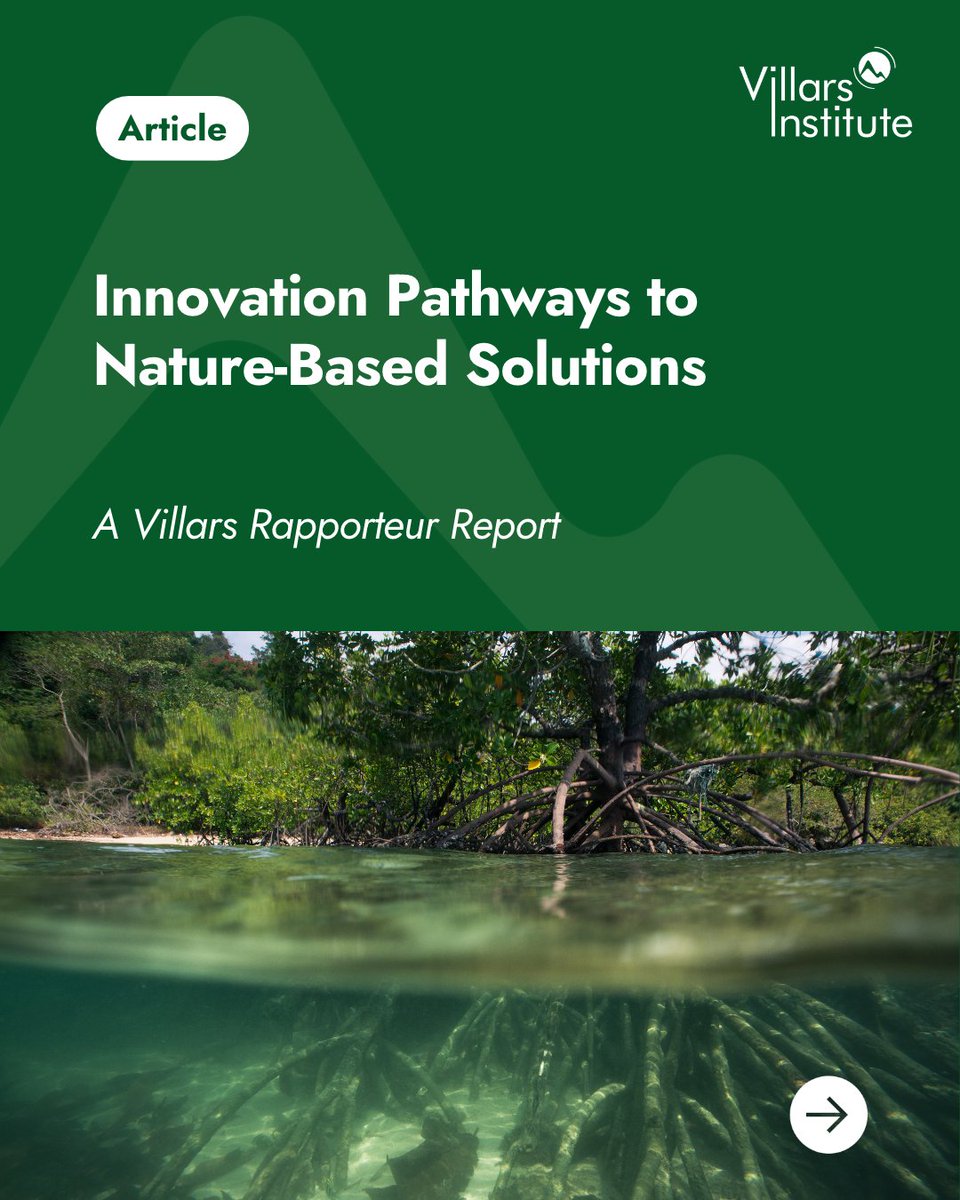
How can nature-based solutions move from ideas to systemic change? 🌱
Experts at the Villars Institute Summit explored the role of restoration, finance, data and collaboration.
Read more: https://t.co/bMeoqwdnJk
What would it take for our economies to value nature while it is still alive? 🌿
Xiye Bastida explores how the way we value nature shapes the choices we make about protecting and restoring it.
Explore more on the How to Live on Earth Education Channel: https://t.co/JWLGjKii5a
Complex challenges need connected thinking. 🌍 Our Certification in Systems Leadership helps leaders navigate complexity and turn insight into action.
Next cohort: Jan 2027, online or in Gland.
Register: https://t.co/1u8ZKkjoP4
How can technology help us better understand and protect nature? 🌱💻
Sylvain Vaquer of Mozaic Earth explores how data and AI can strengthen environmental monitoring and support better decisions.
Watch: https://t.co/c11qVwxLzR
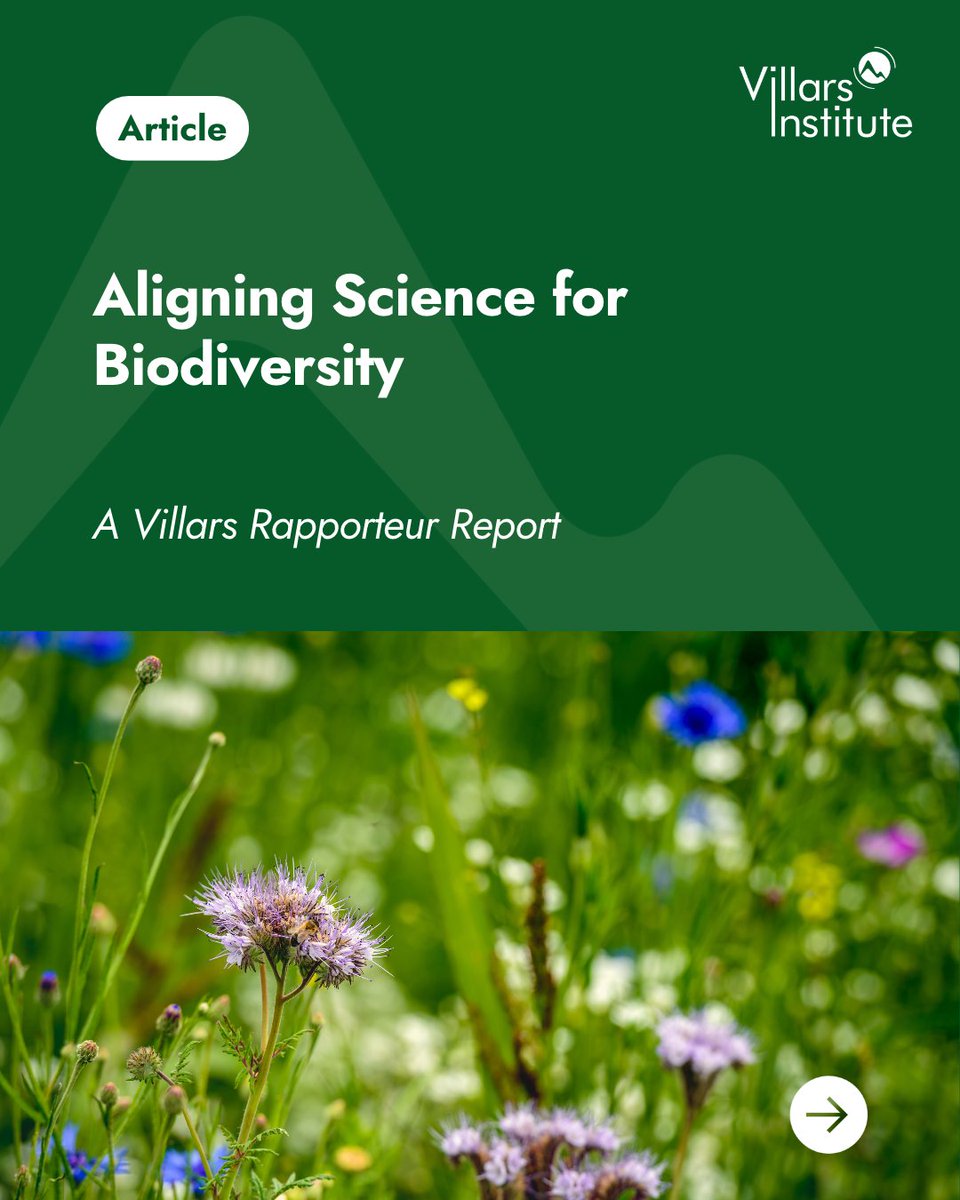
How can biodiversity science become action? 🌿
Better metrics matter, but we cannot wait for perfect measurement to act.
Read the Villars Rapporteur Report by Michael Davidsen: https://t.co/I14MxgHLSN
As #COP17 comes to a close in Yerevan, we’re reflecting on two weeks as an official observer. 🌍
From #HowToLiveOnEarth to #INVASIVA, we explored how science, storytelling and systems thinking can make biodiversity challenges more accessible and actionable. 🌱
How can leaders navigate complexity and drive change across systems? 🌍
Join our Certification in Systems Leadership for Executives.
📍 Gland: Jan 29
💻 Online: Jan 26 to Feb 4
👉 https://t.co/jzVEbNUsq1
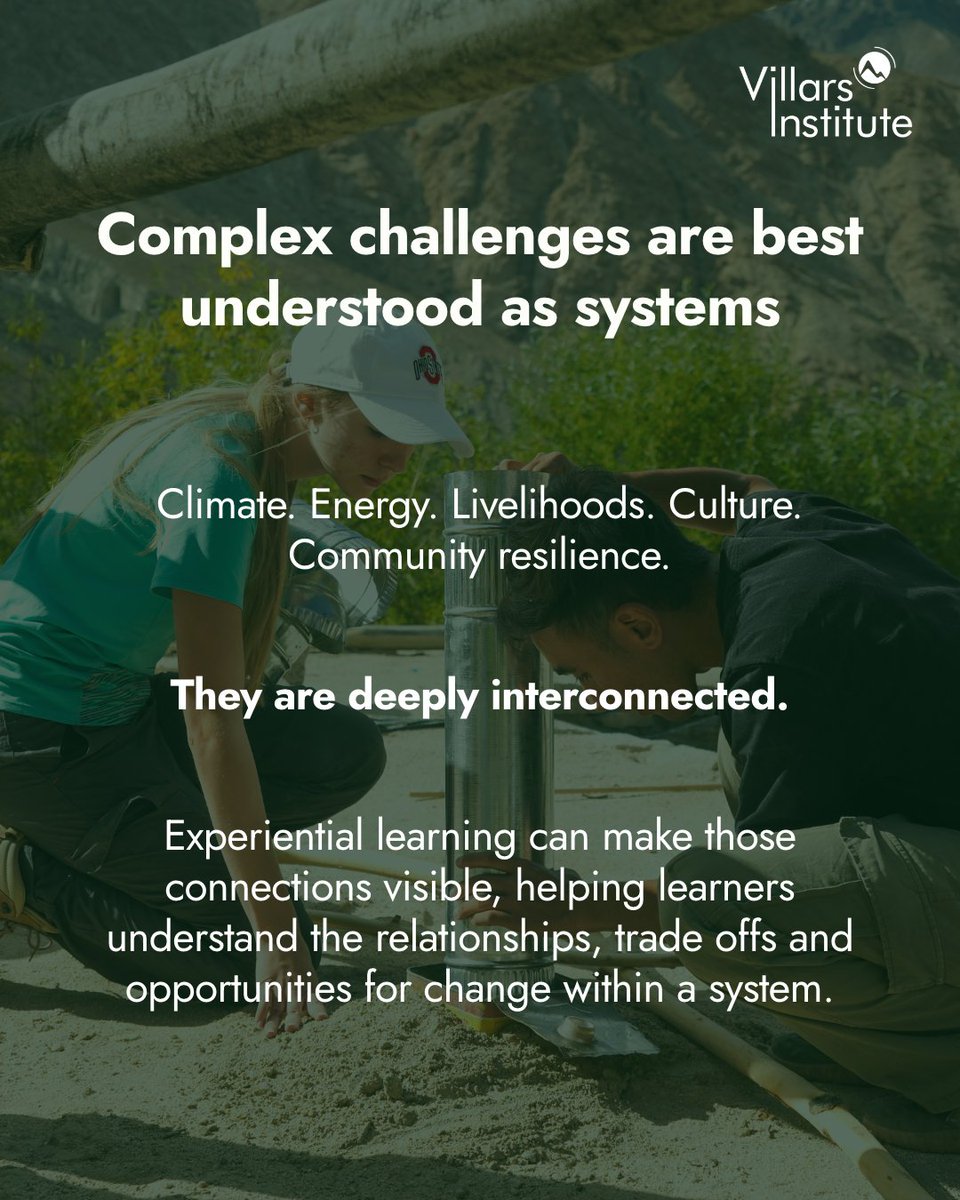
What if some of the most important learning happens beyond the classroom? 🌍
Villars Academies combine experiential learning with systems thinking, helping educators explore interconnected challenges firsthand.
Next stop: the Himalayas. 🏔️
How can AI help accelerate the energy transition? ⚡🌞
S. Karthik Mukkavilli of Mercuria explores how AI can improve forecasting, grid management and efficiency as renewables scale.
🌍 How can storytelling help turn scientific understanding into action?
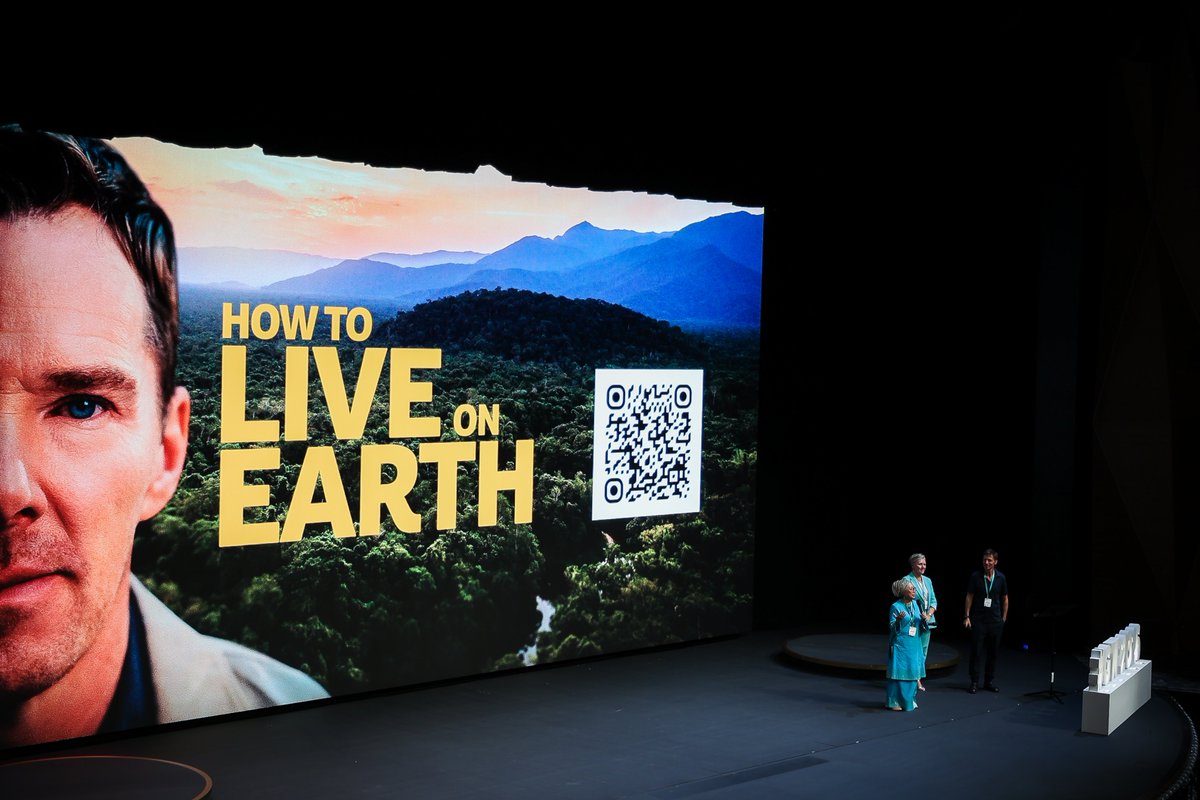
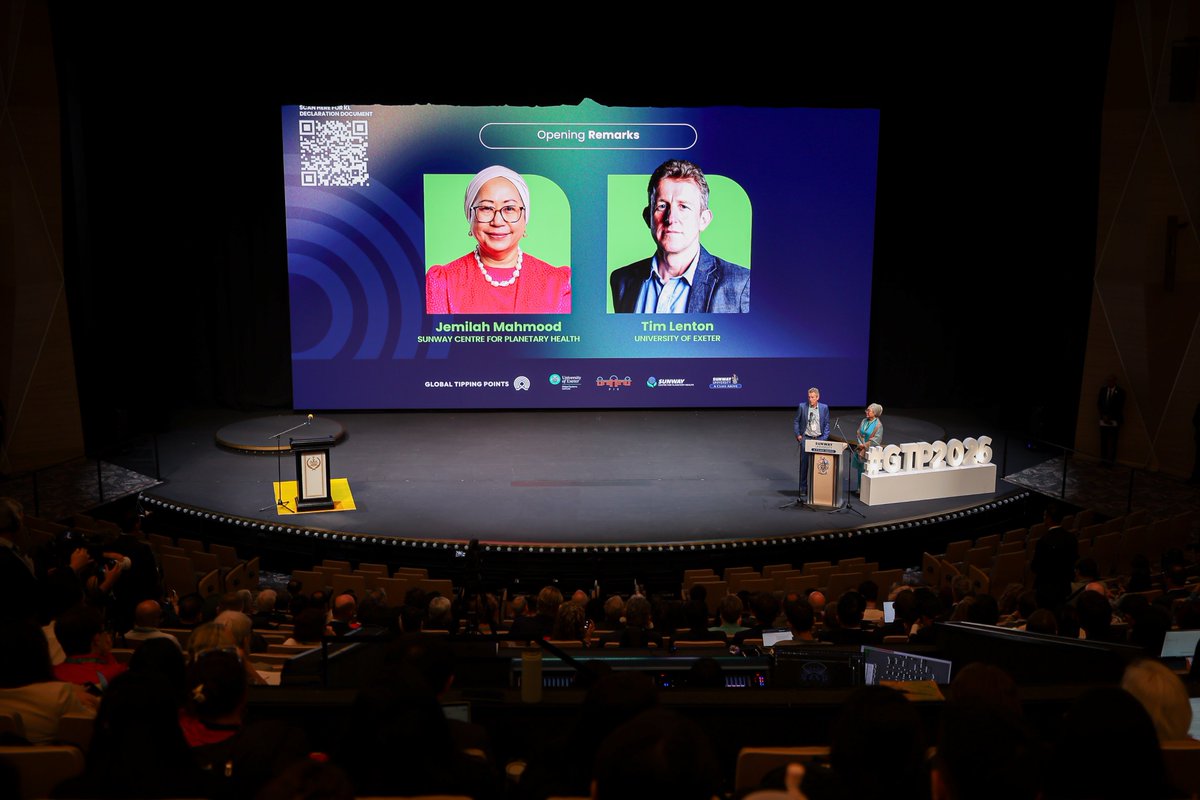
How to Live on Earth made its Malaysia premiere at the Global Tipping Points Conference 2026, bringing its message on people, planet and positive change to a new audience.
🎥 Watch: https://t.co/5xaEnUiDpq
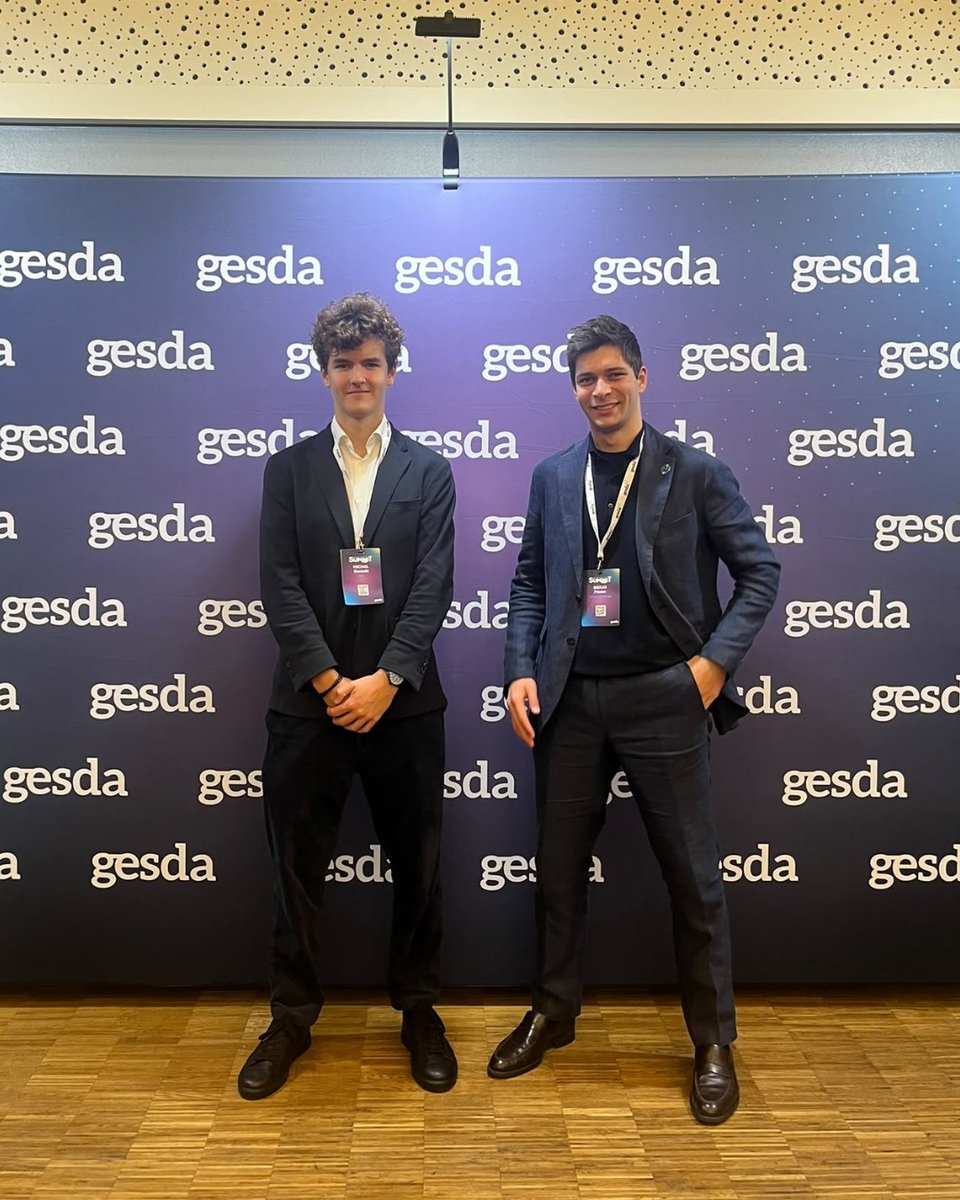
🌍🔬 Last week, two Villars Fellows joined #GESDA2026 in Geneva, exploring how emerging science and technology could shape the next 5, 10 and 25 years.
From AI to planetary systems, they brought younger perspectives to questions of responsible leadership and long term change.
🌍🎬 This Friday at #COP17Armenia: How to Live on Earth: A Future Worth Creating.
Join the Villars Institute and Silvania for film excerpts and a conversation moderated by Lee Howell.
📅 Oct 23, 8:30 PM
📍 Action Zone Auditorium #24
🎟️ Blue Zone accreditation required
Our growth-driven economy is fueling the ecological crisis 🌱💡
Sage Lenier, Founder of Project Northstar, explores a “next economy” built on circular systems, community and sustainable living.
Watch the full interview: https://t.co/DHtwaKHKvl
The Villars Institute at #COP17Armenia
Connecting biodiversity science to action through 🌾 film excerpts & dialogue on nature, business & finance, 📈 a nature finance panel, 🎬 a full How to Live on Earth screening and 🌿 immersive art with INVASIVA.
More from Yerevan soon!
Can hope drive change more powerfully than fear? 🌍
Sam Kass reflects on how better stories about food and the planet can build hope and agency.
🎥 Watch: https://t.co/KwSMIV9cp5
Congratulations to our Hawaiʻi cohort on completing the Villars Institute Certification in Systems Leadership! 🎓
Mahalo to Hawaiʻi Executive Collaborative for hosting and to all the leaders who joined us. Welcome to our global community of 700+ systems leaders.
Last week 5 Villars Fellows joined Building Bridges 2026 in Geneva, engaging with leaders advancing sustainable finance. 🌍💼
They explored how finance can support a more resilient future while bringing younger perspectives into conversations on people, planet and investment.
Climate change is also a human rights issue. 🌎
Zia Mehrabi explores how data science can help identify environmental rights violations and support stronger action on climate justice, public health and sustainability.
Watch the full interview: https://t.co/wPC8LdaKB6