@serbiaireland In Ukrainian, “smith” = koval. Etymologically, Kovalenko means “a son of a koval”; Kovalchuk means “a grandson of a koval”. So all three variants are widely common in Ukraine
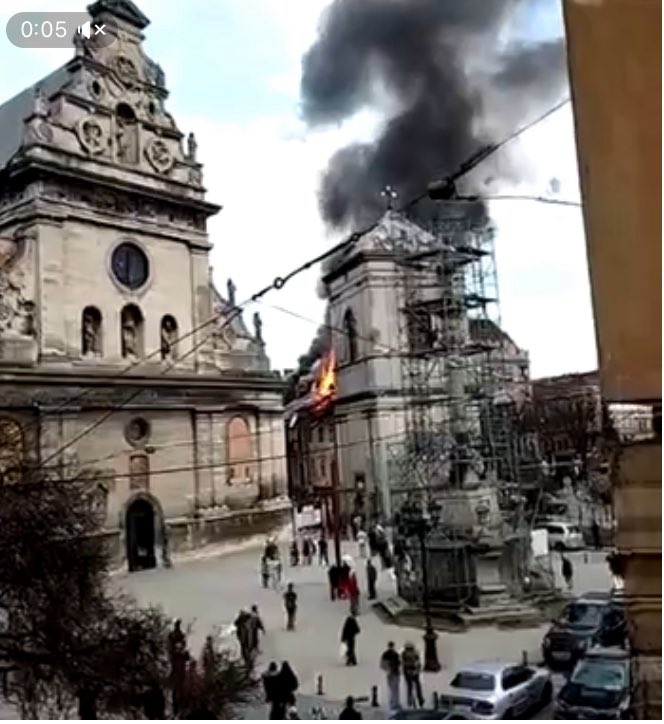
@pmamtraveller It's my hometown! 😭 Now it's under everyday heavy bombardment, including ballistics. Plus drones hunting people and public/private transport
@GanzeGeschichte My Polish friend’s grandma told her that when Soviet troops approached their village, people shouted, “Hurry, hide girls, russians are here”
@serbiaireland Your post just now unblocked my childhood memory - as a kid, I asked my grandpa how the thunderstorm happened. His answer: “It's St Elijah riding his chariot in heaven”. 😁
@serbiaireland which prevents evil from entering the doll and protects its owner. The motanka does not have the usual eyes or mouth, since, according to beliefs, the soul can be "tied" or jinxed through the face. The cross helps make the doll faceless, but endowed with spiritual power
@serbiaireland The embroidered cross on the motanka's face is not a symbol of Christianisation. A cross in a circle has represented the sun, eternal life, and harmony. Also, this is protection from evil. It is believed that such a pattern serves as a magical shield