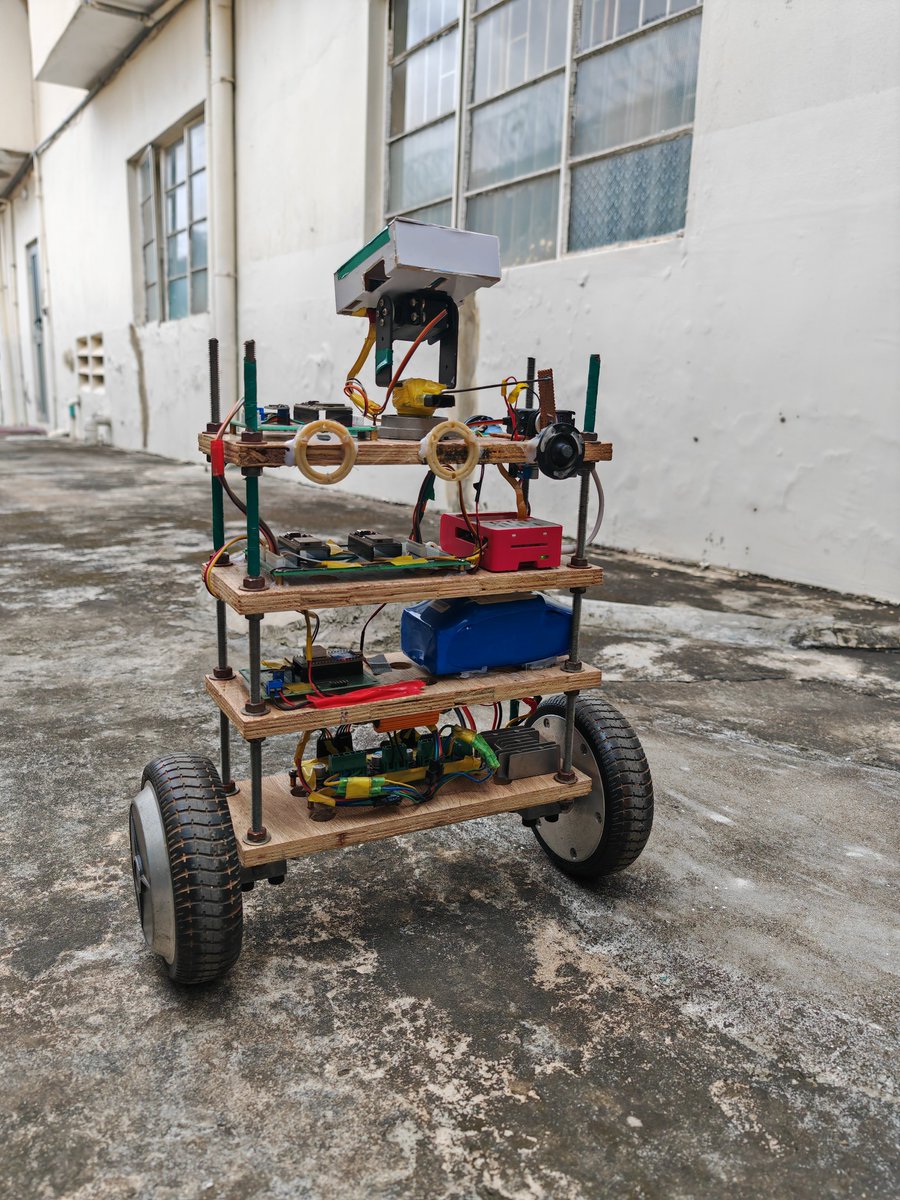
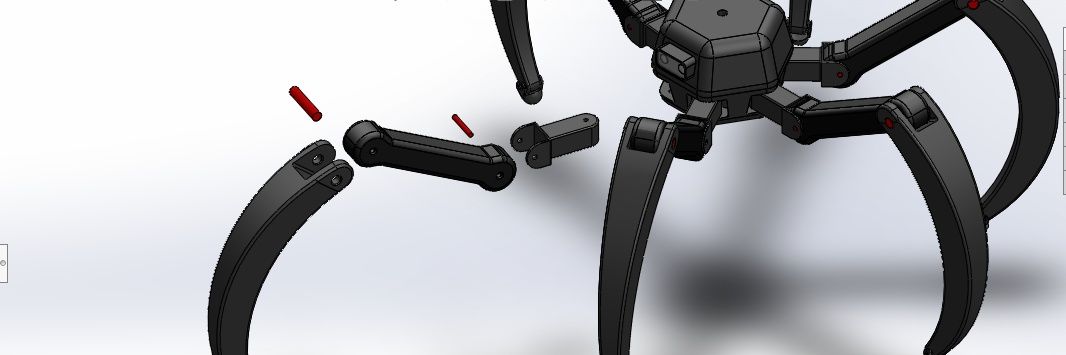
Robotic arms for precision machining and welding.
Mobile robots for factory floor logistics and monitoring.
Automated machinery and vehicles for mining and mineral extraction.
Autonomous heavy-duty earthmoving equipment.
The possibilities for robotics in industry are endless
Building on my earlier attempt to map the five layers of manufacturing in Nigeria, I decided to take a deeper dive into each layer to better understand our existing capabilities as well as the gaps in the value chain.
Starting with the materials layer and here are my findings
People with foresight will always have the advantage
They can see beyond current trends and consensus to recognise where the future is headed, even when nobody else does.
By the time everyone else catches on, they'd have positioned themselves to make the most out of it.
Industrialisation remains the most realistic way of leveraging our large population and resources to create wealth/jobs at scale, and reduce poverty.
Not agriculture. Not finance. Not software. Not AI.
Manufacturing and industrialisation!
If we cannot build industries that convert our resources into useful products, everything else, is at best a temporary remedy.
It's insane how difficult it is to manufacture simple electric motors here.
The challenge isn't that there's no knowledge on how to build them. It's how difficult it is to source the materials needed for major components like magnets and copper winding wire, as well as finding the local manufacturing capacity to produce the rotor shafts and metal housings to the right specs.
As a result, most of the actual manufacturing will have to happen elsewhere. we can only assemble the motors here, at best.
A tale as old as time.
Whenever the topic of robots comes up, one question follows, “What happens to all the jobs?���
Here are our thoughts on the question, the philosophy behind how we build robots, and how it all connects with the future we believe Africa should aspire to.
We've updated Kiara’s web based control interface to enable switching between teleoperation and autonomous mode, alongside real time monitoring of system parameters.
Next, we'll be integrating Kiara’s computer vision and object tracking data directly into the interface
Paid a visit to Engr. Patrick Ijiti (@pijiti), CEO of Epitome Technologies. After an engaging conversation, I got to see a live demo of their industrial cardboard box cutting machine.
They’re doing great work, and it’s really encouraging to see Nigerian engineers push the boundaries of local manufacturing. I look forward to seeing what they build next.
Africa has built a strong investment culture around fintech, SaaS and other software businesses.
But as global focus shifts deeper into robotics, advanced manufacturing, defence, energy and other physical industries, there seems to be something missing... https://t.co/L9IfeVLlL7
This is a precision box-cutting machine designed and built from scratch.
Practical machine building capability like this is rare, and it’s exactly the kind of engineering expertise we need to strengthen local manufacturing.
Well done @pijiti, the future is ours.
One of Nigeria's biggest manufacturing gaps is that we don't produce enough of the equipment and tooling that our manufacturers need to build their products locally.
After extensive research, i found that there is limited evidence of established Nigerian OEMs that produce or-
Metal stamping is a manufacturing process that uses a stamping press(machine) and a custom made tool (Die) to shape flat sheets or coils of metal into precise parts.
This process is mostly used to mass produce metal components such as vehicle body panels, fan blades,-
One of the best ways to ensure that more startups emerge and suceed in Nigeria's hardware ecosystem is strategic collaboration. Our hardware ecosystem is small and relatively young when compared to both other parts of Nigeria’s tech industry and other hardware ecosystems.-
Nigeria’s hardware talent pool is growing, and more founders are emerging across the ecosystem
Alongside some friends, I intend to set up a small shared robotics/prototyping lab and metal-machining workshop in Lagos, where founders and engineers can access equipment, share-