Privileged to present our work at the recent #ESCCongress 2026 at Munich!
We compared 5-year clinical outcomes of AF ablation vs AV nodal ablation + pacing in patients ≥ 75 with persistent AF.
Grateful to @SidAgarwalMBBS@abhishek_mbbs@DrDeese99 for their mentorship!
What a great example of AI democratising healthcare!
Reminds us that personalised medicine spans all the way from genomics to extending the physician-patient relationship in innovative ways.
A doctor from Nagpur told me something about how she is implementing AI in her clinic that amazed me.
She runs a small clinic. 15 years of practice. 40 patients a day. Her biggest problem was never diagnosis. It was follow-up. Patients would come in, get a prescription, and disappear. Half would not complete their medication. Some would not come back for follow-up. A few would show up months later with the same problem, worse.
She tried everything. Reminder calls. SMS. A register. Nothing worked. Her assistant forgot. Patients ignored SMS. The register got outdated by Thursday.
Then she figured something out.
Her patients would not read text messages. But they would listen to a WhatsApp voice note in Marathi. Something about hearing a voice felt personal in a way text did not.
She also knew that in many homes the husband controls the wife's phone. So the message had to make sense if someone else opened it. Each patient chose their own follow-up phrase during the first visit.
And she knew compliance collapses between day 4 and day 7. Not later. The intervention has to hit on day 4. By day 7 it is too late.
She built this using Claude. No code. No developer. WhatsApp voice notes in Marathi on day 4, day 6, and day 10. Personalized. Follow-up compliance went from 40% to over 75%.
No engineer could have built this.
Not because it is technically hard. Any developer could build it in a weekend. Because no engineer would have known to build it this way.
Voice note instead of text. Marathi instead of Hindi. Husband controlling the phone. Custom phrase at first visit. Day 4 intervention window. Every design decision came from 15 years of watching patients in Vidarbha not come back.
That is domain knowledge. It does not exist in any dataset or AI course.
India produces 1.5 million engineers a year. Huge numbers learning AI. "AI/ML enthusiast." "Prompt engineering certified."
A lot of people know how AI works but have no idea how any industry actually works.
The engineer builds for the problem they imagine. The domain expert builds for the problem that exists.
I have seen this in legal. Engineers built beautiful AI tools for lawyers.
Technically impressive. Lawyers do not use them. Because a lawyer's real problem is tracking 150 hearing dates across 4 courts while managing a clerk absent half the time.
A CA who filed 500 GST returns knows where errors happen. A teacher who taught 10,000 students knows the problem is not content but attention. No engineer in HSR Layout designs for a student with a shared phone studying between 9 and 11 pm.
India has an advantage nobody talks about. Millions of English-speaking domain experts carrying decades of ground-level knowledge. Globally rare. And almost nobody is training them to use AI.
India does not have an AI talent shortage. It has domain experts who think they are not "technical enough."
They are wrong.
RCT-only meta-analysis (4 trials, n=608):
• No significant reduction in AF recurrence (RR 0.70, p=0.06)
• Similar procedure time & overall complications
• Phrenic nerve injury only in SVCI group
→ Routine empiric SVCI may not be warranted; supports a selective approach
Delighted to present our work as a Moderated Oral Poster at #ACC26
Empiric SVC isolation during first-time ablation for paroxysmal AF - does it improve outcomes?
📄 Full study: https://t.co/CLAvVMd3fx.
Grateful to my mentors, @SidAgarwalMBBS@abhishek_mbbs@DrDeese99!
Grateful for the opportunity to present at #DDW2025, connect with inspiring minds, and learn under the mentorship of @Khanna_S .
Even the San Diego sea lions seemed to be contemplating microbiome therapeutics and cost-effectiveness in recurrent C. difficile!
#Microbiome
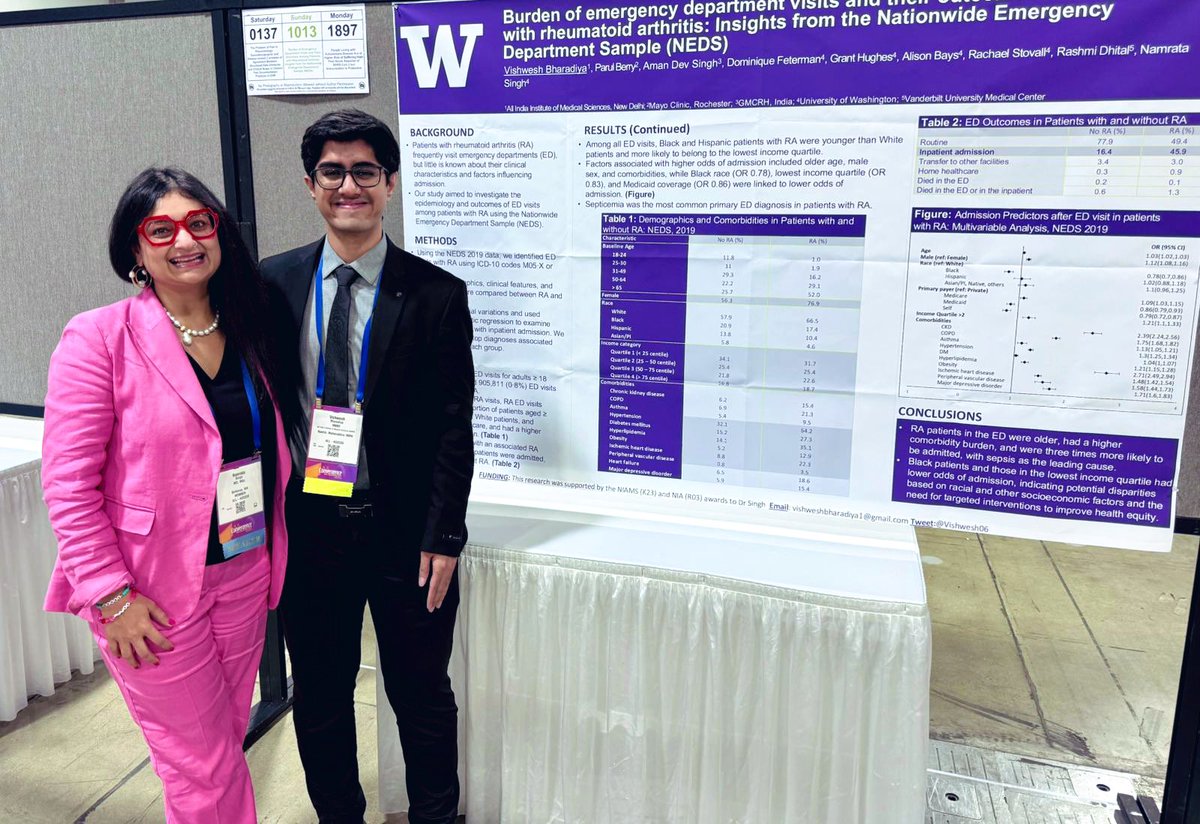
Thrilled to share our study on Rheumatoid Arthritis ED visits at #ACR24! 🏥 Highlighting disparities in care and opportunities to advance health equity.
Honored to work under the mentorship of @NamrataRheum & @UWRheum team on this impactful project.🌟 #HealthEquity#Rheumatology
Excited to present our study, ‘Burden of ED Visits and Their Outcomes Among Patients with RA’ tomorrow at 10:30 AM ET, Poster #1013. Grateful for the opportunity to collaborate with such an incredible clinical research rheumatology team! @NamrataRheum #ACR24#UWRheum
Tomorrow we have our wonderful clinical research rheumatology team: Drs. @NamrataRheum, Alison Bays, Grant Hughes, Rachael Stovall, and Dominique Feterman Jimenez, featured in "Burden of ED Visits and Their Outcomes Among RA Patients" @ 10:30 AM ET / 7:30 AM PT. #ACR24#UWRheum
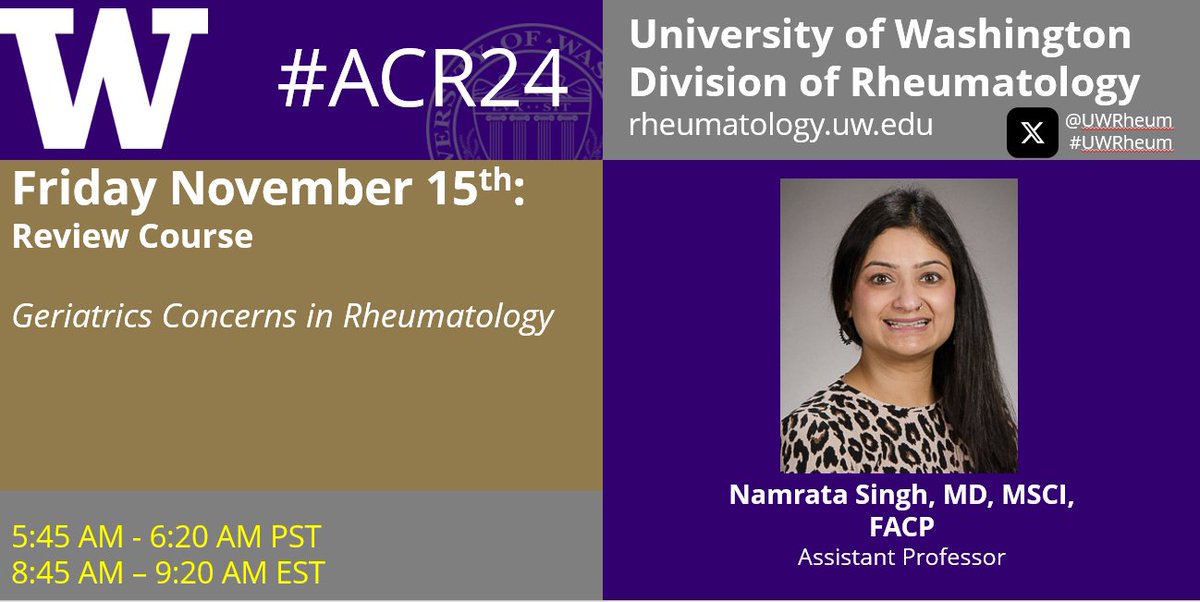
Our very own @NamrataRheum will be conducting a review course on "Geriatrics Concerns in Rheumatology" at #ACR24 on Friday, November 15th at 8:45AM ET/5:45AM PT
#UWRheum
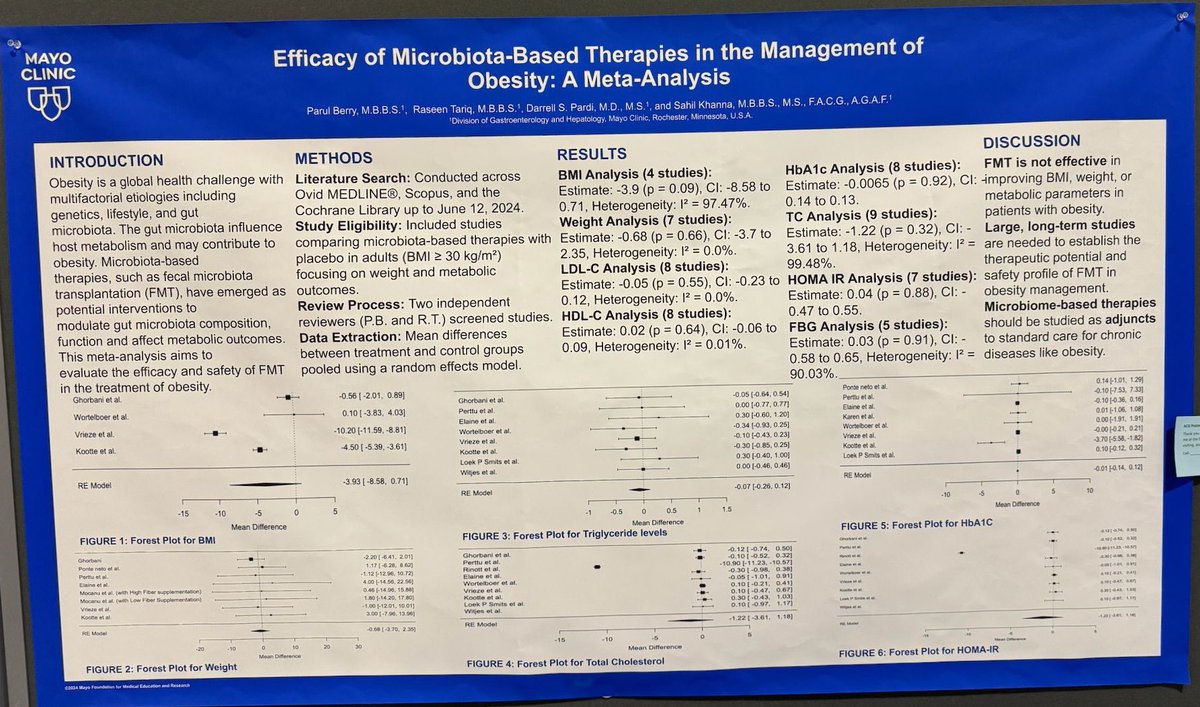
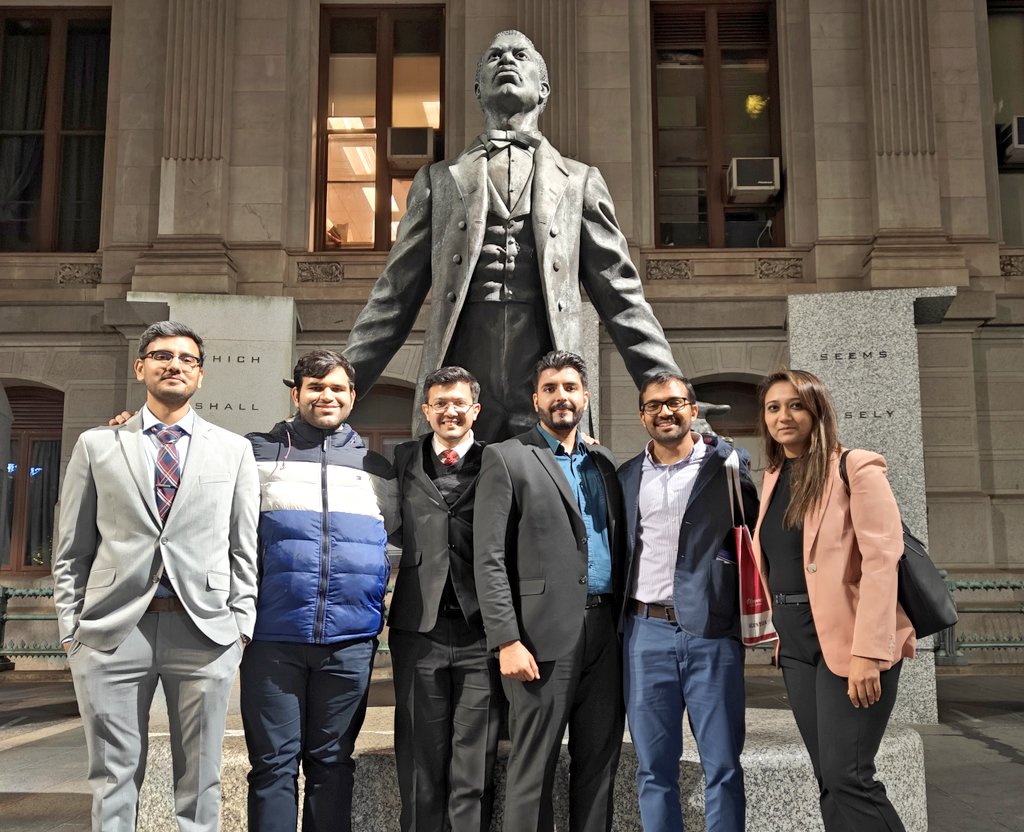
Had a great time at ACG annual scientific meeting 2024 at Philadelphia!
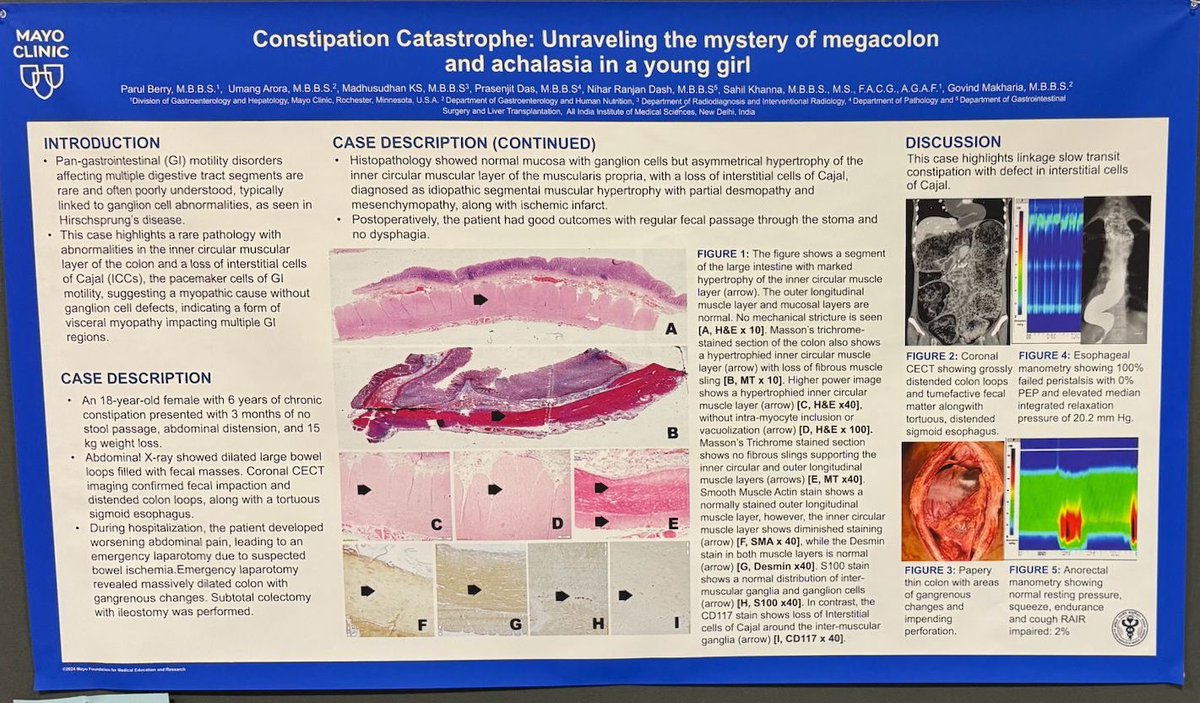
Presented a poster, attended insightful sessions, and met pretty amazing people.
#ACG2024
Thrilled to present at #ACG2024! Big thanks to my mentor @Khanna_S for his incredible support. Sharing key insights on microbiota-based therapies. Ready to dive into the science… and a Philly cheesesteak! #MayoClinic#Philly@AmCollegeGastro
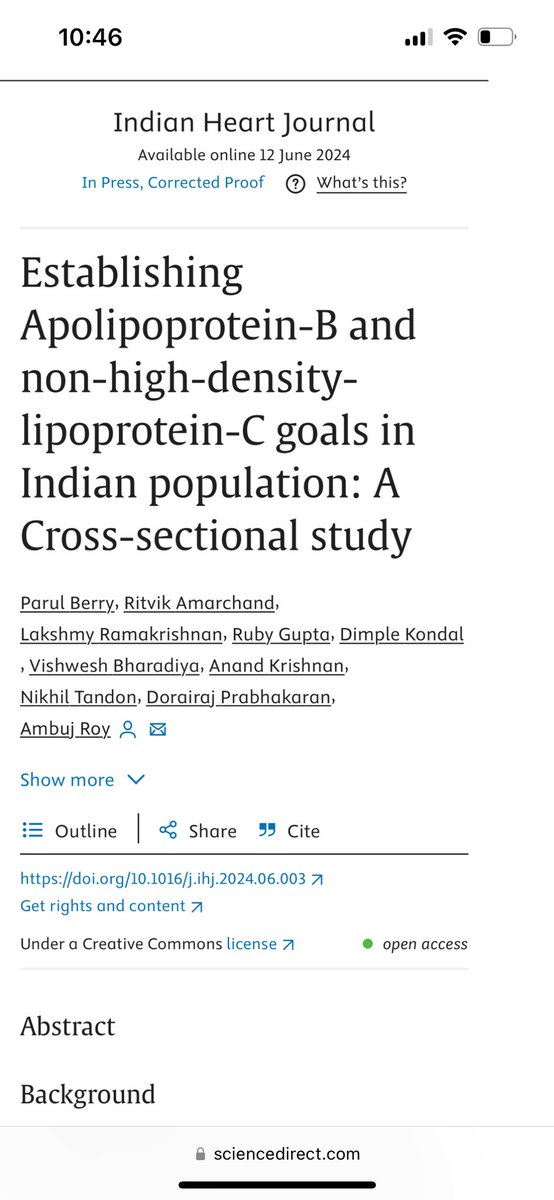
Delighted to share our new publication: 'Establishing Apolipoprotein-B and non-high-density-lipoprotein-C goals in the Indian population: A Cross-sectional study'. 📘🇮🇳 #Research#Cardiology
Grateful to Dr.Ambuj Roy for his invaluable mentorship!
https://t.co/bELWFqlugx
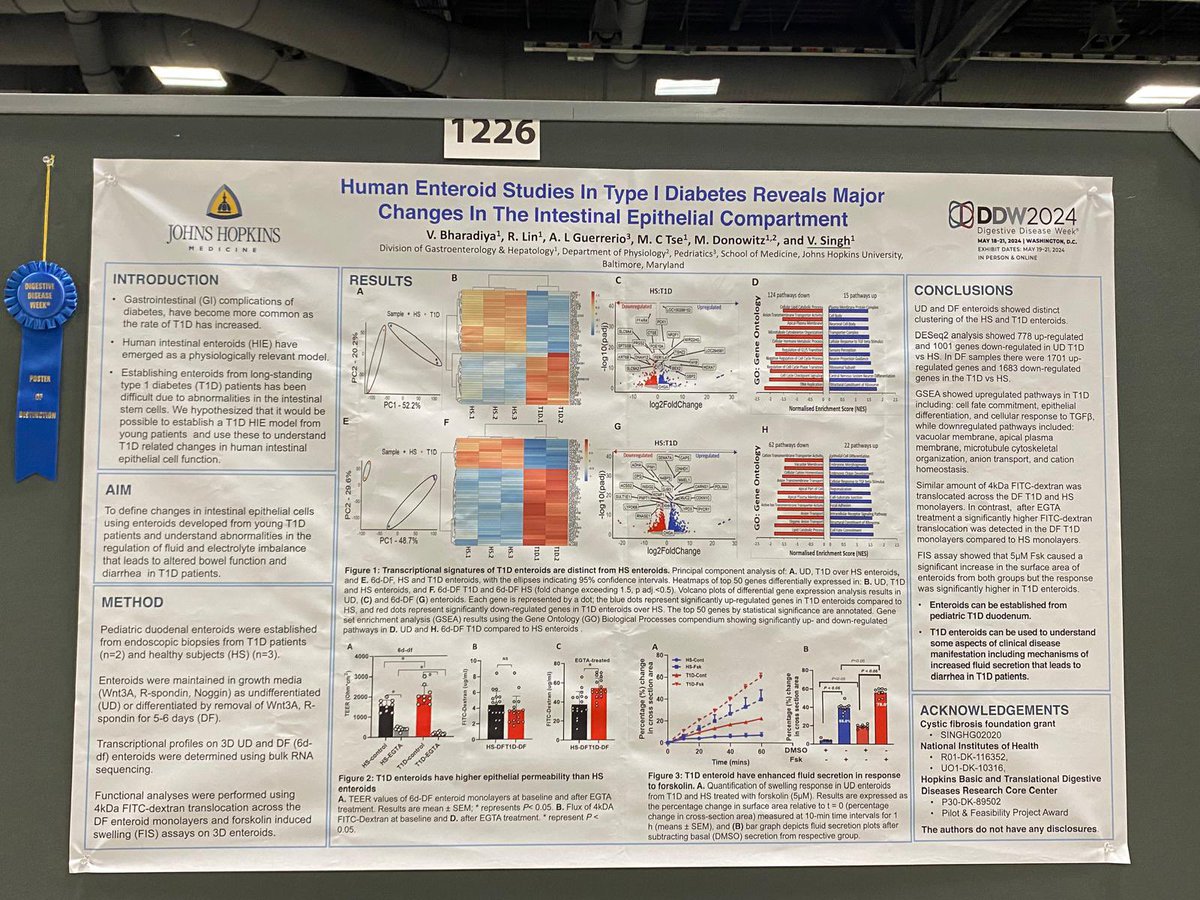
Checkout our Poster of Distinction at the #DDW this afternoon!
We report on epithelial changes in the T1D enteroids, showcasing the potential of ex-vivo models for studying GI complications and drug discovery in diabetes. Do stop by and have a look!