Secondary studies are post-approval studies that evaluate approved medicines for additional uses after the first FDA approval.
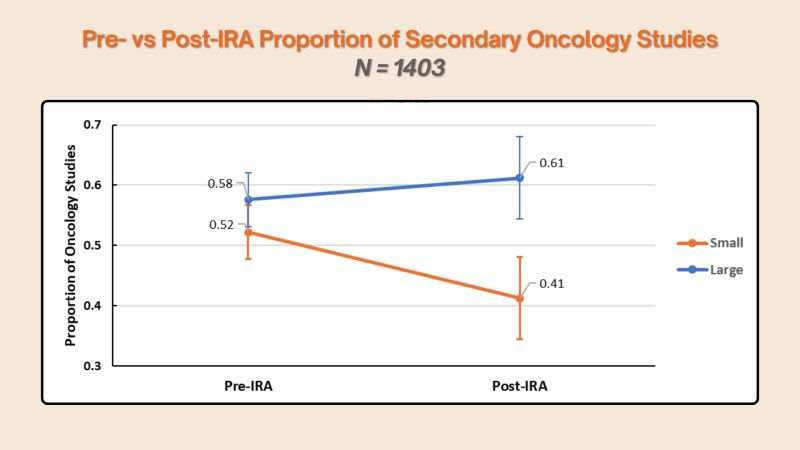
Our analysis estimated the share of small-molecule secondary studies that targeted oncology before and after IRA introduction. That share fell from 52% before IRA to 41% after IRA.
The IRA makes small molecules eligible for Medicare price negotiation after 9 years, compared to 13 years for biologics. The decline in small-molecule secondary oncology research is directly relevant to how pricing policy can shape research after approval.
Find the full paper here: https://t.co/ZfUNevRKzG
#HealthPolicy #Biopharma #Healthcare @DuaneSchulthess@ASCO
Orphan oncology studies focus on rare cancer indications, where patient populations are small, and the unmet medical need is high.
Our analysis estimated the share of orphan secondary studies that targeted oncology before and after the introduction of the Inflation Reduction Act (IRA). That share fell from 71% before the IRA to 57% after the IRA.
A decline in orphan oncology follow-on research means fewer post-approval studies in an area where additional treatment development is already difficult, and patient need remains high.
Read the full paper here: https://t.co/wI9BbBwzJ7
#HealthPolicy #Biopharma #Healthcare @DuaneSchulthess@ASCO
Lead indication approvals are the first approved uses of a medicine. Those first approvals can later become the starting point for post-approval studies in additional uses or patient populations.
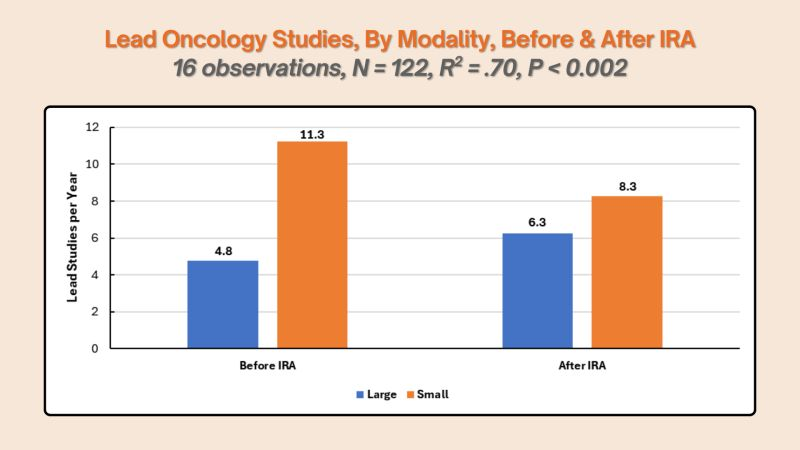
In our analysis, lead indication small-molecule oncology approvals declined by 27% after the introduction of the Inflation Reduction Act (IRA), from 11.3 per year to 8.3 per year.
Read the full paper to learn more: https://t.co/wI9BbBwzJ7
#HealthPolicy #Biopharma #Healthcare @DuaneSchulthess@ASCO
Follow-on studies evaluate approved medicines after their first FDA approval for additional uses or patient populations.
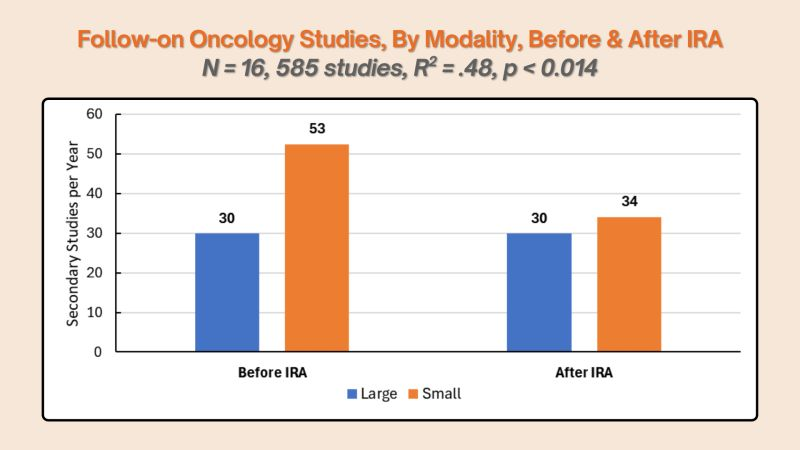
In our analysis, small-molecule oncology follow-on studies declined by 35% after IRA introduction, from 53 per year to 34 per year.
These results show that late-stage development was not insulated from IRA price-negotiation incentives. The clearest decline appeared in small-molecule oncology research, where the IRA applies an earlier Medicare negotiation timeline than for biologics.
Find the full paper here: https://t.co/ZfUNevSipe
#HealthPolicy #Biopharma #Healthcare @DuaneSchulthess@ASCO
After initial FDA approval, a cancer medicine may still be studied to see whether it can help different patients, additional cancer types, later disease stages, or new treatment combinations.
In our new preprint, we look at that post-approval research pathway before and after the Inflation Reduction Act (IRA). Our analysis includes 1,148 secondary trials from 364 FDA-approved medicines between 2018 and 2025.
The largest shift was in small-molecule oncology follow-on studies, which declined by 35% after the IRA’s introduction, from 53 per year to 34 per year. Oncology follow-on studies declined by 20% overall, while large-molecule oncology follow-on studies were unchanged.
Further, we found a 27% decline in lead indication small-molecule oncology approvals, meaning first approvals for small-molecule cancer medicines. The share of orphan oncology follow-on studies also declined by 14%, pointing to changes in research involving rare cancers.
For patients, the first FDA approval of a cancer medicine is not the only point where research can expand treatment options. Fewer post-approval studies may mean fewer opportunities to study approved medicines for additional uses, especially in areas with high unmet medical need.
Find the full paper here: https://t.co/ZfUNevRKzG
#HealthPolicy #Biopharma #Healthcare @DuaneSchulthess@ASCO
Our new preprint examines how the Inflation Reduction Act (IRA) affects late-stage and post-approval biopharmaceutical R&D. We analyzed 1,148 secondary trials from 364 FDA-approved medicines between 2018 and 2025. These studies capture research after first FDA approval, including work that can evaluate medicines for additional uses and patient populations.
Key Findings:
- Small-molecule oncology follow-on studies declined by 35%, from 53 per year before IRA to 34 per year after IRA.
- Oncology follow-on studies declined by 20% after the introduction of the IRA, from 325 to 260 studies.
- Lead indication small-molecule oncology approvals declined by 27% in the post-IRA period.
Post-approval research can help determine where approved medicines are studied next, especially in oncology. These findings point to a need to account for late-stage and post-approval research when evaluating how medicine pricing policy shapes innovation.
Read the full paper here: https://t.co/wI9BbBwzJ7
#HealthPolicy #Biopharma #Healthcare @DuaneSchulthess@ASCO
In our recent episode of the Vital Health Podcast, host Duane Schulthess (@DuaneSchulthess) speaks with two guests on reshoring, generic pricing, supply chain resilience, and medicine access:
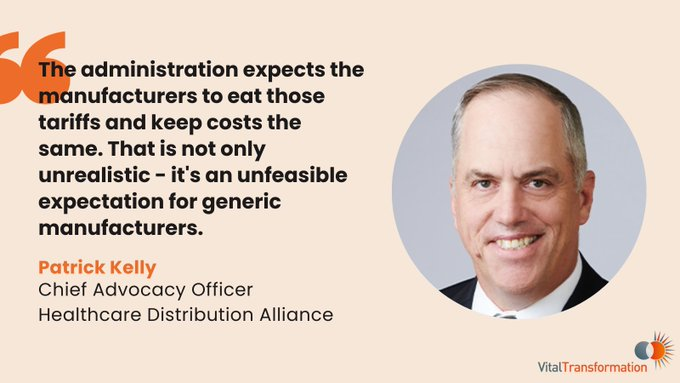
- Patrick Kelly, Chief Advocacy Officer at HDA - Healthcare Distribution Alliance (@HDAconnect)
- John Murphy III (@JAMurphy_III), President and CEO at Association for Accessible Medicines (@AccessibleMeds)
Watch the full episode here: https://t.co/IM6mjU04Fa
#VitalHealthPodcast #Generics #Reshoring #HealthPolicy #MedicineSupplyChain
In our recent episode of the Vital Health Podcast, host Duane Schulthess (@DuaneSchulthess) speaks with two guests on tariffs, generic pricing, reshoring, supply chain risk, and medicine access:
- Patrick Kelly, Chief Advocacy Officer at HDA - Healthcare Distribution Alliance (@HDAconnect)
- John Murphy III (@JAMurphy_III), President and CEO at Association for Accessible Medicines (@AccessibleMeds)
Watch the full episode here: https://t.co/IM6mjU0CuI
#VitalHealthPodcast #Generics #Tariffs #HealthPolicy #MedicineSupplyChain
In our recent episode of the Vital Health Podcast, host Duane Schulthess (@DuaneSchulthess) speaks with two guests on biosimilar competition, insurer incentives, generic pricing, tariffs, reshoring, and medicine access:
- Patrick Kelly, Chief Advocacy Officer at HDA - Healthcare Distribution Alliance (@HDAconnect)
- John Murphy III (@JAMurphy_III), President and CEO at Association for Accessible Medicines (@AccessibleMeds)
Watch the full episode here: https://t.co/IM6mjU04Fa
#VitalHealthPodcast #Biosimilars #Generics #HealthPolicy #MedicineAccess
Biosimilars are supposed to give patients more lower-cost alternatives to expensive biologic medicines. But John Murphy warns that when insurers and PBMs make their own private-label biosimilars and give those products preferred placement, other biosimilar makers may have less reason to invest in the market.
In this best-of edition of the Vital Health Podcast, we revisit conversations Duane Schulthess (@DuaneSchulthess) had with Patrick Kelly, Chief Advocacy Officer at the Healthcare Distribution Alliance (@HDAconnect), and John Murphy (@JAMurphy_III), President and CEO of the Association for Accessible Medicines (@accessiblemeds), on supply chain risk, generic shortages, biosimilar competition, IRA redesign, insurer incentives, and patient access.
Listen to the full episode here: https://t.co/IM6mjU0CuI
#VitalHealthPodcast #IRA #MFN #Biotechnology
Generic medicines account for 90% of prescriptions in the United States. Yet, many older generics and sterile injectables are priced so low that manufacturers have limited room to reinvest, add redundancy, or absorb new cost pressures.
In this best-of edition of the Vital Health Podcast, we revisit two conversations Duane Schulthess (@DuaneSchulthess) had with Patrick Kelly, Chief Advocacy Officer at the Healthcare Distribution Alliance (@HDAconnect), and John Murphy (@JAMurphy_III), President and CEO of the Association for Accessible Medicines (@accessiblemeds), on generic pricing, shortages, tariffs, reshoring, biosimilars, and the policy pressures shaping medicine access.
Listen to the full episode here: https://t.co/IM6mjU0CuI
#VitalHealthPodcast #IRA #MFN #Biotechnology
In this best-of edition of the Vital Health Podcast, we revisit two conversations Duane Schulthess (@DuaneSchulthess) has with experts on the future of generic medicines, drug shortages, and supply chain risk in the United States.
- Patrick Kelly: Chief Advocacy Officer, Healthcare Distribution Alliance (@HDAconnect)
- John Murphy (@JAMurphy_III): President and CEO, Association for Accessible Medicines (@accessiblemeds)
Across these conversations, they discuss how low prices, thin margins, supply chain disruption, reshoring pressure, biosimilar market dynamics, insurance design, and federal pricing policy shape access to generic and biosimilar medicines.
Listen to the full episode here: https://t.co/IM6mjU0CuI
#VitalHealthPodcast #IRA #MFN #Biotechnology
Better Science, Better Health is Vital Transformation’s educational channel for making complex healthcare research and policy easier to follow.
The channel was created to help translate research, regulation, evidence, and health policy topics into clear, accessible discussions for the broader healthcare community.
From drug value and access to regulatory decision-making and real-world evidence, Gwen O’Loughlin and Petra Naster (@PetraNaster) break down the issues shaping healthcare today.
Follow the channel on YouTube: https://t.co/dcAMBRyeEH
#BSBHbyVT #HealthPolicy #Healthcare #HealthEconomics @BSBHbyVT
In this episode of the Vital Health Podcast, host Duane Schulthess (@DuaneSchulthess) speaks with Christopher Locher, CEO at Versatope Therapeutics (@VersatopeRx), about the founding of Versatope, universal flu vaccine development, infectious disease financing, nanoparticle vaccine technology, population health, and antimicrobial resistance, when microbes stop responding to medicines.
Watch the full episode here: https://t.co/ewWglLNeSq
Learn more about Versatope Therapeutics here: https://t.co/SQbeUZhVN1
#VitalHealthPodcast #Vaccines #Influenza #Biotech #AntimicrobialResistance #HealthPolicy
In this episode of the Vital Health Podcast, host Duane Schulthess (@DuaneSchulthess) speaks with Christopher Locher, CEO at Versatope Therapeutics (@VersatopeRx), about National Institutes of Health (NIH) funding, studies in people, Food and Drug Administration (FDA) allowance, canceled research contracts, and grant cuts affecting small biotechnology companies.
- Watch the full episode here: https://t.co/ewWglLMH2S
- Read the referenced STAT article here: https://t.co/Fanhy8TGY0
#VitalHealthPodcast #NIH #ClinicalResearch #Vaccines #Biotech #HealthPolicy
In our recent episode of the Vital Health Podcast, host Duane Schulthess (@DuaneSchulthess) speaks with Christopher Locher, CEO at Versatope Therapeutics (@VersatopeRx), about vaccine financing, small biotechnology companies, private capital, the Inflation Reduction Act, and the market for biologics and vaccines.
Watch the full episode here: https://t.co/ewWglLMH2S
#VitalHealthPodcast #Vaccines #Biotech #HealthPolicy #Biopharma #IRA
In this episode of the Vital Health Podcast, host Duane Schulthess (@DuaneSchulthess) speaks with Christopher Locher, Chief Executive Officer at Versatope Therapeutics (@VersatopeRx), about childhood vaccination policy, U.S. and European immunization systems, school requirements, reviewing benefits and risks, and public trust in vaccine guidance.
Watch the full episode here: https://t.co/ewWglLMH2S
#VitalHealthPodcast #Vaccines #Immunization #PublicHealth #HealthPolicy
In our latest episode of the Vital Health Podcast, host Duane Schulthess (@DuaneSchulthess) speaks with Christopher Locher, Chief Executive Officer at Versatope Therapeutics (@VersatopeRx), about the current landscape for vaccine manufacturers and innovators.
Their conversation covers vaccine platform development, financing challenges for infectious disease companies, policy and regulatory uncertainty, the public health implications of changes to childhood immunization schedules, and the steps needed to rebuild trust in vaccination.
Watch the full episode here: https://t.co/ewWglLMH2S
Better Science, Better Health (@BSBHbyVT) is Vital Transformation's channel for making complex healthcare topics easier to follow.
Through podcasts, articles, and other content, Gwen O'Loughlin and Petra Naster (@PetraNaster) help translate research, regulation, and evidence into clearer explanations for a broader healthcare audience.
See the refreshed website here: https://t.co/gfQKsUhRP7
#BSBHbyVT #MFN #HealthPolicy
New on Better Science, Better Health: Gwen O'Loughlin and Petra Naster (@PetraNaster) take a closer look at how the prisoner's dilemma helps explain drug pricing policy.
In this first episode, they unpack MFN, competition, innovation, and the tradeoffs that can shape whether medicines reach patients in clear, practical language.
Watch here: https://t.co/Zq9ZvAn2Q0
@BSBHbyVT #HealthPolicy #IRA #MFN #DrugPricing