Did you know that vitamin D and vitamin K work together to support your health?
From bone strength to cardiovascular health, these two essential nutrients play complementary roles. But do you need to take them together? How much vitamin K is enough? Can you get enough from food alone?
Our latest review answers the most common questions about vitamins D and K, explores the science behind their partnership, and helps clear up common misconceptions.
Read more: https://t.co/uFSmVSLM4C
#VitaminD #VitaminK #VitaminK2 #BoneHealth #HeartHealth #Nutrition #Micronutrients #HealthyAging #Wellness #GrassrootsHealth
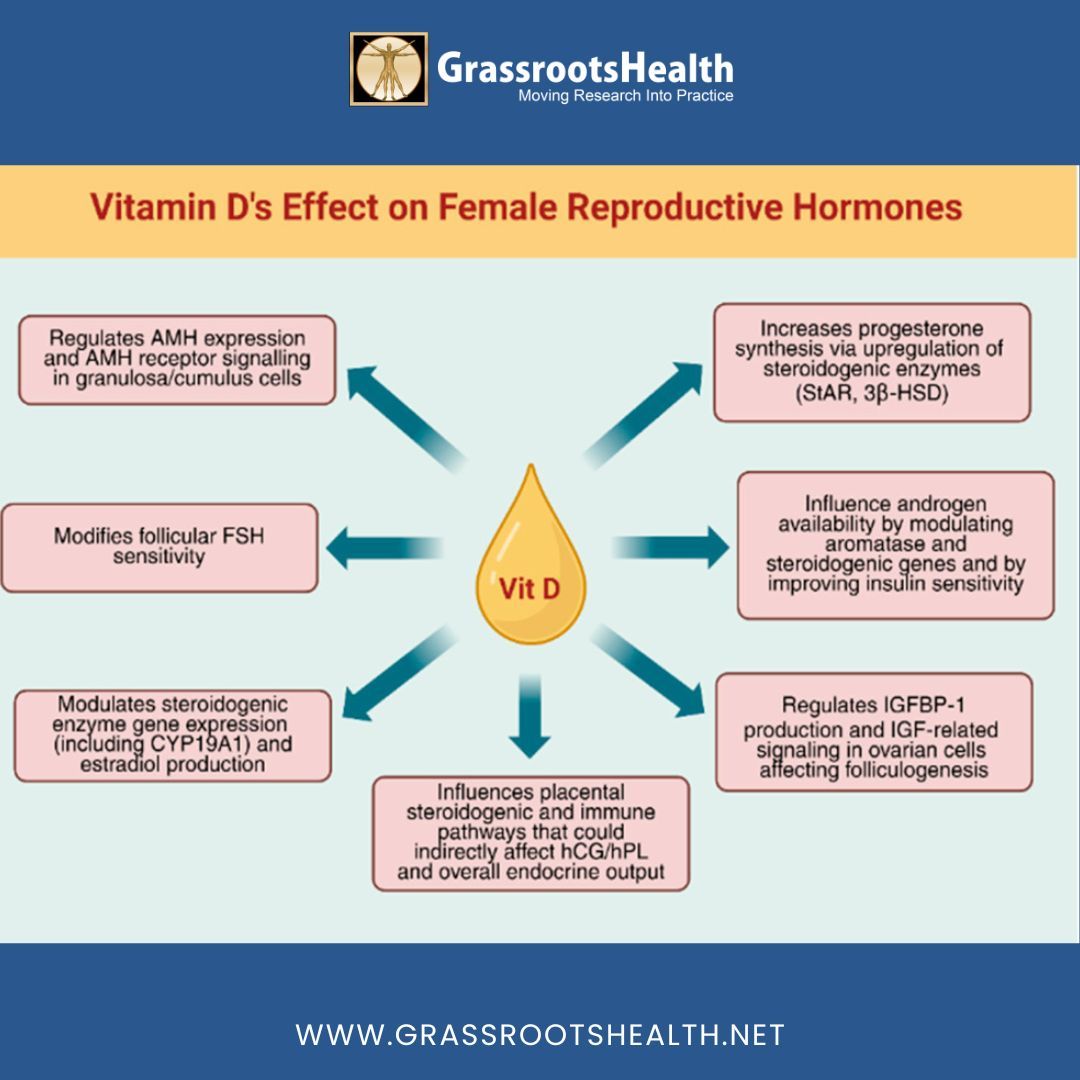
🌸 Could your vitamin D levels be affecting your hormones and reproductive health?
Emerging research suggests that vitamin D plays a much bigger role in women's health than previously recognized. From supporting hormonal balance and menstrual health to fertility, pregnancy, and conditions like PCOS, PMS, endometriosis, and fibroids, maintaining healthy vitamin D levels may have far-reaching benefits.
Because vitamin D receptors are found throughout the female reproductive system, adequate vitamin D status may help regulate key reproductive hormones, support ovarian function, improve menstrual regularity, and promote healthier pregnancy outcomes.
💡 The takeaway? Knowing your vitamin D level is an important step toward optimizing your overall health and well-being.
Read the full blog to learn more:
https://t.co/HmIAThkM6J
#VitaminD #WomensHealth #HormoneHealth #ReproductiveHealth #PCOS #PMS #Fertility #PregnancyHealth #HormonalBalance #VitaminDResearch #PreventiveHealth #GrassrootsHealth
Every breath you take depends on healthy lungs and maintaining optimal vitamin D levels may play an important role in supporting respiratory health.
Vitamin D helps regulate immune function, supports healthy lung tissue, and contributes to the body's natural defense against respiratory infections. Research has also shown that individuals with low vitamin D levels may be at greater risk for respiratory illnesses, underscoring the importance of achieving and maintaining optimal vitamin D status.
Understanding the science behind vitamin D can empower you to make informed decisions for your long-term health and well-being.
Read the full article to learn how vitamin D supports healthy lung function and discover practical steps you can take to optimize your vitamin D levels:
https://t.co/0V0I805S5Y
#VitaminD #VitaminDResearch #RespiratoryHealth #LungHealth #ImmuneHealth #PreventiveHealth #PublicHealth #HealthyLiving #Wellness #HealthEducation #EvidenceBasedHealth #NutrientOptimization #GrassrootsHealth
Could optimizing your vitamin D level help lower cancer risk?
Research published by GrassrootsHealth found that women with vitamin D blood levels of 40 ng/mL (100 nmol/L) or higher had a 71% lower risk of developing invasive cancer compared with those whose levels were below 20 ng/mL (50 nmol/L). The greatest reduction in risk was observed as vitamin D levels increased from approximately 10 to 40 ng/mL.
One of the key takeaways from this research is that vitamin D status matters more than vitamin D intake alone. Since individuals respond differently to the same supplement dose, testing your vitamin D level is the best way to determine whether you've reached an optimal range.
While vitamin D is just one piece of a healthy lifestyle and cannot prevent or treat cancer on its own, maintaining adequate levels may play an important role in supporting long-term health.
📖 Learn more about the research:
https://t.co/qIDNkzWn6d
💬 Have you had your vitamin D level tested recently? Share your experience in the comments!
#VitaminD #CancerPrevention #HealthResearch #GrassrootsHealth #PreventiveHealth #Wellness #PublicHealth #KnowYourVitaminD #VitaminDTesting
🩺 Sepsis can turn life-threatening in a matter of hours. Every year, millions of families around the world are impacted by this serious condition. Emerging research suggests that vitamin D status may play an important role in how well the body responds during severe illness.
A new study involving 829 hospitalized adults with sepsis found that patients with vitamin D levels of 12 ng/mL or higher were about 40% more likely to survive for 90 days after hospitalization compared to those with lower levels.
Researchers also found that individuals with higher vitamin D levels had a 61% greater likelihood of being discharged alive within 15 days, suggesting a faster recovery.
Perhaps most concerning, the median vitamin D level among patients in the study was just 11.2 ng/mL, highlighting how widespread severe vitamin D deficiency may be among those facing serious illness.
While vitamin D is not a treatment for sepsis, these findings add to a growing body of evidence showing that maintaining healthy vitamin D levels before illness occurs may help support a more resilient immune system when it is needed most.
Health challenges often come unexpectedly. Taking steps today to optimize your vitamin D status may be one simple yet meaningful way to support your long-term health and immune resilience.
☀️ Are you getting enough vitamin D? Check your level and take charge of your health.
📖 Read more: https://t.co/45tZ8qRiX0
#VitaminD #Sepsis #ImmuneHealth #PreventiveHealth #HealthResearch #VitaminDResearch #GrassrootsHealth #PublicHealth #HealthyLiving #Wellness #ImmuneSupport
@afshineemrani I developed the Vitamin D Wellness Protocol in 2014 that encompasses vitamin D3, vitamin K2, and magnesium glycinate. https://t.co/BmQopHWaMj
🩺 Sepsis can turn life-threatening in a matter of hours. Every year, millions of families around the world are impacted by this serious condition. Emerging research suggests that vitamin D status may play an important role in how well the body responds during severe illness.
A new study involving 829 hospitalized adults with sepsis found that patients with vitamin D levels of 12 ng/mL or higher were about 40% more likely to survive for 90 days after hospitalization compared to those with lower levels.
Researchers also found that individuals with higher vitamin D levels had a 61% greater likelihood of being discharged alive within 15 days, suggesting a faster recovery.
Perhaps most concerning, the median vitamin D level among patients in the study was just 11.2 ng/mL, highlighting how widespread severe vitamin D deficiency may be among those facing serious illness.
While vitamin D is not a treatment for sepsis, these findings add to a growing body of evidence showing that maintaining healthy vitamin D levels before illness occurs may help support a more resilient immune system when it is needed most.
Health challenges often come unexpectedly. Taking steps today to optimize your vitamin D status may be one simple yet meaningful way to support your long-term health and immune resilience.
☀️ Are you getting enough vitamin D? Check your level and take charge of your health.
📖 Read more: https://t.co/G9Go9Cvt7g
#VitaminD #Sepsis #ImmuneHealth #PreventiveHealth #HealthResearch #VitaminDResearch #GrassrootsHealth #PublicHealth #HealthyLiving #Wellness #ImmuneSupport
Please help us get this important discussion into the hands of the people who can make a difference.
Our goal is to encourage policymakers, public health leaders, medical organizations, and guideline committees to review the evidence presented by this panel of leading vitamin D experts and consider updating vitamin D policies and clinical guidelines to better reflect the current science.
If you know anyone involved in health policy, public health, government, healthcare leadership, medical societies, or guideline development, please share this presentation with them. Even one introduction or one share could help move this conversation forward.
The easiest ways to help are:
• Share the GrassrootsHealth blog (includes built-in social sharing buttons):
https://t.co/MbFyVwp99x
• Repost or share the GrassrootsHealth social media posts (links below).
• Share the YouTube recording directly:
https://t.co/AKNL0TV45x
Thank you for helping us bring the latest vitamin D science to those in a position to improve public health policy
🌸 Women's health is deeply interconnected, and vitamin D is an important piece of the puzzle.
From supporting hormone balance and reproductive function to promoting healthy pregnancy outcomes, vitamin D plays a vital role throughout every stage of a woman's life. Yet vitamin D deficiency remains common worldwide and has been linked to conditions such as infertility, PCOS, endometriosis, preeclampsia, and gestational diabetes.
Optimizing vitamin D status before and during pregnancy may not only support maternal health, but also contribute to the lifelong health and well-being of the next generation.
Whether you're planning for pregnancy, navigating hormonal changes, or simply striving for better overall health, understanding and maintaining healthy vitamin D levels is an empowering step toward supporting your body's natural processes.
Learn more about the science connecting vitamin D, women's hormones, and reproductive health in our latest blog.
🔗 Read the full article: https://t.co/tgkmHYFWBM
#VitaminD #WomensHealth #HormoneHealth #ReproductiveHealth #Fertility #PregnancyHealth #MaternalHealth #PCOSAwareness #HormonalBalance #PreventDeficiency #SunshineVitamin #GrassrootsHealth
Vitamin D deficiency is common, and may significantly impact patient health.
Low vitamin D status has been associated with an increased risk of:
• Fractures & bone loss
• Muscle weakness and falls
• Reduced immune function
• Poor mood & mental health challenges
Advance your clinical practice with our CE-approved Vitamin D eCourse.
✔ Evidence-based research review
✔ Practical screening and assessment tools
✔ Personalized supplementation guidance
✔ CE credits available
Gain the knowledge and tools to help patients achieve optimal vitamin D status and support better patient outcomes.
👉 Enroll Today: https://t.co/dKLmZnxS4p?
#VitaminD #VitaminDEducation #CECourse #ContinuingEducation #MedicalEducation #HealthcareProfessionals #FunctionalMedicine #IntegrativeMedicine #PreventiveHealth #EvidenceBasedMedicine #VitaminDResearch #PatientCare #GrassrootsHealth
☀️ Despite South Africa’s abundant sunshine, vitamin D deficiency remains one of the most under-recognized health challenges affecting communities across the country.
As rates of chronic conditions such as diabetes, obesity, hypertension, autoimmune diseases, and depression continue to rise, many healthcare professionals are beginning to ask an important question: could widespread vitamin D deficiency be contributing to this growing burden of disease?
Vitamin D plays a critical role in immune function, bone health, muscle strength, mood regulation, and overall well-being. Yet many individuals experience symptoms such as persistent fatigue, frequent infections, body aches, and low mood without realizing that low vitamin D status may be part of the picture.
For those with darker skin tones, higher melanin levels naturally reduce the skin’s ability to produce vitamin D from sunlight, often requiring longer sun exposure to achieve adequate levels. Since vitamin D is difficult to obtain through diet alone, maintaining healthy levels can be especially challenging.
In one South African medical practice, more than 95% of tested patients were found to have vitamin D levels below 40 ng/mL, highlighting the urgent need for greater awareness, testing, and education.
This insightful article offers a frontline perspective from a South African medical doctor whose understanding of vitamin D has evolved through both clinical experience and emerging scientific research.
📖 Read the full article and discover why vitamin D deserves a larger place in the conversation about public health:
https://t.co/5bHjWmQISR
#VitaminD #VitaminDDeficiency #SouthAfrica #PublicHealth #PreventiveHealth #ImmuneHealth #ChronicDiseasePrevention #HealthAwareness #Wellness #HealthyLiving #SunshineAndHealth #GrassrootsHealth