🇺🇦 З Днем Незалежності, Україно! І від співробітників посольства та Team France в Києві — Дякую!
Bonne Fête de l’Indépendance, Ukraine ! Et de la part des agents de l’ambassade et de l’Equipe France à Kyïv — Merci ! 💙💛
Finland congratulates Ukraine and the Ukrainian people on your 35th Independence Day. Our friendship dates back to 1918, and we have stood by your side throughout your years of independence.
Finland stands with Ukraine today, tomorrow, and for as long as it takes. 🇫🇮🇺🇦
З Днем Незалежності, Україно!🇺🇦🇱🇻
Salute to Ukraine’s Armed Forces, to everyone defending Ukraine and the principles of a free and democratic Europe, and to Foreign Minister @andrii_sybiha and all his colleagues advancing these efforts through #diplomacy .
Happy Independence Day, #Ukraine 🇺🇦! Ukrainians keep on nurturing the spirit of freedom and standing strong. 🇺🇦 has become a safety net for Europe, and it is our moral obligation to support Ukraine's defence. Honoured to stand together to celebrate freedom. Slava Ukraini!
At Ukraine’s Independence Day commemoration in Kyiv, I was deeply honoured to receive Ukraine’s Order of Liberty from President @ZelenskyyUa.
This award belongs to the people of Lithuania for their unwavering support for Ukraine.
Together until victory.
Slava Ukraini!
En ce Jour de l’Indépendance de l’Ukraine, la France salue un peuple qui défend sa liberté, sa souveraineté, son avenir.
On ne soumet pas un peuple libre.
L’Ukraine est debout.
La France, l’Europe et tous les partenaires de la Coalition des volontaires, à ses côtés.
King Charles III congratulated President Volodymyr Zelenskyy and the Ukrainian people on the 35th anniversary of Ukraine’s declaration of independence. The message was published by the British Embassy in Kyiv.
The monarch praised Ukraine’s proud history and rich culture, as well as the courage shown by Ukrainians in defending their homeland, national identity and values.
According to Charles III, the Ukrainian people’s unwavering determination continues to inspire deep admiration in the United Kingdom and around the world. He also highlighted the strong friendship between the two countries and the close ties between their peoples.
On behalf of himself and his wife, the King wished all Ukrainians peace, security and prosperity in the coming year.
🇺🇦 24 sierpnia Ukraina obchodzi Dzień Niepodległości.
#AndrzejSeweryn zaprasza na Plac Zamkowy w Warszawie.
Pokażmy, że Polska wciąż ma tę twarz, która zadziwiła cały świat na początku wojny.
Stańmy po stronie walczących z rosyjską agresją.
Do zobaczenia!
🇵🇱 🇺🇦
#SlavaUkraïni
There are 2 places where chauvinism and fascism are antagonistic towards the Ukrainian language:
Putin's Russia and Nawrocki's Poland.
https://t.co/yWwAgBVYFg
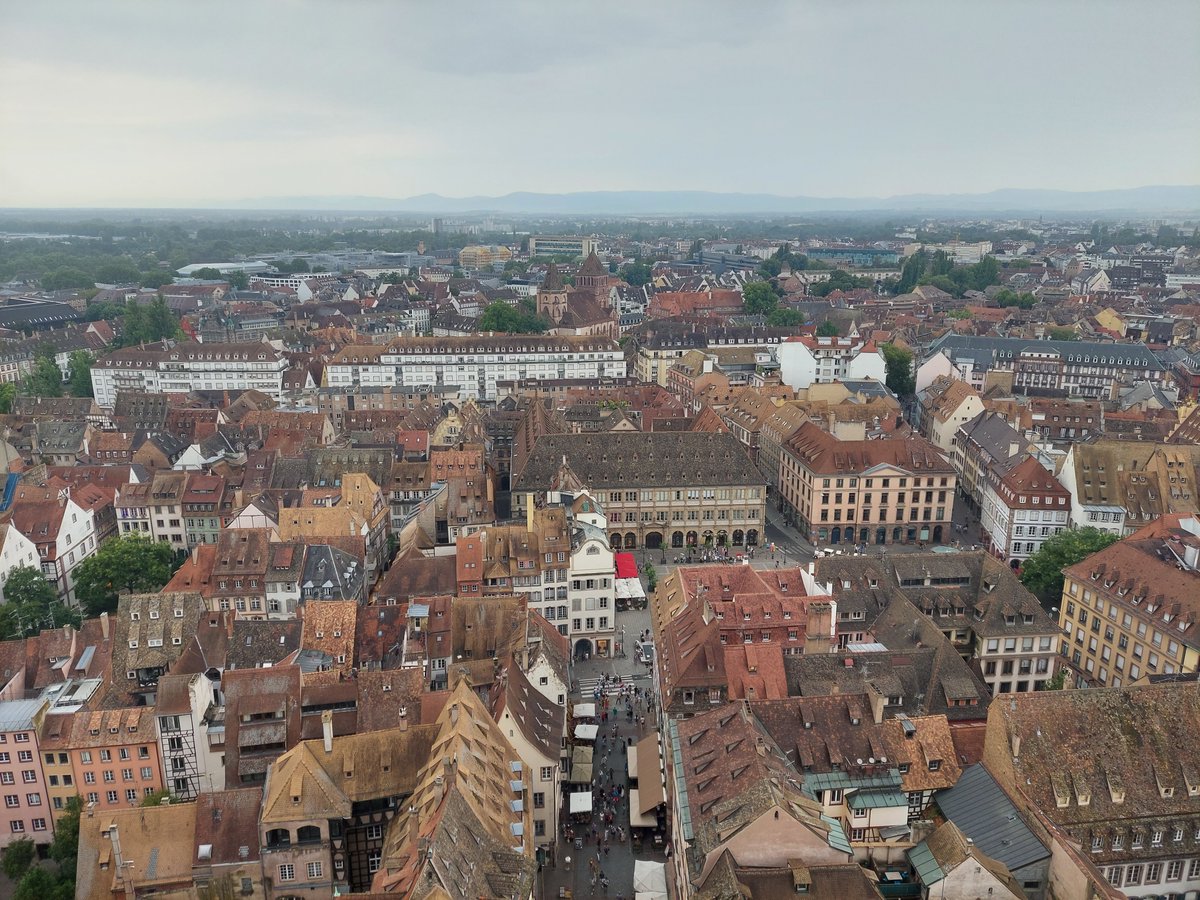
🇺🇦Представників ЗСУ не запрошено на сьогоднішній парад у Варшаві, чергові відео агресії проти українців у Польщі.Дивлюсь на це з перспективи Кафедрального собору у Страсбурзі і не видно цієї польської дріб'язовості та істерії. Алевидно український прапор на європейських установах
Poland's Government and Polish Institute of National Remembrance is worthy of the Soviet Union and Putin's Russia in whitewashing history to ignore Ukrainians by not inviting them to the parade in Warsaw in honour of the defeat of the Bolsheviks in 1920.
This is probably because Ukrainian soldiers who helped to save Poland were treated despicably by Warsaw after the defeat of the Bolsheviks.
After the Polish-Soviet War ended with the armistice in October 1920 and the Peace of Riga (March 1921), Poland ceased military operations. With the war over and Poland now at peace with Soviet Russia, Symon Petlura's UNR (Ukrainian Peoples Republic) army — numbering 20,000 soldiers — crossed into Polish-held territory rather than surrender to the Red Army. Earlier, another 80,000 soldiers and supporters of the ZUNR (West Ukrainian Peoples Republic) had been interned after ZUNR had been defeated by Poland.
Poland interned approximately 100,000 Ukrainians in a series of concentration camps:
Kalisz — the largest and most important concentration camp
Szczypiorno
Aleksandrów
Kujawski
Wadowice
Łańcut
and others
Conditions in the Polish concentration camps included overcrowding, poor supplies, and the demoralisation. They were often denied adequate food and medicine. The death toll is estimated at 20, 000 out of the 100,000 Ukrainians who were interned. These victims included officers, soldiers, priests, lawyers, and doctors who had supported Ukrainian independence. The internment lasted through to the mid 1920s.
The soldiers and supporters of the ZUNR and UNR who survived Polish internment joined the Ukrainian diaspora in France, Czechoslovakia, and elsewhere.
Poland's military defeat of ZUNR and occupation of western Ukraine, betrayal of the UNR at the Treaty of Riga and despicable treatment of Ukrainian supporters of ZUNR and UNR led to their radicalisation and "Turn to the Right". This culminated in the formation of OUN (Organisation of Ukrainian Nationalists) in 1929 which targeted Soviet Russia and Poland as the enemies of Ukrainian independence.
The evolution from ZUNR and UNR soldiers and supporters to OUN was analysed by Alexander Motyl in his The Turn to the Right: The Ideological Origins and Development of Ukrainian Nationalism, 1919–1929 (East European Monographs series and Columbia University Press,1980). The book is available to download:
https://t.co/uD6s0yPYZg