Most merchants switch to crypto acquiring to save money. Many do. But not as much as expected.
Because "0.25% processing fee" and "0.25% all-in cost to your bank account" are two completely different things.
The headline rate is just the entry point. The real cost depends on how you settle.
Full breakdown → https://t.co/VERNTtePXF
The hardest part of expanding into emerging markets isn't finding users. It's getting money to them reliably.
@Derivdotcom knows this better than most.
"Before, a significant part of the team's energy went into transaction recovery. That's time that doesn't go into growth."
They partnered with @VoletCom. Six months later:
— 25,000+ transactions processed
— 8 markets unlocked across 4 continents
— Growth up to +46.7% in Benin alone
What changed — and how: https://t.co/UnwWq7wykl
Your payment processor holds your revenue🔒
Then decides when to release it.
Sometimes — whether to release it at all.
Smart contracts remove this entirely. Code executes. Funds move directly ⚡ — nobody holds what's yours between payment and settlement.
Shopify, Coinbase, Stripe are all rebuilding around this now.
Here's what it actually means for your business → https://t.co/bwXbgv3Tbs
Most expansion problems aren't product problems.
They're payment problems.
Deriv had the traders. They had the markets. What they didn't have was a payment infrastructure that could actually reach them.
6 months with https://t.co/Rz3GXRIRMz changed that:
– 25,000+ transactions,
– 8 markets unlocked,
– growth up to +46.7% in Benin alone.
Full case study → https://t.co/UnwWq7wykl
The #1 reason platforms don't add crypto: "We'd need blockchain engineers for that."
Actually, no.
→ CMS plugin: live in under 10 minutes
→ Hosted Checkout: live in hours
→ Full API: live in 1–2 days
Processing cost: from 0.25% vs 2.9%+ on Stripe. No chargebacks. No redirects.
Your dev team doesn't need to know anything about blockchain to ship this.
Full breakdown → https://t.co/OZ6QsknnoW
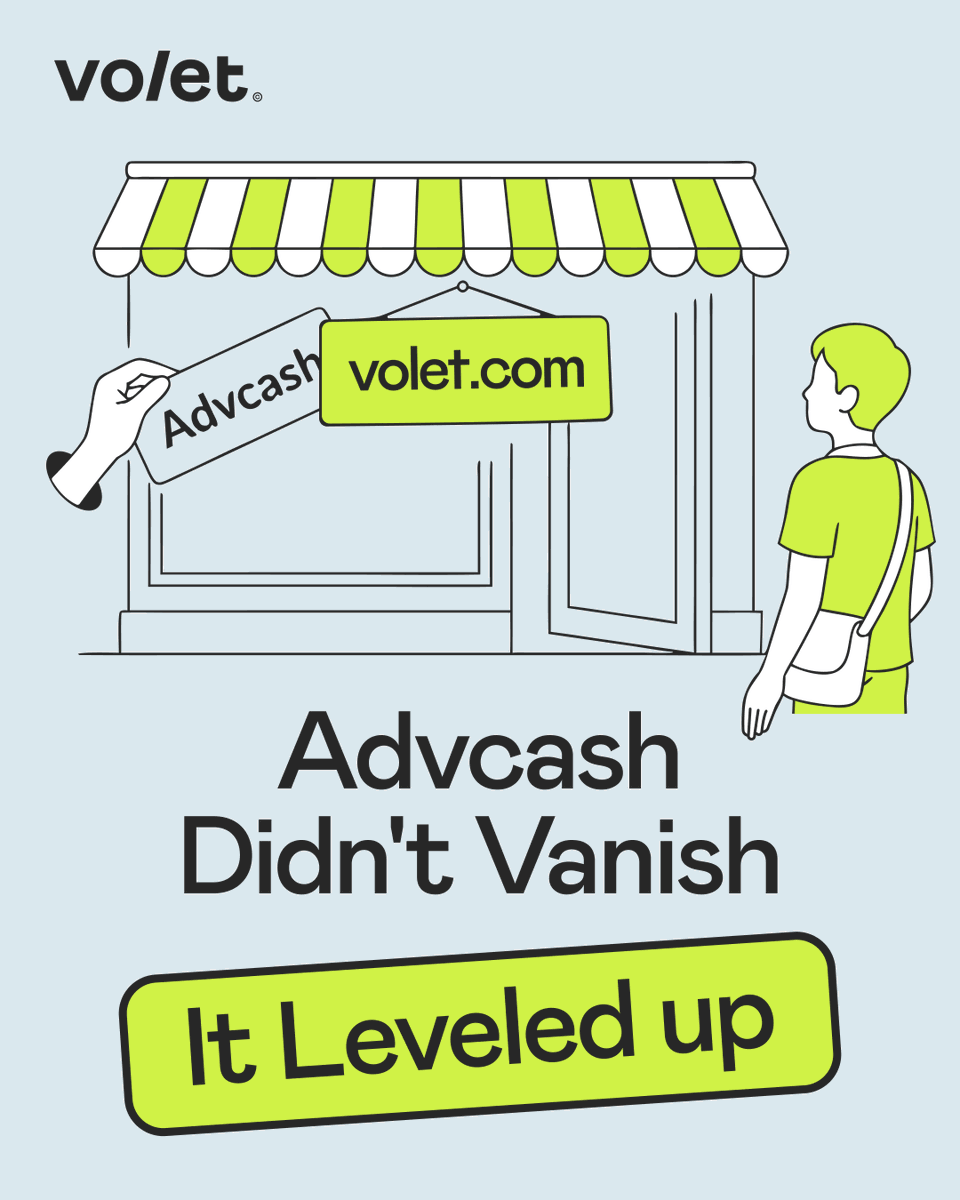
Some brokers still list it as "Advcash." Some API docs still use the old name. Some users still Google it in 2026.
The rebrand to https://t.co/Rz3GXRIRMz happened in March 2024 — but the questions haven't stopped.
What actually changed: licenses, legal structure, products. What didn't: your account, your balance, your login.
The full breakdown → https://t.co/F9q64GeaEP
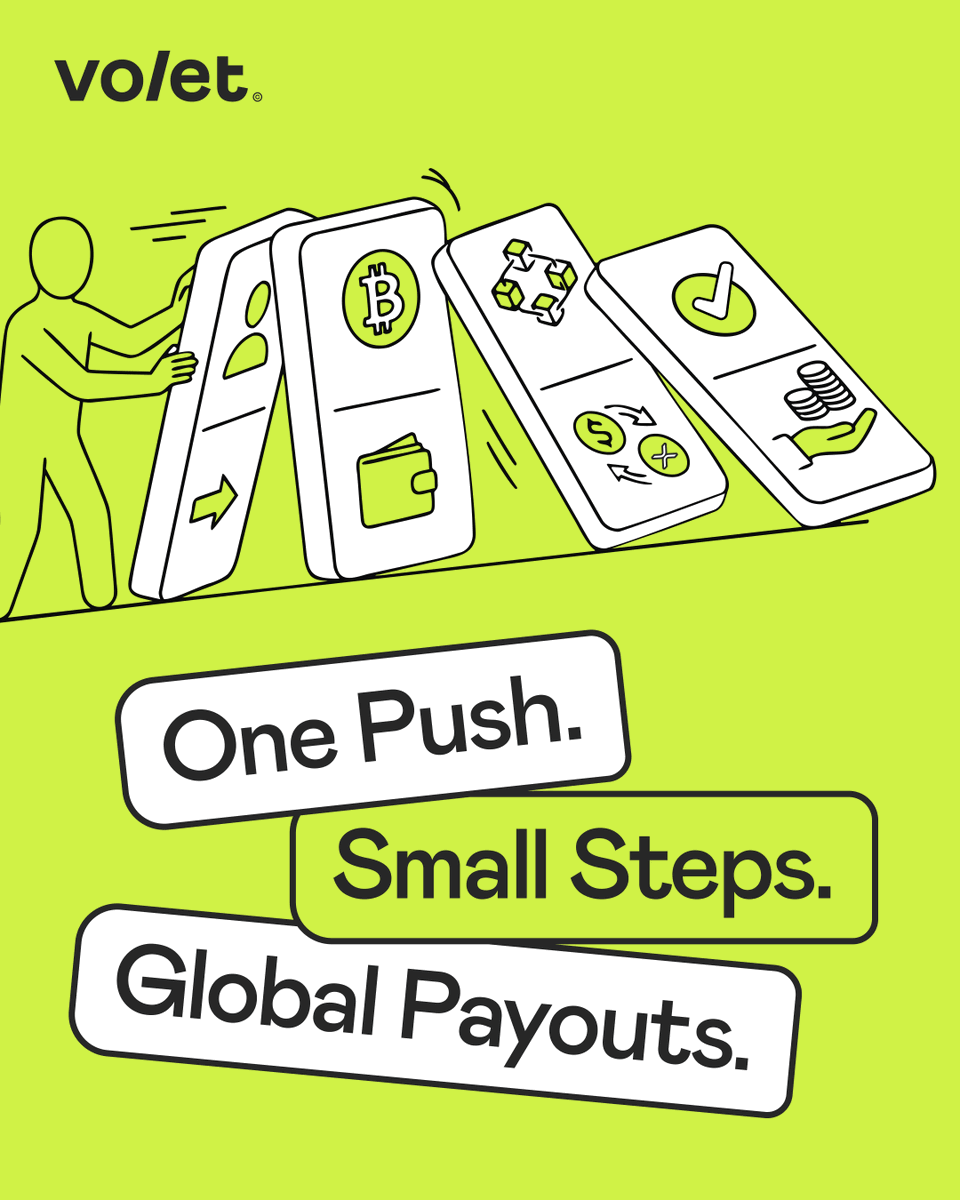
Most platforms don't fail at crypto payouts because the technology is hard.
They fail because they try to migrate everything at once.
The smarter move: pick your highest-fee corridor, run crypto in parallel, measure one cycle.
At 200 payouts/month, a spreadsheet works fine. At 2,000 — it works against you.
Full guide for affiliate networks, marketplaces, iGaming platforms, and creator economies → https://t.co/TZArk6BvrV
Most crypto wallets do one thing well: holding.
https://t.co/Rz3GXRIRMz was built for everything that comes next:
→ Receive BTC, ETH, USDT, SOL and more — directly to your wallet address
→ Send crypto to another https://t.co/Rz3GXRIRMz user — free and instant, no blockchain fees
→ Convert crypto to fiat in one click — USD or EUR, right inside your account
→ Withdraw to local bank accounts in 20+ currencies
→ Load a prepaid card and spend in 150+ countries
Same account. No switching between apps.
More details → https://t.co/1XTAE2sAQd
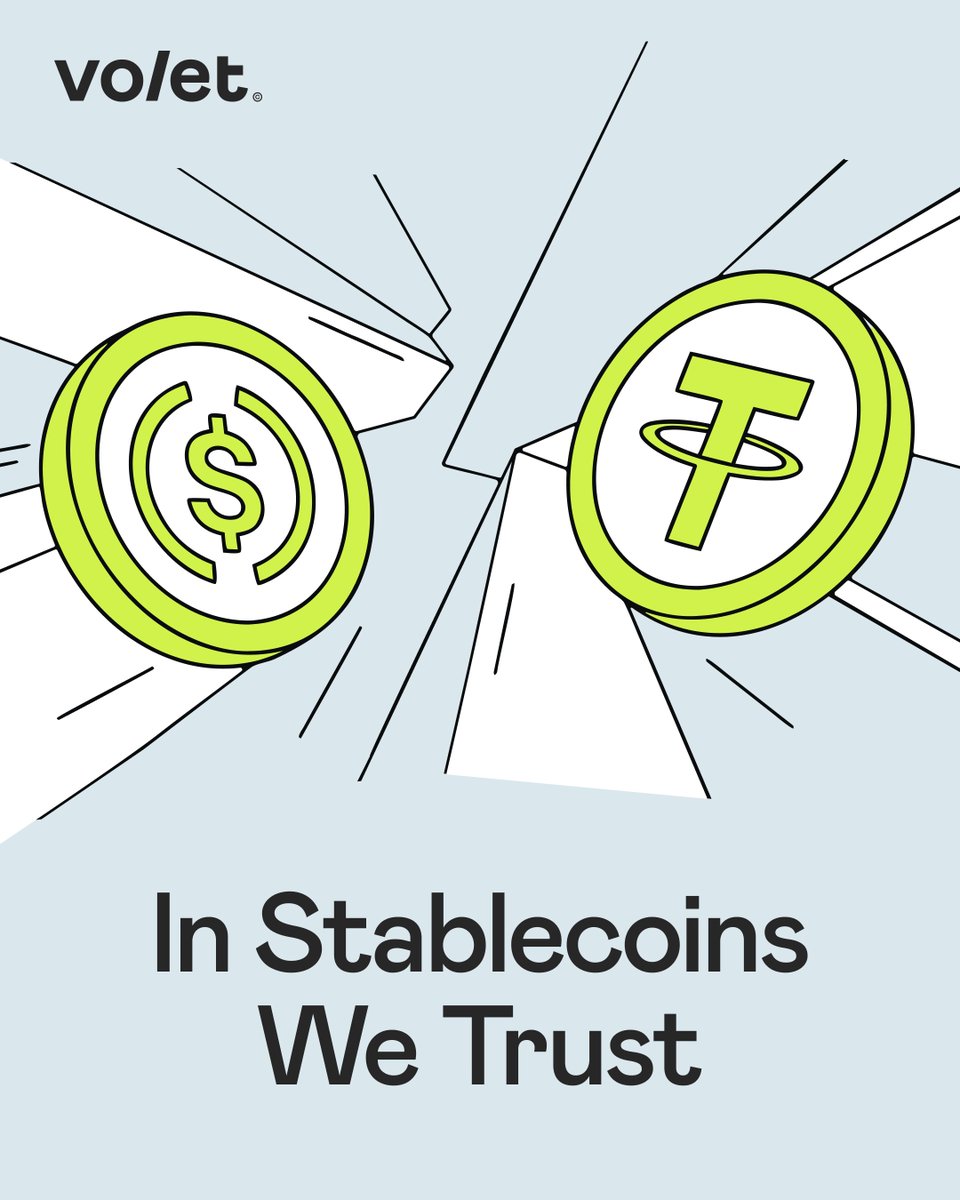
The stablecoin hierarchy is quietly flipping.
USDT built its dominance on CEX liquidity and emerging market volume — and it still owns that territory. But the fastest-growing segment of crypto is DEX activity, and there USDC leads by a wide margin.
Hyperliquid runs entirely on USDC. L2 networks favor USDC. MiCA is forcing European exchanges to drop USDT altogether.
Tether isn't losing its position. But Circle is systematically capturing the infrastructure that crypto is actually being built on.
The question for businesses isn't "which stablecoin is bigger." It's which one will dominate the rails your customers are moving to.
Full breakdown → https://t.co/jatXPcKqQz
Everyone talks about which digital wallet to use.
Nobody talks about what actually happens when you set one up wrong — no 2FA, wrong withdrawal method for your region, weak password on a custodial account where you don't control the keys.
The setup step is where most users lose money. We wrote the guide that covers this properly →
https://t.co/gaXavxQpkm
Crypto payouts that go nowhere aren't payouts. They're just numbers on a screen.
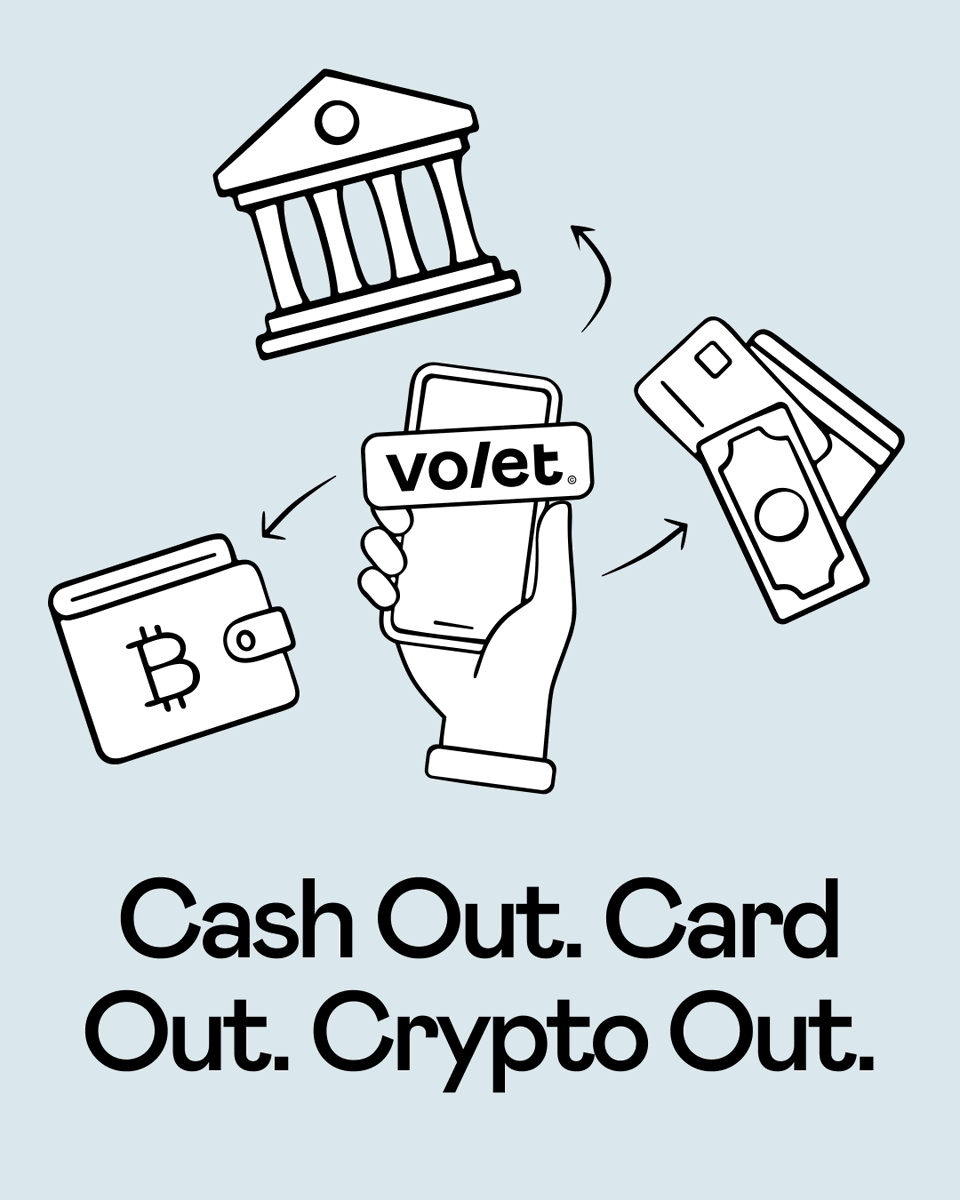
Bank. Card. On-chain. Three ways to actually move money after it lands in https://t.co/H0HlJx5Z0f wallet.
→ https://t.co/hrJKSZZizF
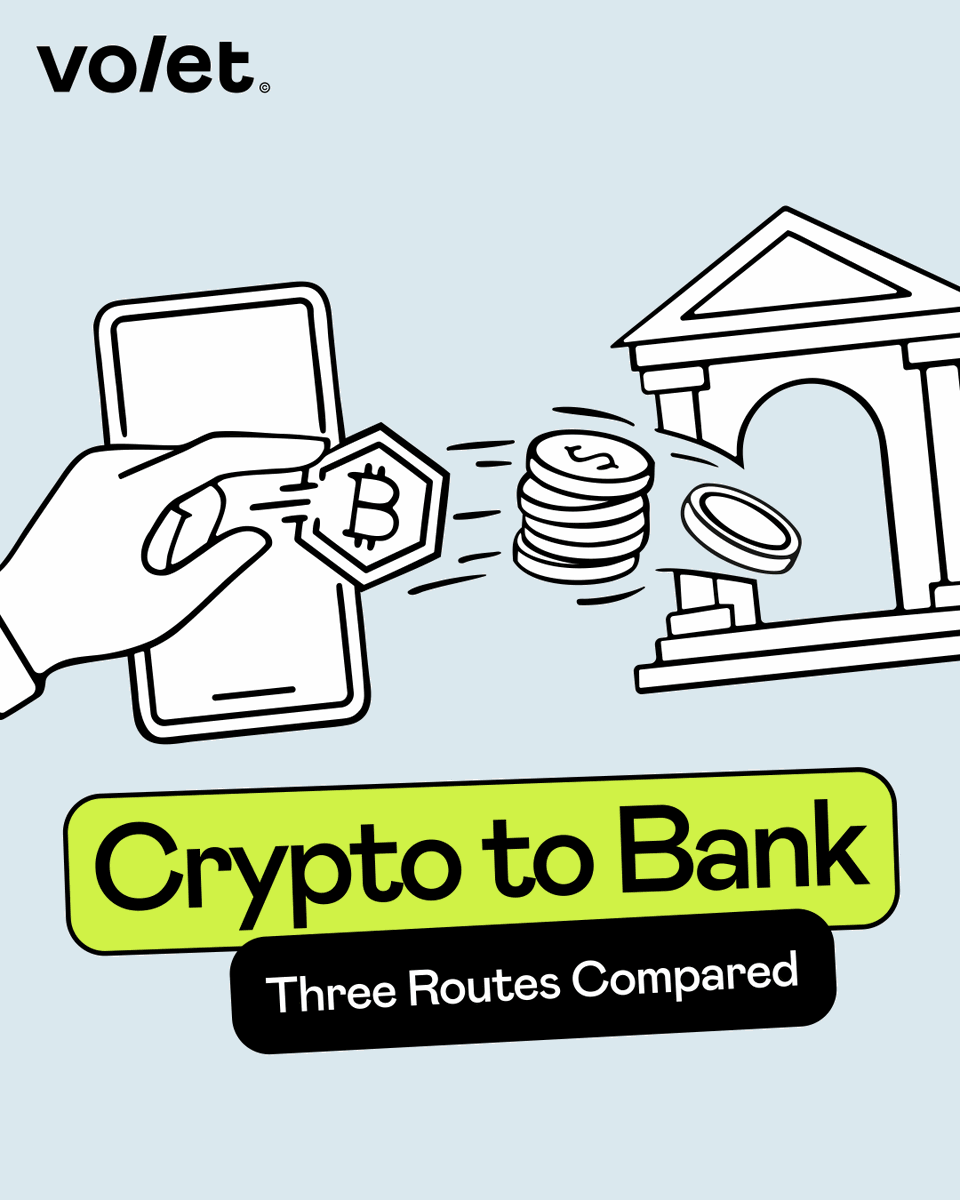
If you pay contractors or affiliates in crypto, they all face the same question: how do I actually get this into my bank?
Three methods, different fee structures and caveats:
💱 Exchange (Binance, Coinbase, Kraken)
🤝 P2P (selling directly to another person)
📱 Off-ramp wallet (like https://t.co/Rz3GXRIRMz)
No single method is best for everyone. It depends on where your recipient is, what currency they need, and whether their bank cooperates with crypto-originated transfers.
We broke it all down step by step ↓
https://t.co/dveN7FokhI
Your product is global. Your checkout isn't.
Up to 70% of potential customers in emerging markets have no international cards. But they have money — and crypto wallets.
One integration. Flat fee. No local entities required.
We wrote the playbook on crypto acquiring for emerging markets ⬇️
https://t.co/AFAwxB6snw
What if your affiliates got paid the second they drove a conversion?
Not in 30 days. Not after hitting a $50 threshold. Instantly.
Here's how crypto makes it possible 👇
https://t.co/h1YySUysol
@pavelmatsuev Hello 👋 Thanks for reaching out!
Our website is fully SSL-secured with industry standard encryption and a valid certificate, as seen in Chrome and other popular browsers.
If you are not seeing this, please DM us which browser you are using, and we will check. Thanks!