Get to know VORT in just over 2 minutes.@Arguspad
Explore reward cycles, eligibility, funding thresholds, and the three-stage allocation. Learn how to choose reward assets and verify payouts through the public ledger.
#Arc#vort#argus
Watch the guide below 👇
Follow a real VORT reward cycle in just over 2 minutes.
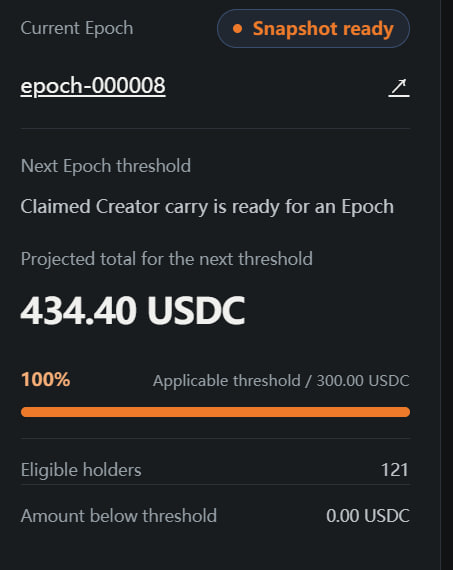
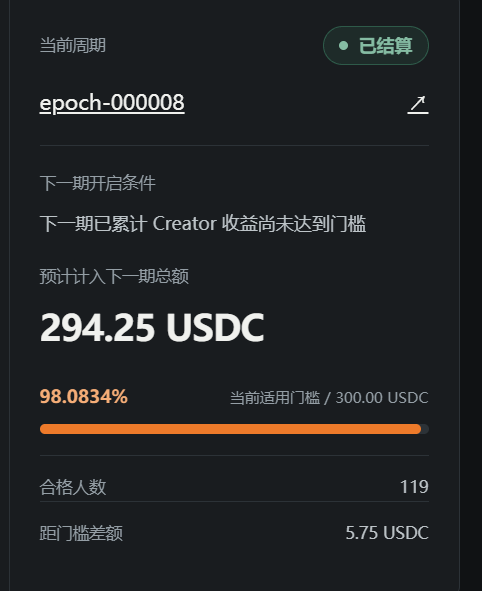
Explore Epoch 10: fee proceeds, eligibility, funding thresholds, and the three-stage allocation. Learn how to verify a holder’s payout on-chain through the public ledger.
#Arc#VORT#Argus
Watch the guide below 👇
We’re planning a video to walk you through a full VORT reward cycle, right on the website.
We’ll show how fees build up, what starts a new Epoch, how the funds are split, and how rewards reach holders’ wallets. Along the way, we’ll open the transaction links and show you how to check the records yourself.
We’re waiting for the first Epoch after the update to finish so we can use a real example from the new system. Once it settles, we’ll take you through the whole process, step by step.
VORT Reward Update
$VORT is now the default holding reward asset for all wallets. Users who have not set a preference will receive $VORT by default in the next Epoch.
You still have full control. Connect your wallet and sign to choose USDC, Arc-supported tokens, or other official reward assets for the next Epoch. Preference changes apply only to Epochs that have not yet been created. Snapshots already taken, Epochs already in execution, and completed settlements will not be changed.
We also noticed frequent “developer buy/sell” labels on trading charts. That made it look like the team was actively trading $VORT.
What actually happened: fee releases, fund claims, and reward distributions inside the Argus Splitter were previously submitted on-chain by the developer wallet. Some charting platforms tag trades by the sender address, so protocol automation was shown as developer buys and sells.
These were VORT reward-protocol fund-handling transactions, not discretionary team trades based on market price. Funds still follow the public rules into holder rewards, operations, or other protocol-defined paths.
To prevent further confusion, we have moved automated execution off the developer wallet. A separate Reward Executor now handles Splitter releases and reward distribution.
The system will also accumulate fees first and process them near the Epoch threshold, cutting frequent small on-chain txs and misleading chart tags.
This change only affects who executes and how often. Reward rates, eligibility, asset preferences, Epoch snapshots, and allocation rules stay the same. Claims, distributions, and settlements remain verifiable via the VORT transparent ledger and on-chain txs.
Regarding the consecutive DS/DB markers appearing on the chart: this is not active trading or selling by the team. The current automated settlement process is invoked by the Creator wallet through the Argus Splitter, completing fee token swaps, buyback-and-burn, and Creator revenue crediting according to the contract rules, which is why it is flagged by third-party charts as "developer buy/sell." The relevant funds enter the VORT reward ledger and are distributed as 90% holder rewards / 10% operations, fully verifiable on-chain. We will migrate the automated execution to an independent Keeper to avoid continuing to generate misleading labels; the revenue rules and holder rights remain unchanged.
What looks like a developer sell is Argus fee VORT being auto-sold into USDC for the flywheel: buyback, burn, and distribution — not a team dump. Early self-bought drop-reward VORT was moved to the ops wallet, so developer wallets no longer hold VORT.