We strive towards a future where knowledge and interest in our oceans ecosystems and history forge a sustainable interaction between man and the oceans.
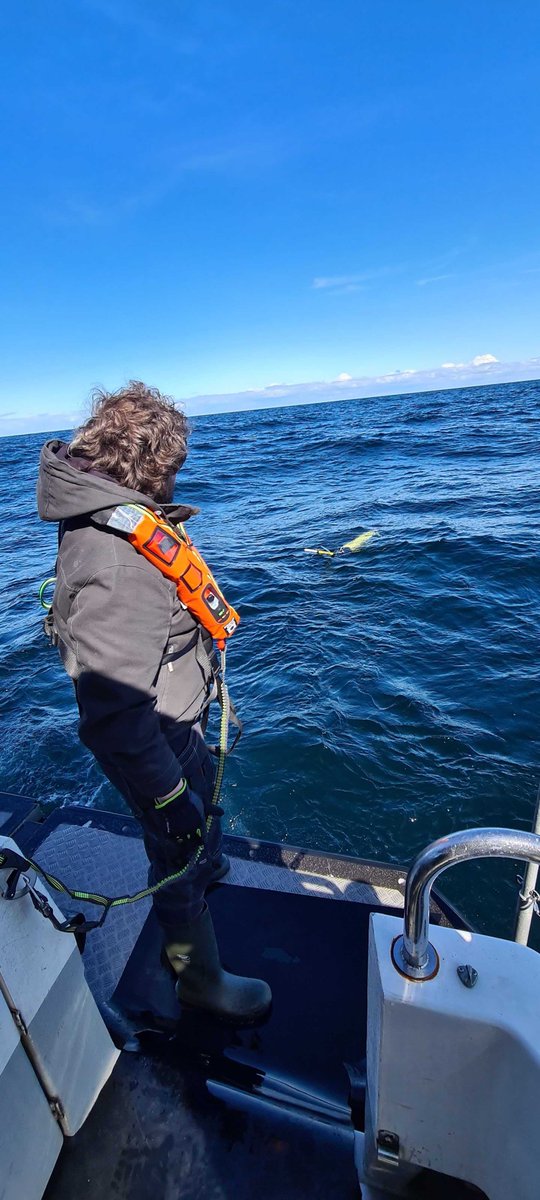
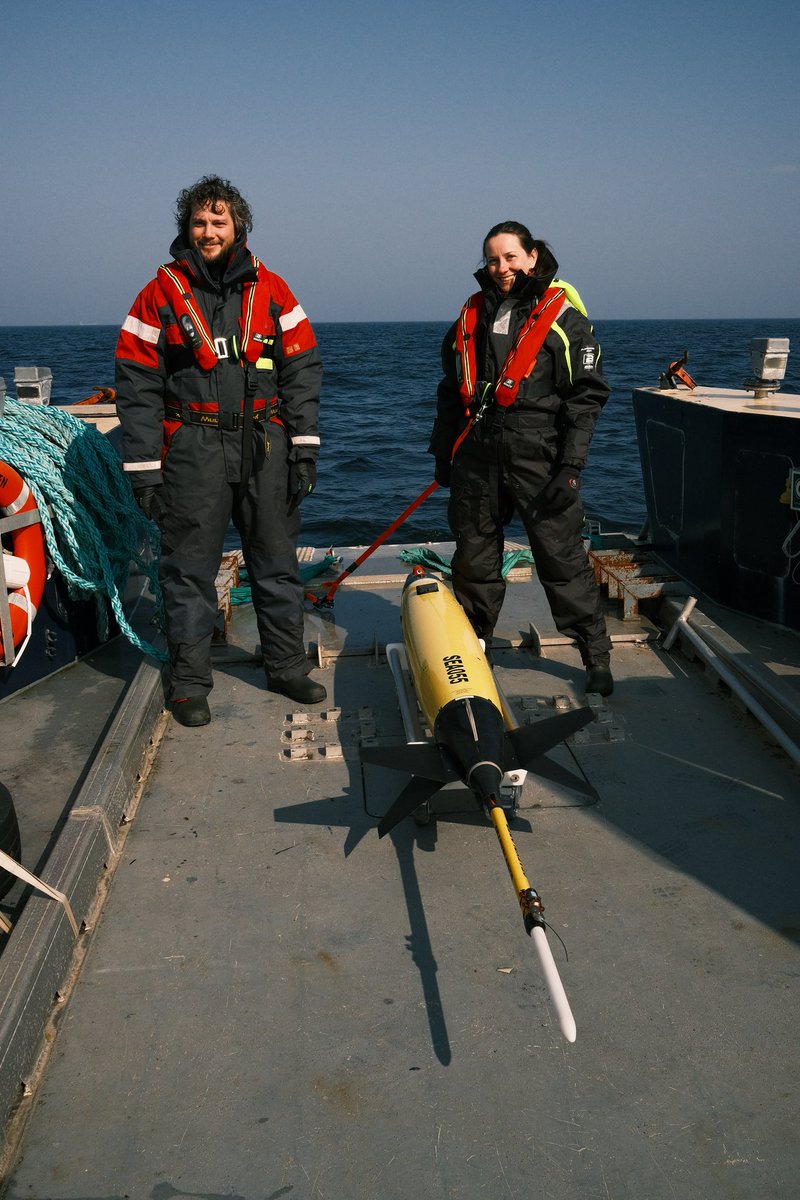
Forskare från @goteborgsuni har placerat ut tre undervattensrobotar vid #Nordstream-läckorna. Dessa ska under tre månader bevaka vilken miljöpåverkan metangasutsläppet har på livet i havet. Robotarna mäter 24/7. #gliders#forskning#miljö
https://t.co/kISI2Q2bD3
Our existing Ocean Observatory in the Bornholm Basin also acts as a great complement to this fast response project, supporting scientists by gathering immediate and essential data!
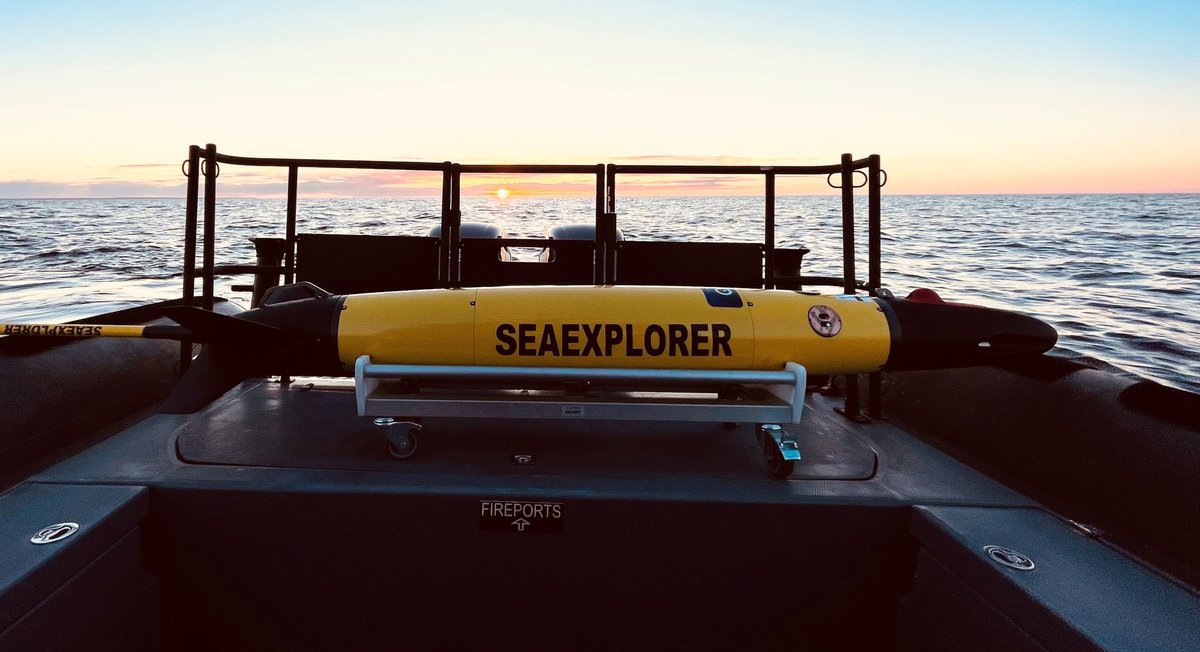
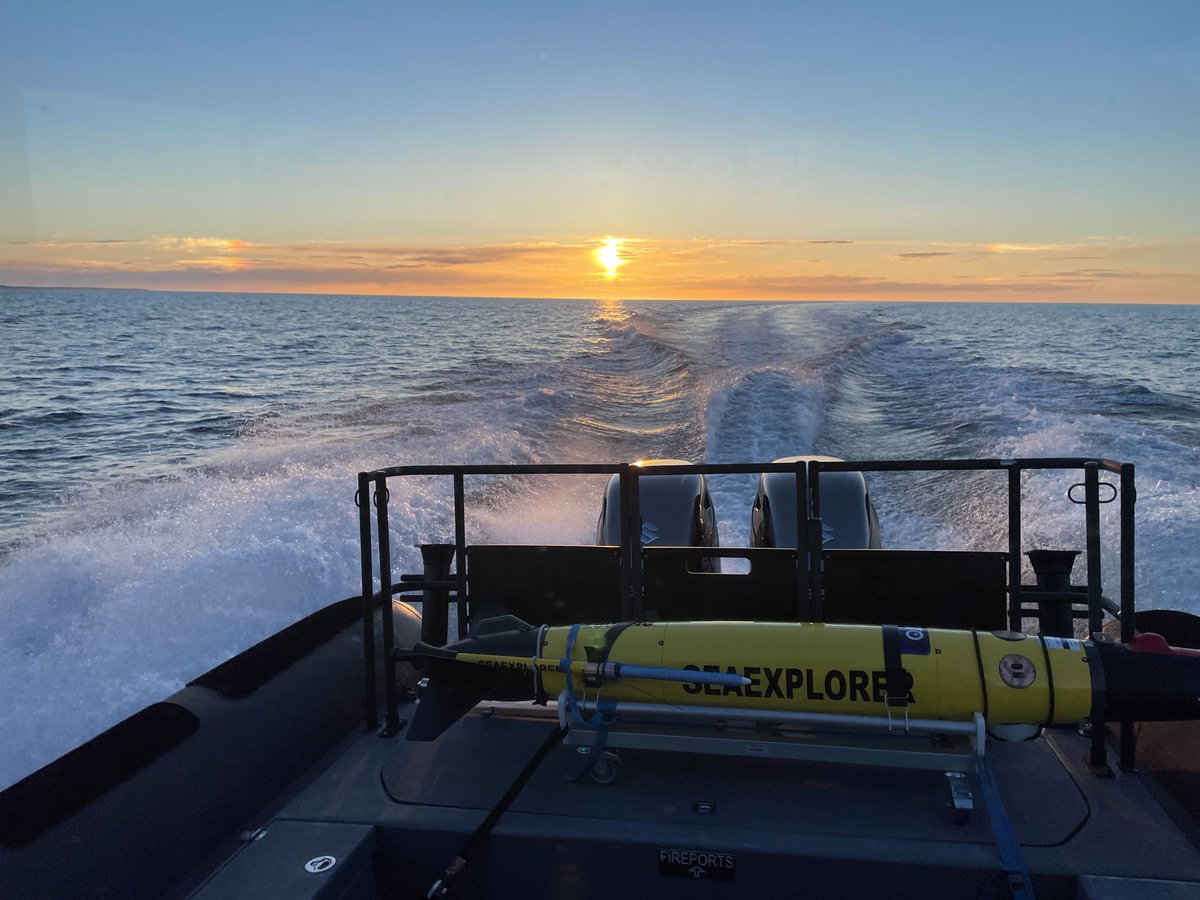
Several @SeaExplorerUUV were recently deployed at the site of the #NordStream leak by GROOM II partners @goteborgsuni@VOTO_knowledge@alseamar. Coordination between industry, organisations & academia across borders opens up the door for rapid and effective response in the ocean.
Today is a big day!! 22.2.22 marks ONE YEAR of us continuously occupying our first two observatory sites with our @SeaExplorerUUV fleet. This is a huge achievement and we're so proud of our fantastic operations team and colleagues who have helped us along the way! #oceangliders
We have another opportunity to come and join us here in Gothenburg! We have a vacancy for an oceanographic technician; are you keen to join a dynamic team to work with marine robotics? Apply now! https://t.co/dlM9CsRWrT
Exciting news: we're growing the team and are looking for *two* researchers in Baltic oceanography to come and join us! #gliders#Baltic@SeaExplorerUUV
https://t.co/wwpW6bHpJd
@DrQueste We have 2 rigs: one for the west coast, and one for the south and east coast. Each has a rosette, a CTD with chlorophyll and phycocyanin fluorescence sensors and an oxygen optode, we also have single niskins for quick small samples when we don't want to deploy the whole rig.
Keeping our gliders in the water all the time is great but it raises a significant challenge: how do we keep our sensors calibrated and accurate without losing time in the water?
We now have a CTD and rosette to take calibration casts and samples during launch and recovery!
@DrQueste We can't say too much just yet, but we're working with @SeaExplorerUUV for a solution that may help you get nitrate and phosphate directly without the need for a CTD ;)
We'll keep you posted!
The 6th addition to our glider fleet just arrived to the workshop.
SEA061 - VASS carrying RBR Legato, Rinko DO, OCR504 and Wetlabs ECO-triplet, will join Ljung in the Baltic soon.
@SeaExplorerUUV
Welcome SEA063 - #Ljung, our new addition to the #Baltic fleet. Currently equipped with CTD, DO, ADCP and fluorometer. It will soon join with #Kaprifol outside Bornholm.
#SeaExplorerUUV
Busy week at Voto! After a short maintenance and battery charging Martorn and Kvanne are back in Skagerrak. Another team is on their way to Karlskrona to recharge Kaprifol. Well done team 1 and good luck team 2!! 😊🌸
@SeaExplorerUUV
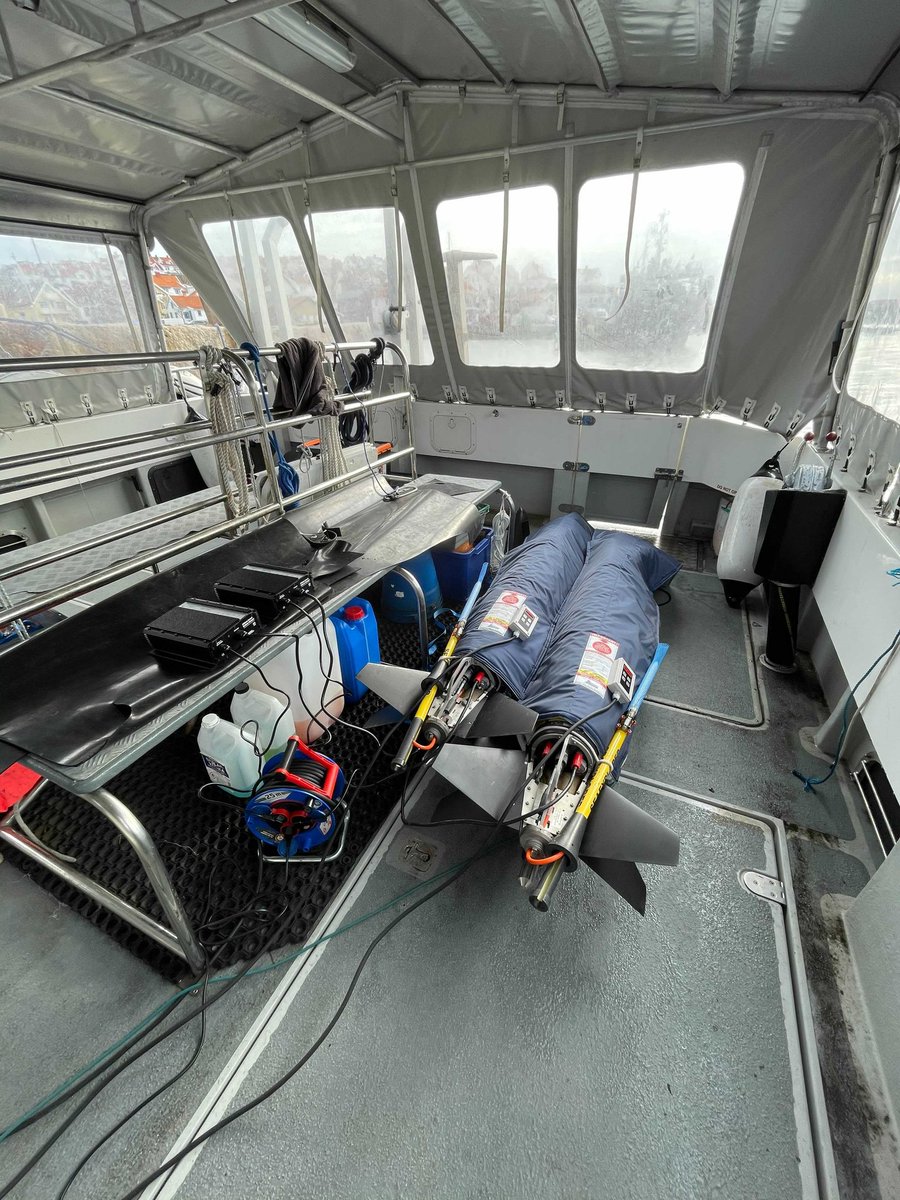
From the workshop - gliders maintenance and data download in progress... The team is getting ready for next week deployments! 🤓 @SeaExplorerUUV@AK_Mazur@MarcusMelin4
By remaining present throughout the year and collecting high-definition measurements like these, we are able to see these incredibly important and rapid processes to better understand life in the Baltic Sea. This was reconstructed from 1.7 million measurements in just 3 weeks !
This figure shows measurements collected by Kaprifol, our @SeaExplorerUUV underwater vehicle, over 3 weeks in the Bonrholm Basin. The brighter colors show increasing amounts of chlorophyll, a pigment found in microscopic algae called phytoplankton, in the shallow waters.
In the spring, the Baltic Sea goes from an environment with little phytoplankton to one teeming with life. Concentrations of phytoplankton can multiply by a factor of a hundred over a few short days.
We've now turned around both observatories: @SeaExplorerUUV recovery, charging and re-deployment in Kattegat and Bornholm with a quick turnaround. It works! We are on the right track to long term measurements in the Baltic and Skagerrak using gliders!