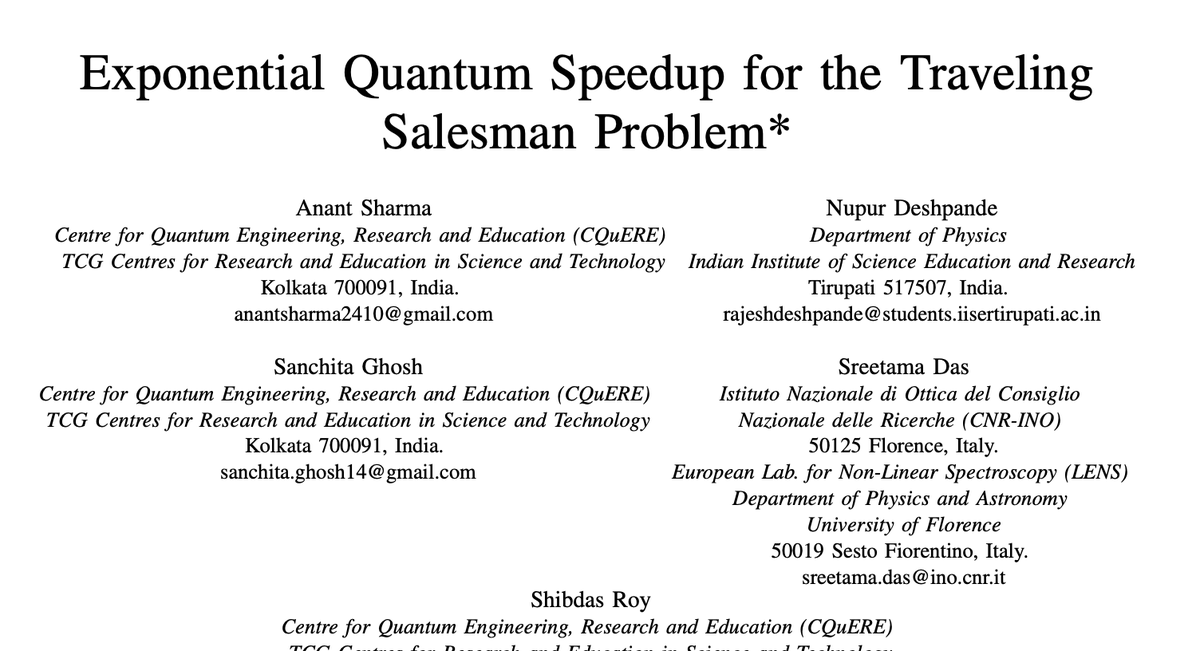
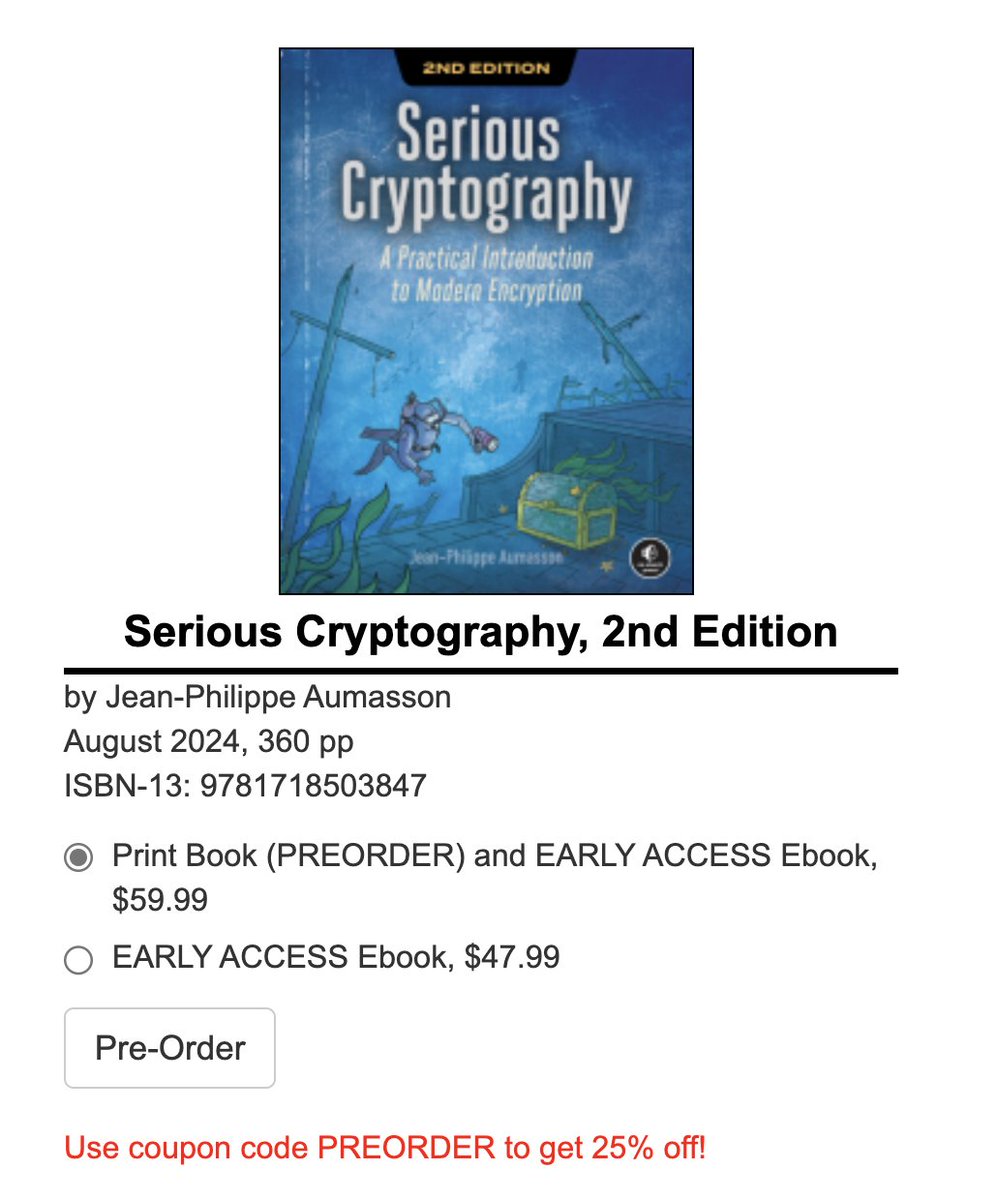
hey @cryptodavidw, looking at how the Drake-Kendrick "beef" boosts their sales and visibility, I suggest we start recording diss tracks about each others' crypto books
(we cant do worse than their last boring songs that sound GPT-generated)
🧵1/ How can you privately prove your own location? In our latest research, we introduce Zero-Knowledge Location Privacy (ZKLP) via IEEE 754 compliant floating-point operations in SNARKs!
if you tokenize securities you should consider using the CMTAT token framework https://t.co/LVvT3o2uvG, which has multiple advantages over other security tokens https://t.co/zu9Sxr1qC9
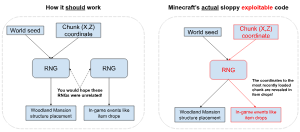
""Randar" is an exploit for Minecraft which uses LLL lattice reduction to crack the internal state of an incorrectly reused java.util.Random in the Minecraft server, then works backwards from that to locate other players currently loaded into the world."
https://t.co/s3qwgjJBVn
@hdevalence@zooko@dlubarov@bfarmer yeah the design is elegant, but engineering wise what is it that you need wrt API/performance? any ZK circuitry requirements too? a quick win could be to run 12 rather than 24 Keccak rounds (K12)
@zooko Which is why BTC USDT etc. are rarely used in certain illicit activities, whereas other activities are less concerned with the traceability/surveillability
Tracking down some TIMECOP alerts led to a 2021 gcc patch from ARM (https://t.co/9IfUHnUBxy) turning (-x)>>31 into a bool, often breaking constant-time code. Can often work around with (-x)>>30, and asm is safer anyway, but for portable fallbacks we need security-aware compilers.
@zooko tbh this could happen with Zcash or any opaque/private coins if you disclose the donations: "In a Twitter Spaces audio discussion, St. Louis had earlier said that he had given out 14.6 bitcoins to truckers,"
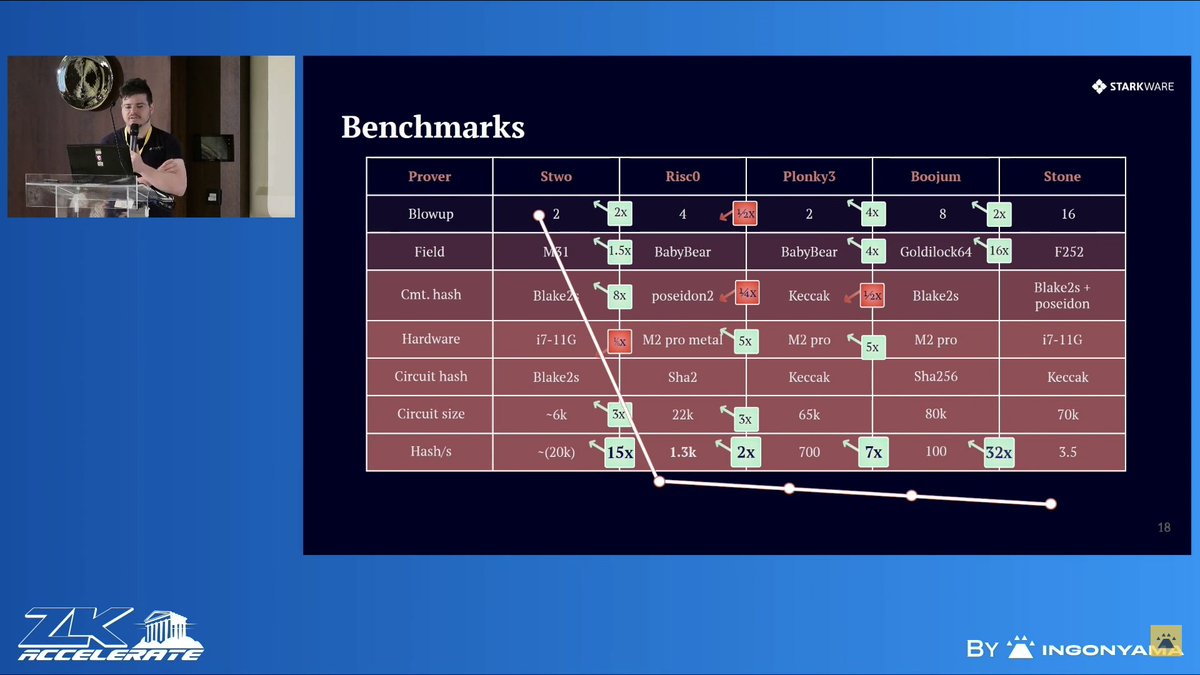
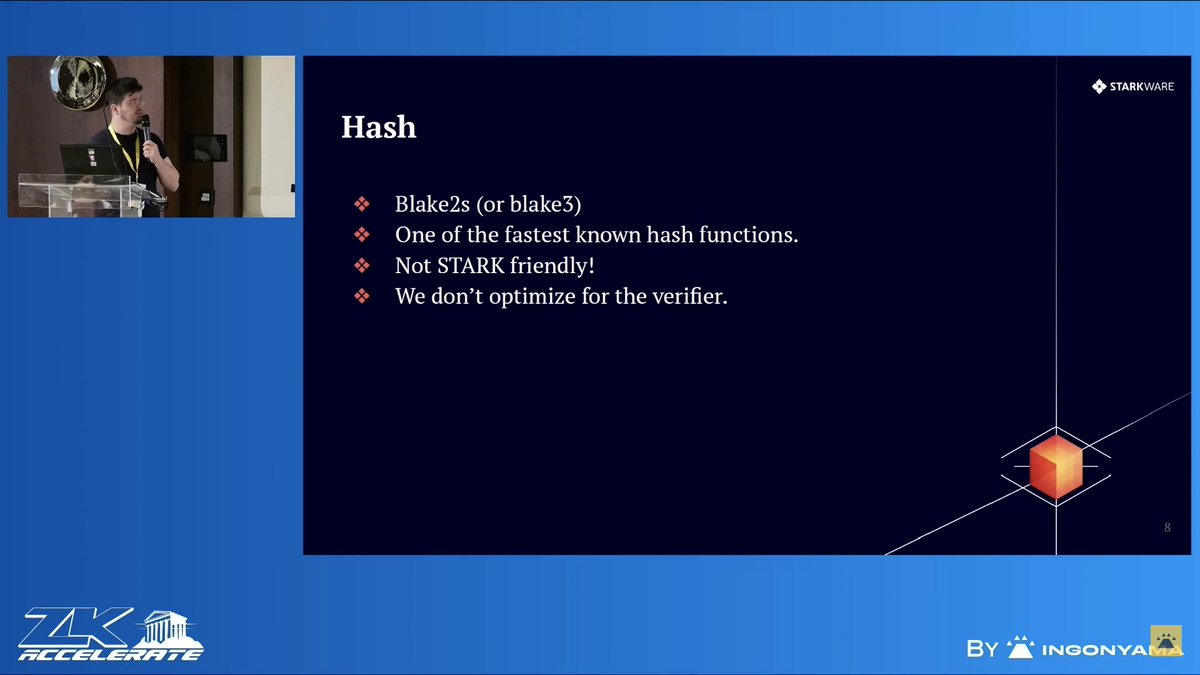
Delighted to find out that BLAKE2s/BLAKE3 is actually being used as a core building block in some zero-knowledge proof protocols, notably StarkWare's new "STWO":
HT @dlubarov@bfarmer
https://t.co/eFKfNhgs4U