RANK UP!
vVv airdrop level 7 unlocked 💥
Curious ➩ Access here: https://t.co/ieWDllaR4x
Your chance to earn $V token by stacking chips!
Join vVv through my referral link and get yourself a 1500 chip bonus 👇🏻
https://t.co/xUYKZsxo6B…
If you’re living the same day over and over, your brain gets the reality it predicts.
There’s no uncertainty to capture attention, force presence, or spark creative introspection.
You won’t remember, learn, or feel real excitement. Experience, forever lost to the jaws of time.
The cost of comfort.
One of the strongest early signals for any investment thesis is when the private portfolio begins repricing before the wider market has fully recognised the opportunity
XMAQUINA has built verified positions across some of the most important private humanoid robotics companies, including Figure AI, Apptronik, 1X, Agility Robotics and NEURA
Its BOT-13 proposal has just passed (with 99% FOR) meaning a further $400k of the DAO treasury will be deployed to acquire common equity exposure to Gecko Robotics (autonomous inspection systems) at an implied valuation of approximately $1.2 billion
Since our Khala report, the portfolio performance has continued to strengthen (see image below), adding weight to the view that humanoid robotics is moving towards genuine commercial viability
The bigger opportunity is that most of this value creation is still occurring in private markets, where ordinary investors have historically had almost no access
You can read our full report (published in May) below:
雷鳴|THUNDER
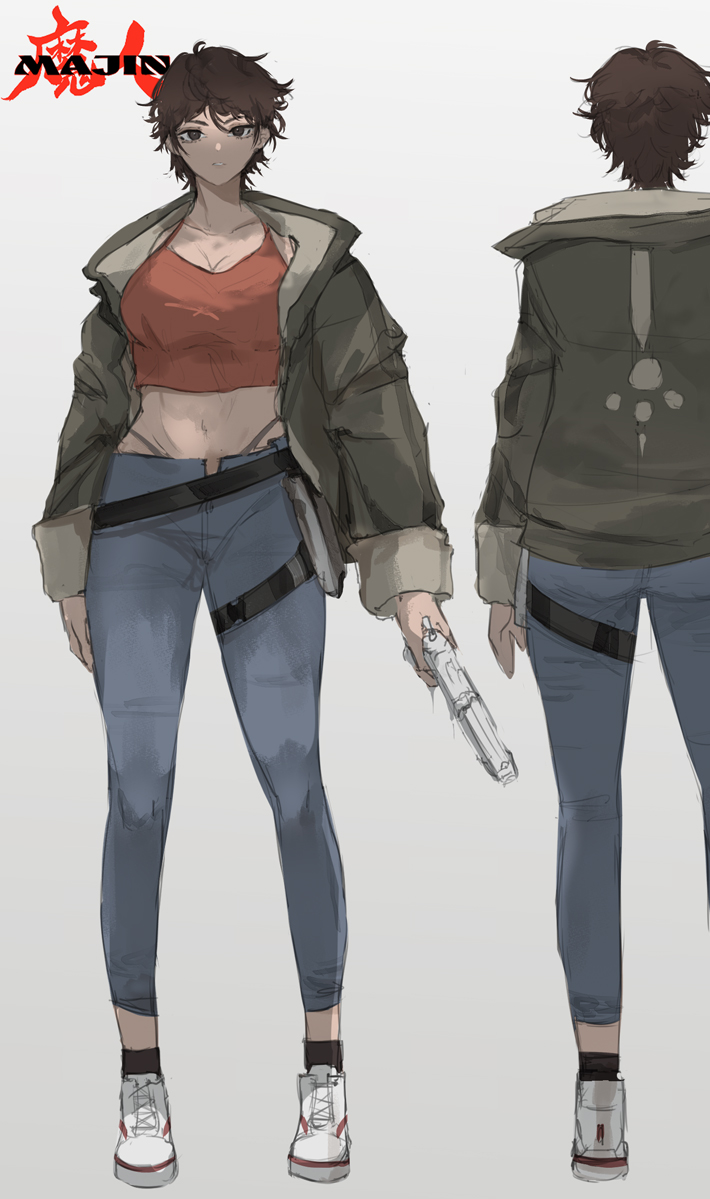
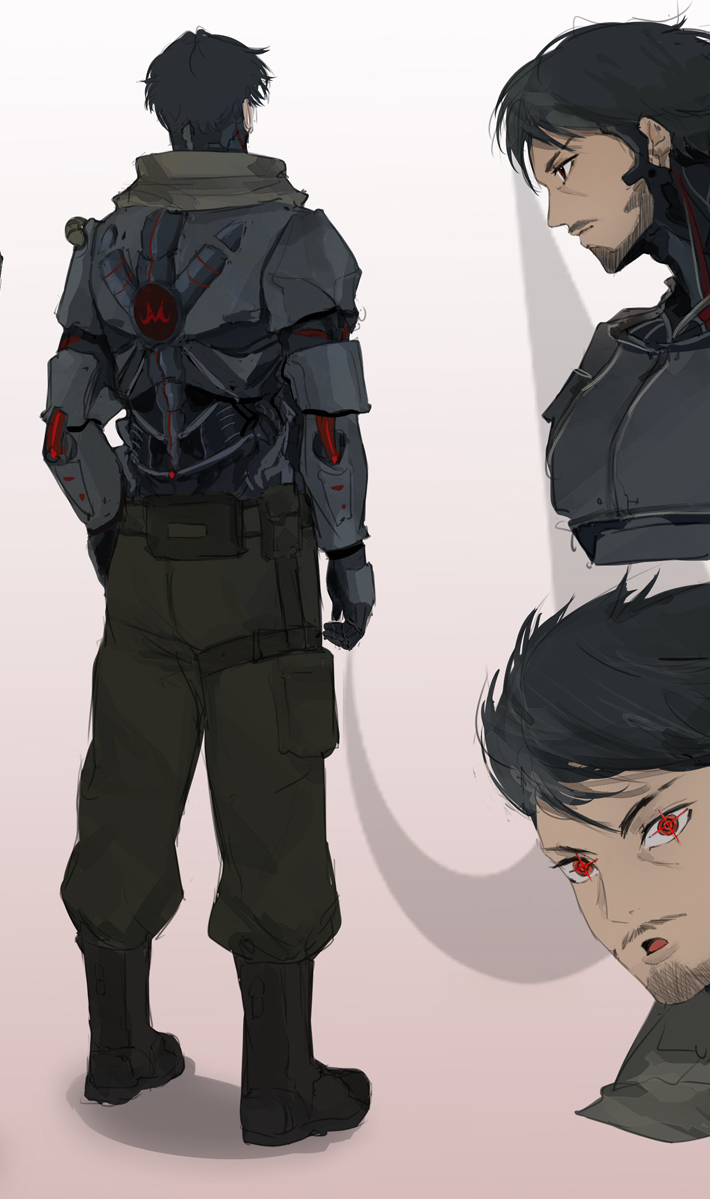
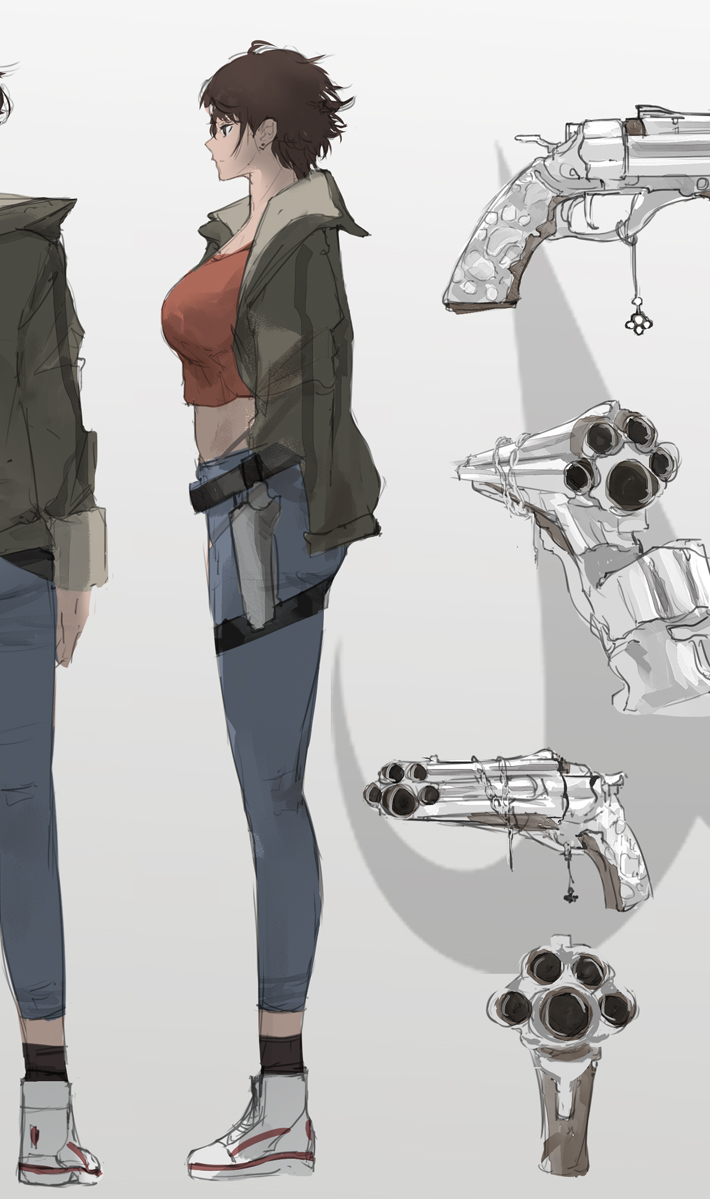
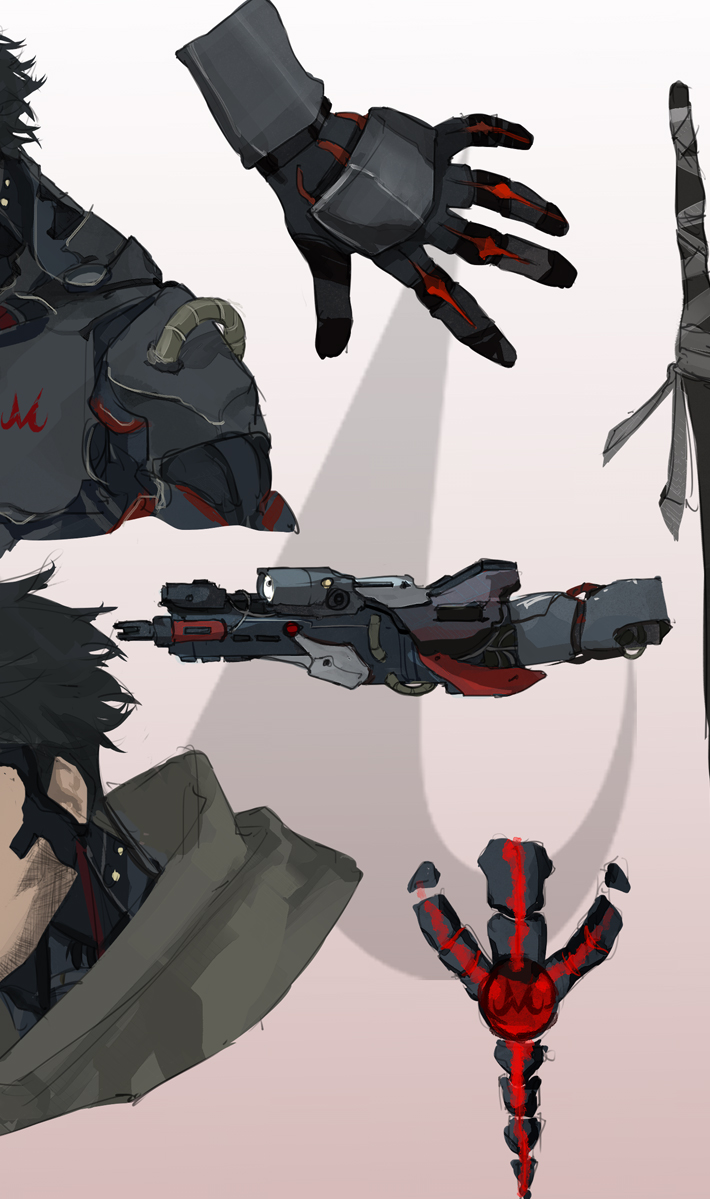
When heaven casts out an angel, lightning crashes into earth and thunder roars far beyond the point of impact. No one can predict what the fallen angel will become, but for many this is where the path toward becoming a Majin begins.
Truth that’s hard to accept is often the most valuable.
You’ll instinctively resist information that threatens your beliefs, but ultimately that only limits you.
If what you believe is true, it’ll withstand scrutiny. Exploring other perspectives will either strengthen your conviction or expand your horizons.
Don’t assume truth is absolute or fixed. As you change, the world changes. Truth can evolve.
Don’t let fear confine how you experience life. Curiosity is the antidote. Stay open. Test your beliefs.
Without risk, there is no adventure. You must explore the truth to live well.
Anger isn’t bad. There are no bad emotions, only harmful expressions.
You can express anger without harming yourself or others. No human target required.
Move vigorously, yell, stamp your feet. Whatever it takes to release the tension.
Punching a boxing bag or playing drums are my personal favourites.
Do slow walking or breathing (with long exhalations) afterward to regulate your nervous system.
Lie down to finish, slow your heart, and scan your body head to toe . Actively relax each part.
Once your body is calm, you’ll experience clarity. What was your anger telling you? Don’t accept the surface mind narratives. Think about the deeper layer.
Anger often points to something you want or a boundary you didn’t uphold (or didn’t know about). Try to connect with the thing you care about under the anger. Find the wisdom in it.
Once you’ve got the message, reflect on how to invite more of what you care about into your life.
Think too about how you might respond to your anger next time without disrespecting yourself or others.
The key is to create space between what triggers you and your expression of anger. Slowing things down creates a gap between stimulus and response. In this gap you have a chance to think and act deliberately.
Another harmful response to anger is chronic suppression. People learn this from being shamed or punished for expressing anger in early life. This treatment might lead a child to suppress anger in order to get love and attention or avoid punishment.
Children are very self-referential. If they’re shamed or punished for expressing anger, they may come to believe they are “selfish” or bad for feeling it. These beliefs become ingrained, shaping how they respond to anger later in life.
(Every human is selfish. We build an entire reality around ourselves. But I digress.)
People who learned to suppress anger often become people-pleasers. They may unconsciously believe it’s bad or dangerous to want things or to assert themselves. This creates behavioural and psychological challenges.
People who continually sacrifice their wants and needs, or fail to uphold personal boundaries, are often exploited. They are more likely to get stuck in toxic relationships and less likely to go after what they want in life.
On top of this, continually suppressing emotions creates internal conflict which manifests as chronic stress.
Enough pathologizing. Let’s get back to the constructive stuff.
Next time you feel anger, try to remember you have options.
Slow things down and find a way to express your anger without doing harm to yourself or others. This may mean temporarily stepping away from a situation. Changing your environment is one of the best ways to shift your psychology.
Pay attention to how anger makes you feel in your body. Notice how it changes your breathing. Figure out a physical activity that shifts the tension. This is a form of expression.
Afterwards, actively relax your nervous system by slowing your breathing and heart rate.
Once you’ve dealt with the physical side of anger, you’ll notice a window of clarity in which you can reflect on why you felt angry.
There are no good or bad emotions. There’s wisdom in all of them.
Figure out how to express your emotions without doing harm and what they’re telling you.
Once you’re clear on this, you’re in a better spot to use your emotions as signals, responding to them in ways that are aligned with your goals.
Understanding your emotions helps you regulate your system and show up for yourself and others as the person you want to be.
Nine private robotics companies.
$DEUS is trading at 1.4x mNAV.
We continue to build a portfolio focused exclusively on the private companies advancing embodied AI.
📊 Track the portfolio → https://t.co/64hLHA1zn5
In this clip I reveal multiple Majin characters and special traits. You'll see the Albino Goth with the Diamond Curse and Twin Swords, and you'll get a preview of the Holographic Halo, Spine Katana and Chainsword.
To change, you must hold conflicting ideas in your mind simultaneously.
If you believe "I can't," tell yourself, "I can." Then translate it into action.
Search for reward in your efforts. Anything closer to what you're aiming at. Absolute outcomes will improve with practice. Be patient.
Don't expect to kill your limiting belief immediately.
Thoughts you’ve repeated many times (beliefs) have momentum. The efficiency of the underlying neural pathways makes them easily accessible. They're part of your story. A habit.
You must contradict a limiting belief over and over. Build undeniable evidence that it's false. The neural efficiency will decay. The story will shift. The habit will fade.
Until you reach the tipping point, conflicting beliefs will wrestle in your mind. You might flip-flop between confidence and doubt. The internal dissonance will spin your head and tighten your gut. Don't quit.
Beware your mind's attempts to rationalize a return to the old behaviours. It's trying to escape the work. Ghosts of the past drive psychological defences.
You see the thoughts. You feel the emotions. You know better.
Trust the process. Don't quit.
You can.
The frustration or disappointment you feel when you perform poorly primes your brain for neuroplastic change (learning).
Don't over-indulge in self-abuse or pity seeking; you'll miss the learning opportunity. Suck it up, pay attention to errors, and try again.
Any improvement will trigger dopamine release to reinforce learning.
Your brain will rewire later, when you sleep. Learning will be consolidated (stored).
Try again the next day, you'll perform better.
Repeat until satisfied with the skill level. Mastery happens step by step.
What's the target? Challenge beliefs that currently limit you most with actions that prove them false. This will nurture beliefs that support your goal pursuit.
Lacking discipline? Build willpower by stepping into discomfort regularly. It'll get easier with practice. Act from a position of self-respect and compassion.
Procrastinating? Identify emotional thinking that prompts avoidance. Do the opposite (as soon as possible).
Trust the process.
Visualize. Execute. Repeat.
Understand Neuroplasticity (How to Change Your Life)
"Every man can, if he so desires, become the sculptor of his own brain." - Santiago Ramón y Cajal
What is Neuroplasticity?
🧠 Neuroplasticity occurs when brain neurons are rearranged to consolidate learning.
⚙️ Information is encoded in the brain through the creation of neural pathways.
🕎 A neural pathway is a highly branched chain of neurons that use neurotransmitters to conduct electrochemical signals.
🏗️ When we learn, connections between neurons are created or destroyed, or existing pathways are strengthened.
⚡️ When a specific neural pathway is activated, a unique piece of information will be recalled.
🧠 We call stored information memory.
👁️ There are many types of memory and information is stored in both the conscious and unconscious mind.
🤯 There are around 86 billion neurons in your brain and vastly more unique neural pathways that encode information.
👴 Our capacity to learn through neuroplastic change is vast and lasts a lifetime.
Neuroplasticity Requires Focused Attention
👶 In early childhood, neuroplastic learning occurs automatically by mere exposure to information.
🧐 In adults, neuroplasticity requires focused attention on the information being learned.
🧠 During focused attention, epinephrine (called adrenaline outside the brain) and acetylcholine are released.
🔓 These neurochemicals must be released for neuroplastic learning to occur.
Frustrated Learner? Perfect!
🤬 Epinephrine released during a challenging task creates agitation that can prompt people to quit.
🌱 This sensation is natural and necessary for learning.
⏱️ When this agitation occurs, continued practice for 7-30 minutes will enhance neuroplasticity.
💪 Persistence during difficult tasks increases the rate of learning.
🧐 Neuroplasticity is enhanced if attention during practice is focused on why errors occur.
🏆 Any execution that reduces error will stimulate the release of dopamine to reward that execution and motivate repetition.
🗓️ Learning occurs much faster if spread across multiple short sessions rather than one longer session.
✅ Multiple sessions allow for a fine-grained definition of errors which enhances neuroplasticity and speeds skill acquisition.
Marking Neurons For Change
♻️ The neuromodulator acetylcholine is released during focused attention and is critical for neuroplasticity.
📍 Acetylcholine marks neurons involved in the ability being learned for subsequent change.
😴 Neurons marked by acetylcholine will be modified during sleep or states of deep relaxation that follow the learning practice.
🤓 Neuroplastic changes do not occur during the learning practice itself.
The Importance Of Sleep
💤 Learning is consolidated by neuroplastic changes that occur during sleep or states of deep relaxation.
😑 The brain must be resting for the rewiring of neural pathways to occur and create memory.
🛌 Most neuroplastic changes will occur during sleep following the learning practice, but memory formation can also occur two or three nights after.
🪬 Neuroplasticity can also happen in states of deep relaxation such as non-sleep deep rest meditation.
⌛️ A 10-minute non-sleep deep rest protocol or short nap after a focused learning session can help consolidate learning.
Guided Non-Sleep Deep Rest Protocol:
https://t.co/rIFl3FrUOO
😵💫 If sleep or deep relaxation does not occur following learning practice, learning will be impaired.
Strong Emotions Drive Rapid Neuroplasticity
😬 Highly emotional events like emergencies or trauma can drive instantaneous neuroplasticity.
👀 Such events focus attention very intensely and the survival advantage of remembering them is clear.
🤼♂️ Events strongly linked to immediate survival such as hunting for food or conflict also drive neuroplasticity.
🫡 A strong sense of purpose or other internal motivation can dramatically enhance attention and learning too.
🤔 These enhancing effects can be leveraged by focusing on the personal significance of what you are learning and aligning this with your wider purpose.
💪 Further internal motivation can be generated by recognizing the effort required to overcome a learning challenge as the key to personal growth.
🙏 Gratitude for the challenge itself can make the effort required inherently rewarding.
😤 Aligning your sense of purpose with overcoming learning challenges will enhance neuroplasticity.
✊ This mindset will increase your rate of growth and help you develop discipline.
👁️ Change your mind. Change your reality. 👁️