BREAKING: Brian Boles and Charles Collins have been exonerated in New York after 30 years of wrongful conviction. No physical evidence ever connected them to the crime. https://t.co/hKfA68NrGm
This is long overdue. Being wrongfully convicted is traumatic enough—denying compensation because of an unrelated record only deepens the harm.
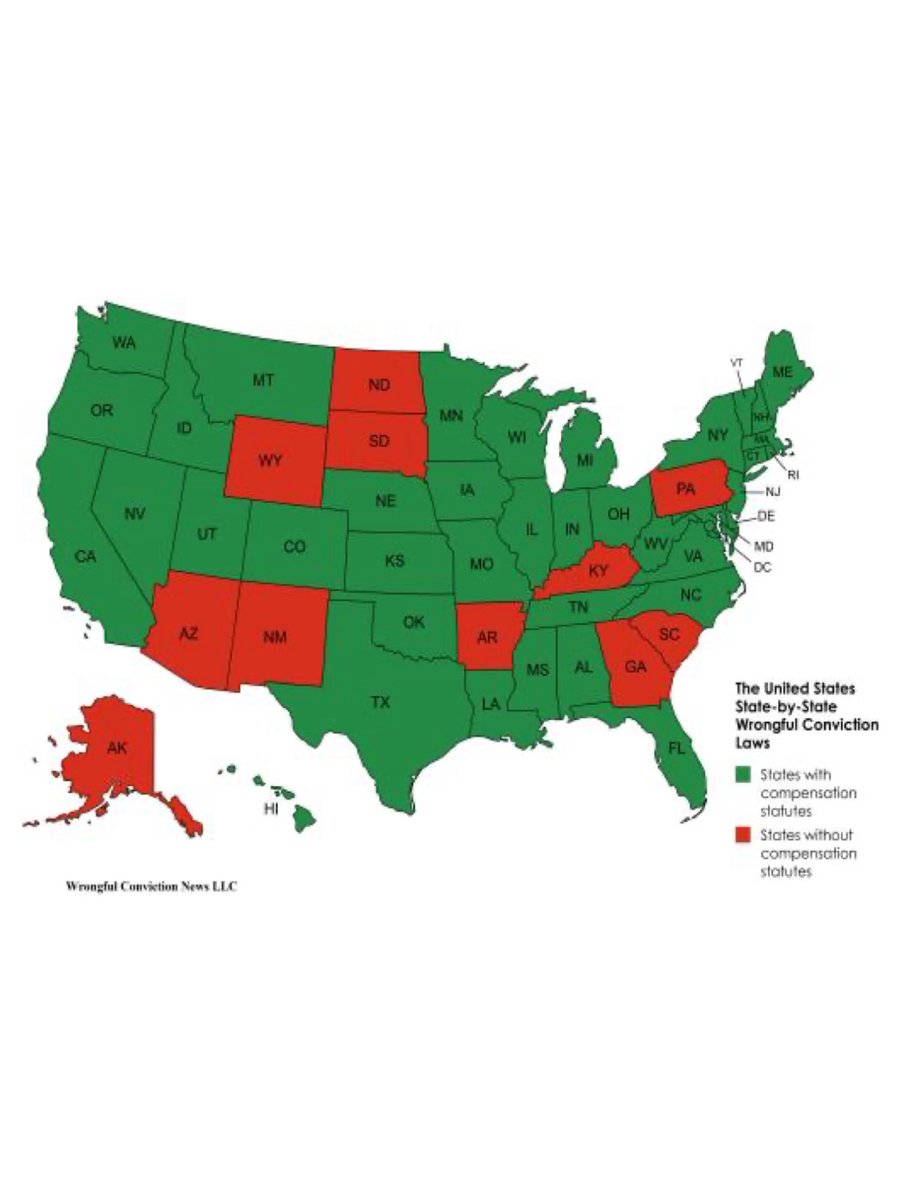
Glad to see Florida take this step. #ExonereeJustice#CleanHandsRepeal
A huge shout out to our friends at @FLA_Innocence and bill sponsors @TraciLKoster and @jenn_bradley for ensuring that the wrongly convicted in Florida will get the compensation they're owed. https://t.co/HuErwoclJE
Funding for innocence programs and forensic science reform helps uncover the truth—and prevent future injustices. Tell Congress that this work must continue. Contact your members of Congress now: https://t.co/ujAgx5eYR4
"Nashville school shooting updates: Antioch High School shooting leaves two dead, including suspect, another hurt" - The Tennessean #SmartNews https://t.co/YZtfPW9NE6
Each instance of a wrongful conviction represents a profound injustice, subjecting individuals to years, or even decades, of incarceration for crimes they did not commit. The legal system is designed to protect society; however, the ramifications can be catastrophic when mistakes happen.
The injustice of a wrongful conviction highlights the deficiencies within the American adversarial criminal justice system, manifesting in three significant ways: it devastates the lives of exonerees, allows actual offenders to persist in their criminal behavior, and hinders the ability of original crime victims to achieve closure (Stookey, 2004).
#CriminalJusticeReform #JusticeForAll #WrongfulConvictions