A project of @EuroMedHR that pairs Palestinian writers with int'l mentors to write the stories behind the numbers of victims. Content not censored by Euro-Med
Our WANNers are engaging in debates, learning to challenge narratives, and building the skills to amplify Palestinian voices.
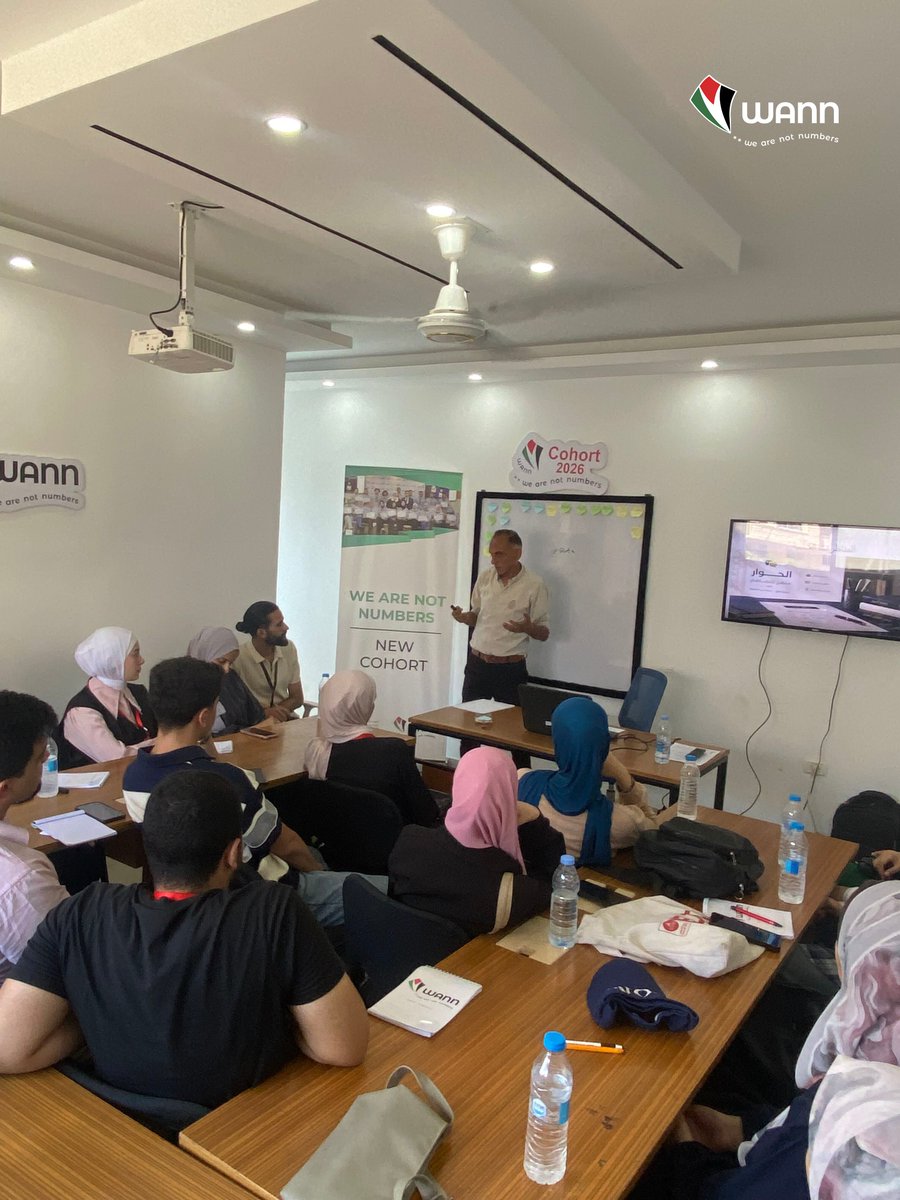
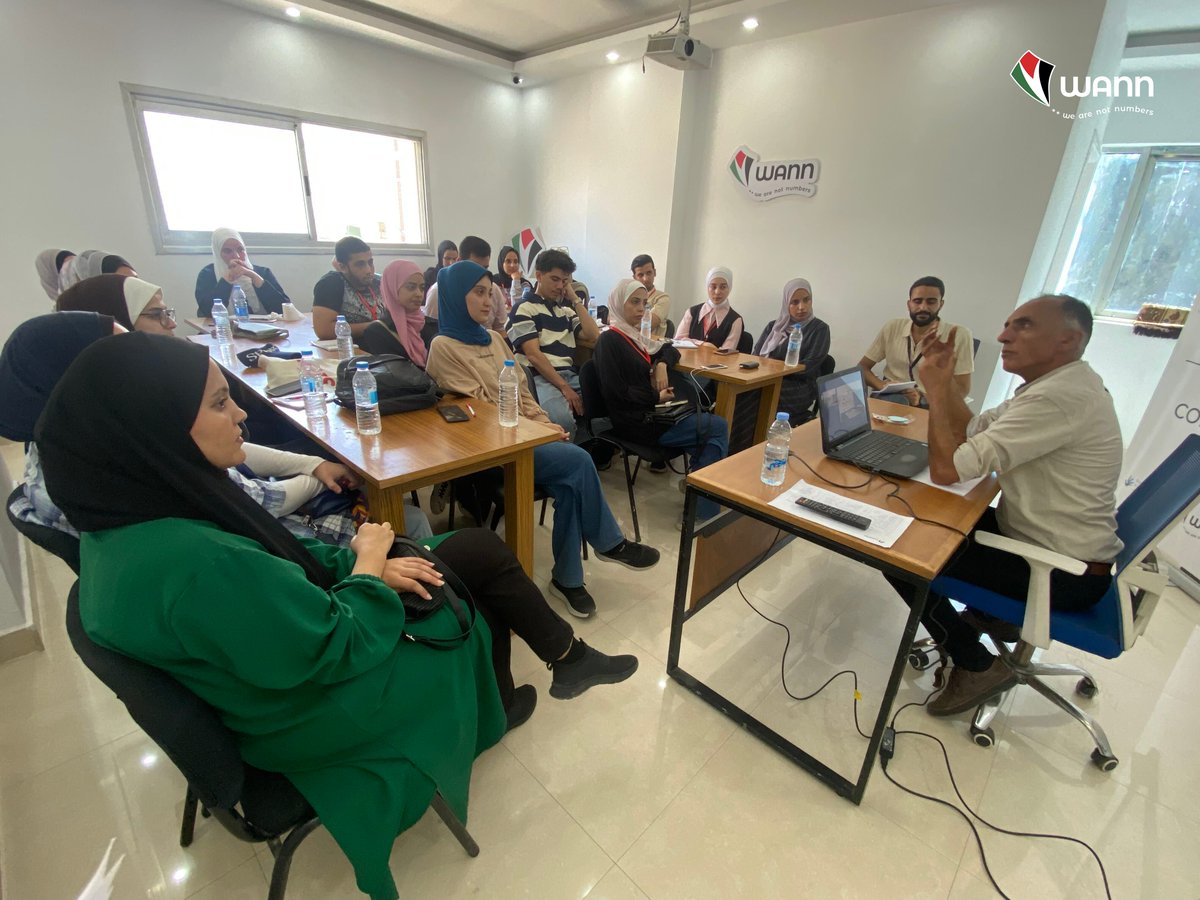
In their second session on Debating the Palestinian Narrative, led by Dr. Talal Abu Rukba in #Gaza City, they continued sharpening their critical thinking, argumentation, and storytelling skills.
#WannCohort19
At least 300 Palestinian children have been killed by Israeli forces in Gaza during the 300 days since the ceasefire was announced in October 2025, according to UNICEF. The figure means that, on average, one Palestinian child has been killed every day during a period that was supposed to bring an end to the violence. UNICEF said children continue to face deadly risks from Israeli attacks, gunfire and explosive remnants of war across the Gaza Strip.
More than 1,250 Palestinians have been killed in Gaza since the ceasefire took effect on 10 October 2025, according to Palestinian health authorities and recent reporting. Israeli forces have continued airstrikes, shelling and gunfire across the Strip despite the truce, with hundreds more Palestinians injured. The deaths add to the overall toll of Israel’s war on Gaza, which has surpassed 73,000 Palestinians killed since October 2023.
At least 300 Palestinian children have been killed by Israeli forces in Gaza during the 300 days since the ceasefire was announced in October 2025, according to UNICEF. The figure means that, on average, one Palestinian child has been killed every day during a period that was supposed to bring an end to the violence. UNICEF said children continue to face deadly risks from Israeli attacks, gunfire and explosive remnants of war across the Gaza Strip.
More than 1,250 Palestinians have been killed in Gaza since the ceasefire took effect on 10 October 2025, according to Palestinian health authorities and recent reporting. Israeli forces have continued airstrikes, shelling and gunfire across the Strip despite the truce, with hundreds more Palestinians injured. The deaths add to the overall toll of Israel’s war on Gaza, which has surpassed 73,000 Palestinians killed since October 2023.
Every story begins with a question: who gets to tell it?
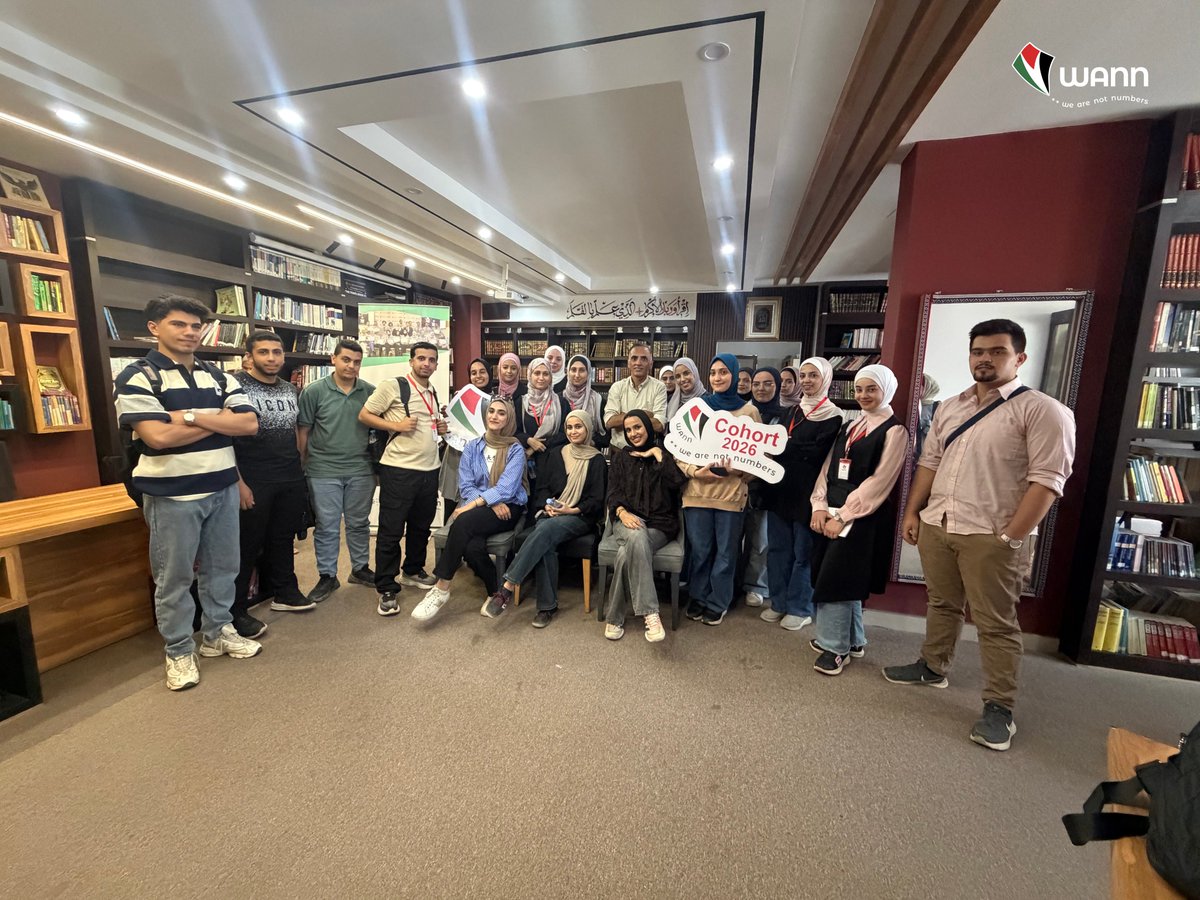
WANN’s 19th cohort continued its storytelling journey with a new session with Dr. Talal Ahmed Abu Rokbah, where participants explored the power of narratives and the responsibility behind telling stories.
Six months of learning, practice, and storytelling are shaping a new generation of voices from Gaza.
Stories don't expire when they leave the headlines.
They continue in the lives of those who lived them, survived them, and are still waiting to be heard.
Stay with them.
Stories don't expire when they leave the headlines.
They continue in the lives of those who lived them, survived them, and are still waiting to be heard.
Stay with them.
Israeli forces, together with Israeli civilian contractors, are carrying out a large-scale operation to clear, process and relocate rubble from neighbourhoods and facilities destroyed across the #Gaza Strip.
The operation involves crushing and transporting debris from areas under Israeli military control, with around 100 trucks reportedly removing rubble every day. The debris includes remains of destroyed homes and infrastructure, but also potentially contains human remains of Palestinians still buried beneath the ruins, as well as material evidence from sites that were destroyed during the war.
Around 8,000 Palestinians remain missing in Gaza since October 2023, with many believed to be trapped under the rubble of destroyed buildings. As debris is removed and relocated, the process could affect efforts to recover missing people, identify human remains, and document what happened at destroyed sites.
The removal operation is taking place as Gaza faces one of the largest reconstruction challenges in its history, with millions of tonnes of debris spread across the Strip and entire neighbourhoods reduced to rubble.
Who tells the story matters. How we tell it matters even more.
Today, WANN’s 19th cohort stepped into a powerful conversation on Debating the Palestinian Narrative with Dr. Talal Abu-Rukbah, in #Gaza City.
Through open discussions, interactive exercises, and thoughtful reflections, young storytellers explored Palestinian history, challenged perspectives, and strengthened their ability to articulate the stories and themes that shape collective memory.
If you’ve ever loved a woman from #Gaza, you might recognise a little of her in this.
If you haven’t, this might help you understand why loving her can feel like loving an entire homeland♥️
She built a bakery in a tent.
With one stove, scarce supplies and a war around her, 22-year-old Roaa Shaheen is still baking little pieces of joy in Gaza.
Meet the woman behind the bakery. Read her story⤵️
https://t.co/jdK7JzDVXC
Before you call it a day: go read this story!
It has ma’amoul, a tiny bakery and a whole lot of heart. Basically, everything you need to make a long Wednesday slightly less Wednesday-ish❤️
She built a bakery in a tent.
With one stove, scarce supplies and a war around her, 22-year-old Roaa Shaheen is still baking little pieces of joy in Gaza.
Meet the woman behind the bakery. Read her story⤵️
https://t.co/jdK7JzDVXC
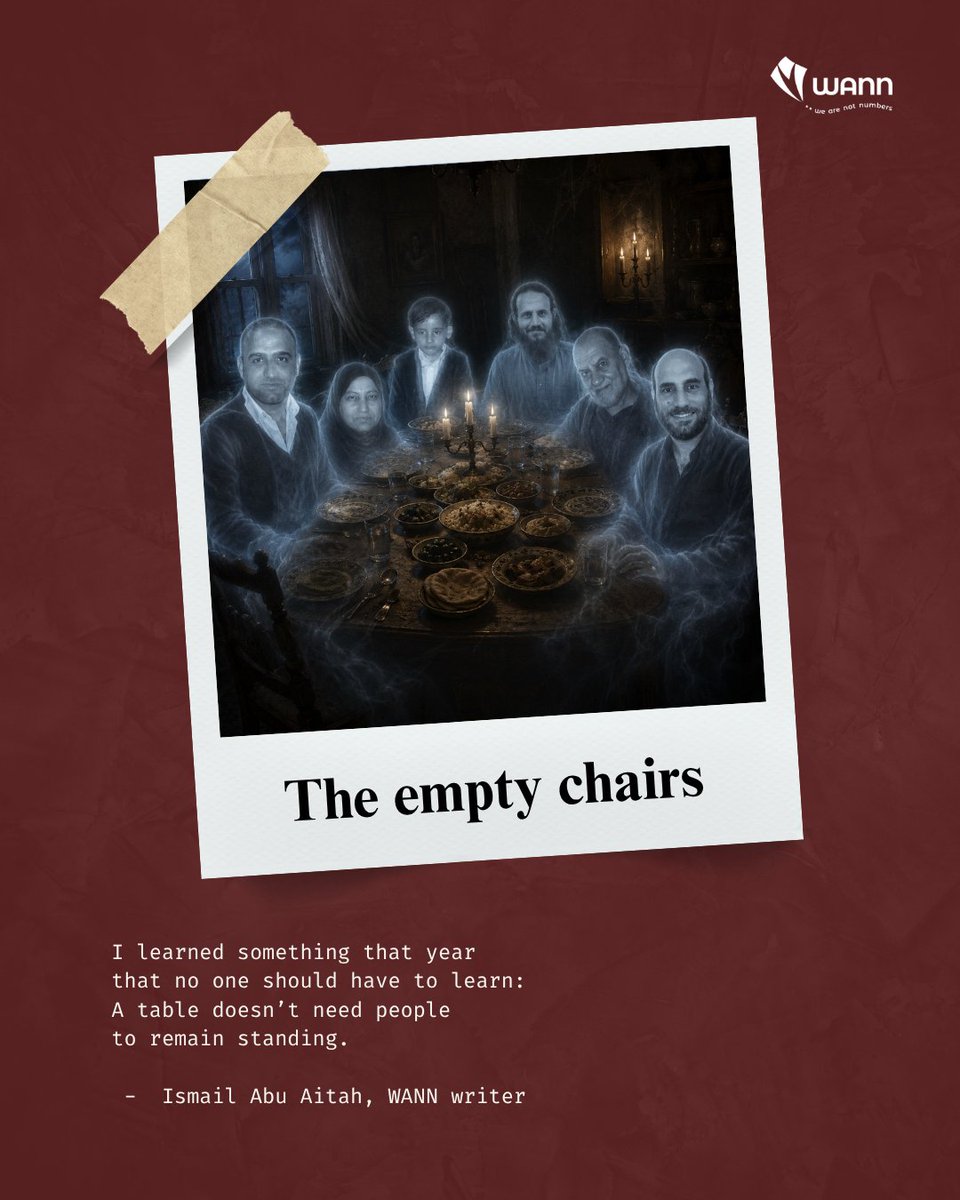
"There was a table once.
Not a special table.
Just wood.
Just a surface.
But around it —
everything that mattered.
My father, Ibrahim.
My mother, Jamila.
My brothers, Mohammed, Ahmad, Mahmoud, and their families.
My sisters, Iman, Manal, and Ala’a.
My nephews, Adham among them.
Filling the space around it
without thinking about it.
Then came the night of July 24, 2014.
One night.
One missile.
Five people.
My father.
My mother.
Mohammed.
Ahmad.
Adham.
Five chairs,
empty."
Read the full poem and more deeply personal stories of life, loss and survival from Gaza on We Are Not Numbers.
As the world watches the recovery of 112 bodies from beneath the rubble in #Gaza, it’s easy to count the dead. Harder to grasp are the lives those numbers represent. Dreams interrupted, stories left unfinished, families and histories erased
"There was a table once.
Not a special table.
Just wood.
Just a surface.
But around it —
everything that mattered.
My father, Ibrahim.
My mother, Jamila.
My brothers, Mohammed, Ahmad, Mahmoud, and their families.
My sisters, Iman, Manal, and Ala’a.
My nephews, Adham among them.
Filling the space around it
without thinking about it.
Then came the night of July 24, 2014.
One night.
One missile.
Five people.
My father.
My mother.
Mohammed.
Ahmad.
Adham.
Five chairs,
empty."
Read the full poem and more deeply personal stories of life, loss and survival from Gaza on We Are Not Numbers.