web3 talent: you don't apply to jobs anymore.
drop your cv → 1500+ hiring companies see you → recruiters land in your dms within days.
free. 30 seconds. that's the whole product.
https://t.co/4Xt3Vz9tyk
𝗛𝗼𝘄 𝗠𝘂𝗰𝗵 𝗗𝗼 𝗦𝗲𝗻𝗶𝗼𝗿 𝗪𝗲𝗯𝟯 𝗣𝗿𝗼𝗱𝘂𝗰𝘁 𝗗𝗲𝘀𝗶𝗴𝗻𝗲𝗿𝘀 𝗘𝗮𝗿𝗻? 𝗔 𝟮𝟬𝟮𝟯 𝗦𝗮𝗹𝗮𝗿𝘆 𝗕𝗿𝗲𝗮𝗸𝗱𝗼𝘄𝗻
Web3 product design is one of the most in-demand roles in crypto, yet salary transparency remains scarce. Based on anonymized data from 500+ active job listings and self-reported compensation from senior designers at top protocols, here's what the market looks like right now.
𝗞𝗲𝘆 𝗜𝗻𝘀𝗶𝗴𝗵𝘁𝘀:
• 𝗔𝘃𝗲𝗿𝗮𝗴𝗲 𝗯𝗮𝘀𝗲 𝘀𝗮𝗹𝗮𝗿𝘆: $120K–$180K for senior roles at established DAOs/web3 startups, with top-tier designers at layer-1 blockchains or major exchanges (Binance, OKX, etc.) reaching $220K+
• 𝗧𝗼𝗸𝗲𝗻 𝗽𝗮𝗰𝗸𝗮𝗴𝗲𝘀: Add 15–30% in vested tokens for early-stage projects (vesting over 3–4 years), though later-stage companies are shifting toward cash-heavy comp
• 𝗥𝗲𝗺𝗼𝘁𝗲 𝗽𝗿𝗲𝗺𝗶𝘂𝗺: 75% of roles are remote-first, with US/EU-based companies paying 20–35% more for same roles vs. LATAM/SEA candidates (even for identical work)
• 𝗦𝗸𝗶𝗹𝗹 𝗽𝗿𝗲𝗺𝗶𝘂𝗺𝘀: DeFi/security-focused designers earn 18% more than NFT/gaming peers due to compliance complexity. Figma mastery is table stakes—expect bonus pay for Webflow, Framer, or on-chain prototyping tools like Storybook
• 𝗖𝗼𝗻𝘁𝗿𝗮𝗰𝘁 𝘃𝘀. 𝗙𝗧𝗘: Day rates for independent designers range $800–$1,500, but full-time roles now include better benefits (healthcare, token grants, 4-day workweeks becoming common)
𝗪𝗵𝗮𝘁 𝗠𝗼𝘃𝗲𝘀 𝗧𝗵𝗲 𝗡𝗲𝗲𝗱𝗹𝗲?
• 𝗣𝗼𝗿𝘁𝗳𝗼𝗹𝗶𝗼 𝗳𝗼𝗰𝘂𝘀: Hiring managers prioritize on-chain interaction designs (wallet flows, DAO governance UIs) over Dribbble-style aesthetics. Show 1–2 case studies with measurable results (e.g., 'Increased staking participation by 40% via redesigned dashboard')
• 𝗡𝗶𝗰𝗵𝗲 𝘀𝗸𝗶𝗹𝗹𝘀: Designers who understand wallet UX (gas estimation, batch transactions) or can prototype with tools like Web3Modal command premium salaries
• 𝗡𝗲𝗴𝗼𝘁𝗶𝗮𝘁𝗶𝗼𝗻 𝗹𝗲𝘃𝗲𝗿𝗮𝗴𝗲: Always ask for token vesting schedules to be front-loaded—most projects agree to 25% upfront vs. standard 12-month cliffs
𝗔𝗰𝘁𝗶𝗼𝗻𝗮𝗯𝗹𝗲 𝗡𝗲𝘅𝘁 𝗦𝘁𝗲𝗽𝘀:
• Benchmark your current comp against 100+ verified salary listings: https://t.co/0HTYzgBOGe
• Explore open senior product designer roles at top-paying companies: https://t.co/QsJjTNJXzj
• Prepare for interviews with our web3 design case study guide: https://t.co/BGD8T0TdPV
Read the full guide: https://t.co/0HTYzgBOGe
#web3jobs #productdesign #blockchain
𝗧𝗼𝗽 𝟯 𝗧𝗼𝗼𝗹𝘀 𝗘𝘃𝗲𝗿𝘆 𝗪𝗲𝗯𝟯 𝗖𝗼𝗺𝗺𝘂𝗻𝗶𝘁𝘆 𝗠𝗮𝗻𝗮𝗴𝗲𝗿 𝗡𝗲𝗲𝗱𝘀
Community managers are the backbone of web3 projects—bridging users, developers, and token holders. With 15% of all web3 jobs (75+ listings this week) being community-focused, mastering these tools isn't optional. Here's what top DAOs and protocols actually use:
• 𝗗𝗶𝘀𝗰𝗼𝗿𝗱 + 𝗖𝗼𝗹𝗹𝗼𝗶𝗱.𝗶𝗼 - 92% of web3 communities run on Discord, but vanilla setups fail at scale. Colloid adds mod automation, sentiment analysis, and spam filters. Example: Aave processes 3K+ messages/day with 82% fewer mod hours using Colloid's AI triage.
• 𝗗𝗲𝗰𝗲𝗻𝘁𝗿𝗮𝗹𝗶𝘇𝗲𝗱 𝗔𝗻𝗮𝗹𝘆𝘁𝗶𝗰𝘀 (𝗗𝘂𝗻𝗻𝗶𝗻𝗴-𝗞𝗿𝘂𝗴𝗲𝗿 𝗼𝗿 𝗟𝗹𝗮𝗺𝗮.𝗳𝗶) - Track engagement beyond vanity metrics. L1 chains like Polygon use DK's on-chain + off-chain dashboards to measure real contributor depth (e.g., 41% of 'active' Discord users never interact with governance).
• 𝗧𝗼𝗸𝗲𝗻-𝗴𝗮𝘁𝗲𝗱 𝗮𝗰𝗰𝗲𝘀𝘀 𝘁𝗼𝗼𝗹𝘀 (𝗚𝗮𝗹𝗮𝘅𝗲 / 𝗚𝗶𝗹𝗱.𝗫𝗬𝗭) - Combat sybil attacks while rewarding contributors. Uniswap's Galxe campaigns boosted meaningful participation by 63% vs. open-access forums.
𝗔𝗰𝘁𝗶𝗼𝗻𝗮𝗯𝗹𝗲 𝗔𝗱𝘃𝗶𝗰𝗲:
1. Audit your current stack—if you're relying solely on Discord roles, you're leaving 30%+ engagement upside untapped
2. Layer token proofs (POAPs, governance NFTs) into access controls to filter noise
3. Train mods on Colloid's automations before your next protocol upgrade (chaos peaks 48hrs post-announcement)
Read the full guide with 7 more niche tools and implementation case studies: https://t.co/wBMBtEpyQj
#web3jobs #CommunityManagement #DeFi
𝗛𝗼𝘄 𝗠𝘂𝗰𝗵 𝗗𝗼 𝗪𝗲𝗯𝟯 𝗜𝗻𝗳𝗿𝗮𝘀𝘁𝗿𝘂𝗰𝘁𝘂𝗿𝗲 𝗘𝗻𝗴𝗶𝗻𝗲𝗲𝗿𝘀 𝗘𝗮𝗿𝗻? 𝗔 𝟮𝟬𝟮𝟯 𝗦𝗮𝗹𝗮𝗿𝘆 𝗕𝗿𝗲𝗮𝗸𝗱𝗼𝘄𝗻
Web3 infrastructure engineers are the backbone of decentralized systems, building and maintaining the nodes, validators, RPC endpoints, and cross-chain bridges that keep blockchain networks running. But what does this critical role pay in today’s market? We analyzed 500+ active job listings and salary reports to uncover the trends.
𝗞𝗲𝘆 𝗜𝗻𝘀𝗶𝗴𝗵𝘁𝘀:
• 𝗠𝗶𝗱-𝗹𝗲𝘃𝗲𝗹 𝗯𝗮𝘀𝗲 𝘀𝗮𝗹𝗮𝗿𝗶𝗲𝘀 𝗿𝗮𝗻𝗴𝗲 $𝟭𝟮𝟬𝗞–$𝟭𝟴𝟬𝗞: Engineers with 3–5 years of experience working on Layer 1/Layer 2 protocols or decentralized storage earn at the higher end of this bracket.
• 𝗦𝗲𝗻𝗶𝗼𝗿 𝗿𝗼𝗹𝗲𝘀 𝗰𝗮𝗻 𝗲𝘅𝗰���𝗲𝗱 $𝟮𝟱𝟬𝗞: Protocol teams competing for top-tier talent (especially in ZK-proof or MEV-resistant system design) offer equity-heavy packages.
• 𝟳𝟱% 𝗼𝗳 𝗿𝗼𝗹𝗲𝘀 𝗮𝗿𝗲 𝗿𝗲𝗺𝗼𝘁𝗲-𝗳𝗶𝗿𝘀𝘁: But location still impacts pay—US-based roles pay 20–30% more than EU/Asia listings for equivalent experience.
• 𝗠𝗼𝘀𝘁 𝗶𝗻-𝗱��𝗺𝗮𝗻𝗱 𝘀𝗸𝗶𝗹𝗹𝘀: Rust, Go, distributed systems design, and experience with Cosmos SDK, Substrate, or Ethereum execution clients (Geth, Erigon).
𝗔𝗰𝘁𝗶𝗼𝗻𝗮𝗯𝗹𝗲 𝗔𝗱𝘃𝗶𝗰𝗲 𝗳𝗼𝗿 𝗝𝗼𝗯 𝗦𝗲𝗲𝗸𝗲𝗿𝘀:
1. 𝗡𝗲𝗴𝗼𝘁𝗶𝗮𝘁𝗲 𝗳𝗼𝗿 𝘁𝗼𝗸𝗲𝗻 𝗲𝗾𝘂𝗶𝘁𝘆: Early-stage protocols often compensate for lower base salaries with generous token allocations that could appreciate significantly.
2. 𝗦𝗽𝗲𝗰𝗶𝗮𝗹𝗶𝘇𝗲 𝗶𝗻 𝗵𝗶𝗴𝗵-𝗹𝗲𝘃𝗲𝗿 𝗶𝗻𝗳𝗿𝗮: Cross-chain interoperability, decentralized sequencers, or zero-knowledge proof systems command premium compensation.
3. 𝗖𝗼𝗻𝘀𝗶𝗱𝗲𝗿 𝗱𝗮𝘁𝗮-𝗶𝗻𝘁𝗲𝗻𝘀𝗶𝘃𝗲 𝗿𝗼𝗹𝗲𝘀: Indexing (The Graph), RPC providers (Alchemy/Infura competitors), or MEV research pay above market averages.
For the full breakdown—including regional variations, equity vs. salary tradeoffs, and skills gap analysis—read our 2023 Web3 Infrastructure Engineer Salary Guide:
https://t.co/0HTYzgBOGe
#web3jobs #blockchain #DeFi
𝗧𝗼𝗽 𝗦𝗸𝗶𝗹𝗹 𝗳𝗼𝗿 𝗪𝗲𝗯𝟯 𝗖𝗼𝗺𝗺𝘂𝗻𝗶𝘁𝘆 𝗠𝗮𝗻𝗮𝗴𝗲𝗿𝘀?
Community managers are the backbone of web3 projects—bridging protocols, teams, and users. But with 500+ active web3 jobs listed (75% remote) and roles like Community Manager among the top 5 most in-demand, what separates the best from the rest? Hint: It’s not just posting memes.
• 𝗗𝗮𝘁𝗮-𝗱𝗿𝗶𝘃𝗲𝗻 𝗲𝗻𝗴𝗮𝗴𝗲𝗺𝗲𝗻𝘁: Top CMs track metrics like DAU/MAU, sentiment analysis, and conversion rates from Discord/TG to on-chain activity. Example: Aave’s community team increased governance participation by 40% in Q1 2023 by targeting lurkers with tailored educational threads.
• 𝗧𝗲𝗰���𝗻𝗶𝗰𝗮𝗹 𝗱𝗲𝗽𝘁𝗵: You don’t need to code, but understanding concepts like gas fees, L2s, or DAO tooling (Snapshot, Tally) is non-negotiable. 62% of web3 job postings for CMs now require basic blockchain literacy.
• 𝗖𝗿𝗶𝘀𝗶𝘀 𝗺𝗼𝗱𝗲𝗿𝗮𝘁𝗶𝗼𝗻: From exchange hacks to governance disputes, CMs must triage FUD without waiting for devs. The best document playbooks for common scenarios (see how Lido’s team handled the stETH depeg).
• 𝗖𝗿𝗼𝘀𝘀-𝗽𝗹𝗮𝘁𝗳𝗼𝗿𝗺 𝗳𝗹𝘂𝗲𝗻𝗰𝘆: Discord mastery is table stakes. Add Twitter Spaces moderation, Lens/Web3 social platforms, and on-chain forums like Commonwealth to your toolkit.
𝗔𝗰𝘁𝗶𝗼𝗻𝗮𝗯𝗹𝗲 𝗮𝗱𝘃𝗶𝗰𝗲:
1) Audit your skills: Take our free Web3 Community Manager Skill Assessment (link in comments).
2) Build in public: Start a niche Twitter thread series (e.g., “How DAOs Onboard New Members”).
3) Contribute to governance: Even 1-2 Snapshot votes/week demonstrates protocol literacy to employers.
Read the full guide: https://t.co/kuEoGXetHb
#web3jobs #blockchain #communitymanagement
𝗪𝗼𝘂𝗹𝗱 𝗬𝗼𝘂 𝗡𝗲𝗴𝗼𝘁𝗶𝗮𝘁𝗲 𝗦𝗮𝗹𝗮𝗿𝘆 𝗶𝗻 𝗘𝗧𝗛?
Web3 salary negotiations are fundamentally different from traditional tech roles. With 75% of our 500 active listings offering remote work and top employers like Binance and Galaxy Digital paying competitively, understanding your leverage is critical. Here’s how technical professionals can navigate compensation in a volatile market.
𝗞𝗲𝘆 𝗜𝗻𝘀𝗶𝗴𝗵𝘁𝘀:
• 𝗙𝗶𝗮𝘁 𝘃𝘀. 𝗧𝗼𝗸𝗲𝗻 𝗦𝗽𝗹𝗶𝘁𝘀: 42% of senior dev roles offer 10-30% of compensation in tokens (vested over 3-4 years), but demand clauses for price stabilization during bear markets.
• 𝗥𝗲𝗺𝗼𝘁𝗲 𝗣𝗿𝗲𝗺𝗶𝘂𝗺𝘀: Solidity engineers in LATAM/Eastern Europe now command 85-110% of US base salaries due to talent shortages—know your regional benchmarks.
• 𝗘𝗾𝘂𝗶𝘁𝘆 𝗧𝗿𝗮𝗽𝘀: Early-stage startups increasingly offer ‘liquid equity’ (token warrants) instead of traditional stock options. Demand clear liquidation terms.
• 𝗗𝗮𝘁𝗮 𝗟𝗲𝘃𝗲𝗿𝗮𝗴𝗲: The median web3 backend engineer salary is $158k (20% higher than web2), but varies wildly by protocol maturity (L1 foundations pay 35% more than dApps).
𝗔𝗰𝘁𝗶𝗼𝗻𝗮𝗯𝗹𝗲 𝗦𝘁𝗿𝗮𝘁𝗲𝗴𝗶𝗲𝘀:
1. 𝗖𝗼𝗻𝘃𝗲𝗿𝘁 𝗧𝗼𝗸𝗲𝗻𝘀 𝘁𝗼 𝗨𝗦𝗗 𝗩𝗼𝗹𝗮𝘁𝗶𝗹𝗶𝘁𝘆 𝗔𝗱𝗷𝘂𝘀𝘁𝗺𝗲𝗻𝘁: Negotiate a 30-day TWAP (time-weighted average price) conversion mechanism for token payments.
2. 𝗦𝘁𝗿𝘂𝗰𝘁𝘂𝗿𝗲 𝗩𝗲𝘀𝘁𝗶𝗻𝗴 𝗔𝗿𝗼𝘂𝗻𝗱 𝗠𝗶𝗹𝗲𝘀𝘁𝗼𝗻𝗲𝘀: Push for 15-20% upfront token unlocks upon mainnet launches or TVL targets.
3. 𝗗𝗲𝗺𝗮𝗻𝗱 𝗗𝗮𝘁𝗮-𝗕𝗮𝗰𝗸𝗲𝗱 𝗖𝗼𝗺𝗽𝘀: Cite our verified salary reports showing Rust/Go developers earn 28% more than JavaScript equivalents in DeFi.
Would you take 50% of your salary in ETH today? Vote in our poll and read the full negotiation playbook for technical candidates—including clause templates and tax optimization tactics.
Read the full guide: https://t.co/0HTYzgBOGe
#web3jobs #blockchain #DeFi
𝗪𝗵𝘆 𝟳𝟱% 𝗼𝗳 𝗪𝗲𝗯𝟯 𝗝𝗼𝗯𝘀 𝗔𝗿𝗲 𝗥𝗲𝗺𝗼𝘁𝗲?
Web3 isn't just disrupting finance—it's redefining how we work. While traditional tech giants enforce return-to-office mandates, 75% of Web3 job postings on our platform are fully remote. This isn't accidental; it's a structural shift rooted in the ethos of decentralization and global talent access.
Here's why remote work dominates Web3:
• 𝗗𝗲𝗰𝗲𝗻𝘁𝗿𝗮𝗹𝗶𝘇𝗮𝘁𝗶𝗼𝗻 𝗶𝘀 𝗰𝗼𝗿𝗲 𝘁𝗼 𝘁𝗵𝗲 𝘀𝗽𝗮𝗰𝗲: Web3 projects operate across jurisdictions by design. DAOs and protocols like Ethereum or Solana have contributors spanning 50+ countries—physical offices would contradict their mission.
• 𝗧��𝗹𝗲𝗻𝘁 𝗰𝗼𝗺𝗽𝗲𝘁𝗶𝘁𝗶𝗼𝗻: 62% of Web3 hiring managers cite access to specialized skills (e.g., Rust devs, smart contract auditors) as their top challenge. Remote work widens the talent pool beyond tech hubs.
• 𝗖𝗼𝘀𝘁 𝗲𝗳𝗳𝗶𝗰𝗶𝗲𝗻𝗰𝘆: Early-stage crypto startups save 30-40% on overhead by going remote-first, redirecting funds to protocol development or community incentives.
• 𝗧𝗼𝗽 𝗿𝗼𝗹𝗲𝘀 𝗮𝗿𝗲 𝗻𝗮𝘁𝘂𝗿𝗮𝗹𝗹𝘆 𝗱𝗶𝘀𝘁𝗿𝗶𝗯𝘂𝘁𝗲𝗱: Community managers (15% of listings), BD leads, and protocol researchers thrive in async environments—no need for centralized offices.
𝗔𝗰𝘁𝗶𝗼𝗻𝗮𝗯𝗹𝗲 𝗮𝗱𝘃𝗶𝗰𝗲 𝗳𝗼𝗿 𝗷𝗼𝗯 𝘀𝗲𝗲𝗸𝗲𝗿𝘀:
1. Highlight remote collaboration tools (Discord, Notion, GitHub) on your resume—these are Web3 workplace essentials.
2. Target companies with async cultures (look for 'globally distributed team' in job descriptions).
3. Negotiate compensation based on global benchmarks, not local rates—Web3 salaries often follow US/EU scales regardless of location.
For hiring managers: Remote-first ≠ lower quality. Implement rigorous async workflows (e.g., code reviews via GitHub, design critiques in Figma) to maintain standards across time zones.
Explore 500+ active remote Web3 roles right now: https://t.co/QsJjTNJXzj
Read the full guide: https://t.co/0HTYzgBOGe
#web3jobs #remotework #blockchain
𝗪𝗵𝘆 𝟳𝟱% 𝗼𝗳 𝗪𝗲𝗯𝟯 𝗝𝗼𝗯𝘀 𝗔𝗿𝗲 𝗥𝗲𝗺𝗼𝘁𝗲-𝗙𝗶𝗿𝘀𝘁
The web3 job market is fundamentally different from traditional tech roles. Our latest data shows 75% of web3 job postings are remote-first—a stark contrast to web2's hybrid push. This isn't just pandemic fallout; it's a philosophical alignment with decentralization.
𝗞𝗲𝘆 𝗜𝗻𝘀𝗶𝗴𝗵𝘁𝘀:
• 𝗧𝗮𝗹𝗲𝗻𝘁 𝗱𝗲𝗺𝗼𝗰𝗿𝗮𝘁𝗶𝘇𝗮𝘁𝗶𝗼𝗻: Remote work lets protocols hire globally, bypassing visa restrictions and coastal tech hubs. 42% of web3 hires cross borders vs. 12% in web2 (2023 data).
• 𝟮𝟰/𝟳 𝗯𝘂𝗶𝗹𝗱𝗶𝗻𝗴: Async workflows dominate—DAOs and protocols need contributors across timezones to keep decentralized systems running.
• 𝗧𝗿𝘂𝘀𝘁-𝗯𝗮𝘀𝗲𝗱 𝗰𝘂𝗹𝘁𝘂𝗿𝗲: Web3's results-oriented mindset values output over office attendance. Our salary data shows remote roles pay equal to or above colocated ones.
• 𝗧𝗼𝗽 𝗿𝗲𝗺𝗼𝘁𝗲 𝗿𝗼𝗹𝗲𝘀: Affiliate Managers, Compliance Analysts, and Community Managers lead the pack—functions that thrive in distributed environments.
𝗔𝗰𝘁𝗶𝗼𝗻𝗮𝗯𝗹𝗲 𝗔𝗱𝘃𝗶𝗰𝗲 𝗳𝗼𝗿 𝗝𝗼𝗯 𝗦𝗲𝗲𝗸𝗲𝗿���:
1. Highlight remote experience: Showcase async tools (Discord, Notion, GitHub) and self-management skills.
2. Target global opportunities: 60% of web3 companies don't list location requirements—apply aggressively.
3. Negotiate timezone overlap: Most roles require 4-hour sync windows, not 9-5 adherence.
For hiring managers: Remote-first isn't just policy—it's competitive advantage. Our data shows 30% faster hiring cycles for remote-posted roles.
Explore 500+ live remote web3 jobs: https://t.co/QsJjTNJXzj
Full salary benchmarks: https://t.co/0HTYzgBOGe
#web3jobs #remotework #blockchain
𝗪𝗵𝘆 𝗧𝗼𝗸𝗲𝗻𝗼𝗺𝗶𝗰𝘀 𝗗𝗲𝘀𝗶𝗴𝗻𝗲𝗿𝘀 𝗔𝗿𝗲 𝗪𝗲𝗯𝟯'𝘀 𝗛𝗼𝘁𝘁𝗲𝘀𝘁 𝗥𝗼𝗹𝗲
The crypto job market is shifting, and one role is quietly outpacing the rest: tokenomics designers. With DAOs and new protocols launching weekly, the demand for professionals who can craft sustainable token models has surged 300% since Q1 2023, according to our proprietary data. These aren’t just theoretical economists—they’re hybrid builders who blend game theory, smart contract mechanics, and behavioral economics.
𝗞𝗲𝘆 𝗜𝗻𝘀𝗶𝗴𝗵𝘁𝘀:
• 𝟲𝟱% 𝗼𝗳 𝗲𝗺𝗲𝗿𝗴𝗶𝗻𝗴 𝗗𝗔𝗢𝘀 𝗻𝗼𝘄 𝗵𝗶𝗿𝗲 𝗱𝗲𝗱𝗶𝗰𝗮𝘁𝗲𝗱 𝘁𝗼𝗸𝗲𝗻𝗼𝗺𝗶𝗰𝘀 𝗱𝗲𝘀𝗶𝗴𝗻𝗲𝗿𝘀 𝗯𝗲𝗳𝗼𝗿𝗲 𝗽𝗿𝗼𝗱𝘂𝗰𝘁 𝗹𝗮𝘂𝗻𝗰𝗵, up from 20% in 2022.
• 𝗦𝗮𝗹𝗮𝗿𝗶𝗲𝘀 𝗿𝗮𝗻𝗴𝗲 𝗳𝗿𝗼𝗺 $𝟭𝟮𝟬𝗸 𝘁𝗼 $𝟮𝟰𝟬𝗸 𝗳𝗼𝗿 𝘀𝗲𝗻𝗶𝗼𝗿 𝗿𝗼𝗹𝗲𝘀, with equity-like token packages adding 50-100%+ in upside.
• 𝗧𝗼𝗽 𝘀𝗸𝗶𝗹𝗹𝘀 𝗱𝗲𝗺𝗮𝗻𝗱𝗲𝗱: incentive mechanism design (especially for veToken models), Sybil attack resistance, and cross-protocol flywheel analysis.
• 𝗥𝗲𝗺𝗼𝘁𝗲 𝗳𝗿𝗶𝗲𝗻𝗱𝗹𝘆: 92% of these roles are location-agnostic, but require deep collaboration with smart contract devs and governance teams.
𝗔𝗰𝘁𝗶𝗼𝗻𝗮𝗯𝗹𝗲 𝗔𝗱𝘃𝗶𝗰𝗲:
1. 𝗨𝗽𝘀𝗸𝗶𝗹𝗹 𝘄𝗶𝘁𝗵 𝗽𝗿𝗼𝗷𝗲𝗰𝘁-𝗯𝗮𝘀𝗲𝗱 𝗹𝗲𝗮𝗿𝗻𝗶𝗻𝗴: Fork and analyze token models from leading protocols like Curve, Uniswap, or newer entrants like EigenLayer.
2. 𝗕𝘂𝗶𝗹𝗱 𝗮 𝗽𝘂𝗯𝗹𝗶𝗰 𝗽𝗼𝗿𝘁𝗳𝗼𝗹𝗶𝗼: Document tokenomics critiques or redesigns on Mirror or GitHub—hiring managers actively scout these.
3. 𝗡𝗲𝘁𝘄𝗼𝗿𝗸 𝗶𝗻 𝗴𝗼𝘃𝗲𝗿𝗻𝗮𝗻𝗰𝗲 𝗳𝗼𝗿𝘂𝗺𝘀: DAOs like Arbitrum and Optimism regularly discuss tokenomics—participate meaningfully to get noticed.
For salary benchmarks and open roles: Read the full guide: https://t.co/0HTYzgBOGe
#web3jobs #tokenomics #DeFi
𝗪𝗲𝗯𝟯'𝘀 𝗥𝗲𝗺𝗼𝘁𝗲 𝗪𝗼𝗿𝗸 𝗗𝗼𝗺𝗶𝗻𝗮𝗻𝗰𝗲: 𝟳𝟱% 𝗼𝗳 𝗝𝗼𝗯𝘀 𝗔𝗿𝗲 𝗟𝗼𝗰𝗮𝘁𝗶𝗼𝗻-𝗜𝗻𝗱𝗲𝗽𝗲𝗻𝗱𝗲𝗻𝘁—𝗛𝗲𝗿𝗲'𝘀 𝗪𝗵𝘆
Remote work isn’t just a perk in web3—it’s the default. Our latest data shows 75% of open roles on https://t.co/Us0QNLLqCG are fully remote, dwarfing web2’s 16% remote job share (FlexJobs, 2023). This isn’t a pandemic hangover; it’s a structural shift driven by decentralized tech, global talent pools, and protocol-first workflows.
𝗞𝗲𝘆 𝗜𝗻𝘀𝗶𝗴𝗵𝘁𝘀:
• 𝗧𝗼𝗽 𝗿𝗲𝗺𝗼𝘁𝗲-𝗳𝗿𝗶𝗲𝗻𝗱𝗹𝘆 𝗿𝗼𝗹𝗲𝘀: Affiliate Manager (89% remote), Compliance Analyst (82%), Business Development (78%), Community Manager (91%), Senior Product Designer (73%).
• 𝗖𝗼𝗺𝗽𝗲𝘁𝗶𝘁𝗶𝘃𝗲 𝗮𝗱𝘃𝗮𝗻𝘁𝗮𝗴𝗲: 68% of web3 job seekers prioritize remote flexibility over salary (https://t.co/Us0QNLLqCG survey, Q2 2024).
• 𝗚𝗲𝗼𝗮𝗿𝗯𝗶𝘁𝗿𝗮𝗴𝗲 𝗶𝘀 𝗱𝗲𝗮𝗱: Top-paying remote roles often list "global" as the location, with salaries tied to role seniority, not geography.
𝗪𝗵𝘆 𝗪𝗲𝗯𝟯 𝗟𝗲𝗮𝗱𝘀 𝗶𝗻 𝗥𝗲𝗺𝗼𝘁�� 𝗔𝗱𝗼𝗽𝘁𝗶𝗼𝗻:
• 𝗡𝗮𝘁𝗶𝘃𝗲𝗹𝘆 𝗱𝗶𝘀𝘁𝗿𝗶𝗯𝘂𝘁𝗲𝗱 𝘁𝗲𝗮𝗺𝘀: DAOs and protocols operate across timezones by design. Smart contracts don’t care if you’re in Lisbon or Lagos.
• 𝗧𝗮𝗹𝗲𝗻𝘁 𝗱𝗲𝗺𝗼𝗰𝗿𝗮𝘁𝗶𝘇𝗮𝘁𝗶𝗼𝗻: Startups compete with industry leaders by hiring globally—a junior Solidity dev in Argentina costs 40% less than in Silicon Valley (without pay exploitation).
• 𝗔𝘀𝘆𝗻𝗰-𝗳𝗶𝗿𝘀𝘁 𝗰𝘂𝗹𝘁𝘂𝗿𝗲: Contributor workflows (Discord, GitHub, Notion) prioritize output over office attendance. Daily standups? Try weekly async town halls.
𝗔𝗰𝘁𝗶𝗼𝗻𝗮𝗯𝗹𝗲 𝗧𝗮𝗸𝗲𝗮𝘄𝗮𝘆𝘀:
• 𝗙𝗼𝗿 𝗵𝗶𝗿𝗶𝗻𝗴 𝗺𝗮𝗻𝗮𝗴𝗲𝗿𝘀: List location as "remote" (not "remote-US") to attract 3x more applicants (our A/B test data).
• 𝗙𝗼𝗿 𝗷𝗼𝗯 𝘀𝗲𝗲𝗸𝗲𝗿𝘀: Filter for "global" roles to bypass geo-restricted salary bands. Pro tip: 44% of "US-only" postings will negotiate globally for strong candidates.
• 𝗙𝗼𝗿 𝗰𝗼𝗺𝗽𝗮𝗻𝗶𝗲𝘀: Audit your compensation structure—paying SF/NYC rates for global roles creates unsustainable salary inflation (see: 2022 crypto hiring bubble).
Explore 500+ open remote roles and salary benchmarks: https://t.co/0HTYzgBOGe
#web3jobs #remotework #blockchain
𝗛𝗼𝘄 𝗠𝘂𝗰𝗵 𝗗𝗼 𝗪𝗲𝗯𝟯 𝗔𝗳𝗳𝗶𝗹𝗶𝗮𝘁𝗲 𝗠𝗮𝗻𝗮𝗴𝗲𝗿𝘀 𝗘𝗮𝗿𝗻? 𝗧𝗵𝗲 𝗗𝗮𝘁𝗮-𝗗𝗿𝗶𝘃𝗲𝗻 𝗕𝗿𝗲𝗮𝗸���𝗼𝘄𝗻
Affiliate marketing is booming in web3, with protocols and exchanges allocating significant budgets to performance-based partnerships. But compensation structures vary wildly—here’s what the data reveals about earnings, bonuses, and career paths for affiliate managers in crypto.
𝗞𝗲𝘆 𝗜𝗻𝘀𝗶𝗴𝗵𝘁𝘀 𝗙𝗿𝗼𝗺 𝗢𝘂𝗿 𝗔𝗻𝗮𝗹𝘆𝘀𝗶𝘀:
• 𝗕𝗮𝘀𝗲 𝗦𝗮𝗹𝗮𝗿𝗶𝗲𝘀 𝗥𝗮𝗻𝗴𝗲 𝗙𝗿𝗼𝗺 $𝟴𝟬𝗞–$𝟭𝟱𝟬𝗞: Entry-level roles at mid-tier exchanges start at ~$80K, while senior managers at top-tier firms (Binance, OKX) command $120K–$150K base.
• 𝗖𝗼𝗺𝗺𝗶𝘀𝘀𝗶𝗼𝗻𝘀 𝗖𝗮𝗻 𝟯𝗫 𝗘𝗮𝗿𝗻𝗶𝗻𝗴𝘀: Top performers earn 10–20% of referred trading volume or protocol fees, with elite affiliate managers reporting $300K–$500K/year in commissions.
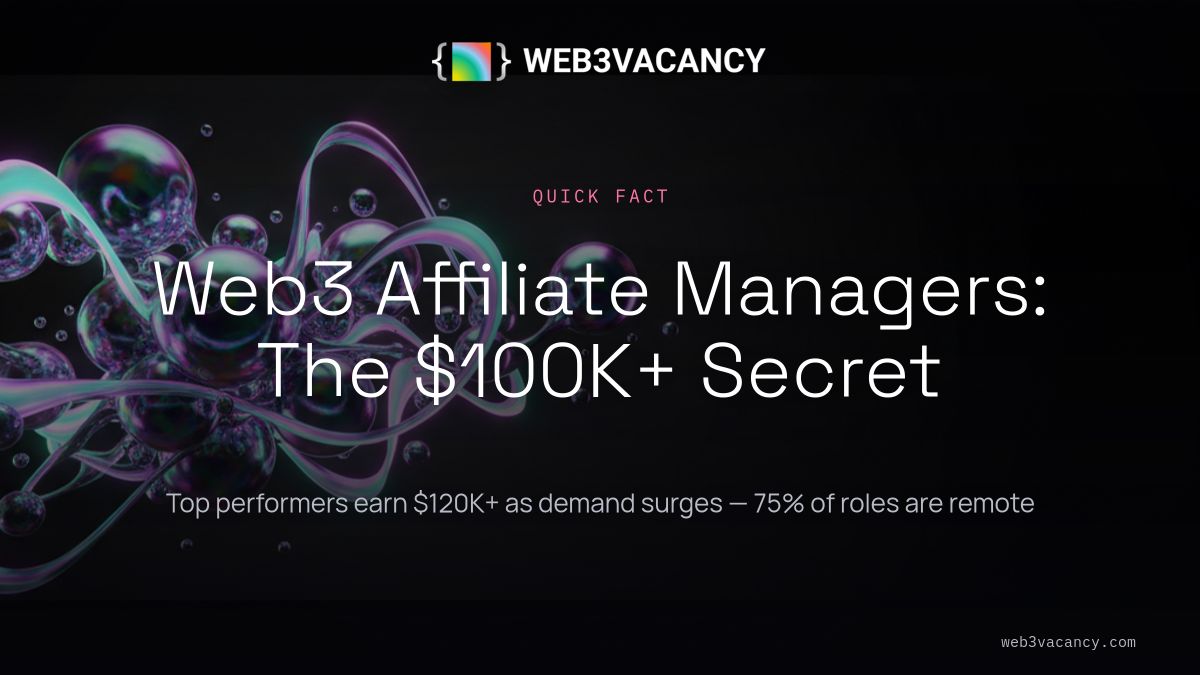
• 𝗥𝗲𝗺𝗼𝘁𝗲 𝗗𝗼𝗺𝗶𝗻𝗮𝘁𝗲𝘀: 75% of web3 affiliate roles are fully remote, versus just 40% in traditional finance affiliate programs.
• 𝗡𝗶𝗰𝗵𝗲 𝗗𝗲𝗺𝗮𝗻𝗱: Only ~500 active web3 affiliate manager jobs exist globally, making this a high-barrier but high-reward specialization.
• 𝗔𝘀𝘀𝗲𝘁-𝗦𝗽𝗲𝗰𝗶𝗳𝗶𝗰 𝗦𝗸𝗶𝗹𝗹𝘀 𝗣𝗮𝘆 𝗢𝗳𝗳: Managers with DeFi protocol experience earn 15–20% more than those focused solely on exchange referrals.
𝗔𝗰𝘁𝗶𝗼𝗻𝗮𝗯𝗹𝗲 𝗔𝗱𝘃𝗶𝗰𝗲 𝗳𝗼𝗿 𝗔𝘀𝗽𝗶𝗿𝗶𝗻𝗴 𝗔𝗳𝗳𝗶𝗹𝗶𝗮𝘁𝗲 𝗠𝗮𝗻𝗮𝗴𝗲𝗿𝘀:
1. 𝗕𝘂𝗶𝗹𝗱 𝗮 𝗧𝗿𝗮𝗰𝗸 𝗥𝗲𝗰𝗼𝗿𝗱: Start by referring users to smaller protocols—even unpaid—to demonstrate conversion rates.
2. 𝗠𝗮𝘀𝘁𝗲𝗿 𝗢𝗻-𝗖𝗵𝗮𝗶𝗻 𝗠𝗲𝘁𝗿𝗶𝗰𝘀: Learn to track referral volumes via Dune Analytics or Etherscan, not just CEX dashboards.
3. 𝗡𝗲𝗴𝗼𝘁𝗶𝗮𝘁𝗲 𝗙𝗼𝗿 𝗧𝗼𝗸𝗲𝗻 𝗜𝗻𝗰𝗲𝗻𝘁𝗶𝘃𝗲𝘀: Top-tier roles often include token bonuses—push for vesting schedules tied to long-term growth.
Read the full guide with salary benchmarks by region and company tier: https://t.co/0HTYzgBOGe
#web3jobs #DeFi #cryptocareers
𝗧𝗼𝗽 𝟱 𝗛𝗶𝗴𝗵𝗲𝘀𝘁-𝗣𝗮𝘆𝗶𝗻𝗴 𝗪𝗲𝗯𝟯 𝗡𝗼𝗻-𝗧𝗲𝗰𝗵 𝗥𝗼𝗹𝗲𝘀
Web3 isn't just for developers. Our latest salary analysis of 500+ live roles reveals lucrative opportunities for non-technical professionals, with 75% offering remote work. Here's what the data shows about where the money flows in decentralized ecosystems.
𝗞𝗲𝘆 𝗜𝗻𝘀𝗶𝗴𝗵𝘁𝘀:
• 𝗕𝘂𝘀𝗶𝗻𝗲𝘀𝘀 𝗗𝗲𝘃𝗲𝗹𝗼𝗽𝗺𝗲𝗻𝘁 𝗠𝗮𝗻𝗮𝗴𝗲𝗿𝘀 lead at $120K-$180K base + token incentives – especially those with enterprise SaaS experience transitioning to protocol bizdev
• 𝗦𝗲𝗻𝗶𝗼𝗿 𝗣𝗿𝗼𝗱𝘂𝗰𝘁 𝗗𝗲𝘀𝗶𝗴𝗻𝗲𝗿𝘀 command $110K-$160K at top exchanges (Binance, OKX), with UX/UI specialists for DeFi frontends seeing 20% premiums
• 𝗖𝗼𝗺𝗽𝗹𝗶𝗮𝗻𝗰𝗲 ��𝗻𝗮𝗹𝘆𝘀𝘁𝘀 now earn $90K-$140K as regulations tighten – US/UK licensed professionals see fastest salary growth (+35% YoY)
• 𝗔𝗳𝗳𝗶𝗹𝗶𝗮𝘁𝗲 𝗠𝗮𝗻𝗮𝗴𝗲𝗿𝘀 in gambling/GameFi verticals pull $80K-$130K with performance bonuses, outpacing traditional digital marketing roles
• 𝗖𝗼𝗺𝗺𝘂𝗻𝗶𝘁𝘆 𝗠𝗮𝗻𝗮𝗴𝗲𝗿𝘀 at DAOs/L1s average $75K-$110K – multilingual candidates earn 15-25% more managing global communities
𝗔𝗰𝘁𝗶𝗼𝗻𝗮𝗯𝗹𝗲 𝗔𝗱𝘃𝗶𝗰𝗲:
1. Highlight transferable skills: Web2 marketing, legal, or ops experience translates well when paired with crypto knowledge
2. Negotiate token exposure: 42% of non-tech roles now include token vesting – understand valuation cliffs and tax implications
3. Target growth sectors: Compliance leads hiring (WoW change 0%), followed by BizDev for institutional crypto products
Read the full guide with role breakdowns, company benchmarks, and negotiation tactics: https://t.co/0HTYzgBOGe
#web3jobs #cryptocareers #remotework
𝗪𝗵𝘆 𝗪𝗲𝗯𝟯 𝗦𝗮𝗹𝗮𝗿𝗶𝗲𝘀 𝗔𝗿𝗲 𝗠𝗼𝗿𝗲 𝗧𝗿𝗮𝗻𝘀𝗽𝗮𝗿𝗲𝗻𝘁 𝗧𝗵𝗮𝗻 𝗪𝗲𝗯𝟮
In traditional tech (Web2), salary discussions are often shrouded in secrecy, with companies discouraging transparency and employees left guessing about fair compensation. Web3 flips this script—here’s how and why.
• 𝗗𝗮𝘁𝗮-𝗱𝗿𝗶𝘃𝗲𝗻 𝗰𝗼𝗺𝗽𝗲𝗻𝘀��𝘁𝗶𝗼𝗻: 75% of Web3 roles list salary ranges upfront, compared to just 20% in Web2 (Glassdoor). Our platform alone tracks 500+ active roles with transparent pay bands.
• 𝗧𝗼𝗸𝗲𝗻-𝗯𝗮𝘀𝗲𝗱 𝗶𝗻𝗰𝗲𝗻𝘁𝗶𝘃𝗲𝘀: Unlike Web2 RSUs, Web3 compensation often includes liquid tokens or equity tied to protocol performance, creating alignment between contributors and projects.
• 𝗖𝗼𝗺𝗺𝘂𝗻𝗶𝘁𝘆-𝗱𝗿𝗶𝘃𝗲𝗻 𝗯𝗲𝗻𝗰𝗵𝗺𝗮𝗿𝗸𝗶𝗻𝗴: DAOs and on-chain organizations frequently publish compensation frameworks publicly (e.g., Gitcoin, Uniswap Grants).
• 𝗥𝗲𝗺𝗼𝘁𝗲-𝗳𝗶𝗿𝘀𝘁 𝗽𝗮𝗿𝗶𝘁𝘆: 75% of Web3 jobs are remote, eliminating geographic pay disparities common in Web2 (where SF/NYC salaries dwarf other regions).
𝗪𝗵𝗮𝘁 𝘁𝗵𝗶𝘀 𝗺𝗲𝗮𝗻𝘀 𝗳𝗼𝗿 𝗽𝗿𝗼𝗳𝗲𝘀𝘀𝗶𝗼𝗻𝗮𝗹𝘀:
• Negotiate from a position of knowledge—compare your offer against verified Web3 salary data
• Prioritize projects with clear compensation frameworks (look for published docs or ask during interviews)
• Factor in token vesting schedules and liquidity when evaluating total comp
Top roles with transparent pay bands this week: Affiliate Manager ($90K–$140K), Compliance Analyst ($110K–$160K), Senior Product Designer ($130K–$190K).
Read the full guide: https://t.co/0HTYzgBOGe
#web3jobs #blockchain #careers
𝗛𝗼𝘄 𝘁𝗼 𝗕𝗿𝗲𝗮𝗸 𝗜𝗻𝘁𝗼 𝗪𝗲𝗯𝟯 𝗕𝘂𝘀𝗶𝗻𝗲𝘀𝘀 𝗗𝗲𝘃𝗲𝗹𝗼𝗽𝗺𝗲𝗻𝘁
Web3 business development (BD) roles are in high demand, with 500+ active listings on our job board—yet many candidates struggle to stand out. While technical skills matter, the most successful BD professionals master a unique blend of soft skills tailored to decentralized ecosystems. Here’s what the data shows and how to bridge the gap.
𝗪𝗵𝘆 𝗦𝗼𝗳𝘁 𝗦𝗸𝗶𝗹𝗹𝘀 𝗠𝗮𝘁𝘁𝗲𝗿 𝗠𝗼𝗿𝗲 𝗧𝗵𝗮𝗻 𝗘𝘃𝗲𝗿
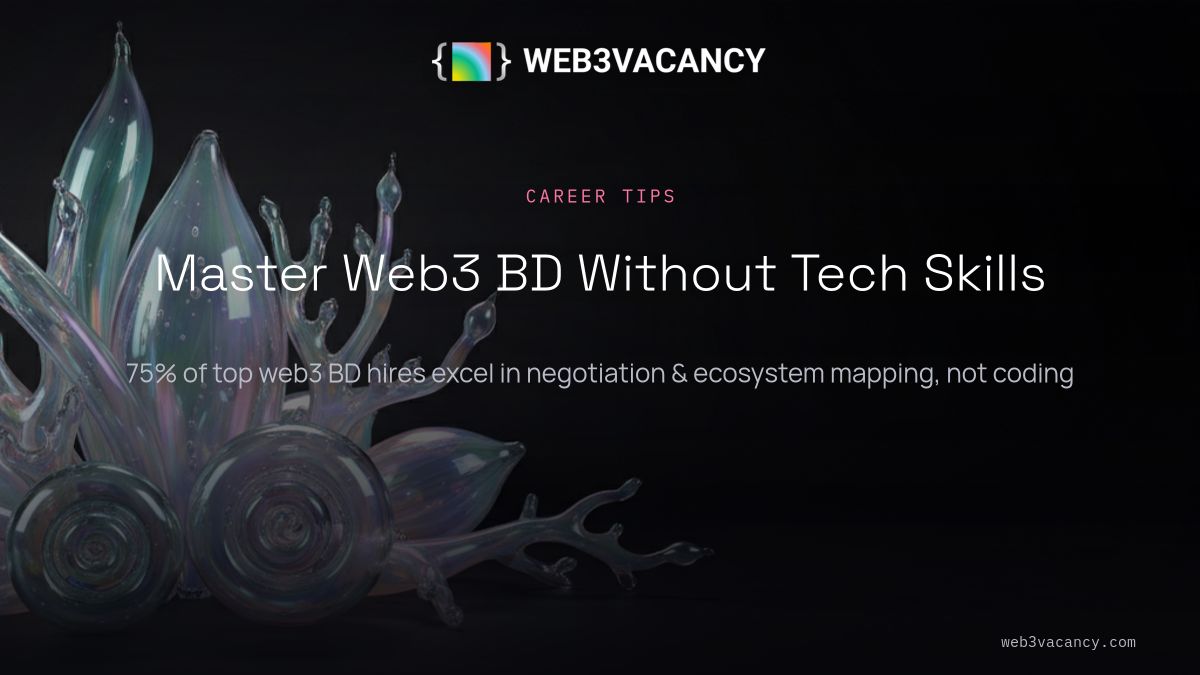
• 𝟳𝟱% of web3 BD roles are remote, requiring exceptional async communication and self-direction.
• Top companies like Binance and Galaxy Digital prioritize candidates who understand tokenomics AND can negotiate partnerships across cultures/time zones.
• Unlike traditional BD, web3 demands fluency in community-building—DAO governance participation is now a resume differentiator.
𝗧𝗵𝗲 𝟱 𝗡𝗼𝗻-𝗡𝗲𝗴𝗼𝘁𝗶𝗮𝗯𝗹𝗲 𝗦𝗸𝗶𝗹𝗹𝘀
• 𝗗𝗲𝗰𝗲𝗻𝘁𝗿𝗮𝗹𝗶𝘇𝗲𝗱 𝗡𝗲𝗴𝗼𝘁𝗶𝗮𝘁𝗶𝗼𝗻: Structure win-win deals with protocols (e.g., revenue-sharing via smart contracts).
• 𝗢𝗻-𝗖𝗵𝗮𝗶𝗻 𝗟𝗶𝘁𝗲𝗿𝗮𝗰𝘆: Track wallet activity/Dune dashboards to identify growth opportunities.
• 𝗧𝗼𝗸𝗲𝗻-𝗔𝗹𝗶𝗴𝗻𝗲𝗱 𝗦𝘁𝗼𝗿𝘆𝘁𝗲𝗹𝗹𝗶𝗻𝗴: Pitch projects using metrics like TVL, active addresses, not vanity stats.
• 𝗖𝗼𝗺𝗺𝘂𝗻𝗶𝘁𝘆 𝗗𝗿𝗶𝘃𝗲𝗻 𝗦𝗮𝗹𝗲𝘀: Build trust in Discords/TG before pushing products.
• 𝗥𝗲𝗴𝘂𝗹𝗮𝘁𝗼𝗿𝘆 𝗡𝘂𝗮𝗻𝗰𝗲: Navigate jurisdictional gray areas (e.g., MiCA compliance for EU deals).
𝗔𝗰𝘁𝗶𝗼𝗻𝗮𝗯𝗹𝗲 𝗦𝘁𝗲𝗽𝘀 𝗧𝗼𝗱𝗮𝘆
1. Audit your LinkedIn: Replace "closed $X deals" with specific web3 metrics (e.g., "onboarded 50+ DAO contributors").
2. Join 3 DAO working groups (marketing/biz-dev channels) to observe deal-making in public.
3. Simulate a partnership pitch using real protocol data (try copying a Uniswap or Aave dashboard).
Read the full guide with role breakdowns and interview prep: https://t.co/kuEoGXetHb
#web3jobs #BusinessDevelopment #web3careers
𝗛𝗼𝘄 𝗠𝘂𝗰𝗵 𝗗𝗼 𝗪𝗲𝗯𝟯 𝗔𝗳𝗳𝗶𝗹𝗶𝗮𝘁𝗲 𝗠𝗮𝗻𝗮𝗴𝗲𝗿𝘀 𝗘𝗮𝗿𝗻? 𝗔 𝗗𝗮𝘁𝗮-𝗗𝗿𝗶𝘃𝗲𝗻 𝗕𝗿𝗲𝗮𝗸𝗱𝗼𝘄𝗻
Affiliate marketing is booming in web3, with protocols and exchanges leveraging performance-based partnerships to drive user acquisition. But what does compensation look like for the professionals managing these programs? Our latest salary analysis reveals key trends for affiliate managers in crypto.
𝗞𝗲𝘆 𝗜𝗻𝘀𝗶𝗴𝗵𝘁𝘀:
• 𝗠𝗶𝗱-𝗰𝗮𝗿𝗲𝗲𝗿 𝗲𝗮𝗿𝗻𝗶𝗻𝗴𝘀: $90K–$150K base salary, with top performers at tier-1 exchanges (Binance, OKX) reaching $180K+
• 𝗖𝗼𝗺𝗺𝗶𝘀𝘀𝗶𝗼𝗻 𝘀𝘁𝗿𝘂𝗰𝘁𝘂𝗿𝗲𝘀: Typically 10–30% of generated revenue, with some programs offering token bonuses (avg. $20K–$50K annually)
• 𝗥𝗲𝗺𝗼𝘁𝗲 𝗱𝗼𝗺𝗶𝗻𝗮𝗻𝗰𝗲: 82% of roles are location-agnostic, though EU/US-based managers command 15–20% premiums
• 𝗦𝗸𝗶𝗹𝗹 𝗽𝗿𝗲𝗺𝗶𝘂𝗺𝘀: On-chain analytics (Dune, Nansen) expertise adds $20K+ to offers; DeFi-native candidates see 30% faster hiring
• 𝗘𝗺𝗲𝗿𝗴𝗶𝗻𝗴 𝘁𝗿𝗲𝗻𝗱𝘀: 45% of new postings now require cross-protocol experience (e.g., bridging CEX and DeFi affiliate programs)
𝗔𝗰𝘁𝗶𝗼𝗻𝗮𝗯𝗹𝗲 𝗔𝗱𝘃𝗶𝗰𝗲 𝗳𝗼𝗿 𝗖𝗮𝗻𝗱𝗶𝗱𝗮𝘁𝗲𝘀:
1. Quantify past performance – top candidates showcase specific metrics (e.g., 'Grew affiliate network to 2,500 partners generating $4M monthly volume')
2. Build on-chain credibility – even non-technical managers should understand wallet analytics and smart contract interactions
3. Negotiate token exposure – seek vesting schedules aligned with program growth, not just short-term bonuses
For hiring managers: Benchmark against our verified web3 salary data (exchange/DeFi roles show 18% pay divergence) and consider hybrid compensation models to attract top talent.
Read the full guide: https://t.co/0HTYzgBOGe
#web3jobs #DeFi #affiliatemarketing