Even back in the day people loved to play dress up. #Ootd is this 1908 evening gown with heavy Renaissance motifs- mainly in the velvet banded, puffed sleeves. The details are incredible- the gauze roses with sequins and beads, the lower sleeves of lace and net 🤌 #Fashionhistory
When walking a site, knowing where to look saves a lot of time. Find change between two years with detect change in Google Earth to see how a site changed before you drive out. https://t.co/3WgmGWrqwc
While exploring historical imagery is invaluable, toggling between capture dates to scan a large site by eye makes it easy to miss details in construction, land clearing, or nearby development. Outline your site in detect change, and a heat map shows where the ground changed. Zoom to those clusters, then open historical imagery and historical Street View from your desk so your field visit covers the ground that actually changed.
The HVAC company with the brand new wrapped vans quoted $18,500 to replace the furnace and AC at one of my rental houses.
My guy installed the same equipment for $4,100. He was licensed, pulled the permit and literally finished in one afternoon.
That's $14,400 apart for the same job.
Wall Street investment firms have bought hundreds of local HVAC, plumbing and electrical companies. Some keep the old local business name, but now have sales targets and technicians who earn commissions on replacements.
So the guy diagnosing your broken AC might make more money selling you a new one than fixing the old one.
I've renovated 80+ houses. Here's what I'd check before agreeing to an expensive repair.
1. The AC stops cooling
A company says you need a $12,000 replacement. Ask which part failed and how they tested it.
Sometimes it's a capacitor, a part that can cost $15 to $40. A technician may charge $150 to $400 for the visit and replacement.
If they say the whole unit is dead, get a second diagnosis before you replace it.
2. The furnace & AC need replacing
Make both companies quote the same equipment and work. Ask for exact model numbers, energy efficiency ratings, permits, warranties and any ductwork or electrical changes.
If one company wants thousands more, I want to see what the extra money buys.
3. The hot water smells horrible
Don't replace a water heater over a smell before finding out where it's coming from.
If it happens only with hot water, bacteria or the anode rod inside the heater may be involved. The rod is a metal part that helps protect the tank from rust.
Have a plumber check the cause. A repair or treatment might fix the smell without a new water heater.
4. The sewer backs up
A plumber says the line collapsed and wants $14,000 to dig up the yard.
Get a sewer camera inspection first, and ask to see the footage. Roots or another blockage might be cleared without excavation. A collapsed pipe may need replacement.
I want proof before I let anybody dig.
5. The $20/month comfort club
That's $240 a year. Find out what the plan includes and compare it with paying for maintenance as you need it.
If all you're getting is one tune-up and a chance to hear another sales pitch, keep your money.
How I find my contractors: I visit HVAC and plumbing supply houses where local pros buy their parts and ask for reputable independent companies. Then I check their licenses, insurance and references.
Get three written quotes on jobs over $2,000 and make sure they're pricing the same work.
Before you pay $18,500 for a replacement, make the person selling it show you what broke and why it can't be repaired.
trying to work up the courage to ask property maintenance team at work if I can have a go on the leaf blower because they looked like they were having so much fun
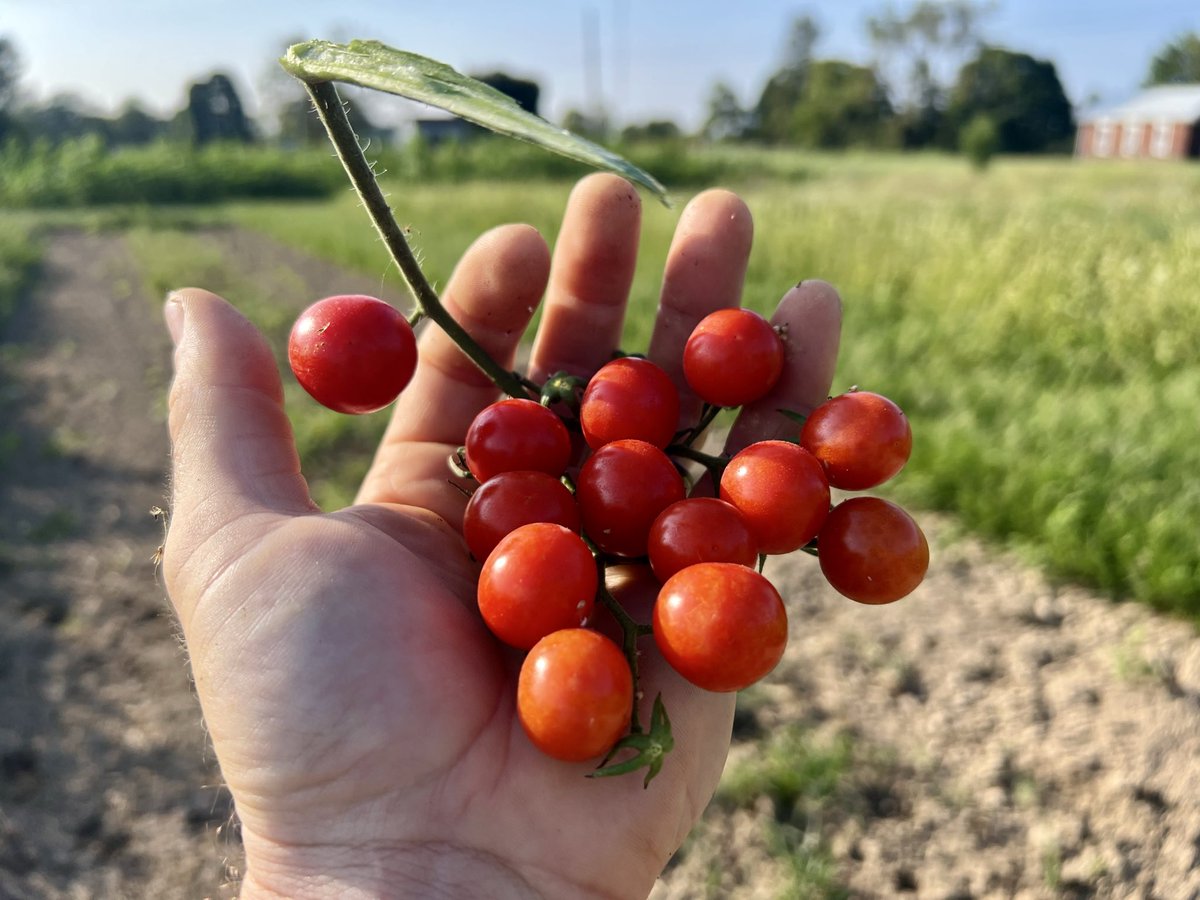
If you make one decision to plant one thing next year AND use that plant in your own cooking - make it pasta sauce.
Fresh tomatoes, maybe add some basil, an onion, garlic - you can legitimately grow a pasta garden.
Then a salsa garden. A medicinal garden.
Try it with fresh tomatoes in pasta - absolutely incredible. But if you want to help yourself use your produce in your actual cooking, take what you enjoy eating and work it backwards into a garden for that meal.
HEALTHY BEAN LEAVES: NUTRITION AND VALUE BEYOND THE HARVEST
Bean plants offer more than dry grain. In some communities, young bean leaves are also consumed as a leafy vegetable, providing an additional source of food and helping farmers make better use of their crops.
Young, edible bean leaves can contribute vitamins, minerals and dietary fiber to meals. Their nutritional value depends on the bean variety, growing conditions and preparation method. However, not every bean variety is suitable for eating as leaves, so farmers should follow locally recommended food safety guidance.
Healthy leaves begin with good farming practices. Select quality seeds suited to your area, prepare fertile, well drained soil and maintain recommended plant spacing. Provide adequate moisture during establishment and flowering, control weeds early and inspect the crop regularly for aphids, leaf eating insects, fungal diseases and unusual leaf discoloration.
If you harvest leaves for food, do so selectively and avoid removing too much foliage. Bean leaves are important for photosynthesis, which supplies the energy needed for flowering, pod formation and grain filling. Excessive leaf harvesting can reduce grain yield. Never eat raw bean leaves unless their safety has been established; use an appropriate local preparation method and cook them thoroughly.
For farmers considering leaf sales, assess local demand, labor costs and the effect of harvesting on final grain production. Keeping records of leaf harvests, grain yields and expenses can help you determine whether dual purpose production is worthwhile.
Smart agriculture is about balancing nutrition, productivity and profitability. When farmers manage bean crops carefully, every harvest decision can support healthier households and more sustainable farming businesses.
#YouthInAg #InvestInAg
Before you discard it, rethink it. ♻️
Old textiles and fabric scraps can find a second life through reuse, repair and upcycling, turning what we consider waste into something useful again.
Small choices can help build a more sustainable and circular textile future.
#SpecialCampaign6 #SustainableTextiles #CircularTextiles #TextileWaste #ReuseRepairUpcycle #MinistryOfTextiles
I was chatting with a friend a few months back & telling her about how badly I wanted a VGK crescent bag but how I couldn't justify paying the prices I saw on Etsy. I had a Halloween party last night & she surprised me with the exact kind of bag I wanted. She hand made it. 🥹😭
guess who I'm going as for Halloween:3 I just finished making a stencil to draw the heart on the shirt, gonna go it when my sister is home cus I need to steal her fabric pens, I also made the fuck belt out of cardboard :3
While knitting a blanket for my cat, my mom put on a cartoon on her phone to keep my cat from playing with the yarn.
Now my cat is quietly watching the cartoon while my mom continues knitting a cozy blanket for her 🥹❤️😂
If nobody refers you, it's the quality of your work.
If nobody in town knows your name, it's your marketing.
If you get 100 leads and close zero, the problem is your follow-ups.
A lot of home service business owners just call all three a lead problem.
I’m questioning my life decisions right now… I just finished a 3-hour job shelling my homegrown garlic to prep it for preservation. I could just buy garlic powder and settle.
Driving around with Joel Salatin on his farm one day, I noticed all the walnuts on the ground. I had just harvested our first crop from our own land. First, we shelled them, then power-washed them, then let them cure for two weeks (and hoped) the squirrels wouldn’t get them. Finally, we cracked them open, pried out the nuts, crushed them, and put them in a jar. Literally hours of my time over a couple of weeks. Then, we added them to a spiced nut cake and they tasted fruity (In a weird way).
So, I was curious if Joel had ever gone on that adventure, so I asked, “Do you ever harvest walnuts?” to which he wisely replied.”
Joel knew the process was ridiculous and he knows he has more efficient uses of his time, like moving cows, feeding pigs, or giving an interview to someone like me.
So here I am shelling garlic. Not only is it time-consuming, it hurts. I literally burned the tips of my fingers from the garlic oil. One finger has a literal burn mark.
I could reason that it’s garlic from my soil, I know how it was grown, and if I didn’t do this I’d have to get a a real job, blah blah blah.
But those reasons aren’t always enough. Clearly, in the walnut case, they aren’t.
And yet sit here and write this after I’m done and it feels good, and I plan to do it again, unlike walnut harvesting (unless I get the machine).
I’m searching for the reason why, and have decided it’s for the kitchen. We want cloves, not just powder, and if we bought garlic we’d have to shell it anyway, one meal at a time. And we’d also have to go to town and buy the garlic.
But if we shell them all at once then freeze-dry them it’s more efficient and we save the cloves.
The deeper reasons don’t always drive me. More often than not I need a monetization reason or time-efficiency reason to keep me motivated.
Apologies if you needed a deeper meaning behind all the drudgery today. Sometimes it’s just giving future gifts to yourself. Because in December when I want to make tomato, garlic, roasted chicken, all I’ll have to do is throw the goods in the baking dish and come back when it’s time to eat.