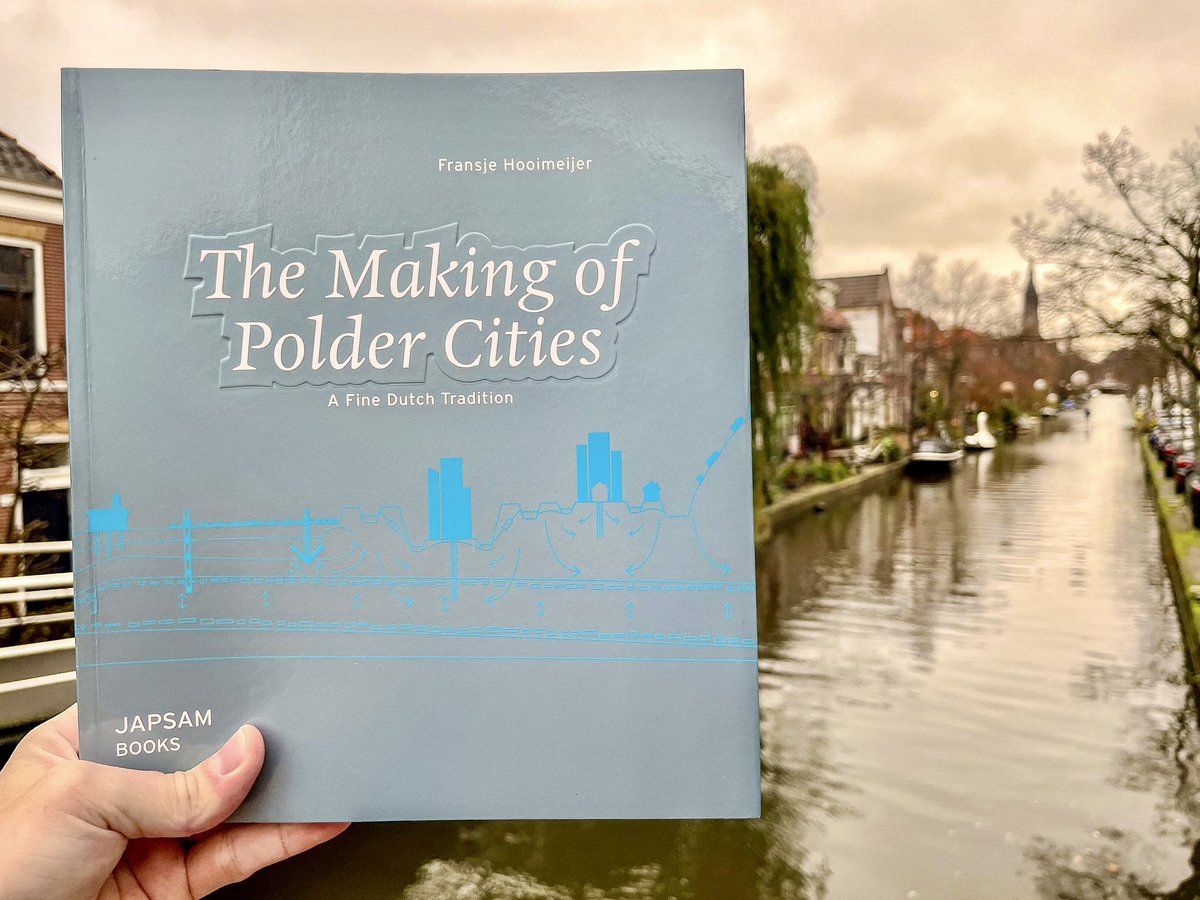
“Town planning is the art of creating an environment to produce and maintain human values—and the harmonising of public and private needs so one shall not be sacrificed to the other. If any urban activity can be said to have approached that ideal, it’s the making of Dutch towns.”
Here’s how to do it:
🚊Trams
🏫Gentle Density
📍Coterminous with town not sprawl
🏛️Beautiful
🚲Bikeable
🚶♀️➡️Walkable
NOT more of the same that Homes England normally subsidises
You can read full our plans on how to do this as reported in @thetimes …
Hear me out:
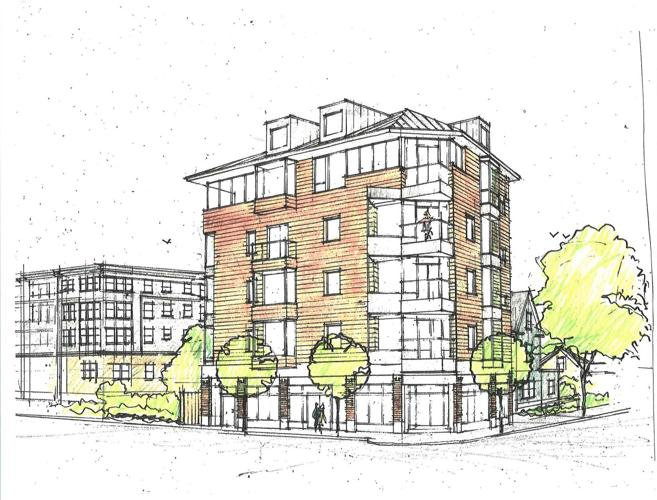
If we could design buildings with single stairs and no parking requirements…
5-over-1 residential buildings could start to look like this:
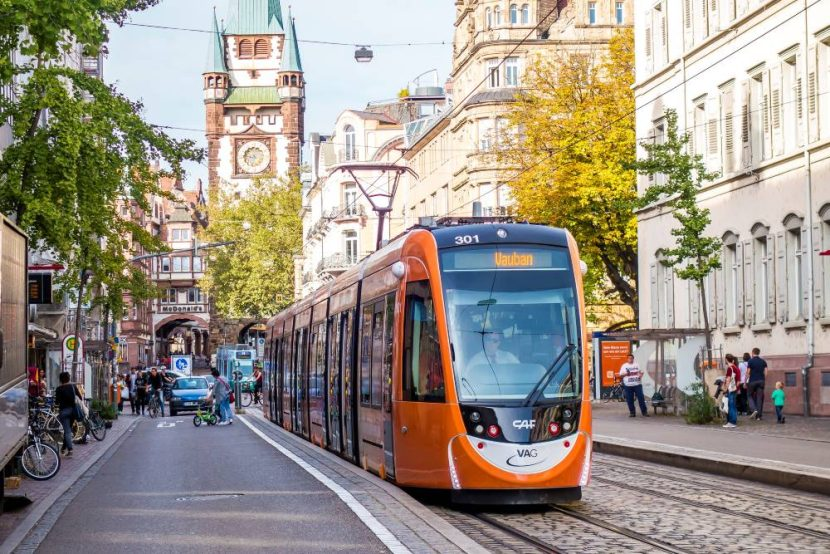
While Britain and the US tore up their trams after WWII, Germany kept theirs. 60 cities still run trams today, stitching together city centres and walkable, low-car neighbourhoods. How did they do it? I wrote an article about that: https://t.co/eJ4zmkPSTn
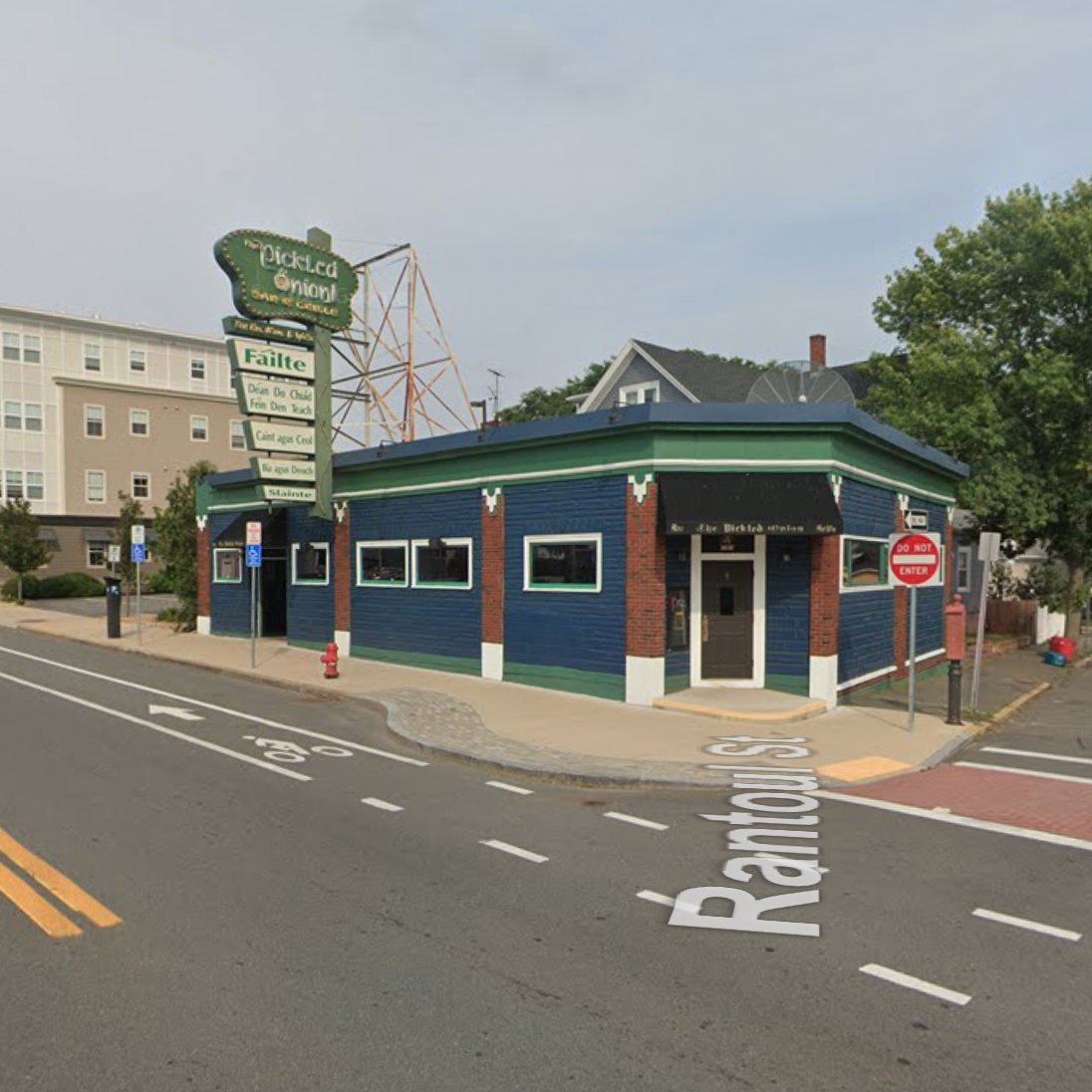
The Pickled Onion proposed building 8 homes over a new restaurant.
The project died when they were told they'd need to provide 18 parking spots for the restaurant...
“There’s been a restaurant there for 70 years... we’ve never been required to have parking."
📍Beverly, MA
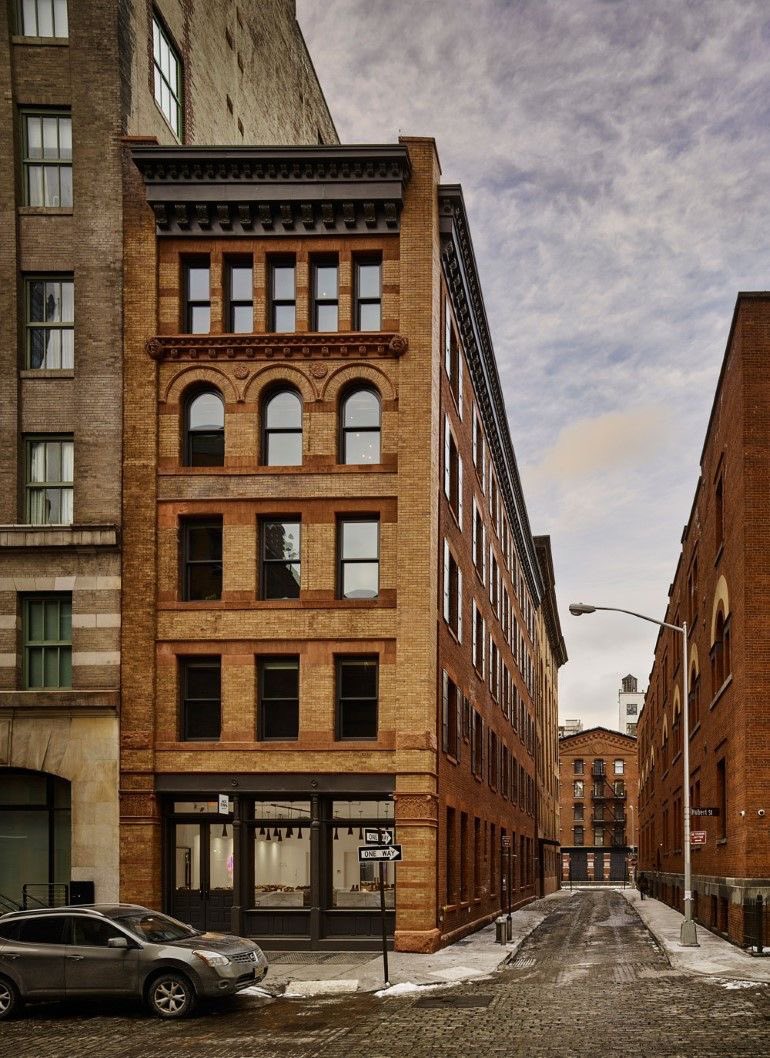
Reminder: Courtyard blocks are not mega developments.
They are many buildings (wide, shallow, and tall) built around the perimeter of the block to enclose a central courtyard.
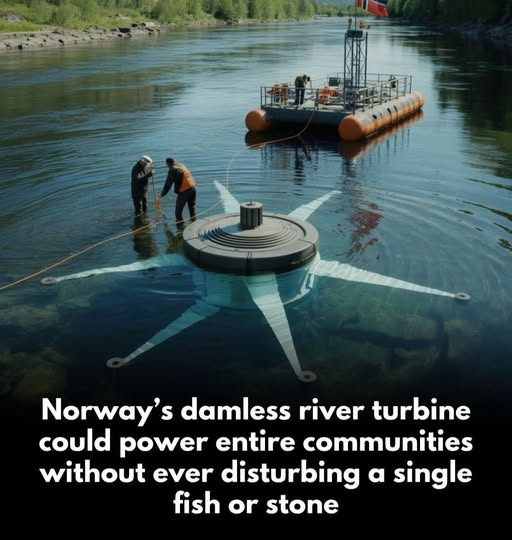
Norway just launched a damless river turbine that generates power without blocking water
Norwegian engineers have created a breakthrough in hydroelectric design — a river turbine system that generates power without any dams, barriers, or concrete channels. Installed in the Suldalslågen River, the device is fully submerged, suspended in mid-flow like a fishing net, turning kinetic water motion into electricity.
The turbine resembles a floating water mill — but sleek, modern, and built from marine-safe composites. Its internal rotor spins silently with the current, sending power through submerged cables to a floating converter platform.
What’s truly revolutionary is its ecological safety. It allows fish to swim through it unharmed, doesn’t alter the watercourse, and requires no excavation. This means rivers can be used for power without disturbing fragile ecosystems or migration paths.
The unit operates 24/7, even under ice, and requires almost no maintenance. Each turbine can power 10 homes — and hundreds can be linked across rivers without needing dams. It’s a decentralization dream.
Norway hopes this will enable developing nations and remote areas to generate clean power from rivers without expensive infrastructure. Energy, without destruction.
Hook: Norway’s damless river turbine could power entire communities without ever disturbing a single fish or stone.