A healthy bass pond depends on more than just the bass.
Bluegill, threadfin shad, and gizzard shad can all play important roles as forage, but their size and abundance determine how useful they are to the predator population.
#pondmanagement#bassmanagement#fisheriesmanagement
How do you survey a lake’s fish population?
Wiregrass uses controlled electricity to temporarily stun fish, allowing the crew to collect samples and evaluate fish condition, species variety, and baitfish abundance.
#fisheriesmanagement#lakemanagement#fishsurvey
Wiregrass is working to restore roughly 500 acres of pitcher plant bog habitat in South Mississippi.
These bogs help regulate water, store carbon, and support unique native plant communities - including carnivorous pitcher plants.
#bogrestoration#pitcherplants#ecology
Taking back wetland habitat, one Phragmites stem at a time.
Wiregrass crews are using backpack sprayers to control invasive Phragmites and create more room for native wetland vegetation and wildlife habitat to recover.
#phragmites#wetlandrestoration#habitatmanagement
Cogongrass can quickly crowd out native vegetation and create dense stands with little value for wildlife.
In Jones County, Mississippi, Wiregrass is working to control an infestation and help restore healthier native vegetation and habitat.
#cogongrass#invasivespecies
How can you tell a young male red-cockaded woodpecker from a female? 🐦
At around 20 days old, males develop a red spot on the top of the head, while females have an all-black head.
Part 2 of our red-cockaded woodpecker nest monitoring.
#WildlifeBiology#Conservation
How do biologists track individual red-cockaded woodpeckers? 🐦
Color bands and an individually numbered metal band allow biologists to identify each bird if it’s spotted again in the future.
Part 1 of our look at red-cockaded woodpecker nest monitoring.
#WildlifeBiology
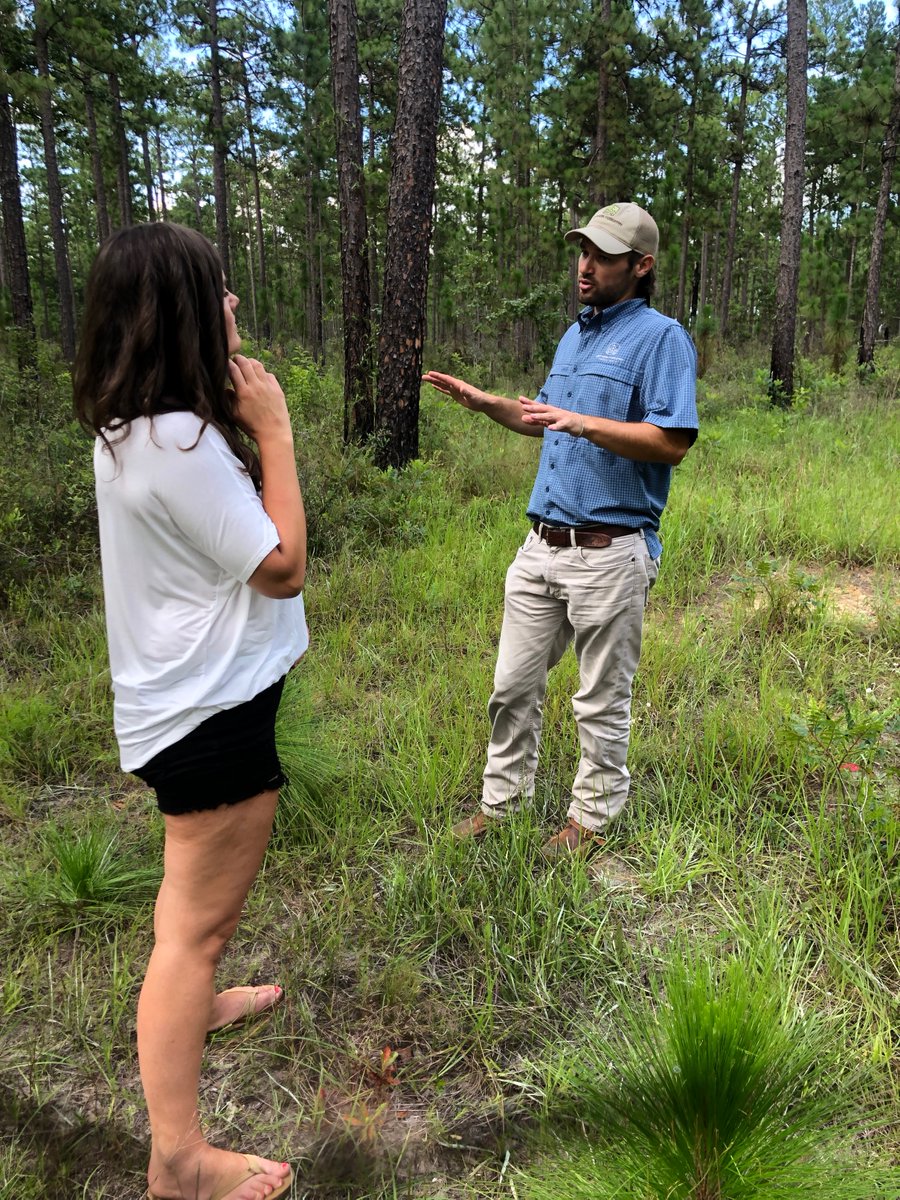
More sunlight can mean better wildlife habitat. 🌲
Opening up a dense forest canopy allows more vegetation to grow at ground level, creating valuable food and cover for deer, grouse, turkey, and other wildlife.
#Forestry#WildlifeHabitat#LandManagement
Check out this awesome article written by NPR on wildfire prevention. This article highlights Florida and the benefits of prescribed burning.
https://t.co/tJvqSaHxi3
One of our Biologists presented at the Florida Master Logger workshop this past week. The presentation informed the audience on threatened and endangered species and what implications they have for loggers and foresters. Head to our website to read the full article.
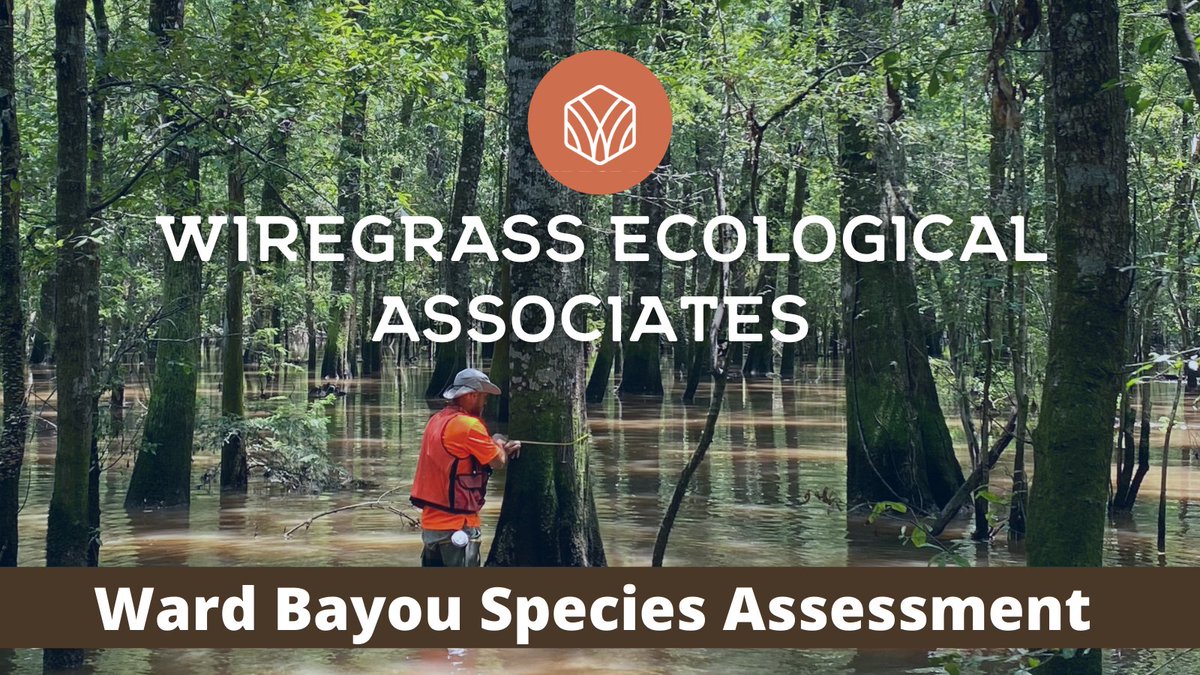
Before a land management plan can be written, a survey of the property must be done. WEA has been working at Ward Bayou WMA conducting a forest and invasive species inventory.
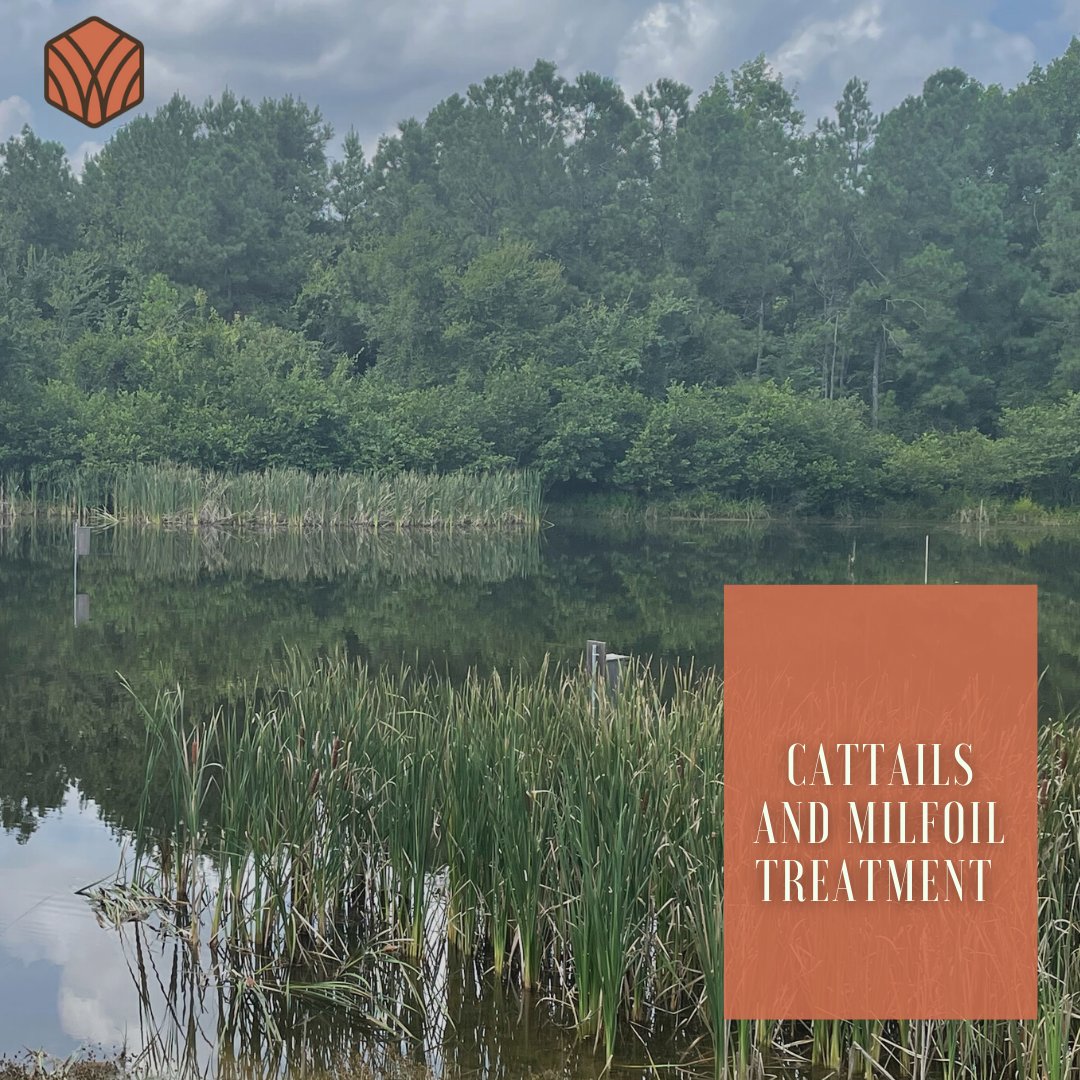
A picture is worth a thousand words! Aquatic invasive treatments can improve the look and functionality of your property. Contact us today if you need assistance! #invasivespeciestreatment#wiregrasseco
Did you know that WEA provides a water quality analysis with any pond survey? The purpose of the analysis is to give us information on the pond’s productivity and indicate the potential need for additions of lime or other chemicals to balance the pond's attributes.
WEA biologists recently completed the cleaning of inactive RCW cavities on sites where juveniles were fledged after successful breeding efforts. This work helps to ensure that there are ample suitable cavities to accommodate the recently fledged juveniles.
As part of an ongoing research initiative, WEA uses GPS tracking equipment to monitor gopher tortoise activity in the National Forest. By providing insights into preferred tortoise habitat, the data is helping to drive management and conservation efforts.