A Brazilian youngster at many other European clubs can wait three years for a registration slot. At Shakhtar Donetsk, he walks straight into the first team. That one fact explains almost everything.
Spain allows three non-EU players per club. France allows four. Ukraine has no registration limits at all, and first division clubs can field up to seven non-EU players simultaneously.
While a talented young Brazilian is sitting in a reserve squad in Madrid waiting for a slot to open, his counterpart at Shakhtar is getting first team minutes, European football, and a transfer fee that grows every season. That in my opinion is the first reason why Shakhtar is attractive to Brazilians.
The second reason was a transfer architecture that was built by one man.
Just stay with me.
When Romanian manager Mircea Lucescu arrived in 2004, he had a simple idea. He wanted Ukrainians in defence with structured instructions, and Brazilians in attack with freedom. He spoke fluent Portuguese, had contacts across Brazilian football, and convinced owner Rinat Akhmetov that this was the way to play attractive, winning football.
In his first summer alone he brought in five Brazilians. Shakhtar won the league that year and barely looked back.
By 2009 the model had announced itself to Europe. Shakhtar fielded five Brazilians in the UEFA Cup final against Werder Bremen and won it. Between 2002 and today, they have signed 47 Brazilian players who have scored over 1,000 combined goals for the club.
For the players, the Unique selling point is easy. They get minutes, a platform, a Brazilian community, and a pathway to bigger clubs. For Shakhtar, they get affordable world class talent that cost less than European talent of same quality with no registration headache. Both parties meet at exactly the right moment.
So Shakhtar is as attractive to Brazilians as Brazilians are attractive to Shakhtar. A symbiosis of sorts.
My name is Ajoje. I am a FIFA Licensed Agent and International Sports Lawyer. I write on the Law and Business of Football, a lot. Repost and Follow if you want to read more posts like this.
“Something deep in my character allows me to take the hits and get on with trying to win”
Lionel Messi
Perhaps it’s the feeling sustained from the adversity he experienced as a teenager - the growth hormones he had to take in order to reach a height close to his peers. Or perhaps it’s a collation of memories from his childhood - living on the tough side of Rosario, Argentina.
Whatever the reason, Lionel Messi says there’s something within him that drives him to keep playing irrespective of what’s thrown at him.
He’s motivated! And from the quote above, it sounds as if he has a degree of extrinsic motivation. He wants to win! He wants to beat others! He wants to lift silverware. He wants to score goals and be man of the match. He wants to help guide his team to victory.
There’s no getting away from the power of being achievement-oriented in sport. The will to perform better than others and to beat others can help competitors become faster, stronger, and more skilful.
Extrinsic motivation fuels gold medal routines, world record runs, and staggering performances that leave lifetime marks on the minds of fans and even fellow competitors.
But extrinsic motivation isn’t the only fruit, and being achievement-oriented may not always be the low hanging variety that coaches often think it should be. Motivation is complex and multidimensional...perhaps a little mysterious at times.
Back to Messi:
“My motivation comes from playing the game I love”
Lionel Messi may take the hits in order to win the game, but he also does what he does because he loves what he does. He is, apparently, also intrinsically motivated. He is motivated within, perhaps even when he’s without...without the performance, without the win, without the trophy.
He keeps training and playing because he enjoys training and playing!
Intrinsic motivation - the inner sources that power up inner resources.
We’ve celebrated this brand of motivation since psychologists Deci and Ryan blew away the notion that motivation...movement towards...was solely a product of reward and punishment. Their pioneering research at the beginning of the 1970’s cast aside that suggestion.
And since then, it’s become increasingly apparent that intrinsic motivation may be more robust than its extrinsic cousin. Research has suggested that intrinsic factors such as enjoyment, interest, mastery, cooperation, human values, and aesthetic or movement experience perhaps provide a higher quality form of will and want - factors that perhaps sustain effort, energy, attitude, and focus for longer periods.
A healthier approach as well perhaps - extrinsic motivation has been related to stress, burnout and injury.
That’s not to say that extrinsic motivation is all bad. In fact, binary answers to the motivation problem are likely too simplistic. Here’s a term Swiss researchers recently come up with: highly intrinsically achievement-oriented competitors.
That sounds about right! That sound like Lionel Messi.
For Joint Pains, Arthritis, Swelling and Rheumatism
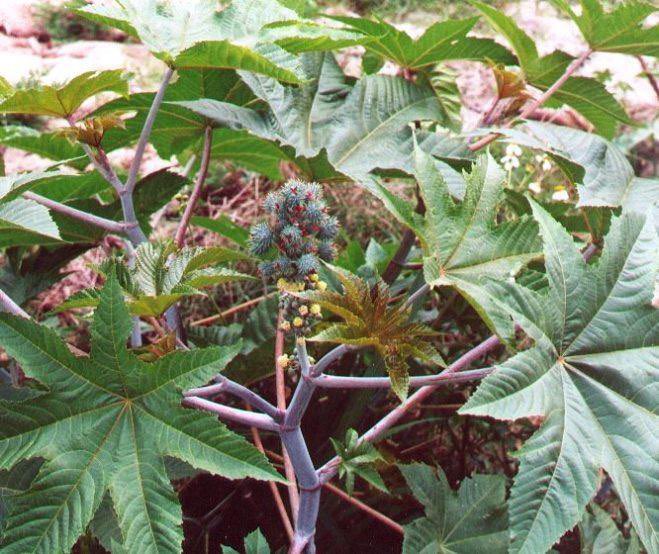
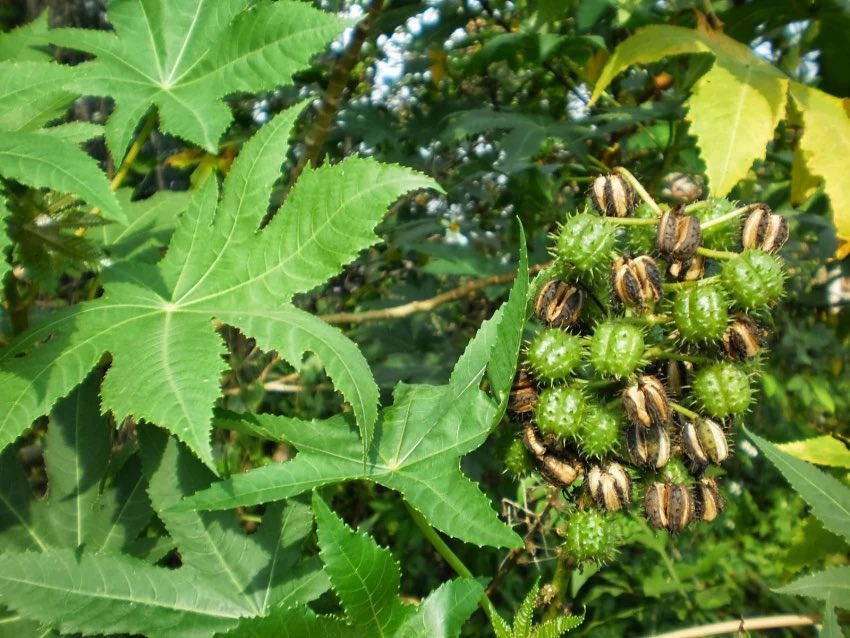
Grind the leaves of castor plant into paste and rub on joints and any painful area. Boil the leaves also and drink a teacupful twice daily. It works like magic.
Nature heals.