Improving lives of people affected by #Alzheimers & #dementia | Early detection | Risk & protective factors | #DementiaMatters podcast | Funded by @NIHAging
📬 Catch up on the latest headlines from the Wisconsin ADRC! This month’s newsletter includes research news, event announcements, a recap of the Fall Community Conversation, education opportunities and more. Read the full issue at https://t.co/AUO4rX7Z6Z.
When a person has their memory tested, what does that mean and what can they expect to learn from their results? Returning guest Dr. Tori Williams joins #DementiaMatters to discuss what cognitive screenings and tests are, the benefits of early and repeat memory testing and more. Listen 🎧 https://t.co/I2zBtWx6S5
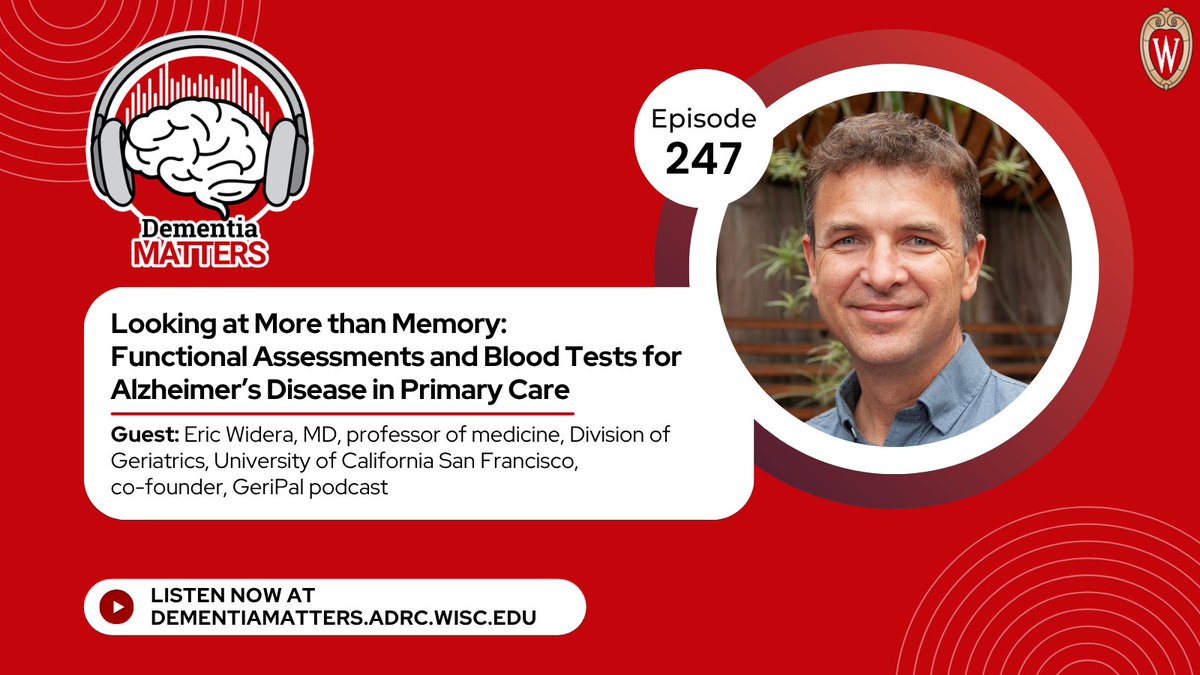
Though blood tests can help diagnose Alzheimer’s disease, they can’t replace the diagnostic process as a whole. Dr. Eric Widera joins #DementiaMatters to discuss the importance of assessing function when making a dementia diagnosis, how blood tests should be used in primary care and more. Listen 🎧 https://t.co/Lw07Ngoqm2
New research is looking at the effects of environmental factors on the brain as we age. Dr. Kathryn Conlon joins #DementiaMatters to discuss how factors like air pollution and lead exposure can affect cognition and overall brain health, as well as share strategies for how you can protect yourself against these pollutants. Listen 🎧 https://t.co/H2L7X5X9NJ
September is #WorldAlzheimersMonth, a time to raise awareness and share information about brain health, Alzheimer's disease and related dementias. Read our latest e-newsletter for news, research updates, upcoming events, resources and more: https://t.co/taeHGtaCtH.
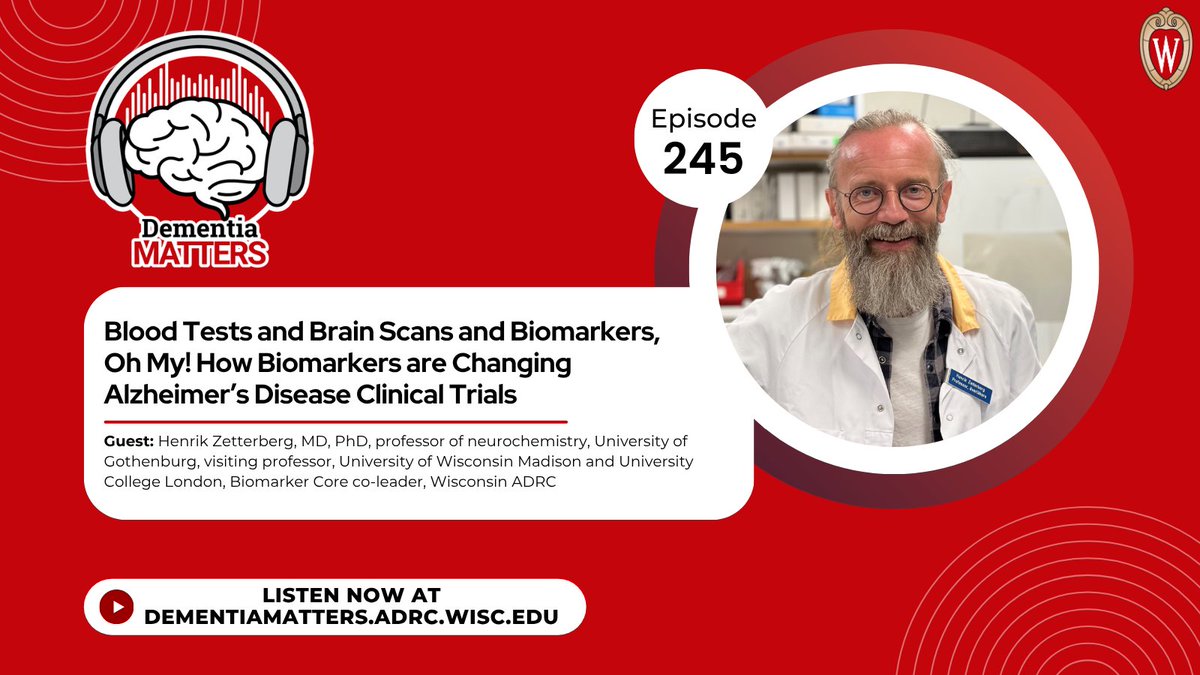
How are blood tests, brain scans and other biomarker tools used in research to develop new Alzheimer’s treatments? Dr. Henrik Zetterberg returns to #DementiaMatters to discuss how these developments are transforming clinical trials for Alzheimer's disease. Listen 🎧 https://t.co/YqAng06GmU
Public interest in brain health has increased over the last few years, so how are Americans understanding and incorporating this information into their lives? Dr. Heather Snyder joins #DementiaMatters to share the @alzassociation's new special report on perceptions of cognitive health, the importance of lifestyle behaviors and more. Listen 🎧 https://t.co/ET69gExy1H
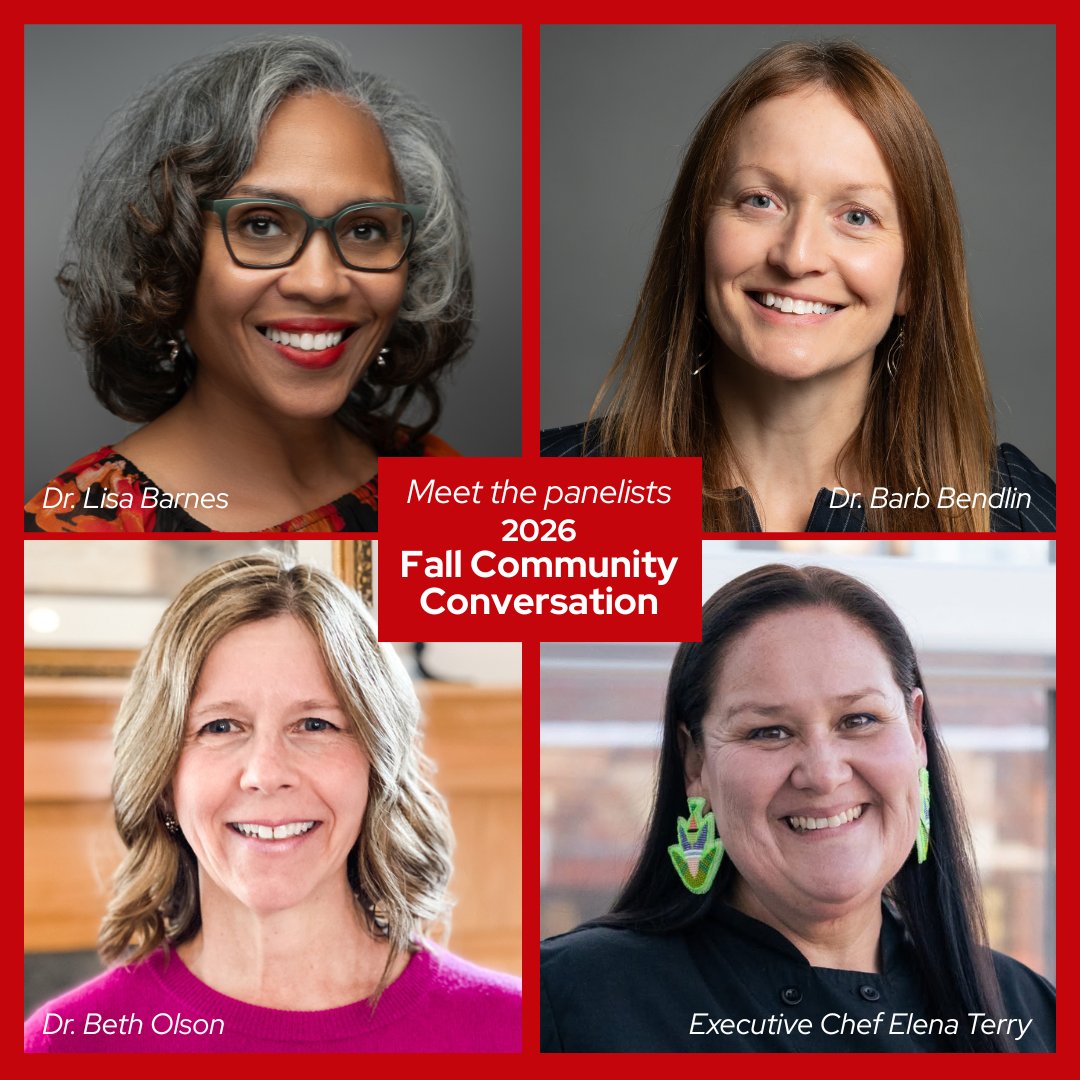
Registration is now open for the 2026 Fall Community Conversation. Join us in person or online to hear from experts who will share the latest science on how your diet supports brain health. Free and open to all. Visit https://t.co/L4wSnDTqgC to learn more and register.
Sterling Johnson, PhD, spoke with @nytimes about new blood biomarker tests used to predict a person’s risk of developing Alzheimer’s disease. Learn more at https://t.co/I7x5s2DOqI.
🎉 The Wisconsin Registry for Alzheimer's Prevention turns 25 this year, making it one of the world’s largest and longest-running studies of Alzheimer’s risk. WRAP co-founder Dr. Mark Sager and study leaders Drs. Sterling Johnson and Jessica Caldwell join #DementiaMatters for a special video episode to discuss how the study has evolved, what the future holds and more. Watch 💻 https://t.co/kCTbh3vWg2
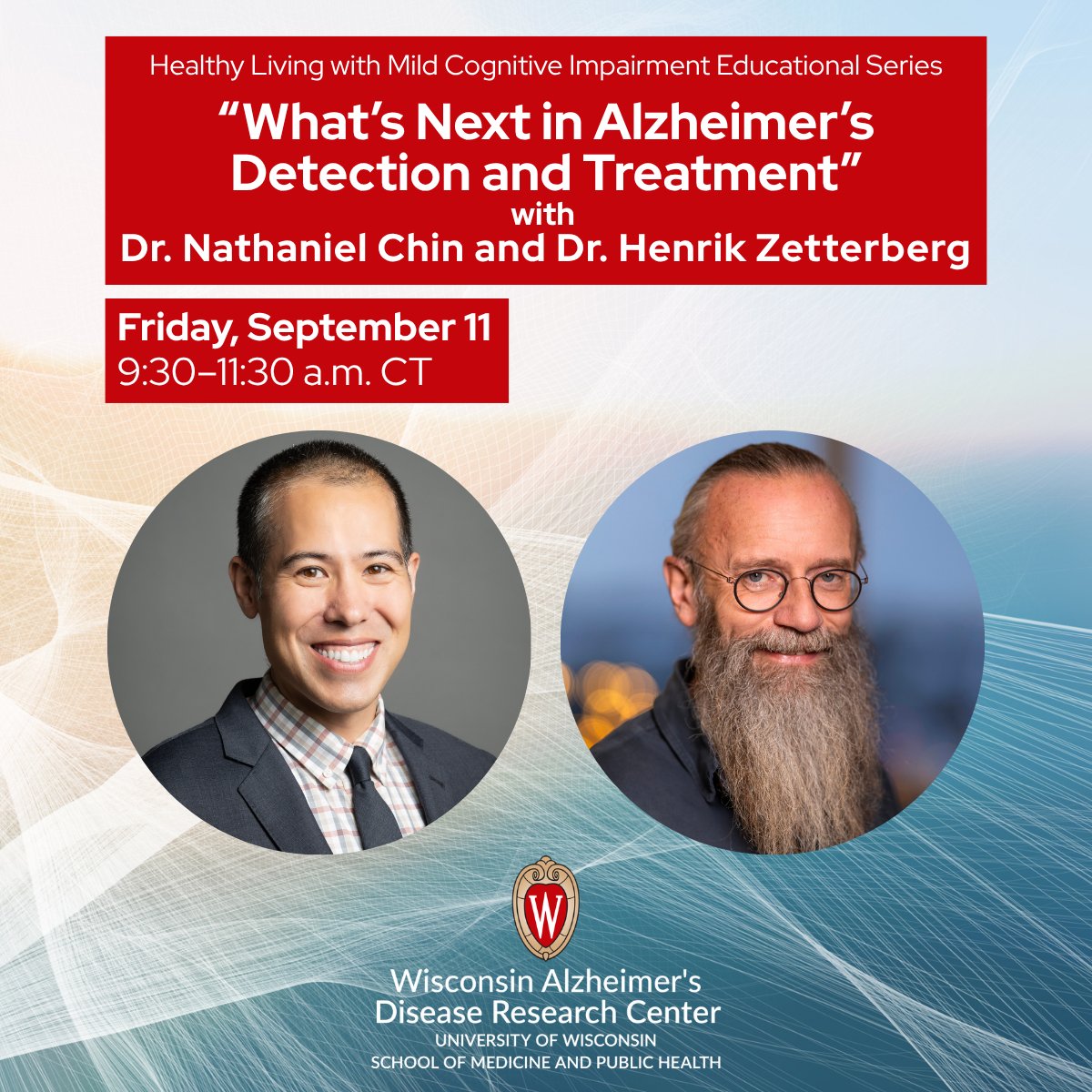
What’s next in Alzheimer’s detection and treatment? @NathanielChinMD welcomes Dr. Henrik Zetterberg to discuss groundbreaking dementia research and what it means for the future of diagnosis and care. Free, open to all. Learn more, register at https://t.co/IzJXVdYy2x.
What you eat shapes how your brain ages. Moderated by Dr. Art Walaszek, join Dr. Lisa Barnes of the Rush Alzheimer's Disease Center and a panel of experts on Sept. 29 for the 2026 Fall Community Conversation. Free, open to all. Online or in person. Register: https://t.co/9aJSsDblKz
Dementia caregiving represents a major public health challenge, with care partners, especially spouses, providing long-term, largely unpaid care. Dr. Donna de Levante Raphael from @alzfdn joins #DementiaMatters to shed light on how spousal caregivers are uniquely impacted by dementia caregiving and more. Listen 🎧 https://t.co/3BHluzSFyn
The July/August 2026 edition of our newsletter is here, and it's packed with details on upcoming events, news and resources you won't want to miss! 👀 Take a few minutes to open, read and stay connected at 🔗 https://t.co/vYaNj3lhJN.
Prescriptions, over-the-counter drugs and supplements are commonly used by older adults, yet many can unexpectedly impact cognition. Dr. Lauren Welch joins #DementiaMatters to discuss how common drugs can affect cognition, the risks of drug-drug interactions and more. Listen 🎧 https://t.co/XleA6a5dTE
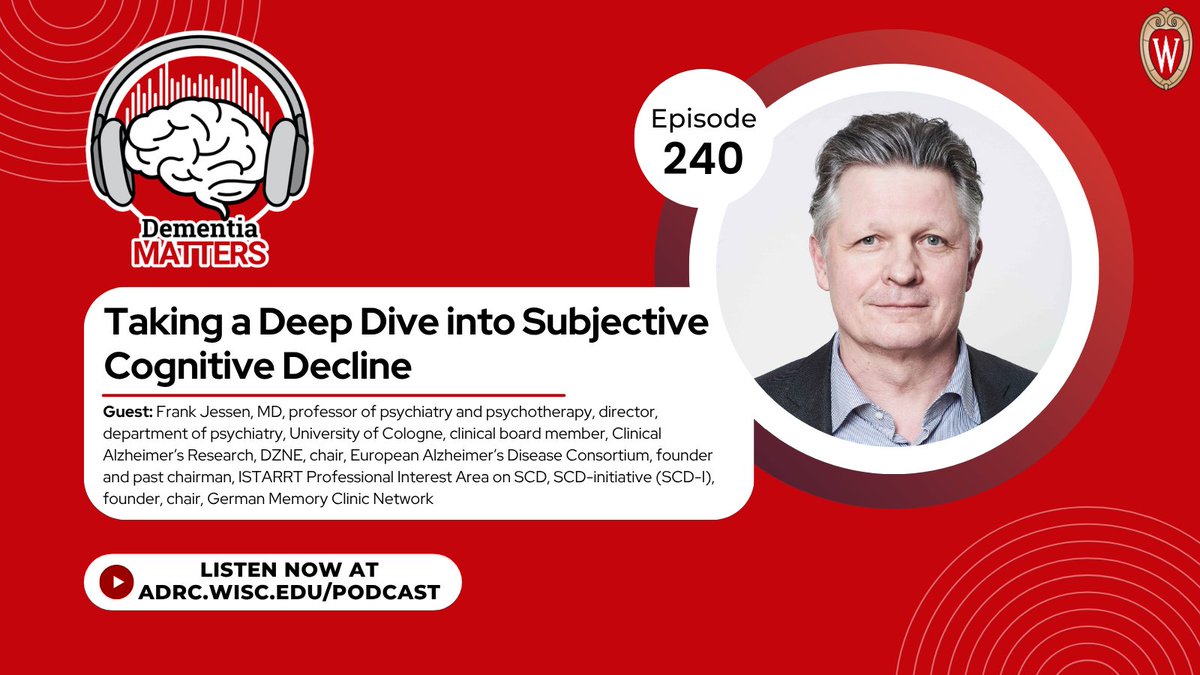
On a special bonus episode of #DementiaMatters, Dr. Frank Jessen returns to dive deeper into subjective cognitive decline (SCD) and share insights on prognosis, risk factors and more. Listen 🎧 https://t.co/uguNwU0pQE