QUB Language Centre, language educator, promoting interculturality thru language education and intercultural training; OU graduate and former Associate Lecturer
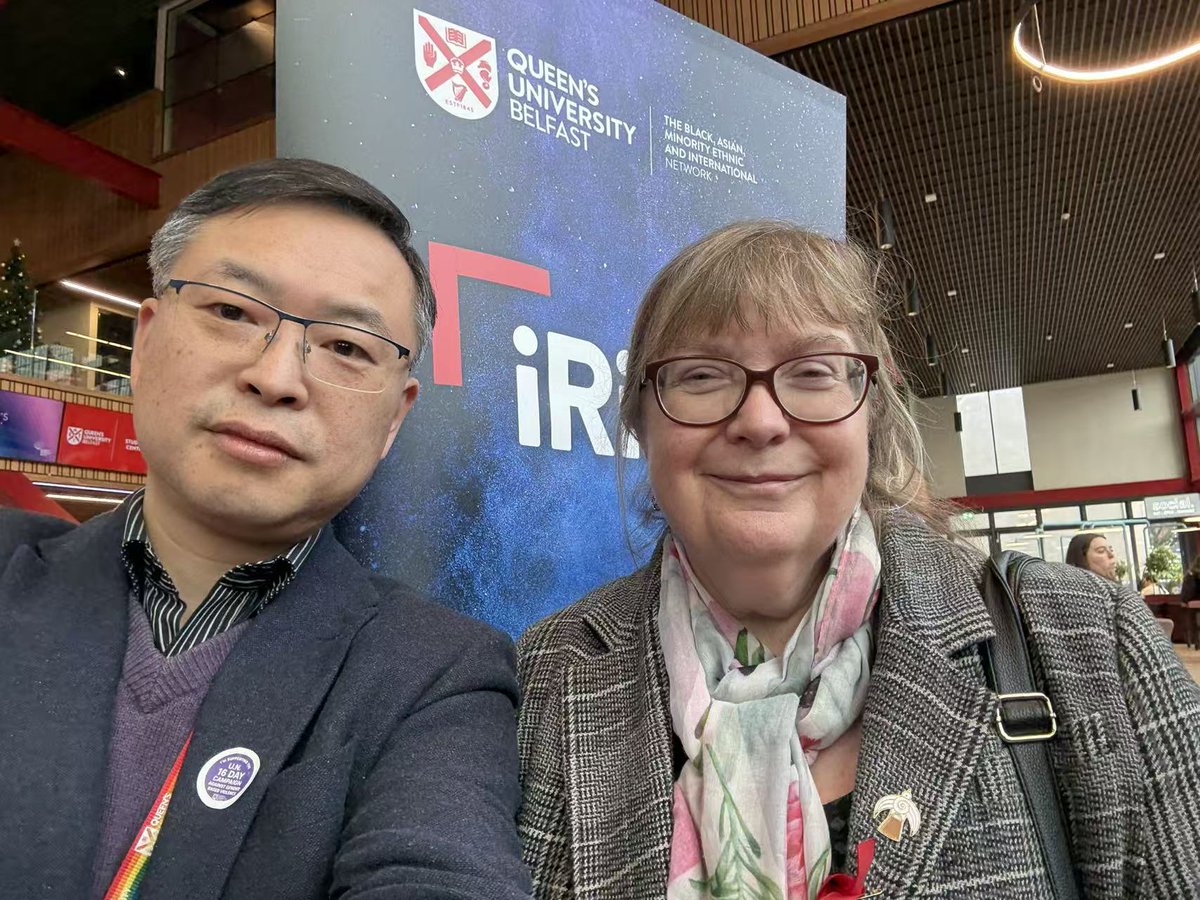
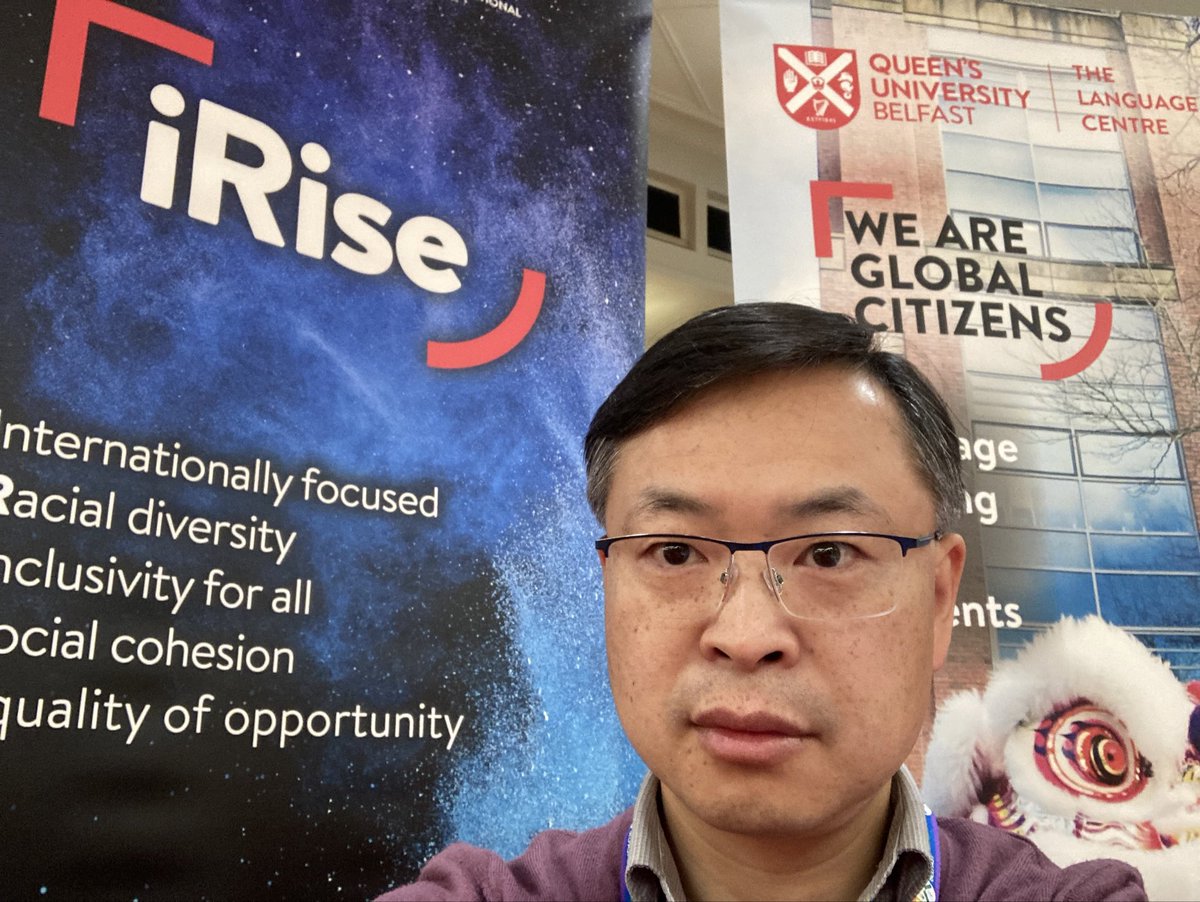
My second service at the University’s #CampusSafety as a @QUBiRise rep (with colleagues) in support of a safe and inclusive campus for @QUBstaff and @QUBStudents, with a good understanding of what we can do to ensure mutual support and inclusive through conversations.
iRise attended QUB Campus Safety event (Thu 29 Jan 2026), supporting a safe, inclusive campus for all. Many thanks for stopping by!
BAME and international colleagues: you’re warmly invited to join iRise for mutual support and inclusive representation: https://t.co/sdfKwG5APO
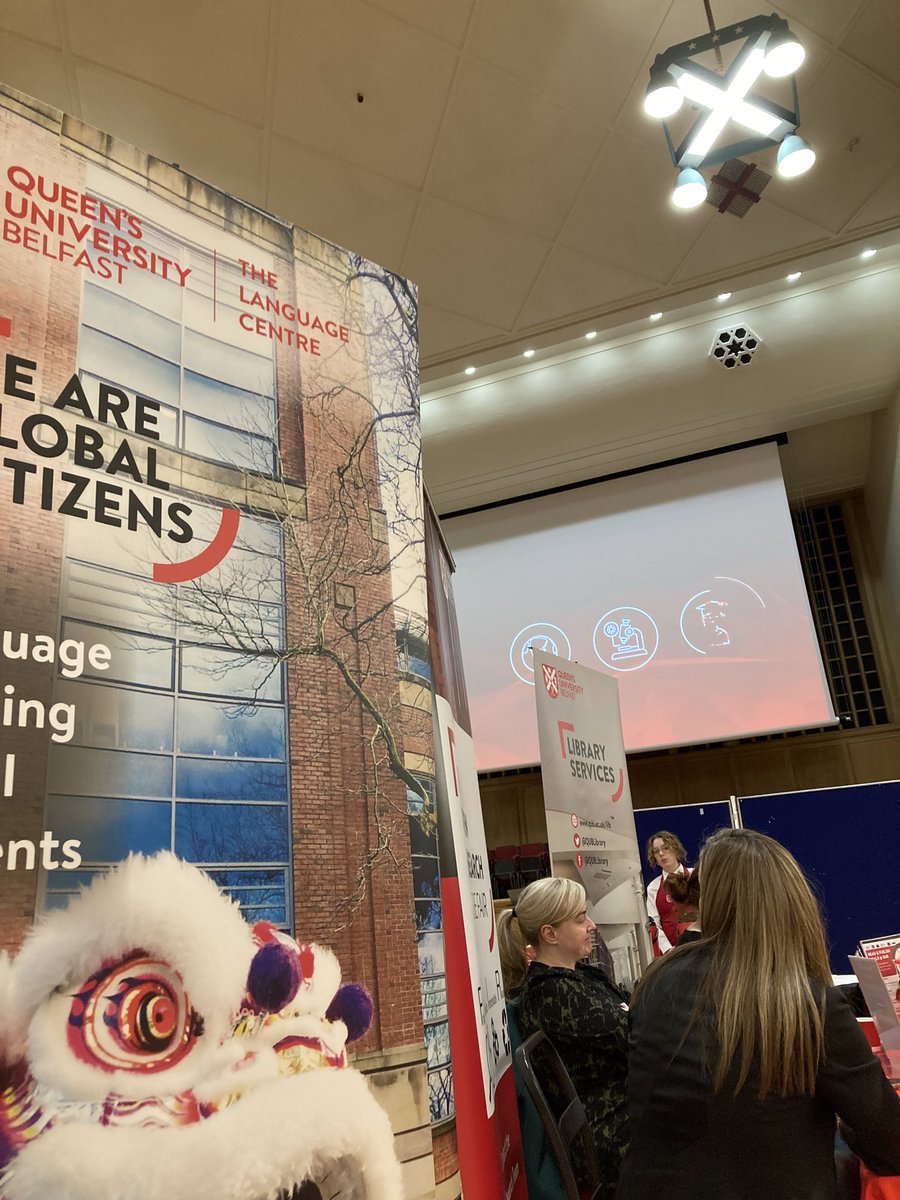
The sunshine returns to welcome the #GoGlobal Showcase at the Foyer One Elmwood today! Come to the Language Centre table and tell us what languages you are looking for. Our third semester enrolment starts from 03/03. https://t.co/9hwbmNnh2I
Welcome to the 3rd #EAFF Info Session and Screening: Embodied Practice – Martial Arts, Psychology, and Cross-Cultural Experience @QUBelfast on Mon 26/01. For more information and registration scan the QR code or visit https://t.co/Ez83T4EgJH
#EutopiaArthouseFilmFestival
Semester 2 starts with the Refreshers’ Fair at One Elmwood today 11-3pm. All students are welcome to say hello to us in your own languages and share with us your new year resolution of learning a new language. https://t.co/9hwbmNnOSg
If your resolution for 2026 is to turn your passion into impact, then we can help... 👀
Queen's and the Department for Economy are offering over 150 fully-funded PhD opportunities. You'll get access to world-leading facilities, supervisors and networks, with 100% of your tuition covered.
Click here to review the PhDs and apply: https://t.co/IdSkUbg9UC
#LoveQUB #PhDOpportunities #PhDResearch #QueensUniversityBelfast #Postgraduate #Postgrad #Belfast #StudyUK
Happy #WorldArabicLanguageDay!
We wish our Arabic-speaking communities at QUB and elsewhere enjoys this special day. To take an Arabic language course, please visit https://t.co/9hwbmNnOSg or scan the QR code.
https://t.co/u5IeYOGFjr
#lovequblanguages#globalcitizens#LoveQUB
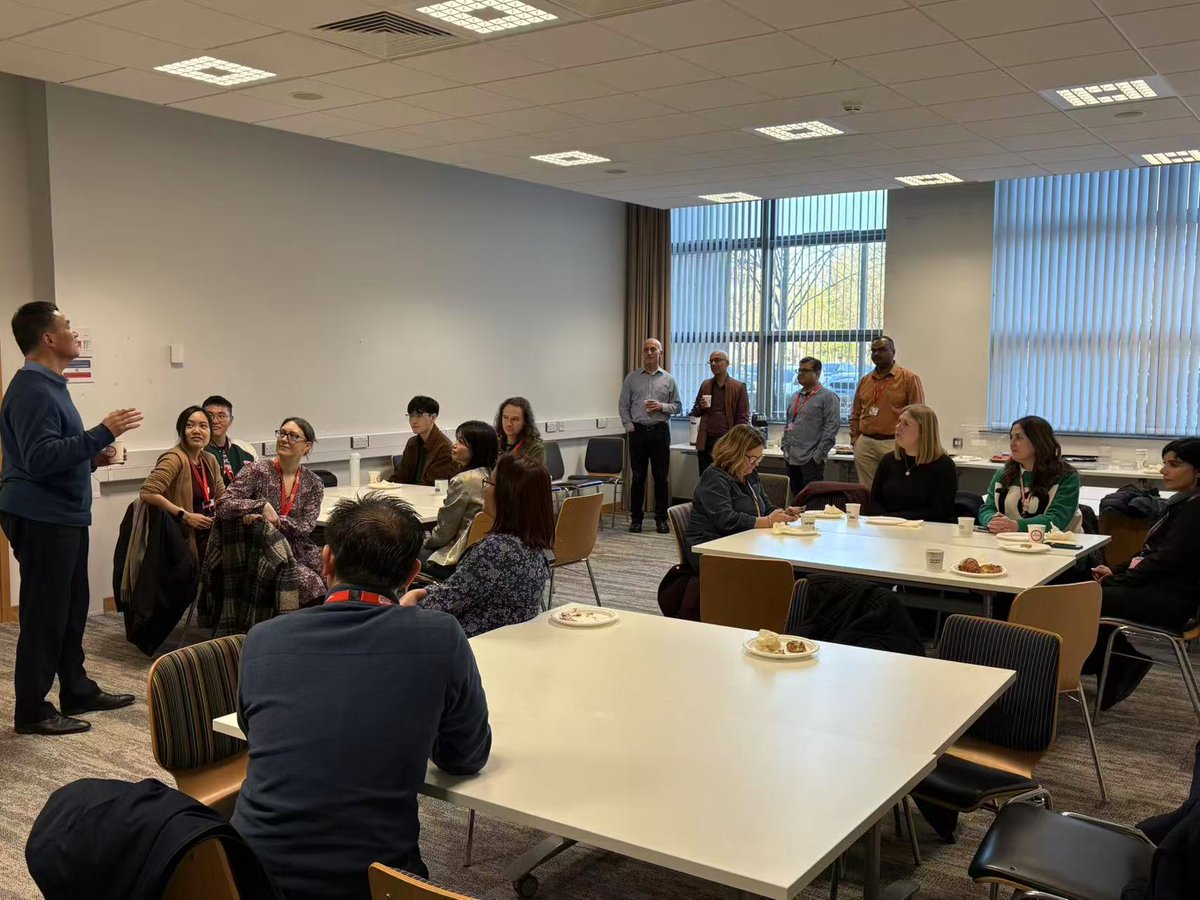
Thanks to everyone who joined our iRISE Winter Social Breakfast at the McClay Library this morning. Great conversations, coffee, and a chance to connect beyond the busy semester — and to share visions for a more inclusive community. Wishing you a peaceful Christmas & New Year🎄☕️
Our @QUBelfast Staff Wellbeing Choir brought some festive cheer today, delighting staff and students with some beautiful seasonal tunes! 🎶✨ What a lovely midweek treat to brighten everyone’s day!
#LoveQUBstaff
Happy to support the #campussafety event yesterday with colleagues on behalf of @QUBiRise in #OneElmwood foyer, meeting colleagues and students for an enhanced awareness on the safety issues, especially during the winter break and festival period.
#LoveQUB#CampusSafety#iRise
Great to be at QUB’s Campus Safety Event (One Elmwood, Mon 1 Dec), chatting with staff and students about safety, inclusion, and zero tolerance for racism & discrimination. Thanks to everyone who stopped by — great conversations and feedback. 💬🧡 #QUB#CampusSafety#iRise
Join us for the launch of Our Living Observatory of Shared Languages and Identities on the Island of Ireland #NSRP All welcome. Register below:
Date: Thursday, 4 December 2025
🕓 Time: 4:00 PM (Irish Standard Time)
💻 Location: Online via Microsoft Teams https://t.co/7dWDlzhby5
EVERYTHING JAPANESE IS REALLY CHINESE.
Seriously?
Well, yes. I mean, this title is clearly a generalization, so what it means is that the main cultural items that are widely assumed across the world to be Japanese actually come from China.
.
1. Ramen
Raman is a Chinese noodle dish, not Japanese. It was brought to Japan by Chinese travellers in the late 1800s. The original Japanese name for it was “shina soba” meaning Chinese noodles.
.
2. Japanese writing
The Japanese writing system known as Kanji has a name formed of two elements. Kanji literally means Han Writing. Han is the biggest ethnic group in China.
.
3. The Kimono
This was an adaptation of the type of draped silk clothing from China known as Hanfu. After the start of the Heian period in Japan in 794 AD, it became popular in Japan and started to acquire unique Japanese elements.
.
4. Blossom trees
Japan’s famous cherry blossoms actually come a tree indigenous not to Japan, but to the Himalayas, which border southwest China—in fact a long way from Japan. The practice of celebrating the annual blossoming of beautiful trees such as the cherry blossom and the plum blossom spread from southwest China to Korea and Japan, taking several centuries to make that journey.
.
5. Sushi
Sushi is fish with vinegared rice. It is vinegared to give it a pickled taste which is a clue towards its origins: a Chinese pickled dish in which salted fish was wrapped in fermented rice. Even today in Japan, a sushi kitchen is called a tsuke-ba, which means ‘pickling place’.
.
6. The Japanese language
Japan has its own language, sure – but statisticians say that at least 60 per cent of Japanese vocabulary comes from Chinese origins.
.
7. Being ruled by an Emperor
In the early 7th century, the Japanese adopted the title of Emperor from China for their own leaders. They used the same Chinese characters, and the same concept that the leader, by definition, was the Son of Heaven. This new rank was then retroactively applied to all past Japanese rulers, who all become emperors and sons of heaven.
.
8. Bonsai.
The practice of growing miniature trees and creating tiny landscapes developed in China, more than 1,500 years ago. It was known as penjing. The technique was introduced to Japan in the 7th century.
.
9. Sashimi
It was the Chinese rather than the Japanese who realized more than 1800 years ago that the flesh of certain fish was delicious eaten raw – no cooking necessary. Food historian Jacqueline Newman says that raw fish consumption began in southern China before 200 AD. It came to Japan about 11 hundred years later.
.
10. The tea ceremony
The tea ceremony originated in China during the Tang Dynasty, which is 600 to 900 AD, as a meditative health practice, before evolving into artistic ritual by the time of the Song Dynasty, which started in 960 AD. It was then taken to Japan by monks, like many Chinese cultural practices.
.
11. The board game called GO
In western culture, Go is a game associated with Japan. In reality, it is the world’s oldest known board game, originating in China about 4,000 years ago, according to Encyclopedia Britannica. The game was taken from China to Japan in 500 AD, which is “comparatively recently” in Chinese terms.
.
12. Green tea
Green tea, or matcha, comes from China and has been consumed for probably 4,000 years. It was brought to Japan by monks during the 8th and 9th centuries—very recently by Chinese standards! Two holy men, Saichō and Kukai, are credited with bringing it over the waters to Japan.
.
13. Architecture
The Japanese admired China’s extraordinarily long-lasting structures made of interlocking wooden elements and there was a lot of temple-building based on Chinese innovations in sixth century Japan. The Japanese capital, Nara, copied the checkerboard street layout of the Chinese capital, Chang’an. But, it must be said, the Japanese afterwards developed many of their own unique architectural elements.
.
14. The Asian super-sword
It was actually Tang dynasty scientists in China who revolutionized sword-making in the 7th century with a blade called the baogangfa – they fused high carbon steel (which enable sharpness) with low-carbon iron (which provided strength). The result was a blade that could slice through samurai armor. Japanese envoys brought Chinese swords back to Japan in the 700s. To give them due credit, the Japanese improved both the recipe and the design, to eventually come up with the curved katana sword.
.
15. Cultural figures
One of the most famous pop culture items from Japan is Dragonball. The creator of Dragonball fully admitted that his story was simply a retelling of the Chinese classic Journey to the West. Pokemon, another Japanese modern classic, has many ancient Chinese elements, too – research the nine-tailed fox for example.
.
16. Zen
An Indian monk named Bodhidharma came to China around 520 AD. His teachings became combined with Chinese philosophies such as Daoism. That led to the development of a practice called Chan, which is how the word Zen was originally pronounced. Records indicate that Chinese Chan Buddhism reached Japan in the 7th century but was not firmly established in that country until the 12th century.
.
CONCLUSIONS?
Okay, there are 16 items – things assumed to be Japanese by many people, but which are rooted in Chinese culture. But there are others. So feel free to add more. Or shoot down the ones I have listed, if you prefer.
Why do so many Japanese items come from China? Well, for much of history, China was the cool place, the happening place, the creative place, the dominant cultural center of the most highly populated part of the world. So naturally people wanted to visit it.
One ancient record show that between AD 603 and AD 839, the Japanese alone sent at least 17 diplomatic missions to the Tang Dynasty royal courts in China.
And I am going to add one more item to my list. Do the Japanese people themselves come from China? A short discussion of that somewhat controversial question comes at the end of the video.
Read widely. Peace.
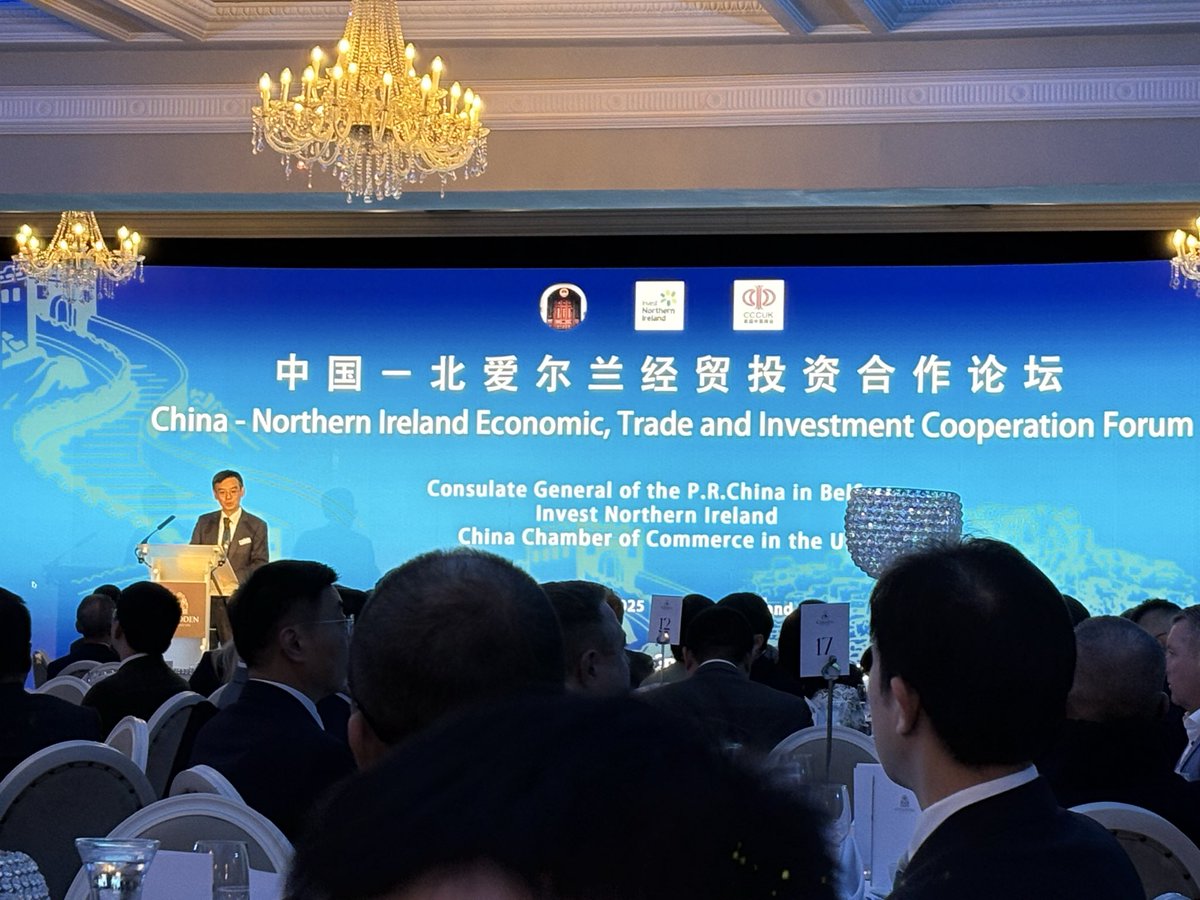
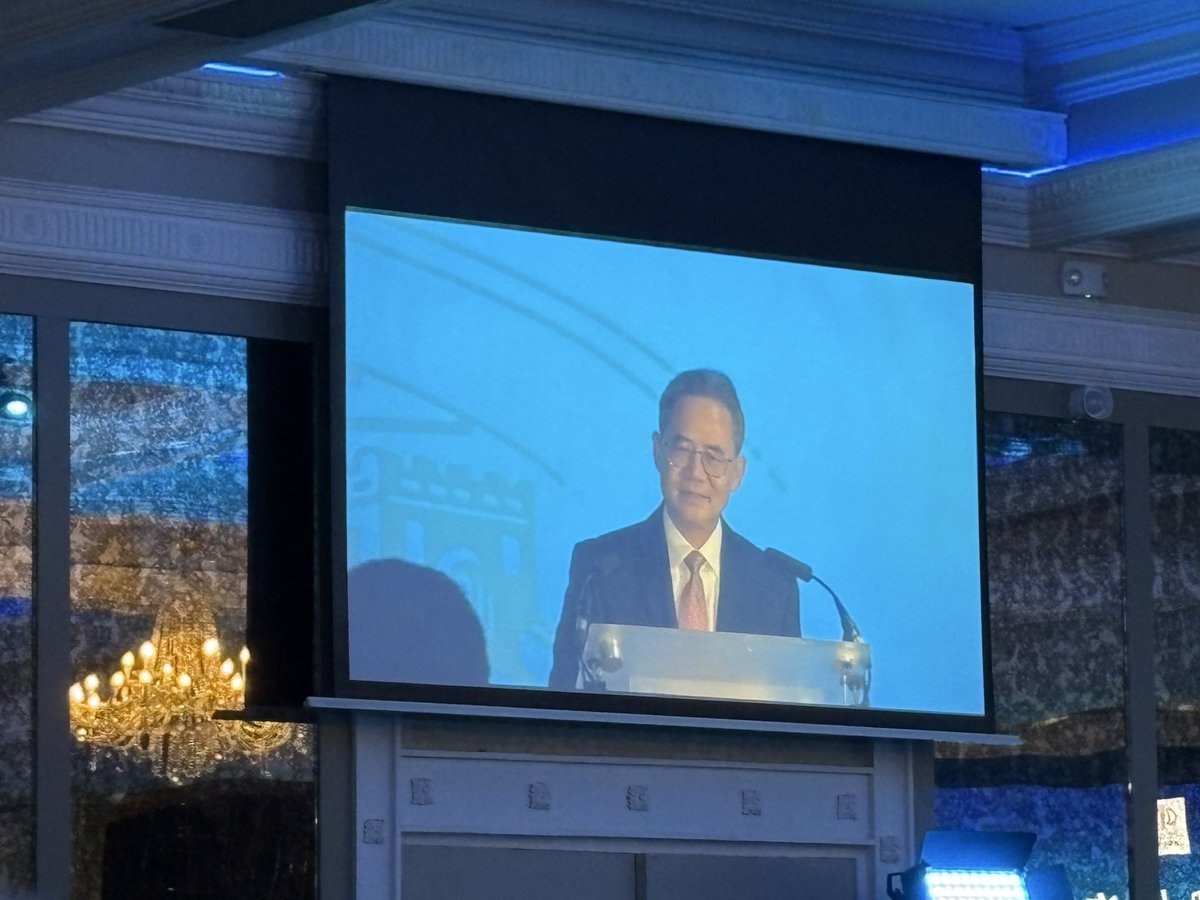
Pleasure to attend the China-Northern Ireland Economic, Trade and Investment Cooperation Forum today in @cullodenestate. Looking forward to seeing more sustainable economic, technological, educational and professional ties established between the two nations. #ChinaNICooperation
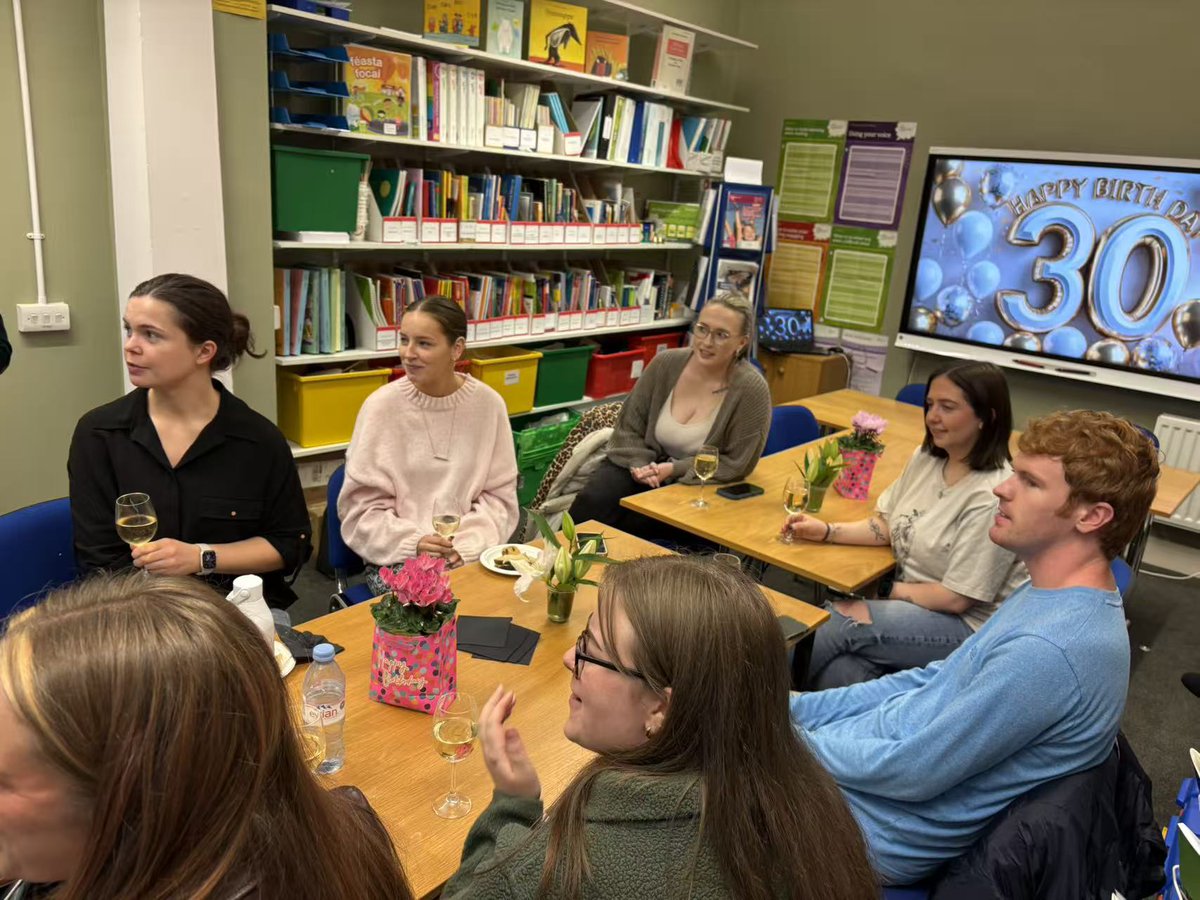
Happy 30th birthday to @NICILT and all contributed and associated! Last Friday saw a great gathering in the NICILT office full of smiling and shining faces. My pleasure to deliver the Birthday wishes from the Language Centre!
Happy 30th birthday to us! NICILT staff past and present celebrate 30 wonderful years of supporting language learning in NI’s schools! Here’s to the next 30 years! 🥂 🥳
Another year of Going Global from @QUBelfast! How well are you prepared? Come to our Language Centre stand at #MandelaHall for enrolment info if you’re keen to learn a language and develop yourself as a #GlobalCitizen. https://t.co/9hwbmNnOSg
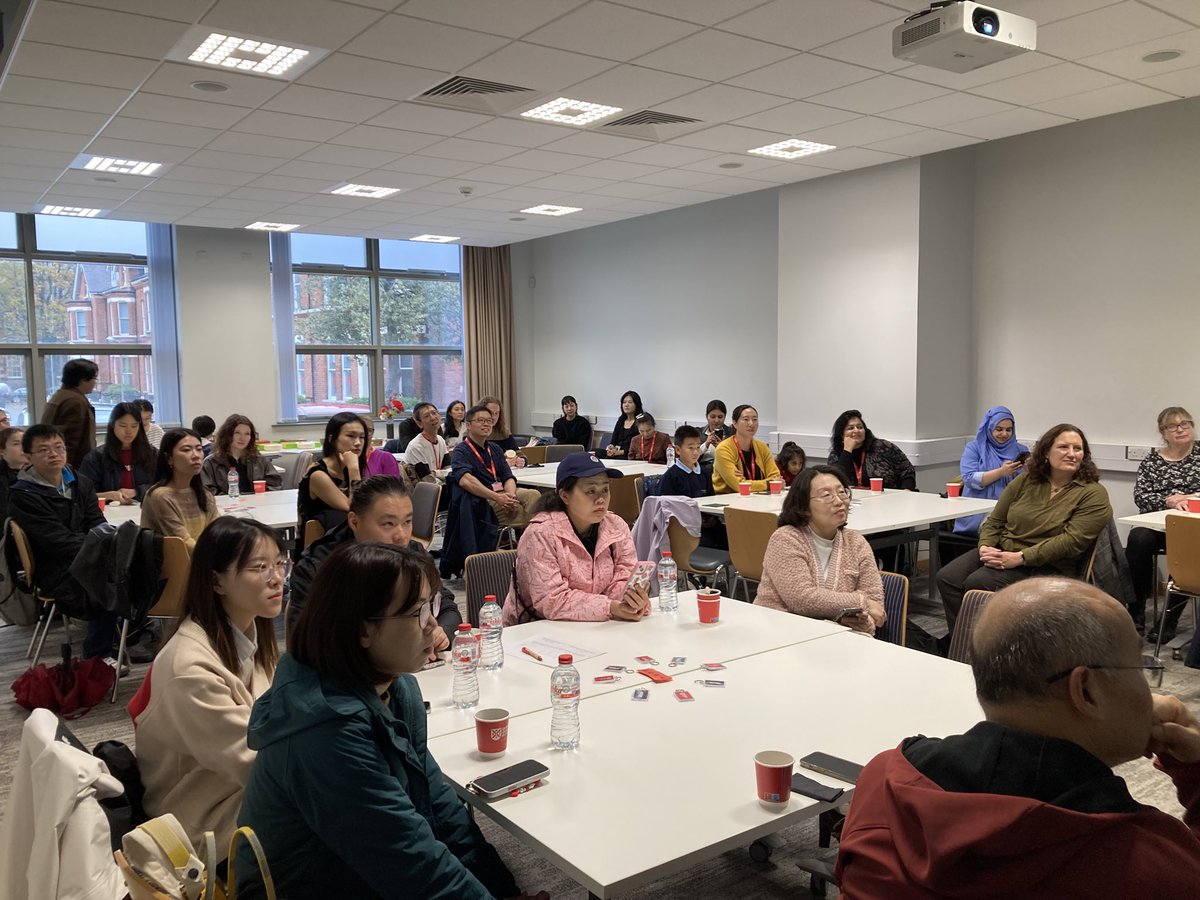
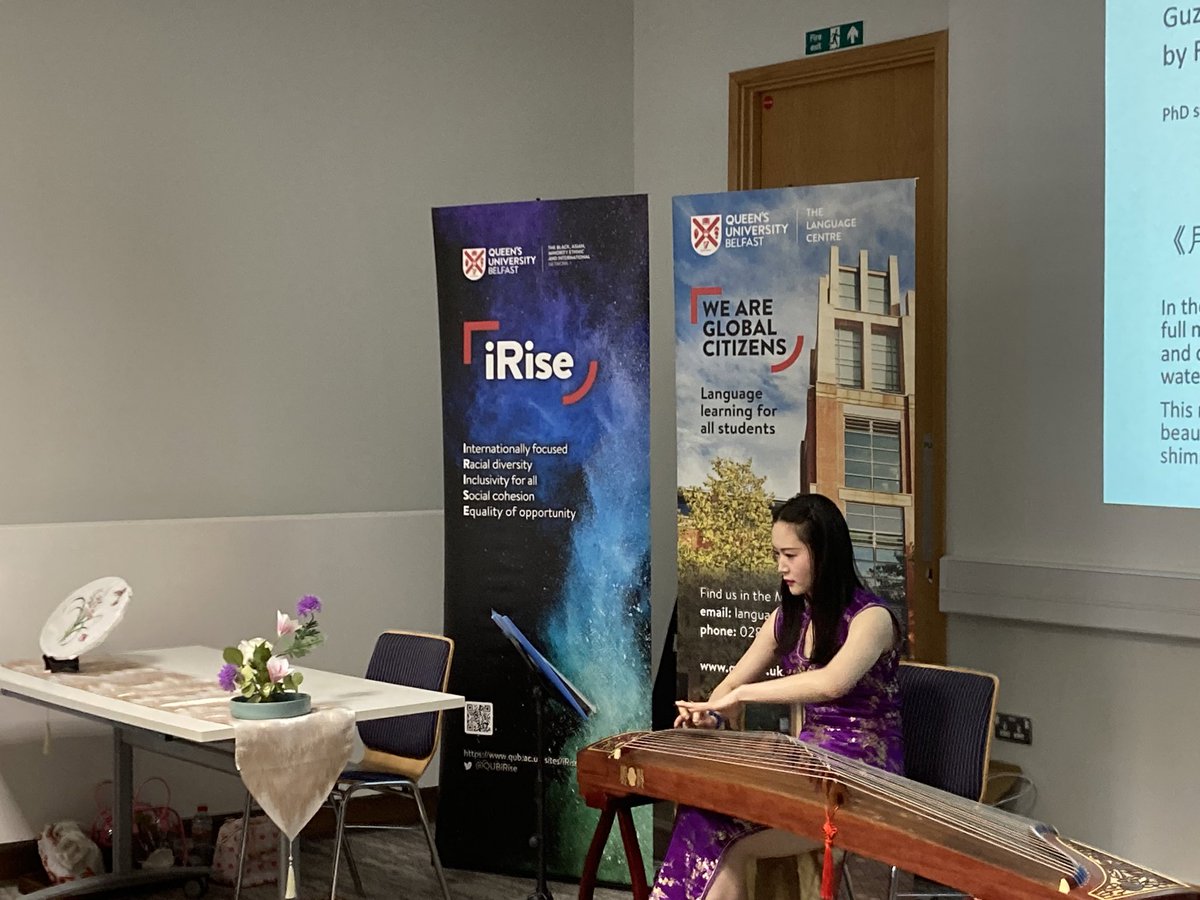
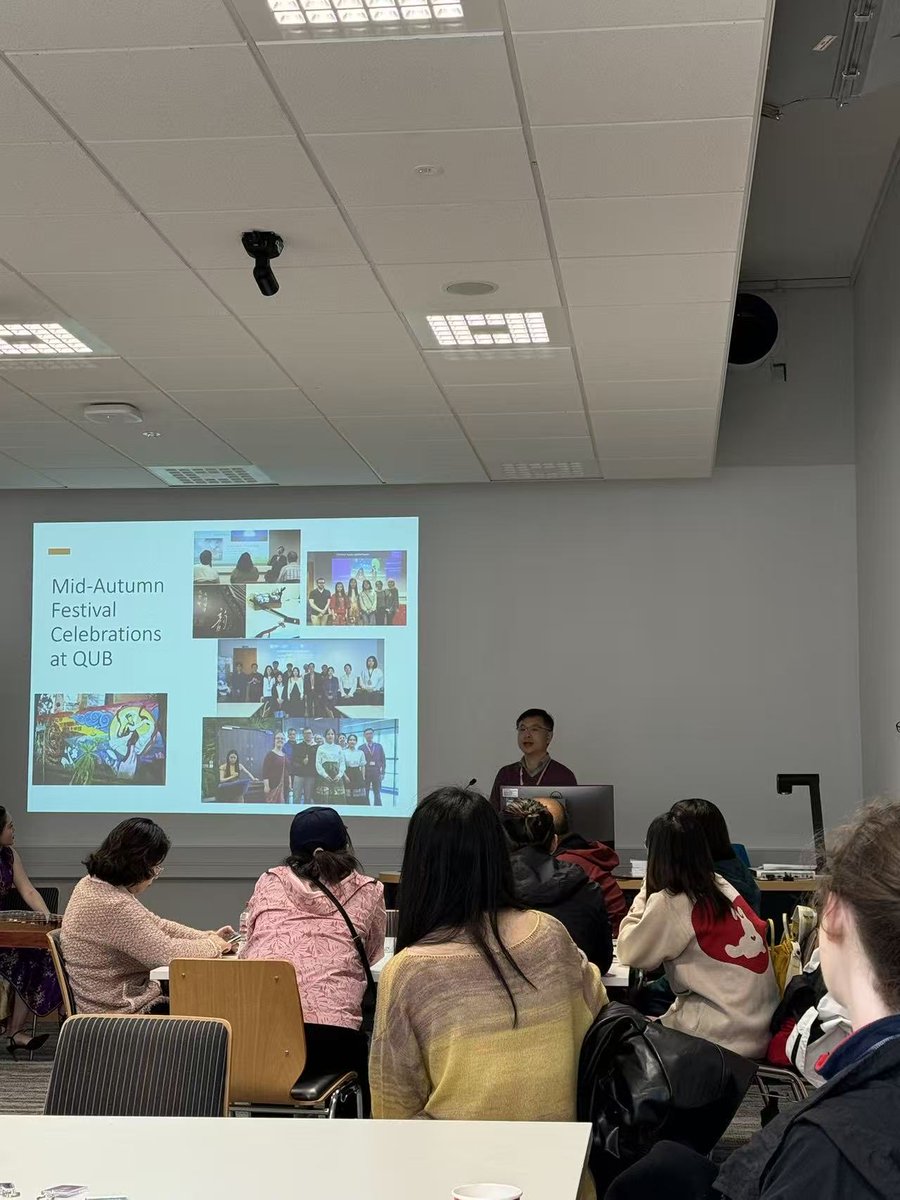
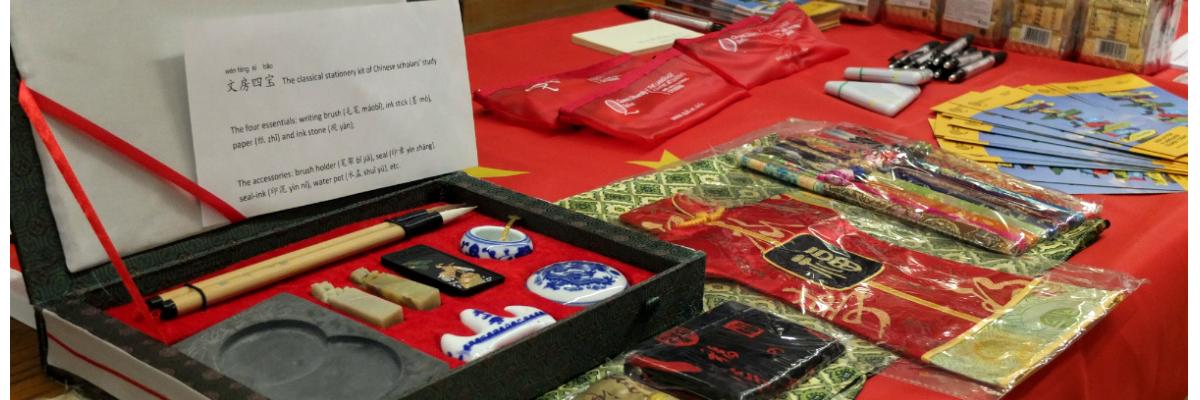
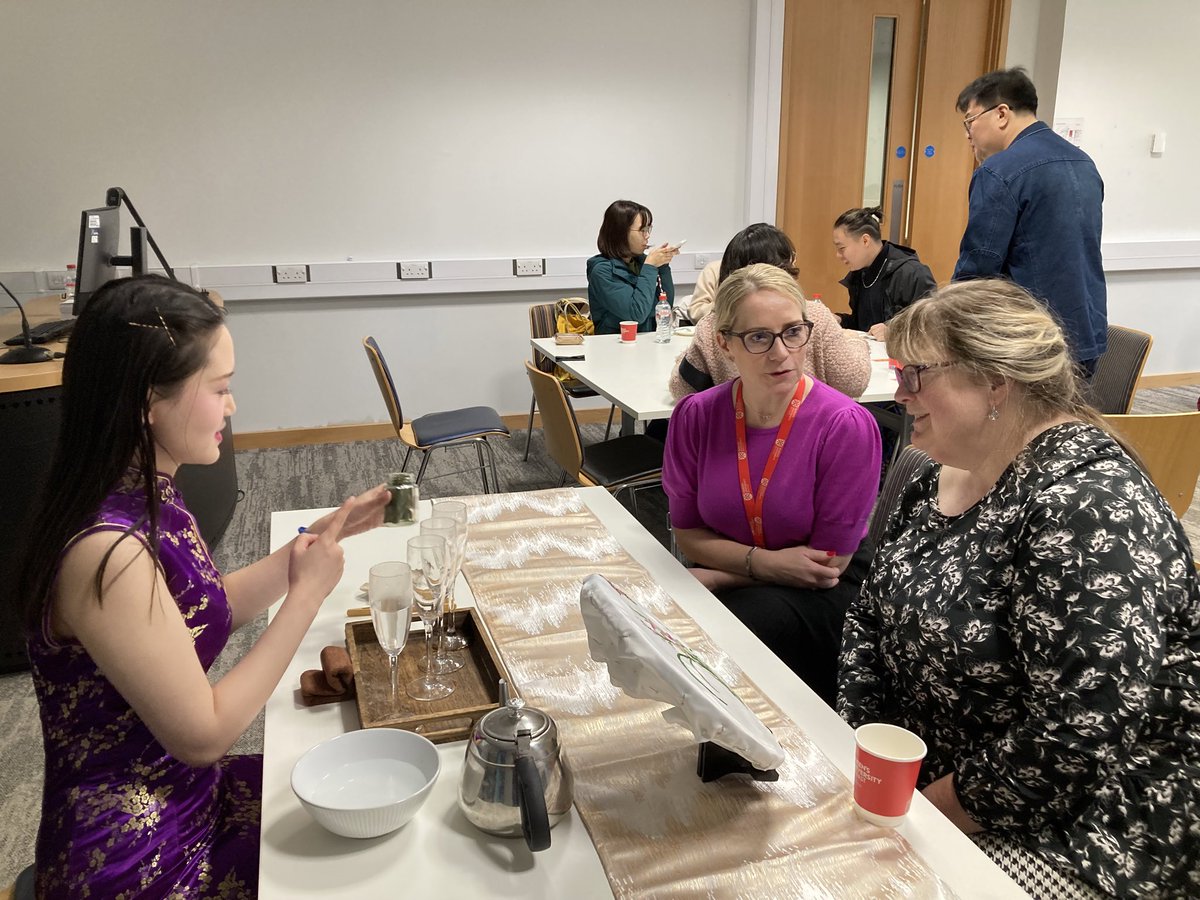
Storm didn’t stop the celebration! 🌧🎑 Over 50 staff, students & partners joined our Mid-Autumn Festival and Welcome Event - with guzheng music, tea, calligraphy & of course… mooncakes! 🥮💫
https://t.co/L5wg3tFDRZ
@QUBelfast#MidAutumnFestival#CulturalDiversity#LoveQUB
Hello October! The first day is fully packed with events with #NewStaffWelcome on behalf of @QUBiRise and Language Centre to start the day, followed by the #GlobalGreetings next door during lunchtime, and teaching to close the day of business. Come join us! #LoveQUB#LoveQUBLang
Another year of #OpenDay to welcome families from the country to visit QUB. We’ve spoken to many families who are looking for language learning opportunities, with the range of resources and the level of support we provide, from evening classes to degree pathway modules.