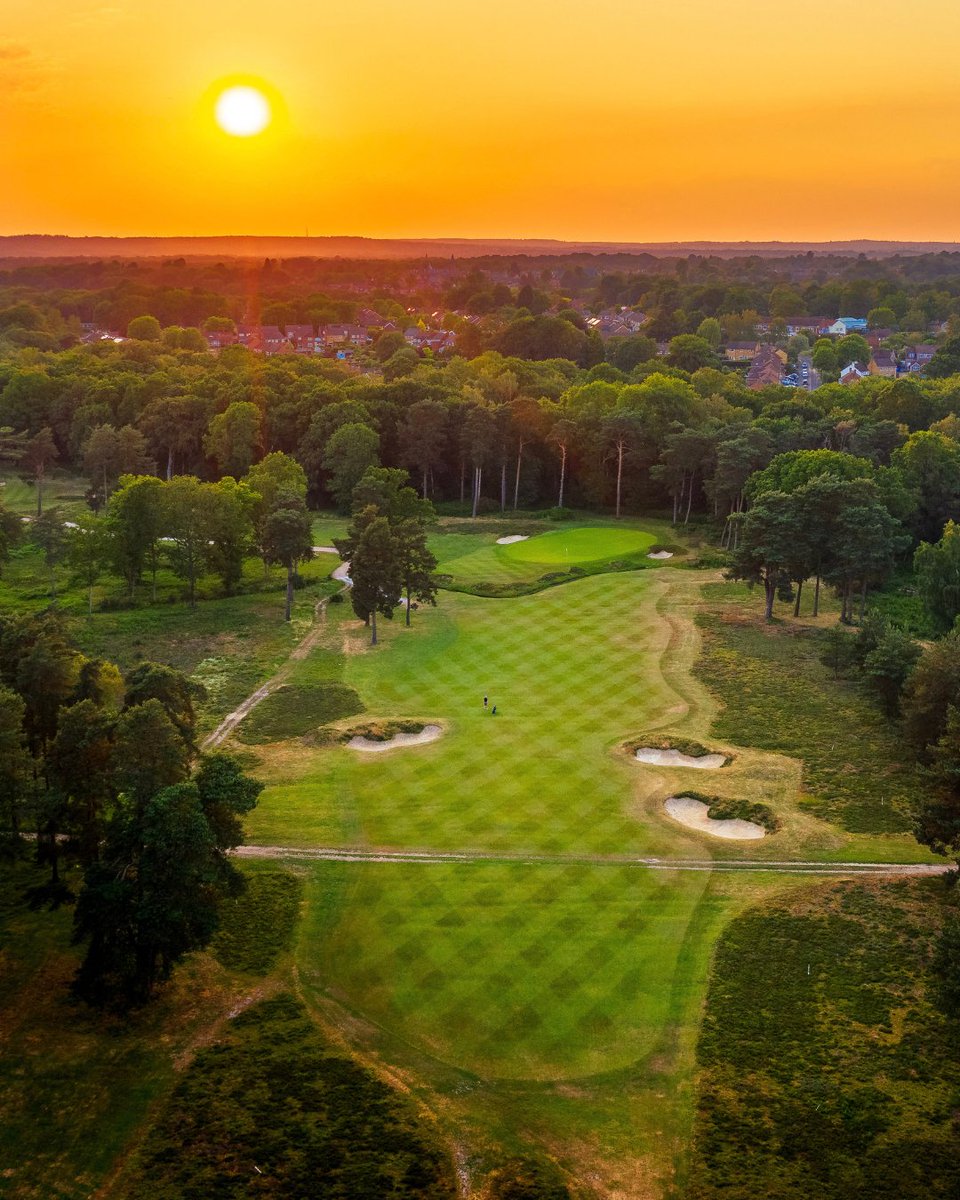
but sometimes you have to play the hand you're dealt. It's been a challenging few months, but we're proud of how the course is the epitome of firm and fast, just as intended.
In years to come, these images will tell the story of a remarkable, record-breaking summer. 2/2
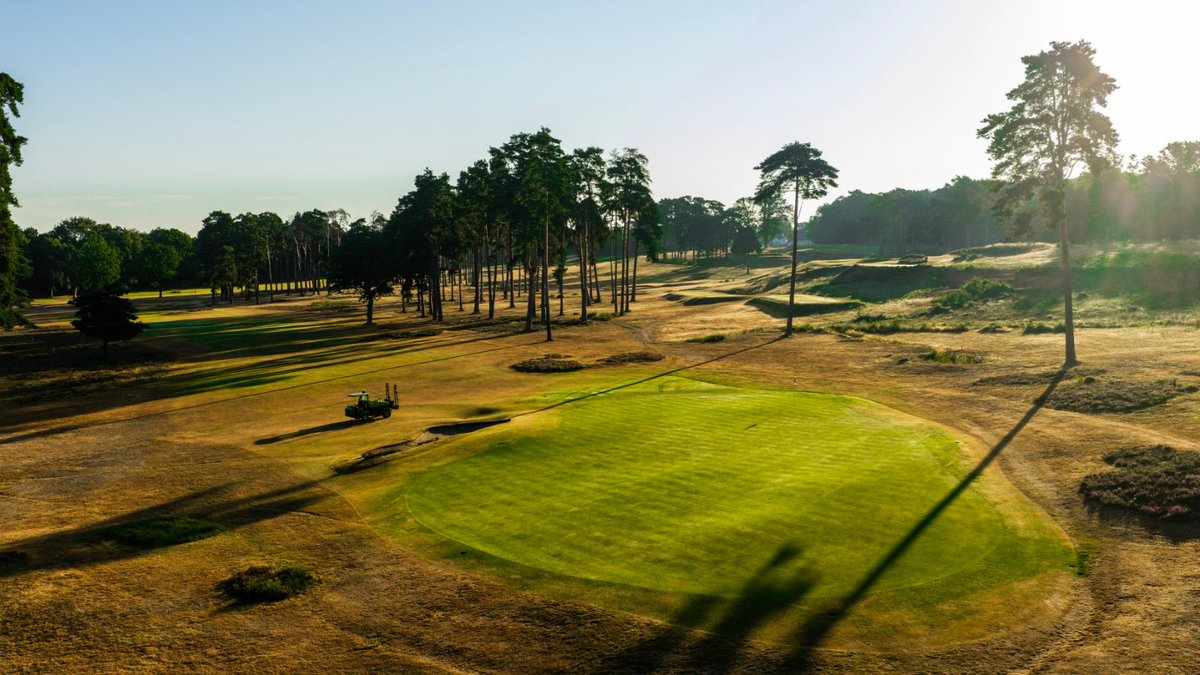
This summer's drought has tested everyone, but it's also allowed our course to shine.
The heather hasn't bloomed how it should, yet the firm, fast conditions have brought each hole's strategy into sharper focus.
David, his team and our members are all hoping for rain... 1/2
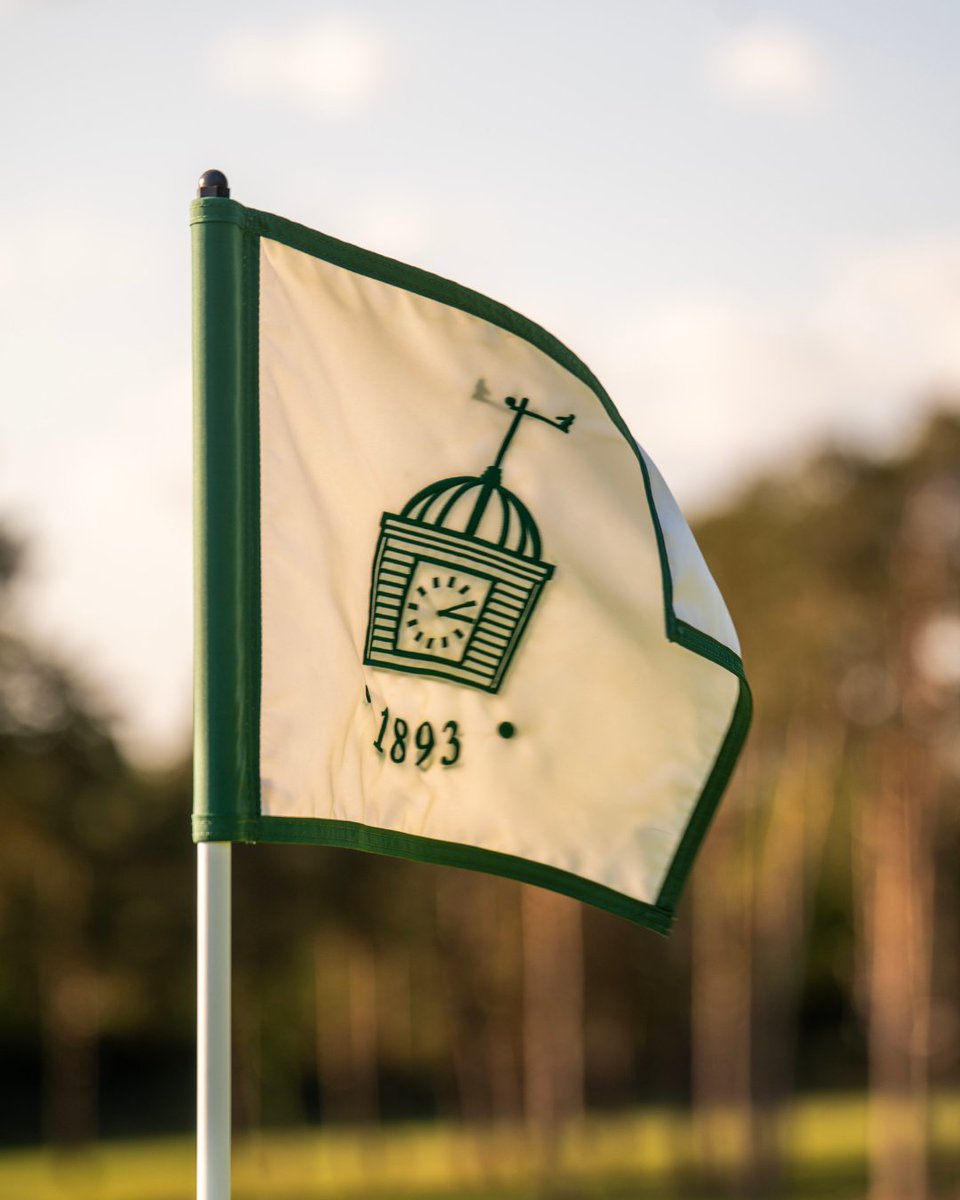
Can you spot the difference between our club logo and the Ladies' Section logo?
Our clocktower has the clock hands set at nine minutes past three, representing 1893. The Ladies' Section, founded two years later, has the hands set at nine minutes past five, representing 1895.
The back right tier on the third is one of the hardest pins to access on the course. The huge tier is the culprit, as is the reverse camber fairway which shapes the ball away from the pin instead of towards it.
The summer heatwave has been relentless, but it's given our course a different August colour to usual - golden brown fairways instead of bright purple heather.
It's a striking aesthetic, and the firm conditions make it an absolute joy to play right now.
The hole that changed golf course architecture forever.
When John Low and Stuart Paton dug a pair of bunkers in the fourth fairway, they moved away from the common 'penal' architecture to a new strategic version that was quickly accepted and has shaped course design ever since.
Our diet of two-ball golf means pace of play is a premium here, and the 17th hole is typically reached in well under 3 hours.
Even on Tuesdays and Friday afternoons when fourballs are welcomed, you'd still reach the 17th in under 4 hours.
Look who's arrived...
Our heather is blooming, and over the coming months the course transforms into something truly special as the fairways become lined with purple hazards.
Few know our course better than David, our Course Manager.
He has been a central figure in the heathland restoration, bunker work, and tree removal that has transformed our course over the past decade.
The ridge behind the 5th green marks the natural divide between our front and back nines, creating a striking backdrop to the hole while also hosting the elevated tees for the 6th.
100 years ago, one of the strongest sides ever assembled travelled from New York to Southampton to play in the 4th Walker Cup. The trip would allow the likes of Jones, Ouimet, and Sweetser to play in the Open Championship and The Amateur; however, as a bit of a warm-up, they arranged to play against The Moles Golfing Society at @WokingGolf.
Last month, the historic fixture was recreated and naturally, we found ourselves there to film it.
Our latest film, '100 Years On: The Greatest Upset in Amateur Golf' is out now on YouTube.
🎬 https://t.co/EZcWvzzfKJ
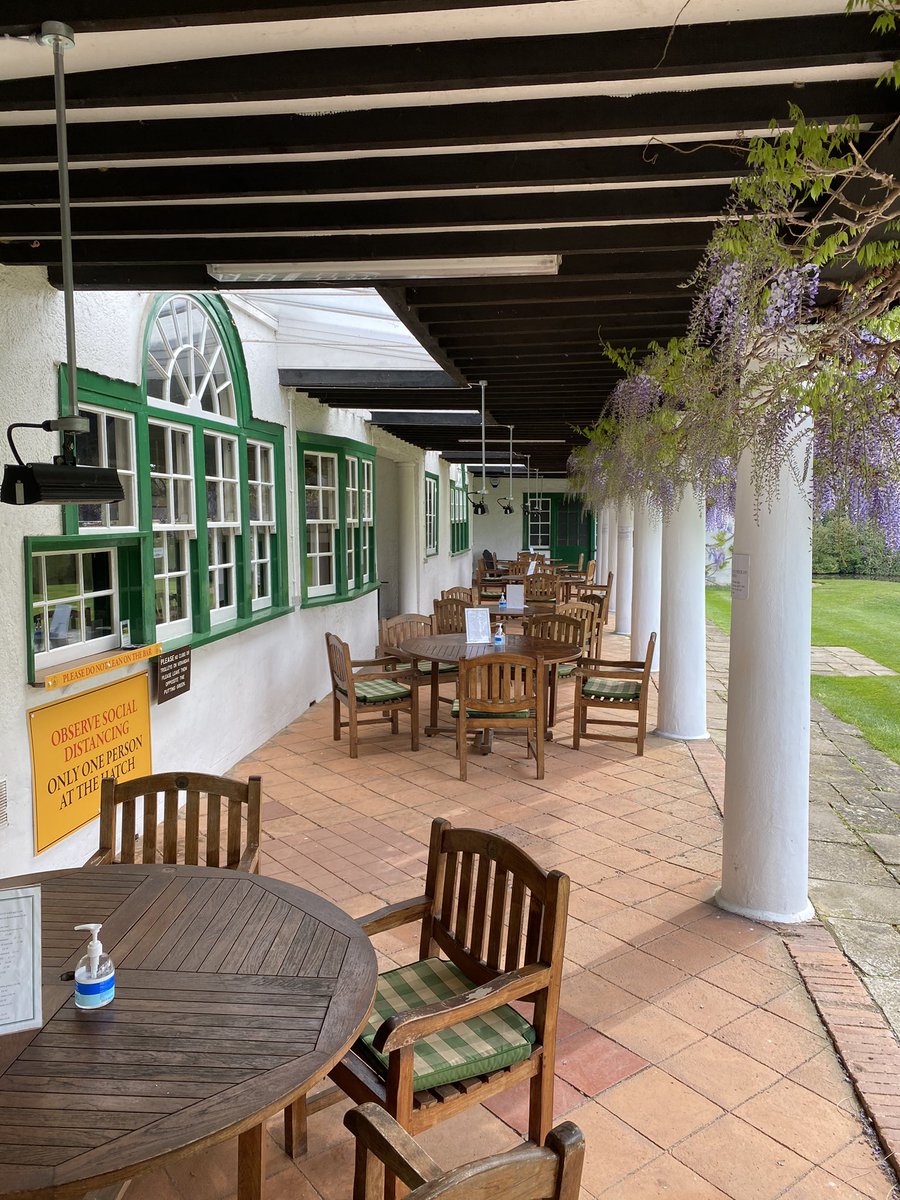
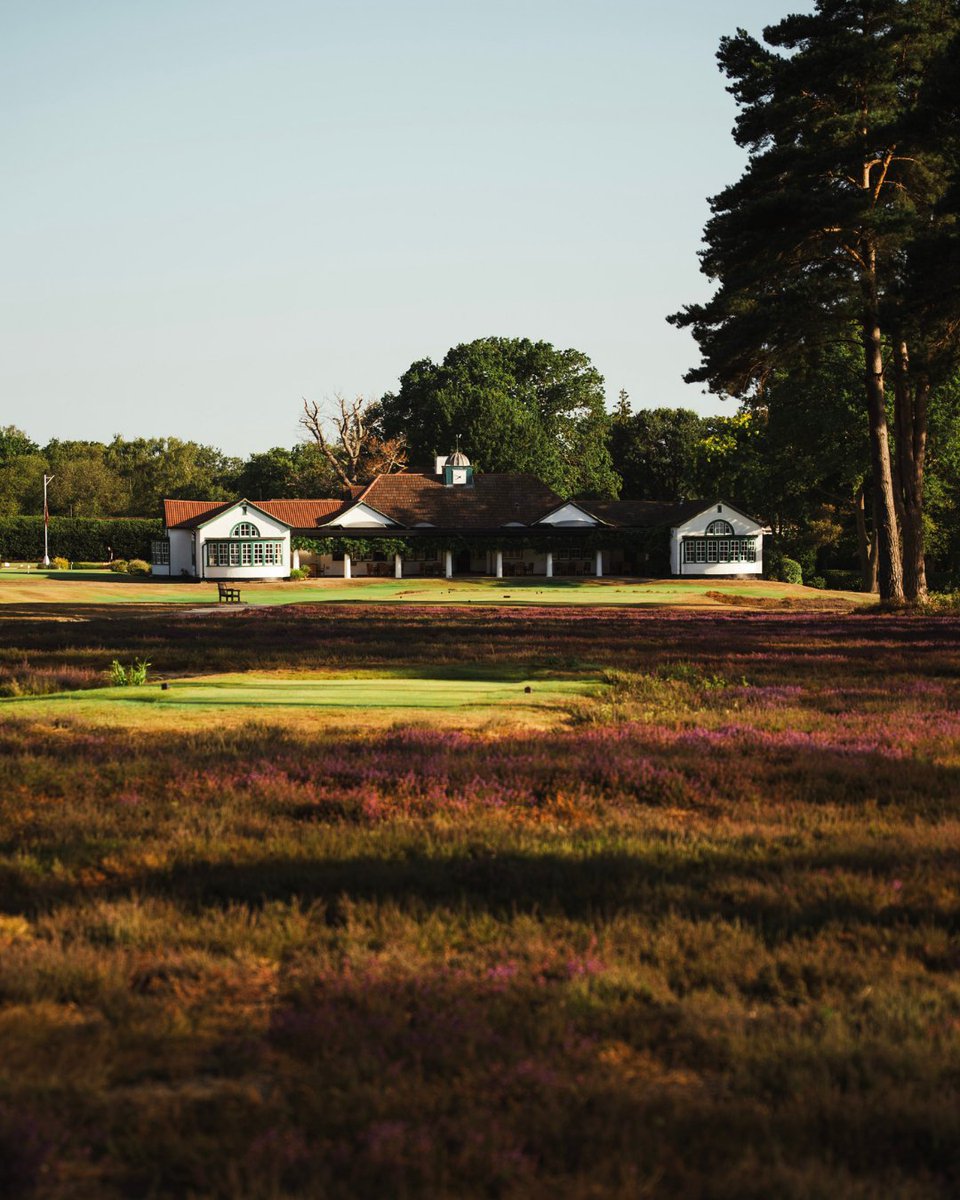
Our pavilion-style clubhouse: the beating heart of our club.
It's hard to believe it was initially erected as a temporary structure but it has certainly stood the test of time.
It's hard to believe the longest day of the year is now behind us.
But with scenes like this at 9pm and two-ball golf the diet of choice here, a post-dinner round is still very much a possibility.
It's hard to do green contours justice through photos, but this image of the 7th does a good job of it.
Our course is home to some of the most interesting green complexes in British golf, with varying levels of severity ensuring each asks the right questions for that hole.
When the USGA President gives such a glowing review, you know you're doing something right.
A pleasure to host Kevin Hammer and his US teammates last month.