The Xerces Blue Butterfly was one of the rarest butterflies in the world.
It was found only on the sandy beaches of San Francisco, in the United States. It was permanently lost in the 1940s due to the destruction of its natural habitat and local institutions.
It reminds us that if we don't protect nature, we will lose many beautiful creatures forever.
One Day. Three Incredible Celestial Events.
August 12, 2026 will witness a Total Solar Eclipse, the peak Perseid Meteor Shower, and a rare six-planet alignment, all in one unforgettable day.
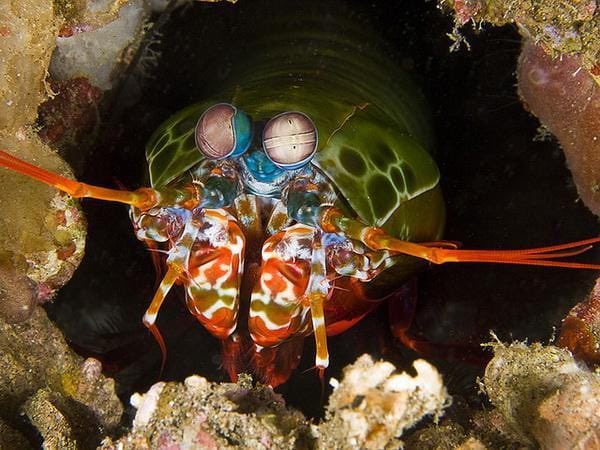
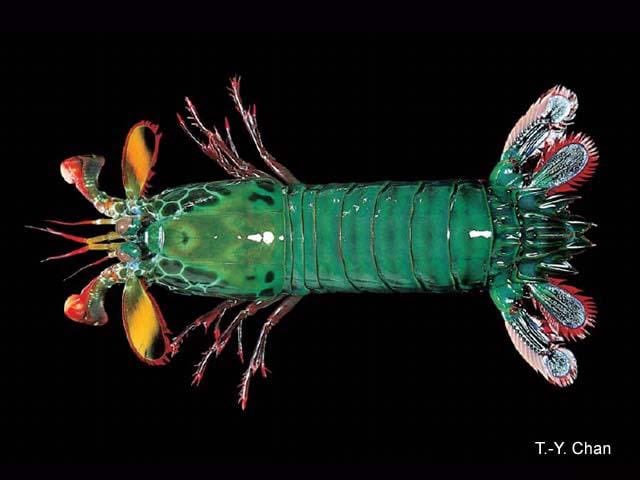
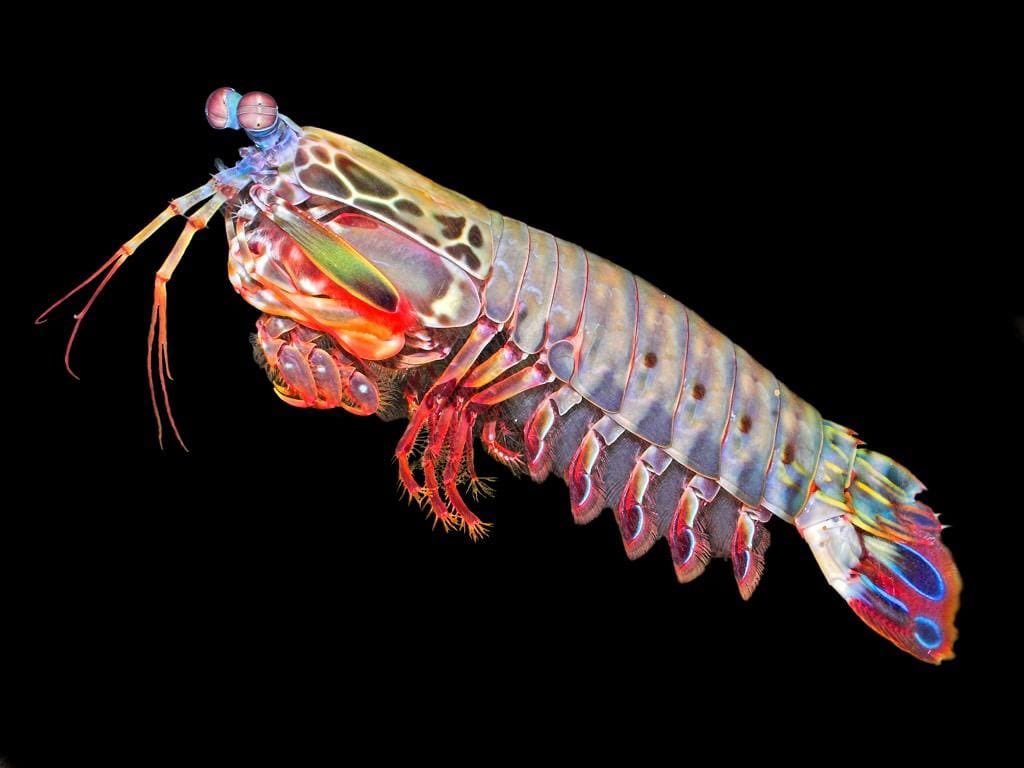
Peacock Mantis Shrimp Colorful yet extremely powerful predator of the sea!
It lives in burrows among coral reefs and rocks in the warm waters of the Indian and Pacific Oceans.
Its most distinctive features are its lightning-fast, powerful strikes and amazing eyes, which can distinguish more colors than humans.
280-million-year-old fossils that look like they belong to another world.
These are the fossils of Jimbacrinus bostocki, an extinct Australian crinoid.
Despite their alien-like appearance, they were ancient marine animals closely related to today's starfish and sea urchins.
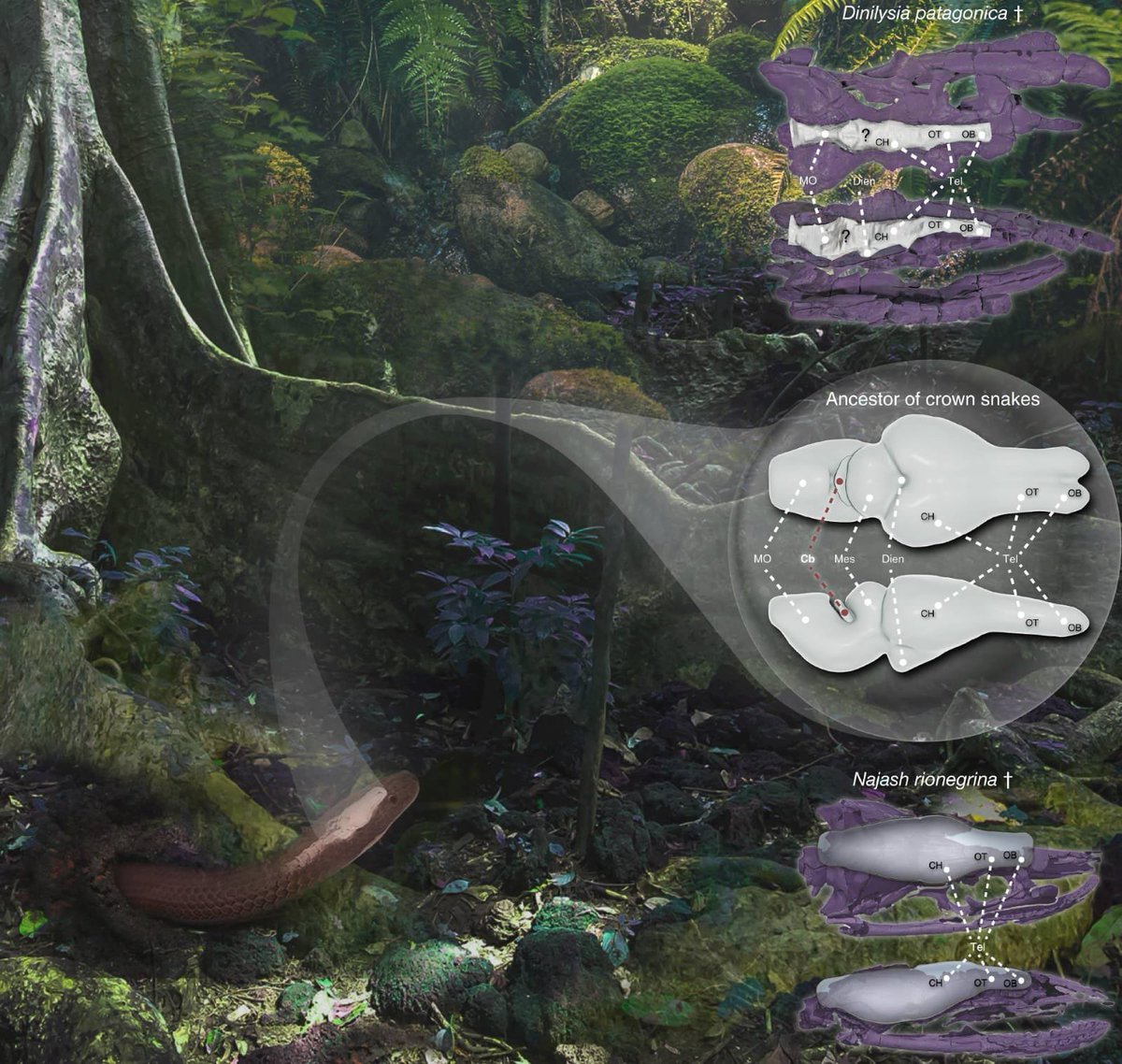
The "brain" of a 100 million-year-old snake has been deciphered!
Scientists have created a 3D digital model of the brain and sensory system of an ancient snake fossil found in Brazil using advanced CT scans.
This discovery could reveal how today's snakes evolved from their early ancestors.
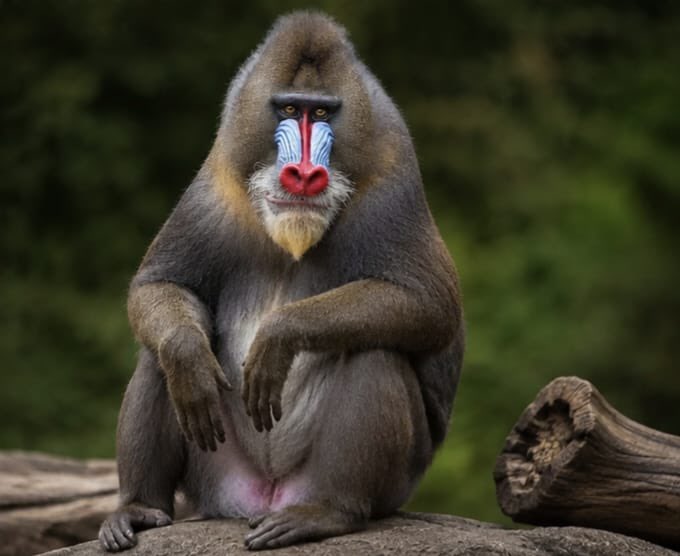
Mandrill is one of the most colorful monkeys in the world.
The mandrill is found in the dense forests of Central Africa. Its diet consists of fruits, leaves, insects, and small creatures.
It lives in large groups on the forest floor and is famous for its bright red-blue face and large teeth.
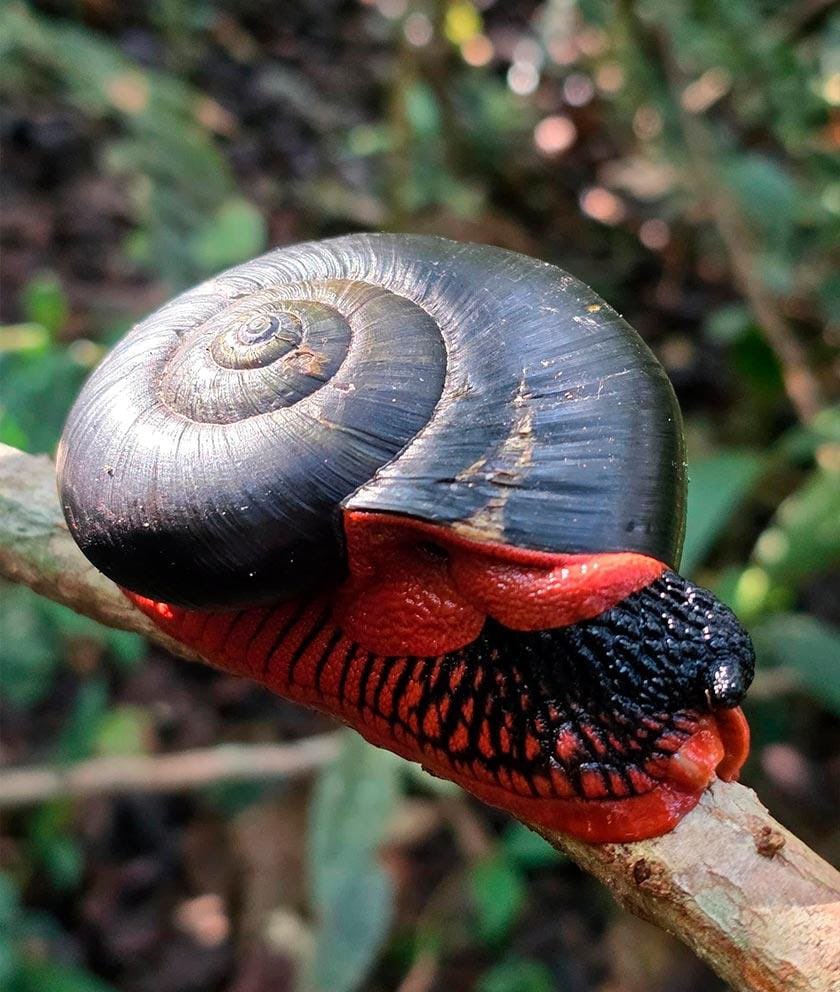
This unique terrestrial snail, with its red body and shiny black shell, is found primarily in the dense, moist rainforests of Southeast Asia.
It plays a vital role in maintaining the forest ecosystem by feeding on moss, fungi, and decaying leaves.
Its strong shell protects it from predators and the dry environment.
The Phantom Corsair (1938) was one of the most futuristic concept cars of its time
Designed by Rust Heinz, it featured an ultra-streamlined body, aircraft-inspired styling, hidden fenders, and a luxurious six-passenger interior.
Although only one prototype was ever built, its bold Art Deco design continues to inspire automotive enthusiasts nearly 90 years later.
This fish (Coelacanth) predates the dinosaurs!
Coelacanth was considered extinct by scientists
This mysterious 400 million year old fish is still swimming in the depths of the ocean.
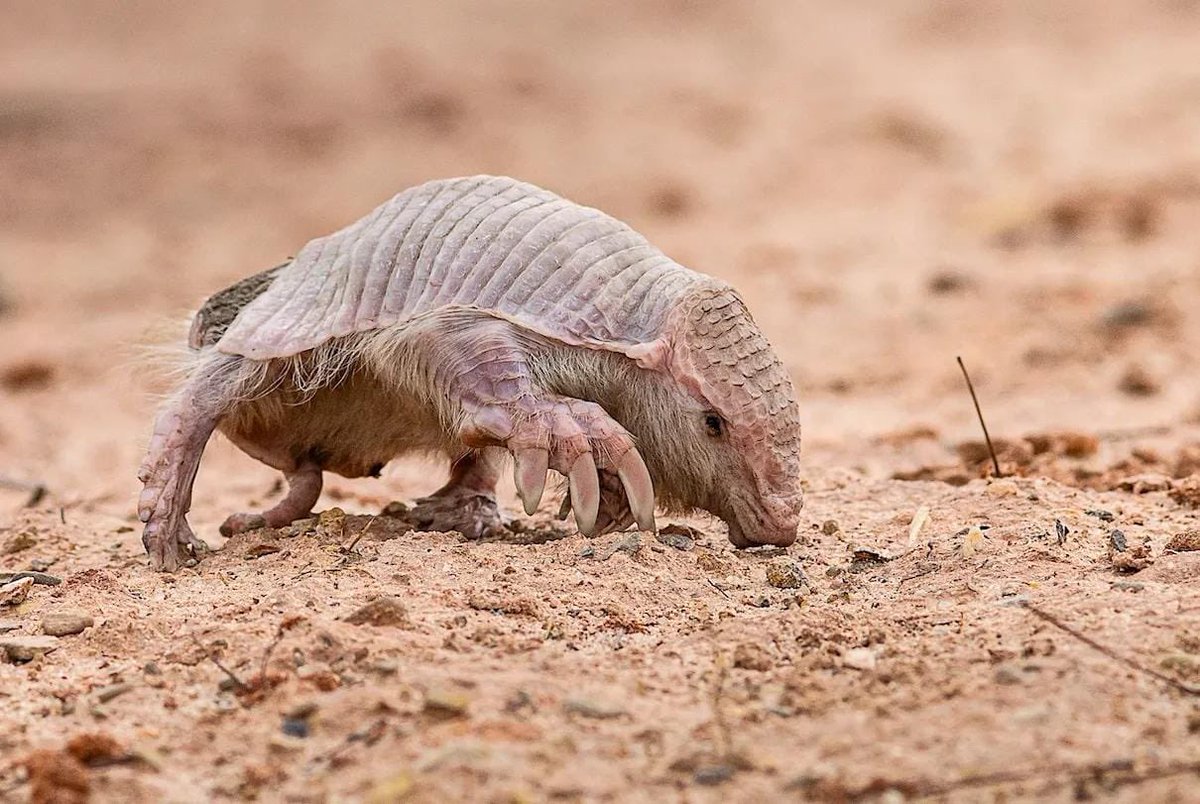
The world's smallest and rarest armadillo.
The pink carapace, soft white fur and amazing tunneling abilities make this a rare creature found only in Argentina, It survives by eating ants and small insects.
It survives by eating ants and small insects.
Saiga antelope with the world's most unique nose.
A unique marvel of nature. Its large nose is not just an identity, but a natural shield against dusty winds and harsh cold.
It is found in the grasslands of Central Asia.
Meet the Snake-Necked Turtle
The snake-necked turtle is different from most other turtles because it cannot retract its neck straight into its shell. Instead, it bends its unusually long neck sideways under the edge of the shell.
This unique feature helps it launch quick strikes to catch fish, tadpoles, and other small aquatic animals.
🐒 Have you ever seen a cotton-top tamarin?
It's one of the world's rarest small monkeys, found only on the coast of Colombia. It's identified by its white, cotton-like hair.
Its numbers are rapidly declining due to deforestation and illegal pet trade.
Meet the Golden-handed Tamarin
a small rainforest monkey famous for its striking black coat and brilliant golden-orange hands and feet.
A true jewel of South America's tropical forests.
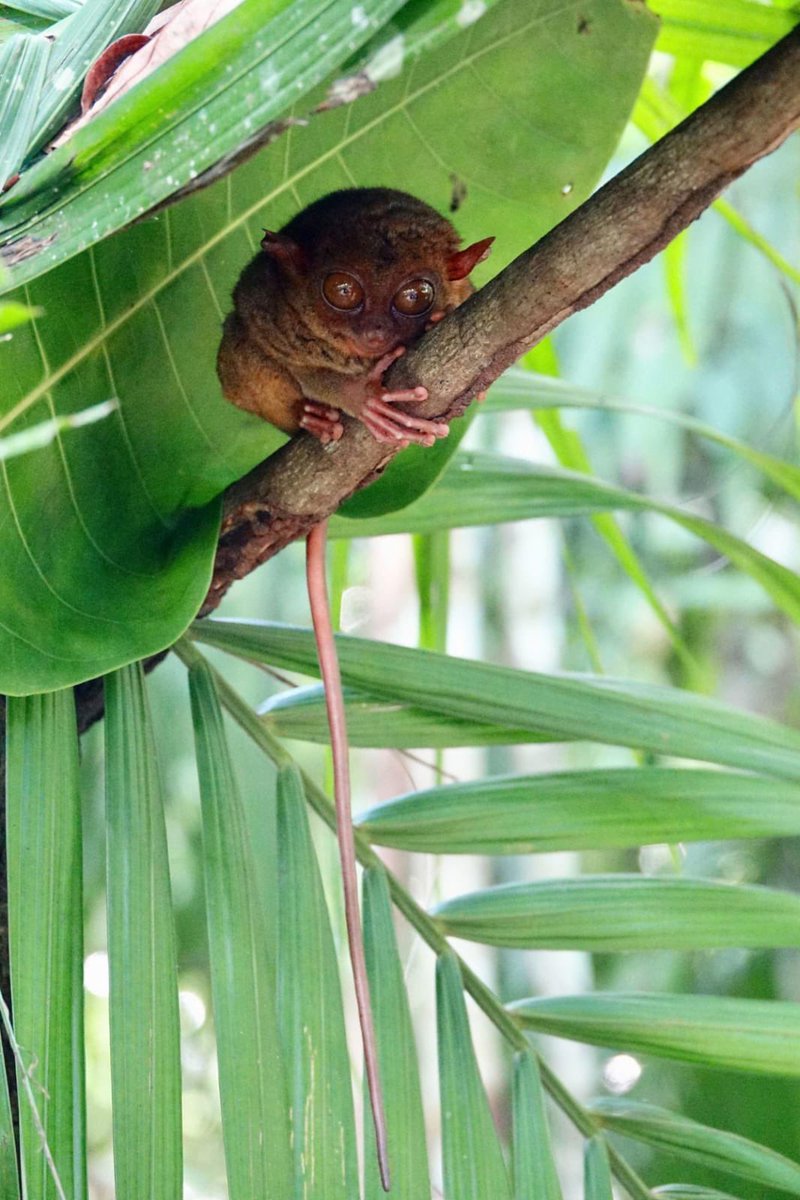
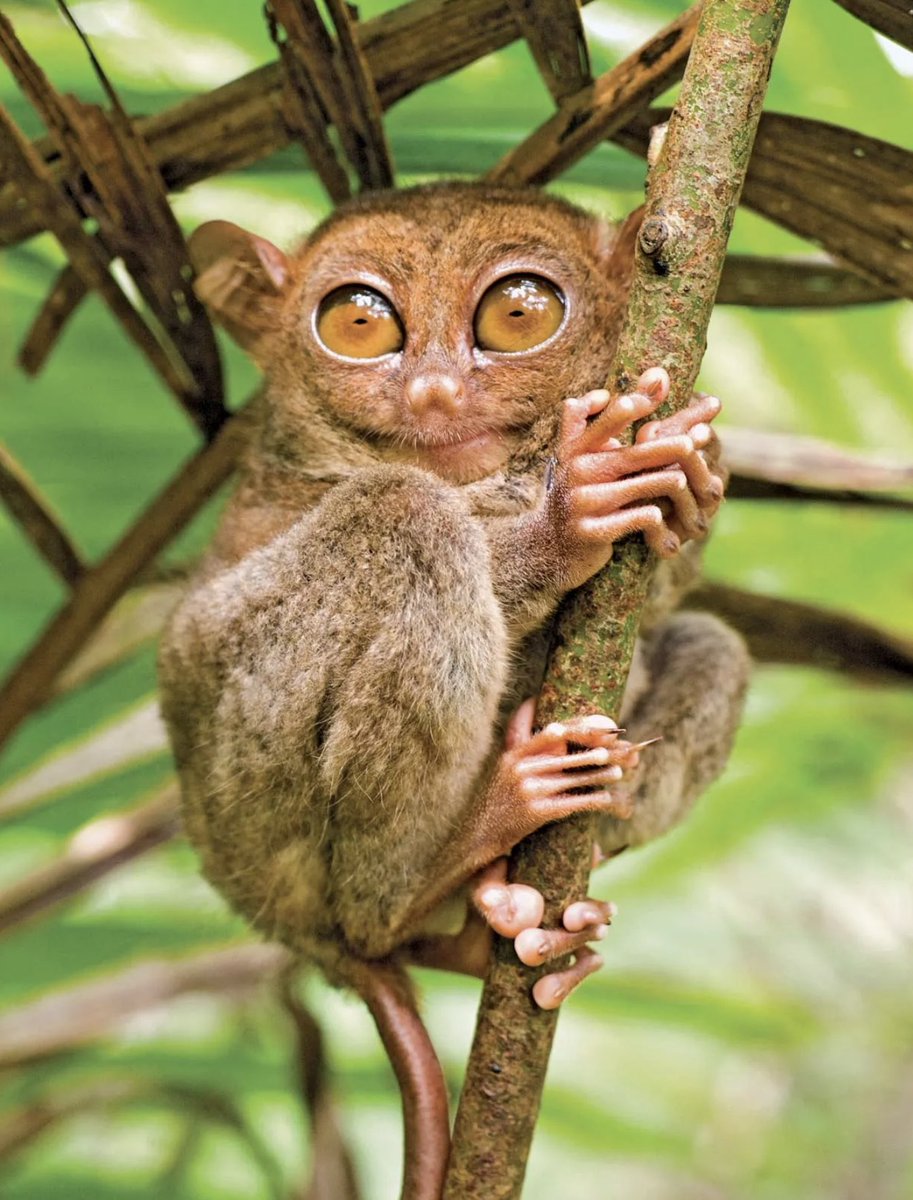
Meet the Tarsier—one of the world's smallest primates and a true marvel of nature!
It lives in trees in dense rainforests and rarely comes to the ground.
It is active at night and rests among the dense branches of trees during the day.
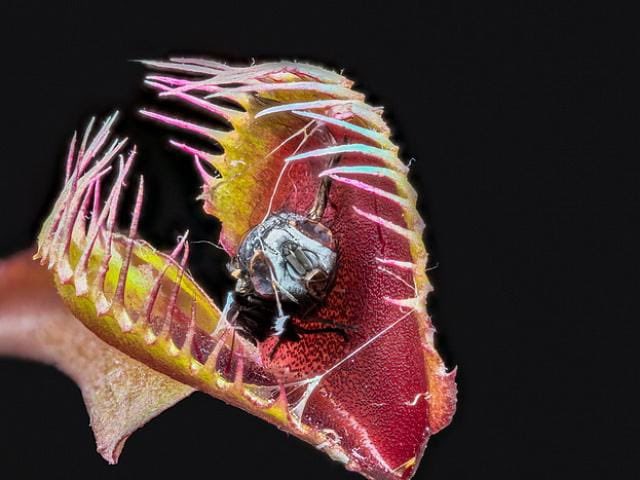
This is a Venus Flytrap a carnivorous plant native to the USA.
It captures insects not because it needs them for food, but to supplement nutrients missing from nutrient-poor soil.
Nature's engineering at its finest.
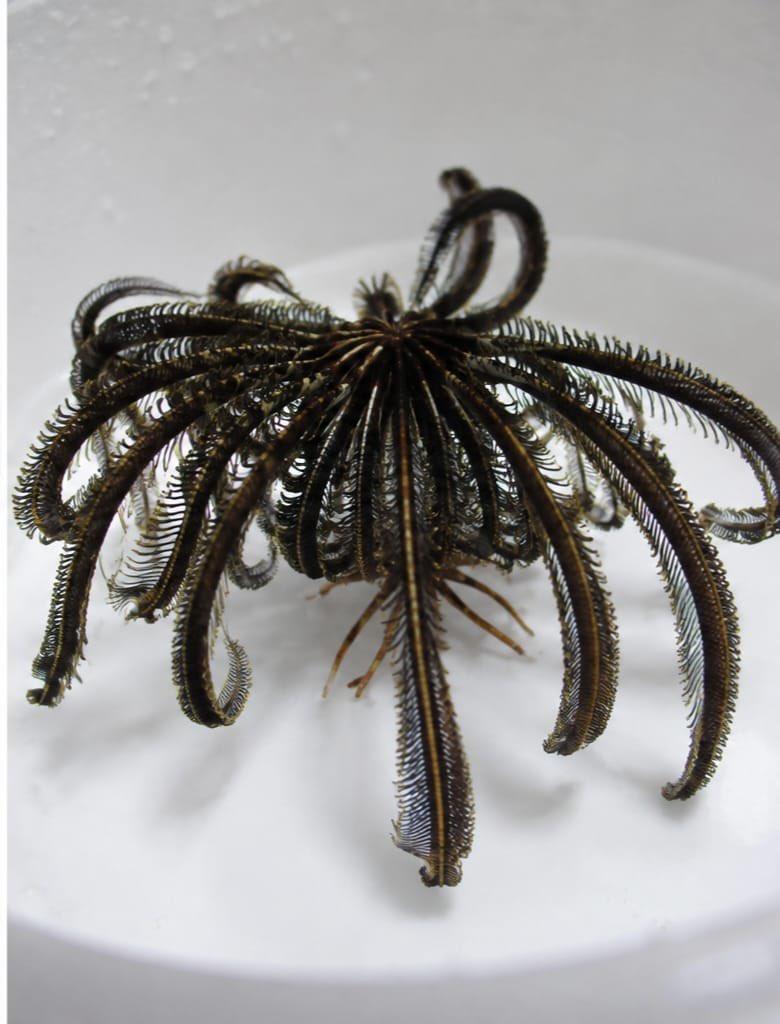
🌊 Have you ever seen a sea creature like this?
This is the Feather Star (Crinoid)—an amazing sea creature found in coral reefs.
Its feather-like arms catch microscopic food from the water. One of nature's most unique creatures!
The jerboa is a small desert animal that doesn't need to drink water to survive.
It stays hydrated through the food it eats, and its strong legs and oversized ears are perfectly adapted for life in the desert.