That bread you're tossing to the ducks malnourishes the adults and can leave the babies unable to fly for the rest of their lives.
Bread is junk food for a duck. It fills them up so they quit foraging for the bugs, plants, and seeds that actually feed them.
In a growing duckling, a diet that heavy in empty carbs makes the wing grow too fast and twist at the joint. The feathers jut out sideways, the wing never works right, and the bird is grounded for good. It's called angel wing, and in an adult it can't be undone.
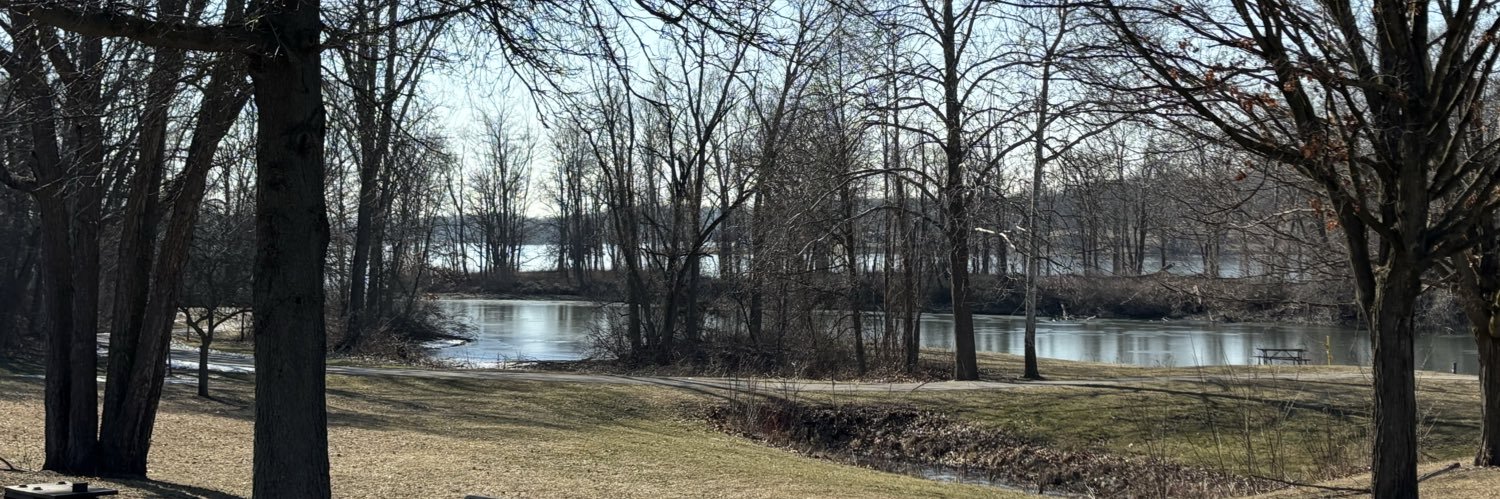
It doesn't stop at the birds. A pond where people dump bread gets crowded and aggressive, ducklings never learn to find their own food, and the soggy leftovers rot into algae blooms and draw rats.
If you want to feed them, give them food, not filler: cracked corn, oats, halved grapes, chopped lettuce, a handful of thawed peas.
Better yet, just watch them. A healthy pond already feeds its ducks. They were doing fine before the bread showed up.
You've seen the meme: one opossum eats 5,000 ticks a season. Unfortunately, it's wrong.
When researchers dissected the stomachs of 32 wild opossums, they found zero ticks. The number came from a single lab study that got stretched into folklore, and it still gets repeated everywhere.
But the opossum doesn't need the lie. It's the only marsupial in North America. It cleans up carrion, rotting fruit, slugs, snails, and the rodents you'd rather not have around. It eats copperheads and rattlesnakes, because it's immune to their venom. And it almost never carries rabies, since its body runs too cool for the virus to take hold.
So when one waddles through the yard at night, you're not looking at a pest, you're looking at the cleanup crew that works for free.
Fireflies spend the first 2 years of their lives underground. Lawn chemicals kill them.
During those early years in the soil, they're working double time dealing with your pests. They eat slugs, snails, earthworms and other soft-bodied insects.
The three biggest threats to fireflies are habitat loss, light pollution, and pesticides, pretty much in that order according to experts surveyed across 350 firefly researchers worldwide.
What actually helps: stop all lawn chemicals, leave the leaf litter in the fall, mow less frequently and higher, and turn off outdoor lights at night.
How are the fireflies doing in your yard?