Writing Religious Conflict and Community in Exeter
@WritingExeter
Religion, writing, and print culture in Exeter, 1500-1750. ReConEx. Project funded by Leverhulme Trust. Tweets by @DrDParry, @NiallAllsopp, @PhilipSchwyzer.
John Milton’s answer to the conundrum of why people love a tyrant is that people love “not freedom, but license, which never hath more scope or more indulgence than under tyrants” #milton
Now live: our annotated online anthology of primary texts from early modern Exeter exploring how varied religious and communal identities are expressed in writing. Includes poems, sermons, memoirs and polemical pamphlets from 1589 to 1740. Enjoy!
https://t.co/GhUW8Tfobu
@paul_salzman There's a lot here that I'm misreading or unable to understand, but I think it's a denunciation of public houses?
'Tafarn sydd ddiffydd': 'The tavern is faithless'.
Later on, 'Bwth lledrad' would be 'Hut of larceny'.
I don't think this is a well-known poem.
The latest publication from @WritingExeter is now out in open access for anyone to read - @DrDParry discusses the theme of hypocrisy in previously unstudied MS Dissenting sermons @DExInstitution.
My article on hypocrisy and sincerity in Exeter Dissenting sermons is now out (open access for anyone to read). As far as I know this is the first ever publication on a 26 vol MS collection of 17th/18th century sermons held by the @DExInstitution.
https://t.co/V7mofTQBA3
@Ian_Maxted As with our previous conversation, @Ian_Maxted has kindly put together an extensive set of tables and data to accompany our discussion on his Exeter Working Papers in Book History site:
https://t.co/ZUAxDa4yVe
We are delighted to welcome @Ian_Maxted back to our podcast to discuss printing and the book trade in Exeter c.1640-1750. We discuss the impact of the Civil Wars and Glorious Revolution and genres including sermons, newspapers, maps and engraved portraits.
https://t.co/3ofkxUTlmy
Delighted to participate in and present a panel paper @WritingExeter - 3 days of rich, stimulating, and varied papers on religion in the early modern regions. Great to air the subject of MA thesis again!
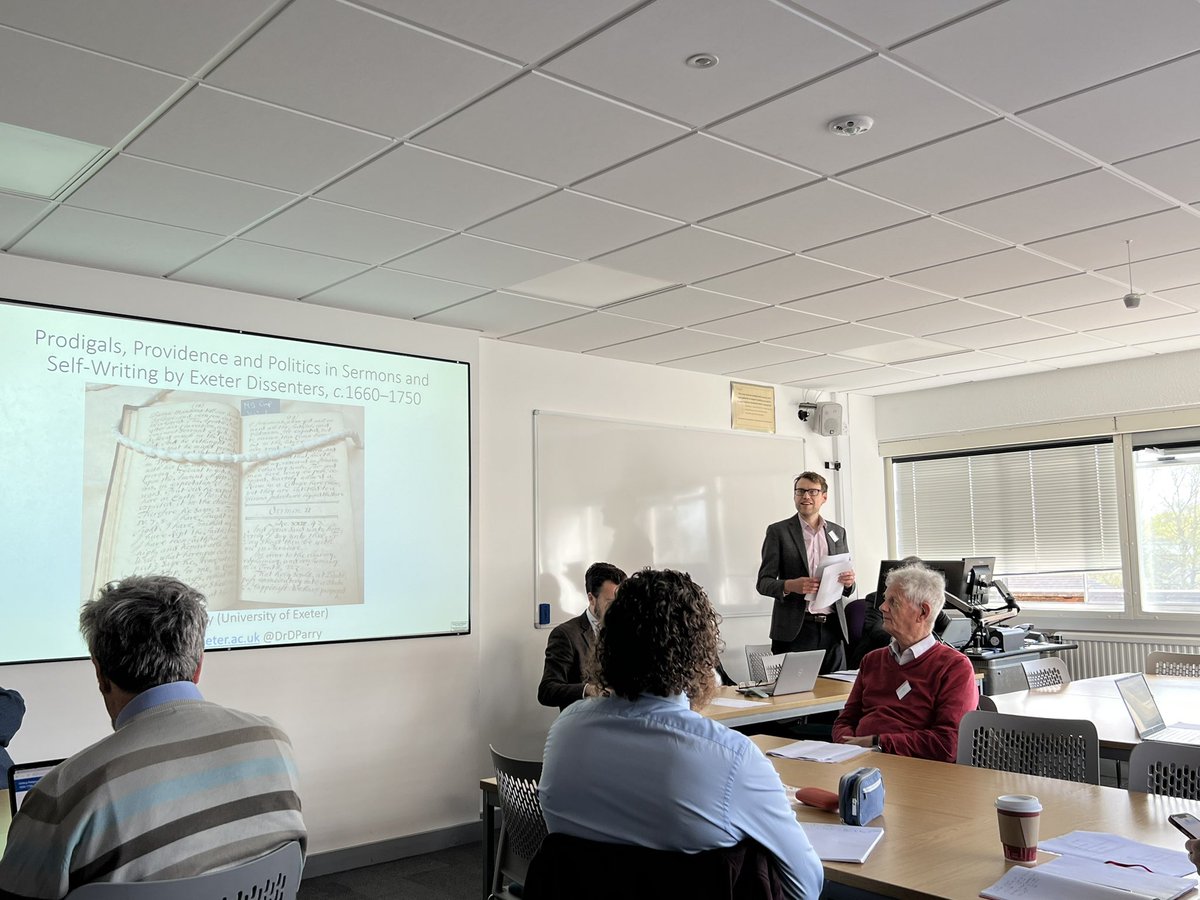
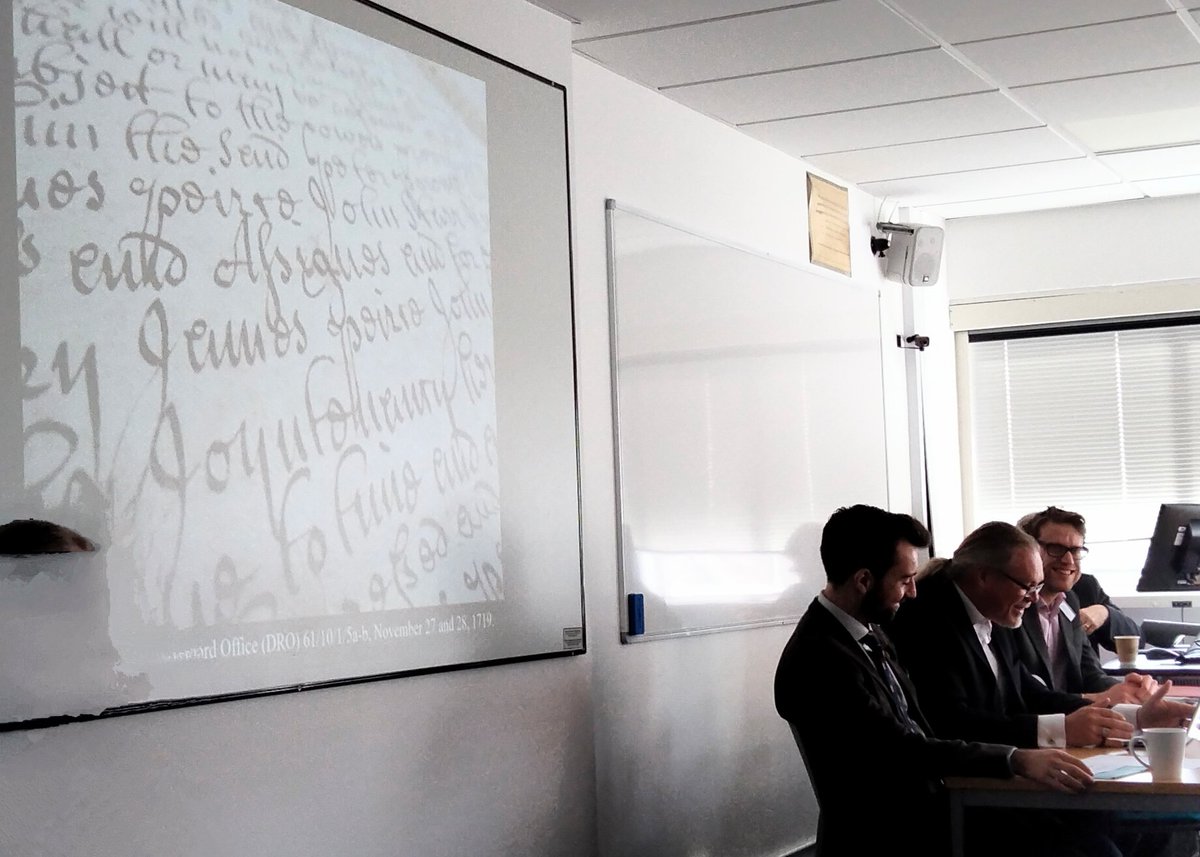
Always great to hearse @DrDParry to talk about southwestern dissenters and his paper is about “prodigal, providence and politics in sermons and self-writing by Exeter dissenters, c. 1666–1750” @WritingExeter
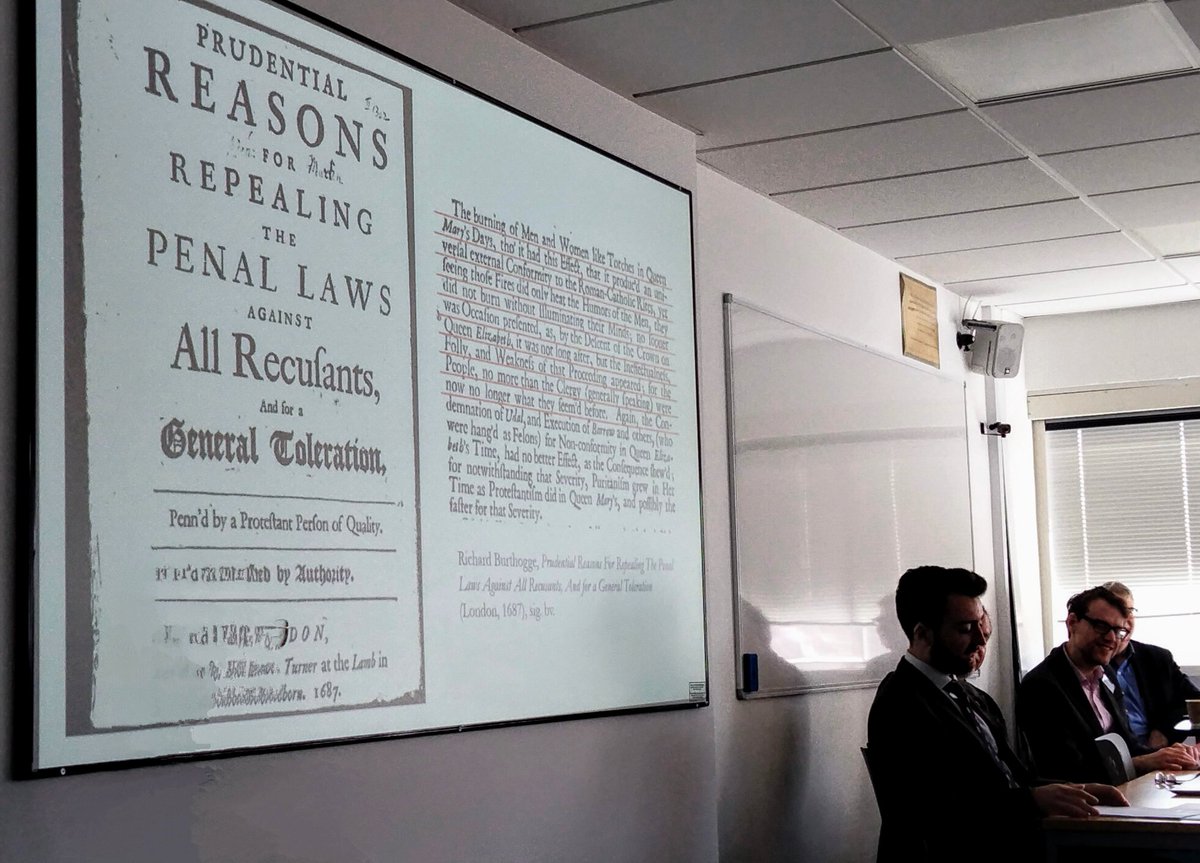
Final paper in this morning panel is by @MrHistoryHead, talking about the theme of perception in Dr Richard Burthogge’s Prudential Reasons for Repealing the Penal Laws ... and for a General Toleration (1687). @WritingExeter