The word of the month is Particulate Matter!
These tiny particles suspended in the air may be invisible to the naked eye, but they can have significant impacts on human health and air quality. Understanding what we breathe is an important step towards tackling air pollution.
#WordOfTheMonth #ParticulateMatter #AirPollution #AirQuality #WWFPakistan
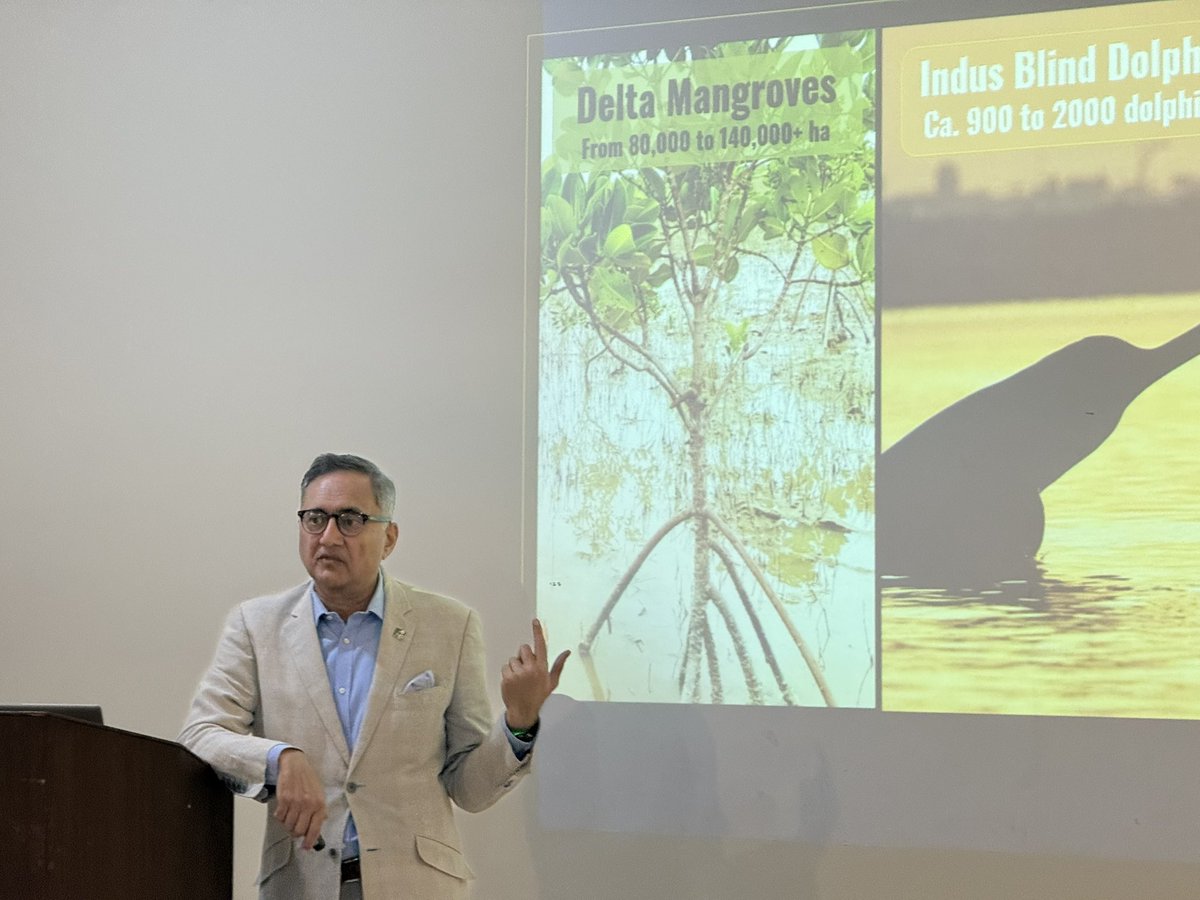
In Sindh’s Indus Delta, families like that of Chacha Abdul Gani Katiyar depend on fishing and livestock rearing. Water scarcity and saline land, however, made fodder difficult to access, increasing reliance on mangrove leaves.
With support from the National Bank of Pakistan, WWF-Pakistan worked with communities in Katiyar and Misri Jatt to cultivate 50 hectares of native Soan grass, providing an alternative source of livestock fodder while reducing pressure on mangroves.
For local families, this means less time collecting fodder, increased milk production, and estimated household savings.
This World Fisheries Day, we highlight how community-led solutions can strengthen livelihoods while protecting the coastal ecosystems that sustain them.
#WorldFisheriesDay #WWFPakistan #IndusDelta #SustainableFisheries #CommunityLedConservation
At a time when Pakistan's biodiversity is under increasing threat, the proposed investment of Rs22.4 billion in a large-scale Wildlife Park raises important questions about our conservation priorities.
The proposal to house approximately 6,000 animals representing 400 species warrants serious scrutiny, particularly in light of Pakistan's past experiences with captive wildlife management, including the case of Kaavan at the former Islamabad Zoo.
Such facilities require far more than infrastructure. They demand specialised veterinary care, appropriate living conditions, sustained financial resources and strong institutional capacity to ensure animal welfare.
Islamabad's own Margalla Hills National Park, one of the capital's most important biodiversity refuges, faces growing pressures from urban expansion, habitat fragmentation and ecological degradation.
Investing in its protection, restoring degraded habitats, safeguarding wildlife corridors and strengthening frontline conservation authorities would deliver more meaningful and lasting benefits for biodiversity.
WWF-Pakistan recognises that well-managed zoological facilities can contribute to conservation education, research and scientifically justified captive breeding programmes, provided the highest animal welfare standards are maintained. However, these facilities must complement, not compete with, the protection of wildlife in its natural habitats.
In-situ conservation, which protects wildlife within its natural habitats, is not merely a national priority but also an international obligation under several Multilateral Environmental Agreements (MEAs) to which Pakistan is a Party.
We urge the government to critically reconsider whether another large-scale captive wildlife facility is the most responsible use of public resources, given Pakistan's pressing conservation needs and existing institutional capacity challenges.
Pakistan's conservation success should not be measured by how many animals we can keep in captivity, but by how effectively we protect threatened wildlife, restore natural ecosystems and safeguard biodiversity for future generations.
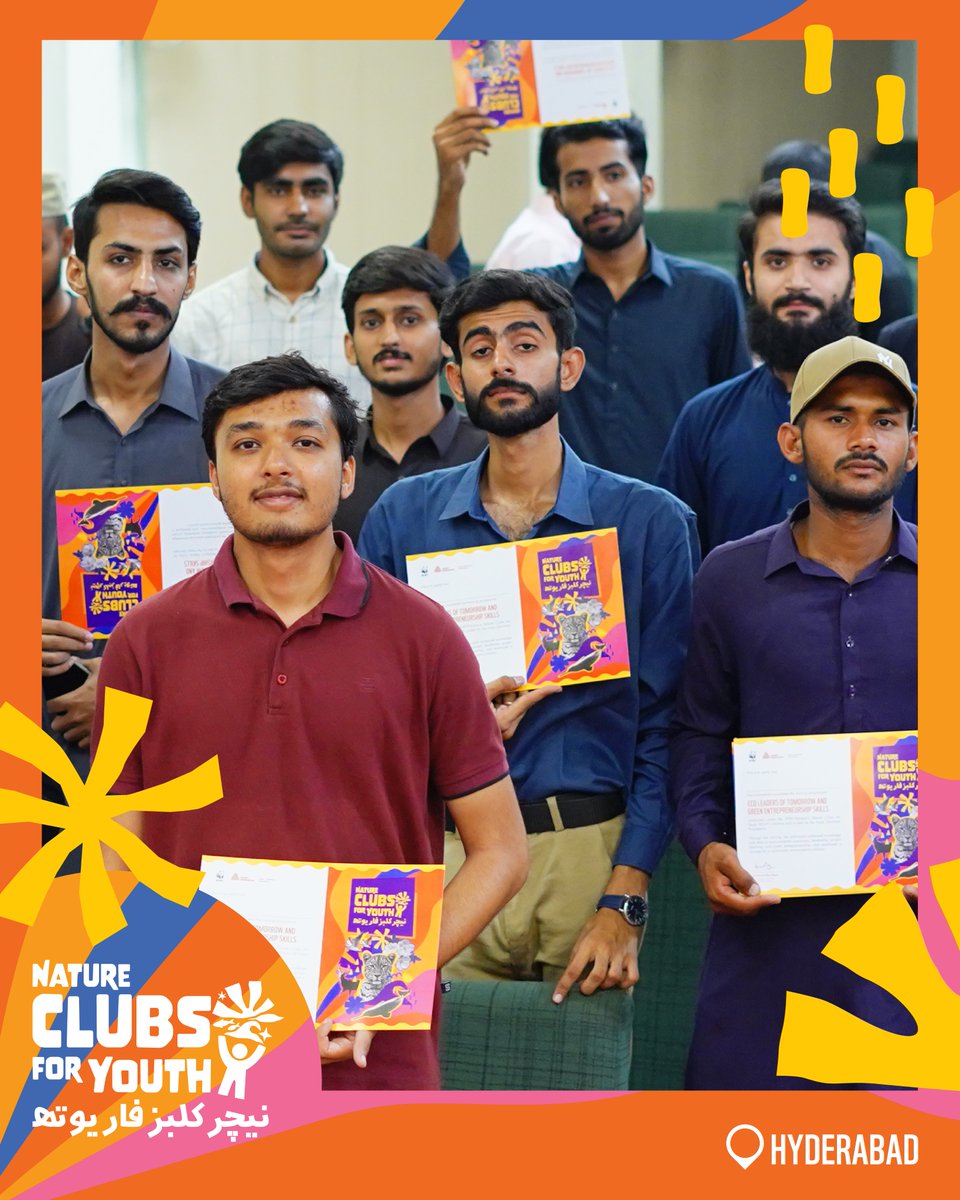
Young people are central to building a more sustainable future.
Through the NC4Y programme, supported by the Avery Dennison Foundation, approximately 1,200 students (680 female and 520 male) from 22 schools across Taunsa, Hyderabad, Nathia Gali, Gilgit and Skardu have participated in environmental learning and green entrepreneurship training.
Going beyond classroom discussions, students explored environmental challenges in their communities, learned about sustainable livelihoods and worked collaboratively to develop locally relevant solutions. Their efforts resulted in 179 group project submissions, exceeding the programme's original participation target of 1,000 students by 20%.
By equipping young people with environmental knowledge and practical skills, the programme is helping nurture a generation ready to contribute to a greener, more sustainable future.
#NC4Y #GreenEntrepreneurship #YouthForNature #WWFPakistan
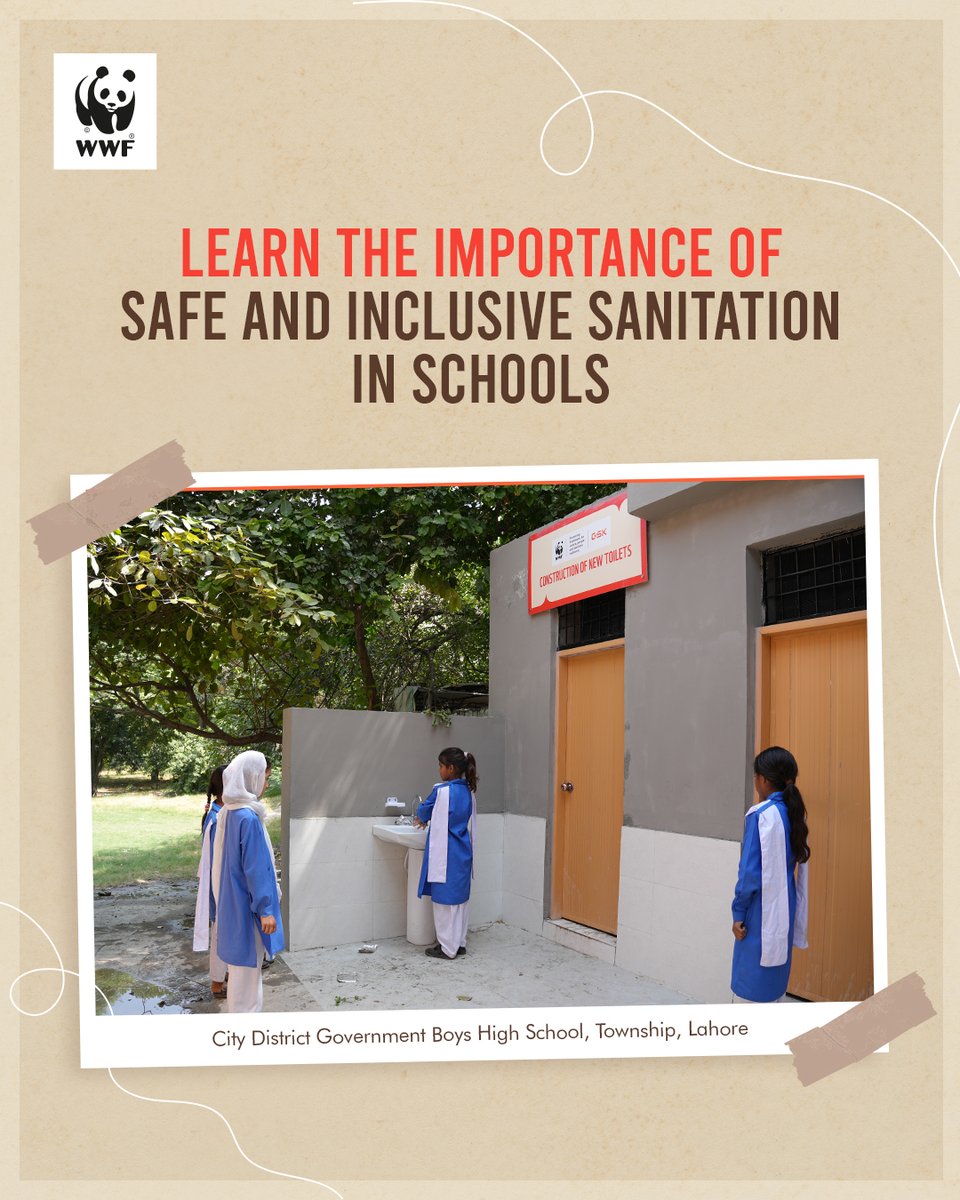
As part of WWF-Pakistan’s recent intervention at two government schools in Lahore, targeted WASH improvements have helped address sanitation challenges affecting students’ and teachers’ health, privacy, and everyday school experience.
Implemented by WWF-Pakistan, supported by WWF-UK and funded by GSK, the intervention included repairing sewerage infrastructure, rehabilitating washrooms, constructing a dedicated facility for girls, and redesigning water facilities to improve privacy.
As a result, 16 washrooms were rehabilitated or constructed, 70 girls gained access to a dedicated washroom facility, and 15 female staff members benefited from improved privacy.
Access to sanitation goes beyond infrastructure. It is essential for protecting health, ensuring privacy and dignity, and creating inclusive learning environments.
This World Toilet Day, we highlight the importance of safe and accessible sanitation in schools.
Read the full success story: https://t.co/JV6aoRryfe
#WorldToiletDay #SanitationForAll #WASH #WWFPakistan
Agriculture faces a dual climate challenge: it is both affected by climate change and contributes to greenhouse gas emissions.
Droughts, floods and water scarcity threaten food production and farmers' livelihoods, while food systems account for nearly one-third of global GHG emissions.
Regenerative agriculture can help address both challenges by restoring soil health, improving water management and building climate resilience.
Watch the full video: https://t.co/ZNS3yjqQWr
#WWFPakistan #RegenerativeAgriculture #ClimateChange
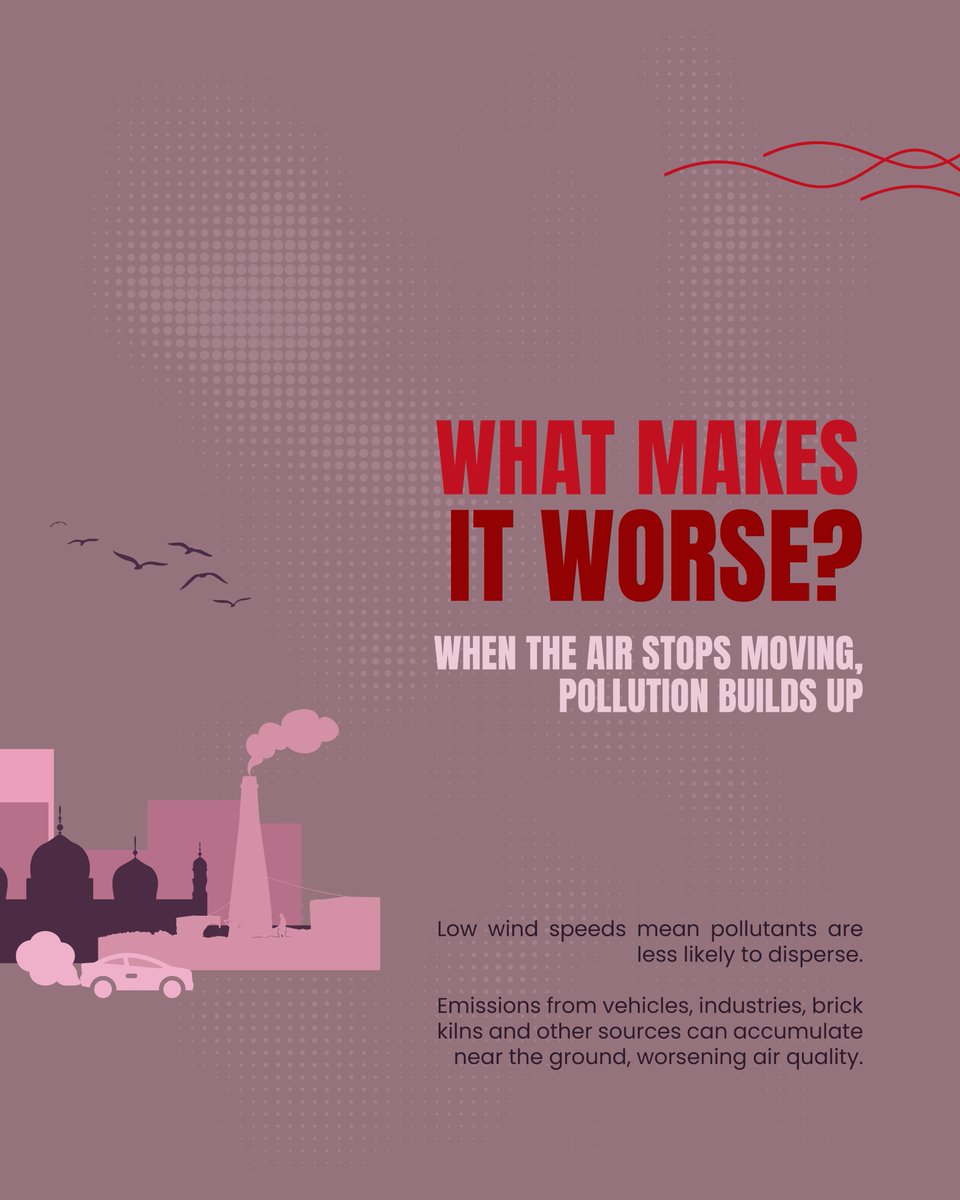
Why does air pollution become more hazardous during winter?
While emissions from vehicles, industries, brick kilns and other sources continue throughout the year, winter weather conditions can limit the atmosphere's ability to disperse pollutants.
Temperature inversion, low wind speeds and reduced atmospheric mixing allow pollutants to accumulate closer to the ground, increasing exposure to harmful particulate matter.
This is why addressing winter smog requires more than seasonal interventions. Sustained reductions in emissions, stronger pollution controls and effective monitoring are essential to improving air quality.
Clean air requires year-round action.
#WinterSmog #AirPollution #CleanAir #WWFPakistan
The latest edition of Natura is out now!
Themed 'The Green Connection: How Plants Sustain People, Wildlife and Planet', this edition explores how plants sustain ecosystems, support biodiversity, protect natural resources and strengthen climate resilience across Pakistan.
From forests and mangroves to urban green spaces and agricultural landscapes, the stories highlight why plants are more than just part of our surroundings: they are living infrastructure, essential to the health of people and the planet.
Explore fresh perspectives, inspiring stories and insights into the connections that sustain life.
Read the latest edition online here:https://t.co/DSmhZlKsTy
You may also subscribe to receive a physical copy delivered to you.
Access the subscription form here: https://t.co/5Hne37STOW
Lahore is already topping the charts with AQI levels going up to 500. But these are not the rankings we want to lead.
As Lahore climbs the list of the world’s most polluted cities, one question remains: If smog season is only just beginning, how much worse are we willing to let it get?
Clean air is not a luxury. It is a right.
It’s time to act before another winter is lost to toxic air.
#CleanAirForAll
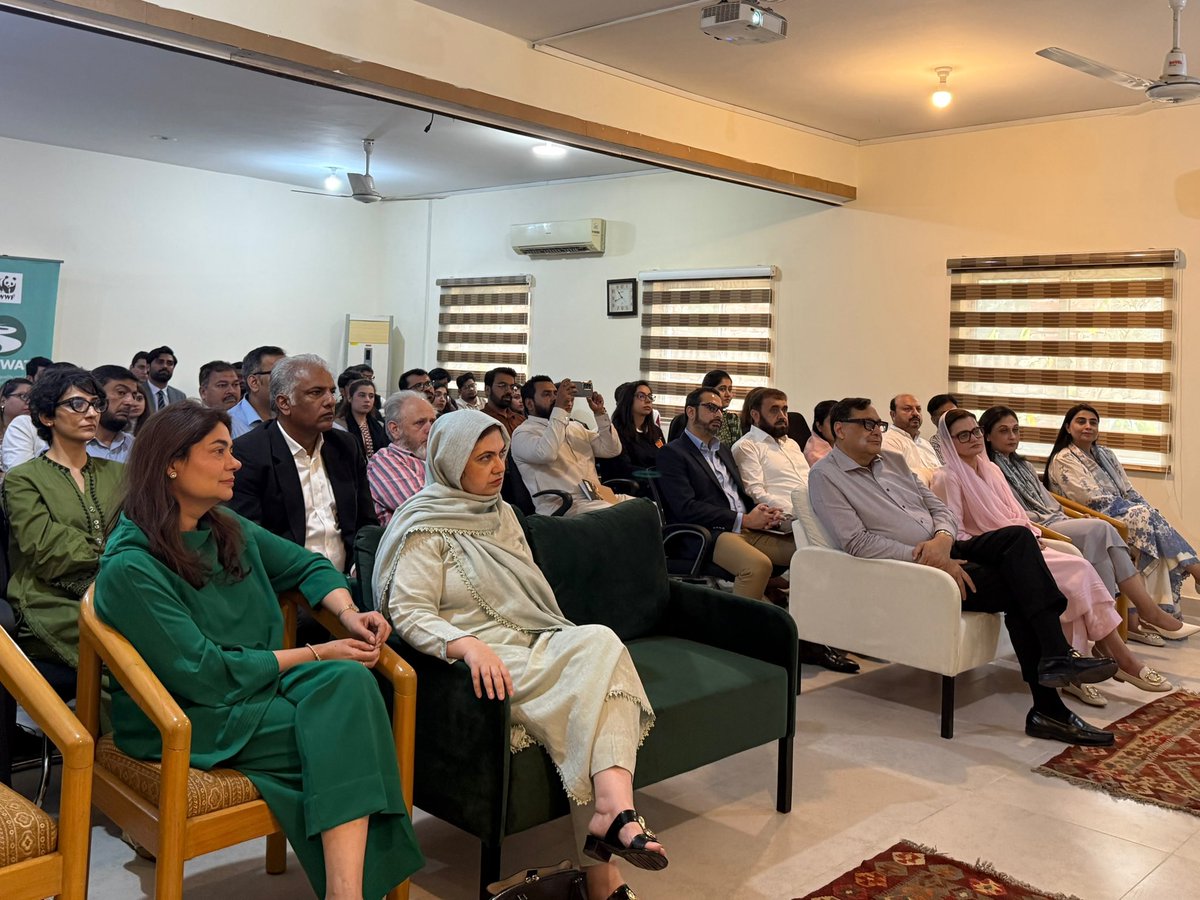
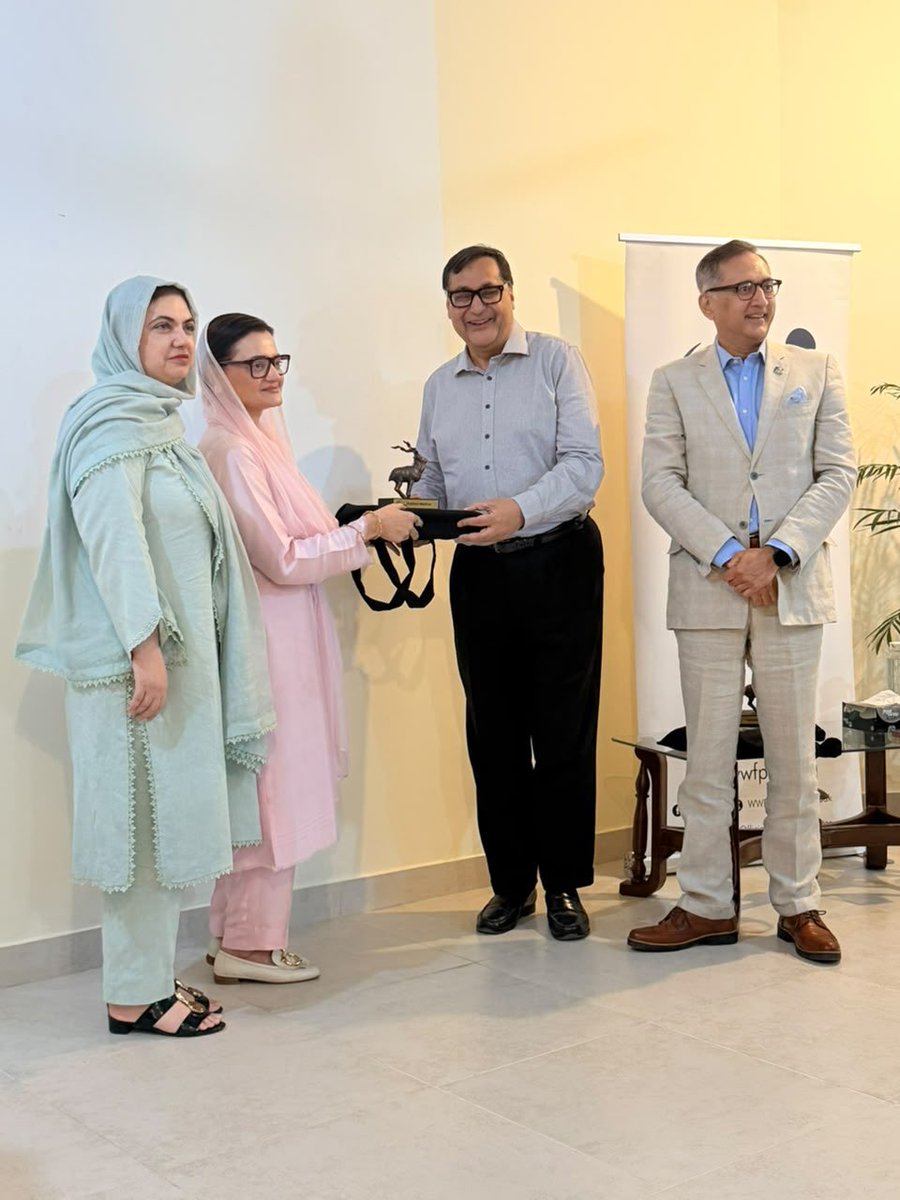
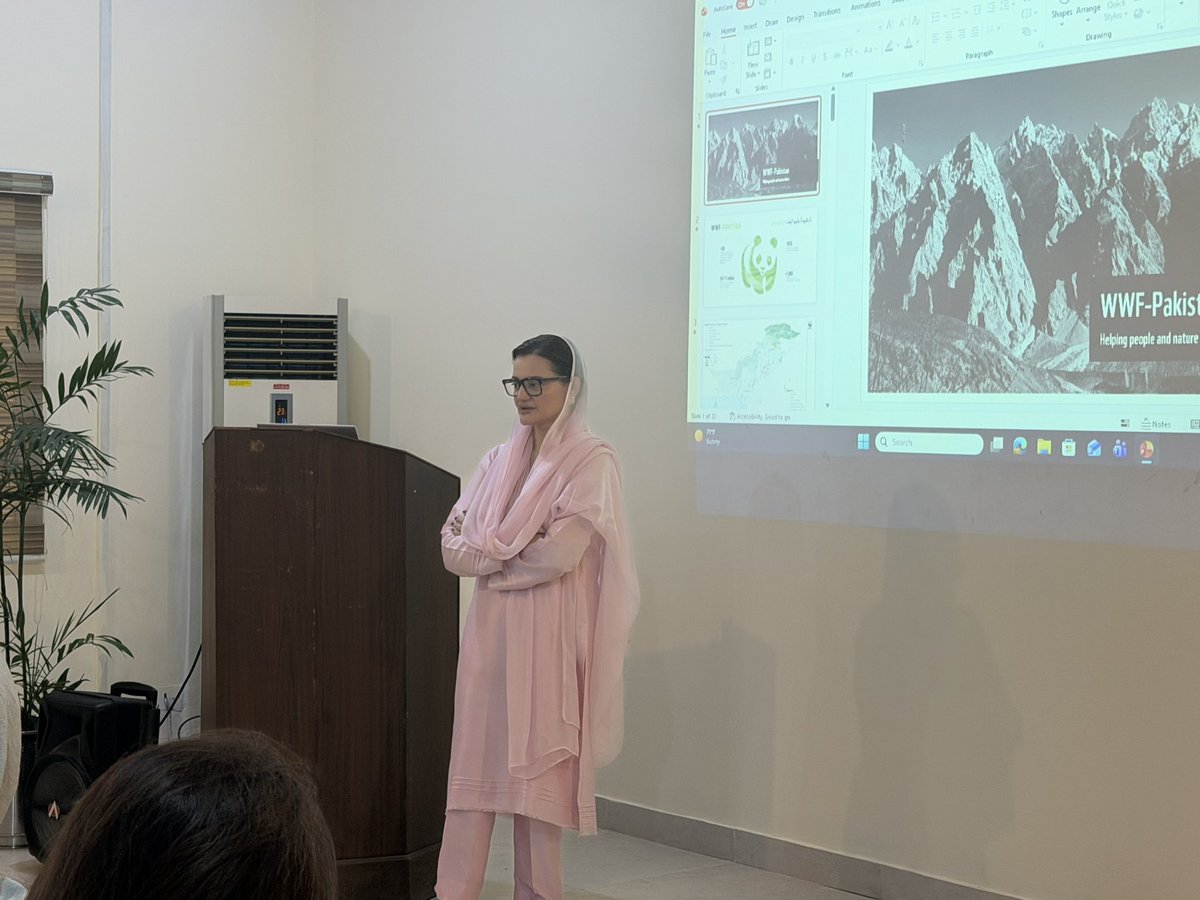
We had the pleasure of welcoming Ms Marriyum Aurangzeb (@Marriyum_A), Senior Minister of Punjab and WWF-Pakistan’s former Panda, and Dr Adil Najam (@AdilNajam), President of WWF International, to WWF-Pakistan’s Lahore head office today.
The visit brought colleagues together for meaningful conversations on the environmental challenges facing Pakistan, the importance of engaging young people in conservation, and opportunities to strengthen collaboration and collective action for nature.
The exchange of ideas and perspectives highlighted a shared vision for a more sustainable future, the value of building synergies across institutions, and the importance of working together to protect Pakistan’s natural heritage for generations to come.
This World River Dolphin Day, we turn our attention to the river dolphins of Asia and the rivers they call home.
These remarkable species are an important part of freshwater ecosystems. Yet, Asian river dolphins face growing pressures from pollution, unsustainable fishing practices, and other human-induced threats. Their conservation requires collective action, informed communities, and collaboration across the regions they inhabit.
Today, let us recognise that safeguarding these species begins with protecting the rivers we share.
#WorldRiverDolphinDay #RiverDolphins #FreshwaterConservation #WWFPakistan
For Irfan from Khyber Gojal, Hunza, Gilgit-Baltistan, what began with a first sighting in 2013 grew into nearly a decade of documenting one of the world’s most elusive big cats, learning its movements and sharing its presence with audiences far beyond his home.
His journey also reflects an important part of conservation: when local communities have opportunities to benefit from wildlife, there is greater potential to build coexistence.
This World Snow Leopard Day, Irfan’s message is simple: protect snow leopards and their prey, and create opportunities for local communities to earn through wildlife photography.
Because conservation is not just about protecting a species. It is also about creating a future in which people and wildlife can coexist.
Watch the complete video here: https://t.co/u7CtbmkOEY
#SnowLeopard #WildlifeConservation #GilgitBaltistan #CommunityConservation #WWFPakistan
What do you call the snow leopard in your language?
Across Pakistan, this elusive big cat is known by different names. Beyond their pronunciation, these names offer a glimpse into the oral traditions, local knowledge, and cultural relationships that have developed between mountain communities and the wildlife they share their home with.
This International Snow Leopard Day, explore the many names of the Ghost of the Mountains and the stories behind them.
Read the full blog: https://t.co/IHmVL9xFMi
#InternationalSnowLeopardDay #SnowLeopard #WWFPakistan #GilgitBaltistan
At The Rivers Remember event, organised by Pakistan Art Forum at Alhamra Arts Council, Muhammad Fawad Hayat, Senior Director, Recharge Pakistan, discussed how restoring wetlands and reconnecting floodplains can reduce flood risks and protect livelihoods.
#RechargePakistan
WWF-Pakistan is deeply saddened by the passing of Aloysius Lee, one of the founding members of the organisation, a member of its Board and chair of its Scientific Committee.
His contributions to the organisation and his association with wildlife conservation in Pakistan will be remembered with deep respect.
We extend our heartfelt condolences to his family, friends and colleagues.
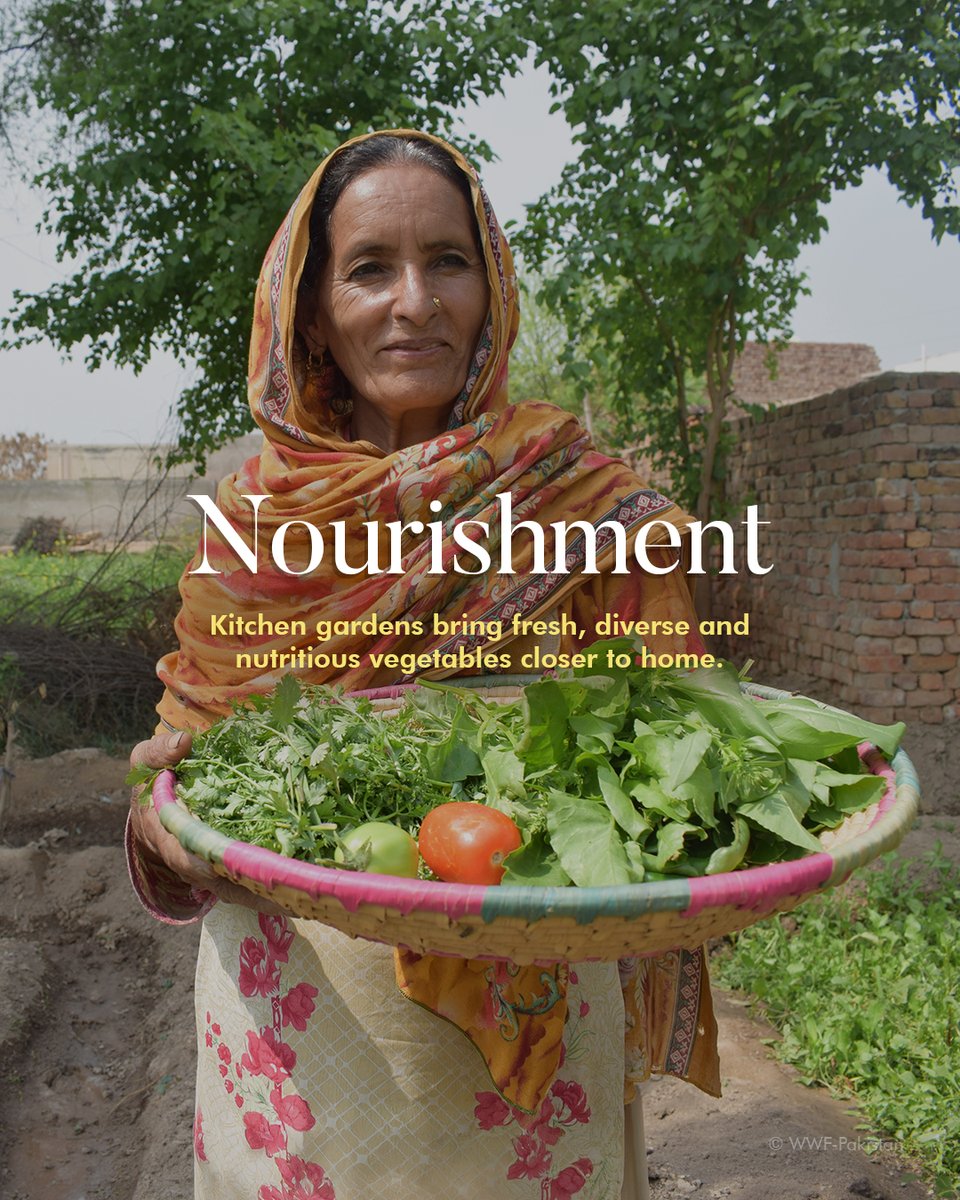
The way we grow, produce, and access food shapes not only our well-being, but also the world around us.
Building more sustainable food systems means recognising the connections between people, agriculture, and nature.
This World Food Day, let’s rethink how we nourish our future.
#WorldFoodDay #WWFPakistan #FoodAndAgriculture #SustainableAgriculture #FoodSecurity
Two Olive Ridley sea turtles were rescued from entanglement in fishing gear along the coast of Balochistan, highlighting the risks that abandoned fishing gear can pose to marine wildlife.
Recently, a local fisherman Tariq Ali discovered the turtles caught in what appeared to be a ghost net near Taak, Ganz, Jiwani. He cut the net, freeing both turtles and allowing them to return to the sea alive.
Lost, abandoned or discarded fishing gear can continue to trap marine animals, threatening their survival and affecting marine ecosystems. Preventing fishing gear from entering the marine environment, alongside timely action by coastal communities, is important for reducing these risks.
The incident highlights how local knowledge and community action can contribute to protecting marine wildlife.
#WWFPakistan #MarineConservation #OliveRidleyTurtle #GhostNets
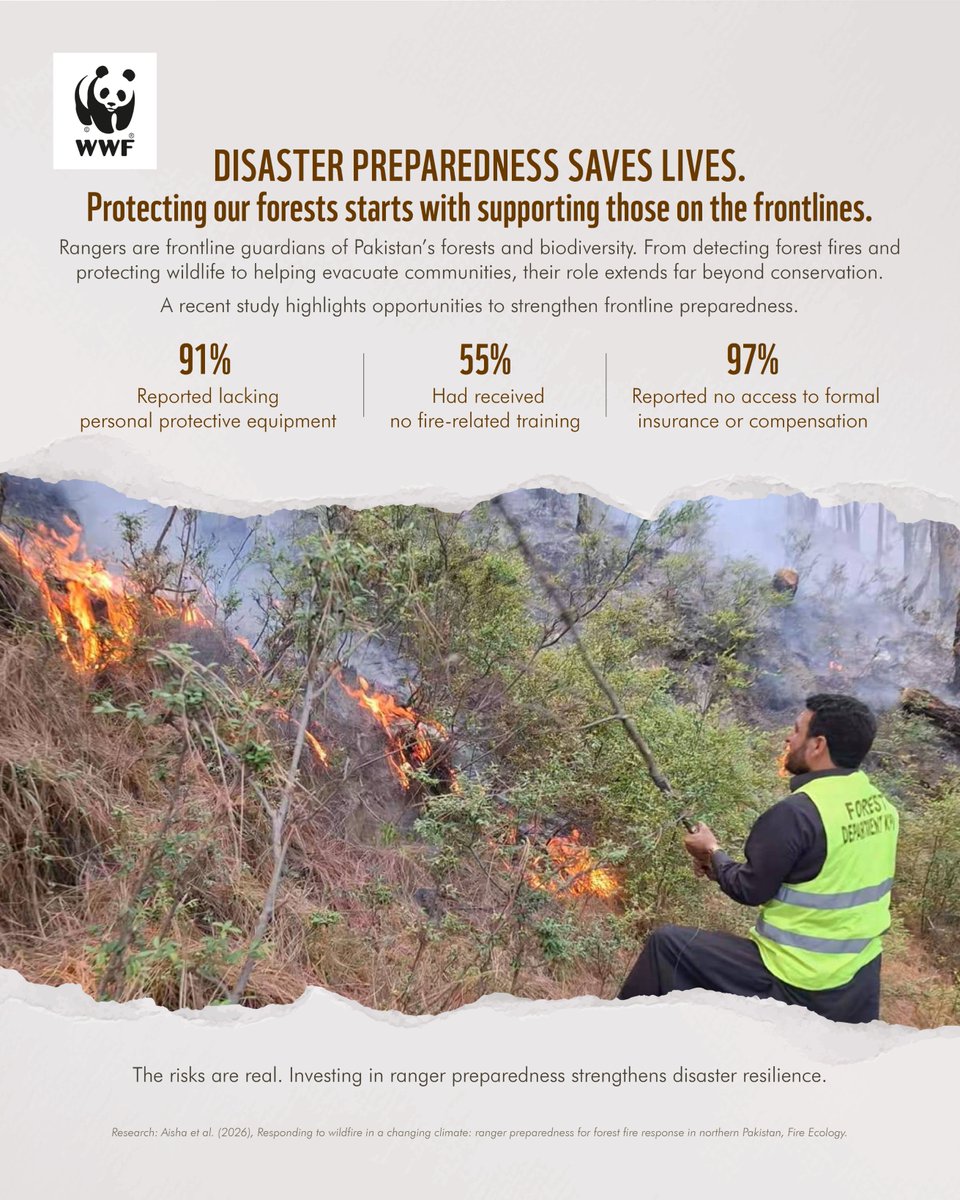
Forest rangers are often among the first to respond when forest fires threaten Pakistan’s forests, wildlife and nearby communities.
This International Day for Disaster Risk Reduction, we underscore the importance of preparedness for those on the frontlines. We also call for greater recognition of the multifaceted roles of these unsung conservation heroes and heroines, alongside the training, safety equipment and institutional support they need to carry out their work safely.
Through their work, rangers safeguard ecosystems, biodiversity and the communities that depend on them. They are planetary health workers, and they deserve the resources and protection their work demands.
Read More: https://t.co/XosEHYhKWD
#DisasterRiskReduction #WWFPakistan #ForestRangers #Biodiversity #PlanetaryHealth
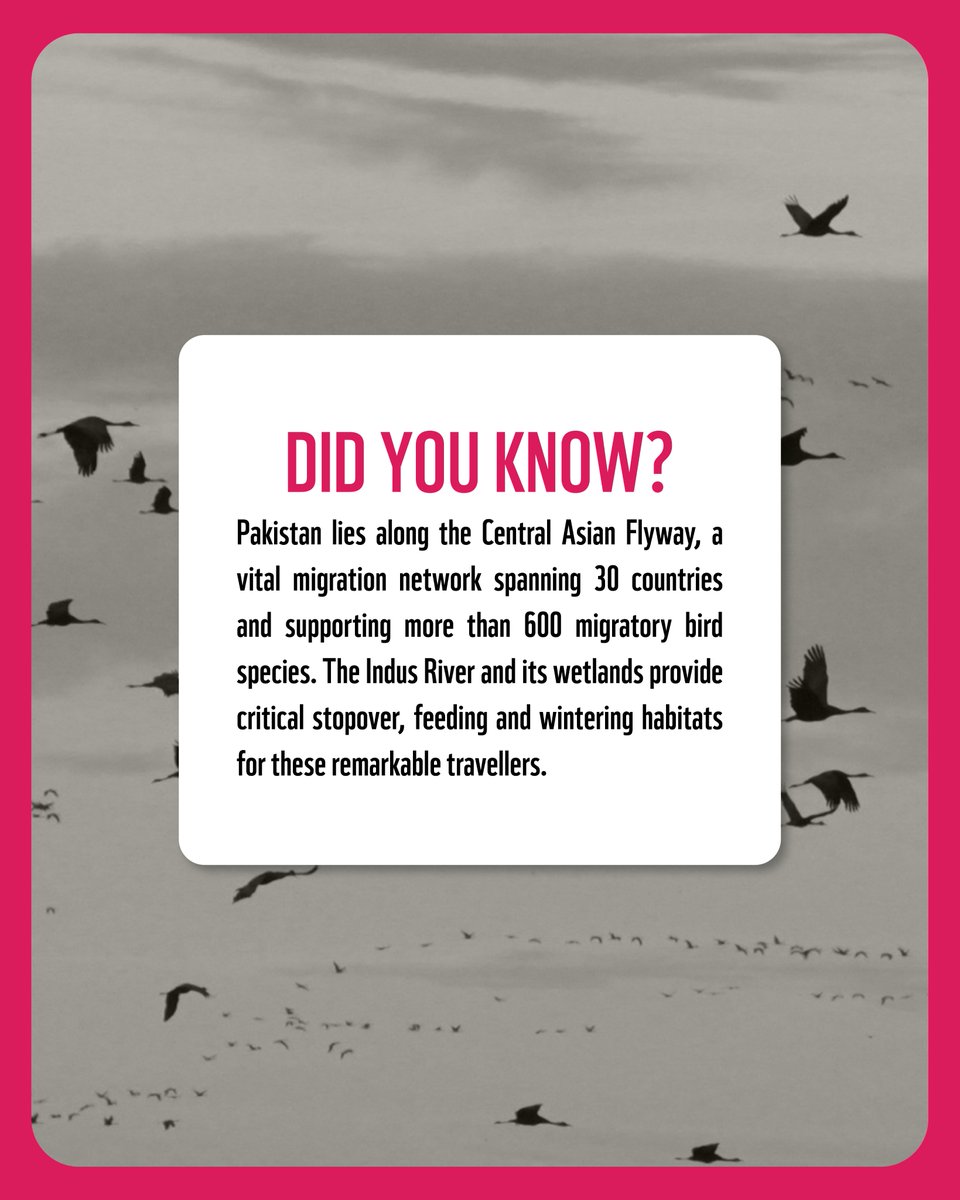
The word of the month is Flyway!
As migratory birds travel thousands of kilometres between their breeding and wintering grounds, flyways provide vital routes connecting the habitats they depend on along the way.
On World Migratory Bird Day, understanding the importance of flyways reminds us that protecting migratory birds requires conserving the interconnected wetlands, rivers, lakes and other habitats that support them throughout their journeys.
#WorldMigratoryBirdDay #Flyway #MigratoryBirds #Biodiversity #WWFPakistan
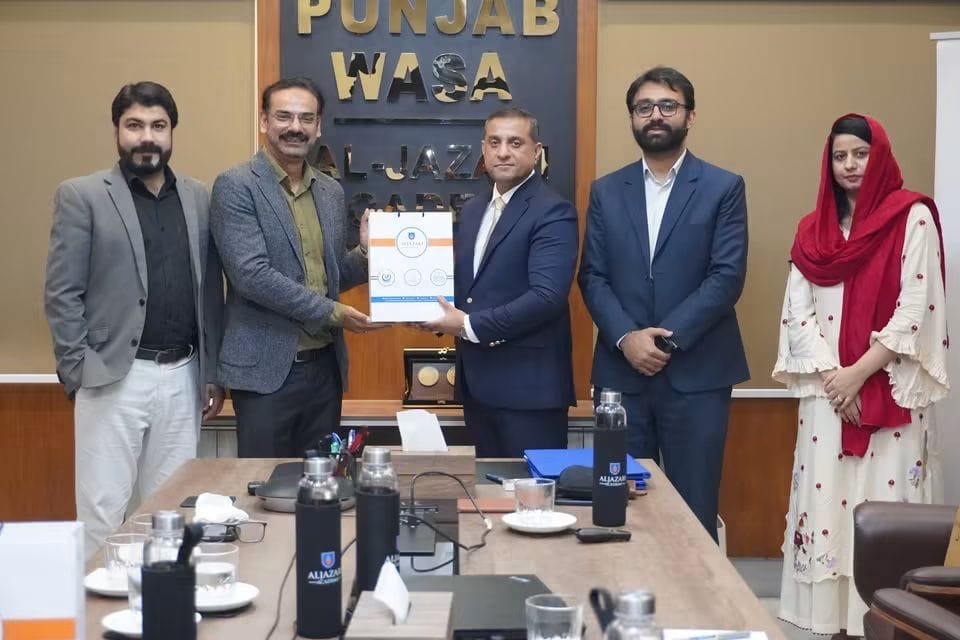
Punjab WASA’s specialized training wing, the Al-Jazari Water & Sanitation Academy (AJWA), signed a Memorandum of Understanding (MoU) with WWF-Pakistan to advance water security, conservation, and climate resilience. The ceremony was held in the presence of Chairman Punjab WASA Chaudhry Sher Ali Khan, Director General Punjab WASA Tayyab Farid, and Principal AJWA Dr. Souman Khalid. The agreement was formally signed by Director General WWF-Pakistan Hammad Naqi Khan and Principal AJWA Dr. Souman Khalid.
Through this strategic collaboration, Punjab WASA aims to strengthen technical capacity, drive joint research initiatives, and implement sustainable water management practices across the province. By leveraging shared expertise and climate-resilient solutions, this partnership marks a major step forward in securing Pakistan's water future.
@MaryamNSharif@GovtofPunjabPK@BilalYasin174@SherAliKhanPP4@hud_phed@Noormengal_@WWFPak @AlJazariLahore