My timeline is a messy mix of ancient civilisations, AI, 80s Music and metabolic heath.
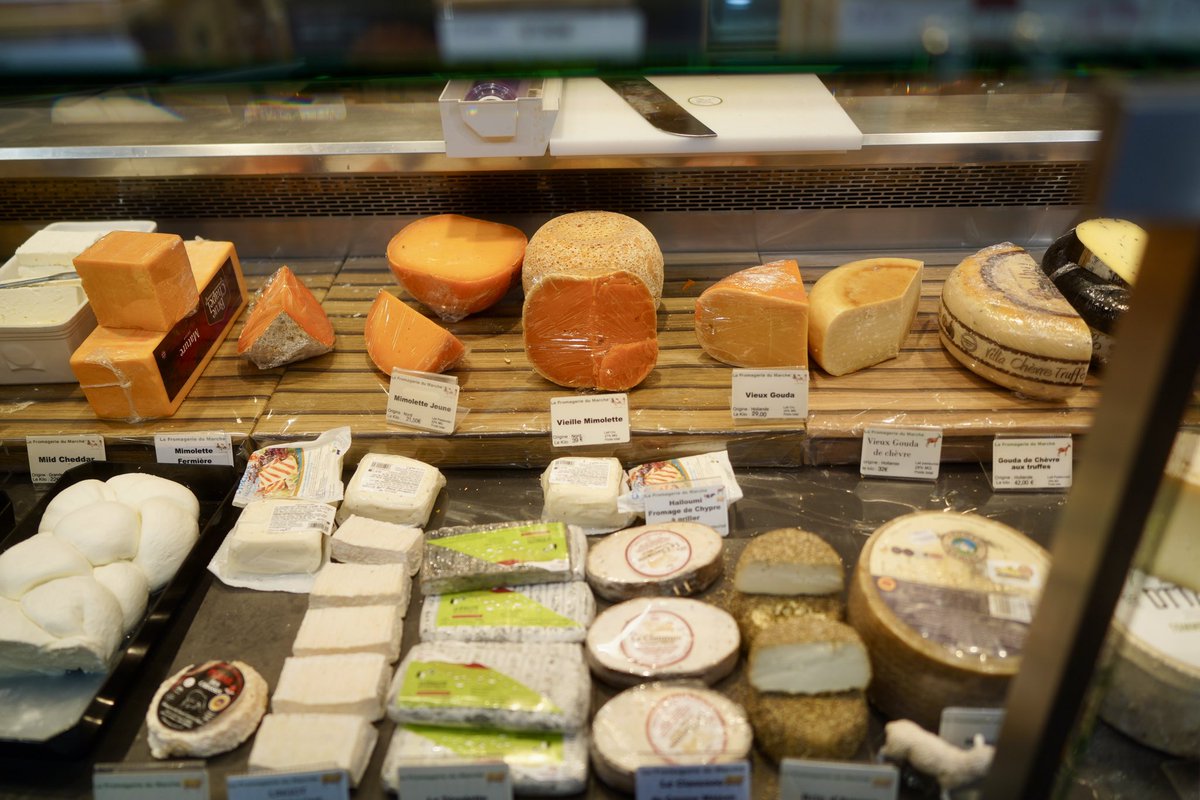
But behind it all is my camera with imperfect glass to capture whatever catches my eye.
If you’re still active here, what caught your 👀❓
OK. So, how do we know if it’s just the whole cream that does the health magic here and not the ice cream (cream + sugar + flavours).
People rarely consume spoons of whole heavy cream (though I do), but they definitely consume spoons of ice cream.
Removing the sugar (refined white sugar + large amounts of fruit) and flavouring, the health benefits could further increase.
This is very much a question of word choice…and rightly so!
‘Cured’ doesn’t work, while ‘in remission’ sits better, because if the person returns to their previous way of eating, the T2 diabetes will very likely return.
However, on the point of genetics, yes, they do play a strong role in predisposition (heritability around 30-70%), but it’s not 100% deterministic. Identical twin concordance is only ~50-70%, and the massive rise in T2D over recent decades is clearly driven by environment (diet, obesity, inactivity). People without strong genetic risk can still develop it if they abuse sugar/carbs + calories long-term, while genetically susceptible people can often achieve long-term remission with the right lifestyle.
At the end of the day, carbs are in no way an essential nutrient for humans; our bodies can produce all the glucose we need on demand via gluconeogenesis. Avoiding dietary carbs therefore poses no problem whatsoever and is a proven way to avoid T2D or put it into remission.
The "fat causes adiposity" narrative ignores the critical distinction between metabolic fuel and hedonic signaling.
1/ Metabolism > Correlation
The mouse studies cited often rely on refined "chow" where fats are combined with processed starches. In a physiological vacuum, animal fat is a high-efficiency fuel. Adiposity is driven by the disruption of satiety, not the fat molecule itself.
2/ The Insulin Factor
Energy storage (adiposity) is a hormonal process. Refined fats only drive fatness when they exist alongside a high glycemic load. In the absence of insulin spikes, fat is oxidized for fuel via stable biochemical pathways rather than being partitioned into adipose tissue.
3/ Satiety & Signaling
For "Fat-Responders", added animal fats provide the necessary caloric density to trigger peptide YY and cholecystokinin (CCK), the body's natural "stop" signals. The "unpopular" view fails to account for the Lean Mass Hyper-Responder (LMHR) framework where fat is the primary metabolic substrate.
4/ Efficiency = Obesity
Let’s stop confusing energy efficiency with metabolic dysfunction. Saturated fats are the body's preferred long-term energy source. The issue is the "Pizza Effect" (Carbs + Fat), not the butter in your pan.