I am pleased to announce a 3-year postdoctoral opportunity at Emory University, associated with our recently #NASA-funded project. This position offers a unique chance to work at the forefront of #remotesensing, #citizenscience, and public health. #postdoc
Our faculty, Dr. Yaqian He, in collaboration with partners from JPL and the University of Wyoming, is working on a NASA-funded project to explore the Arctic and Boreal Land Cover Changes. We anticipate opening two undergraduate research assistant positions for this project!
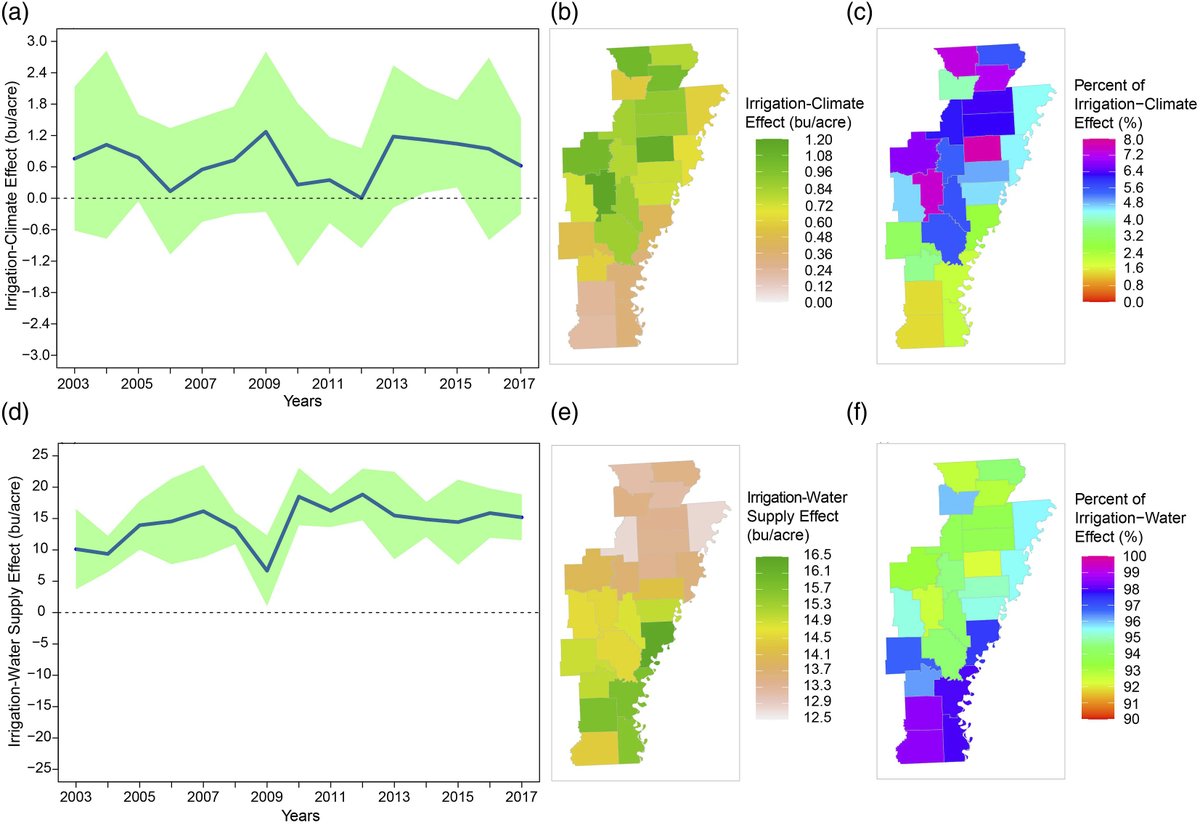
Congratulations to Faith Vire, our MGIS student, on successfully defending her thesis last week. Her work has significantly contributed to enhancing our knowledge of Arkansas's crops.
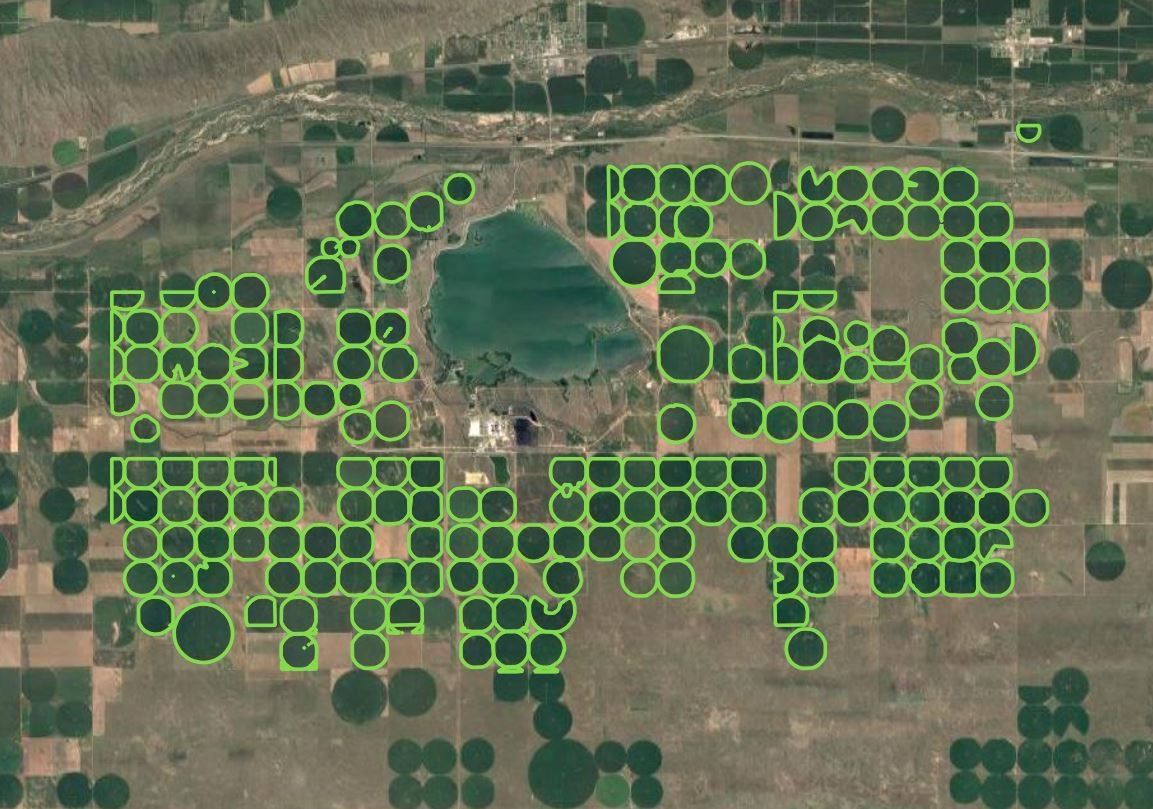
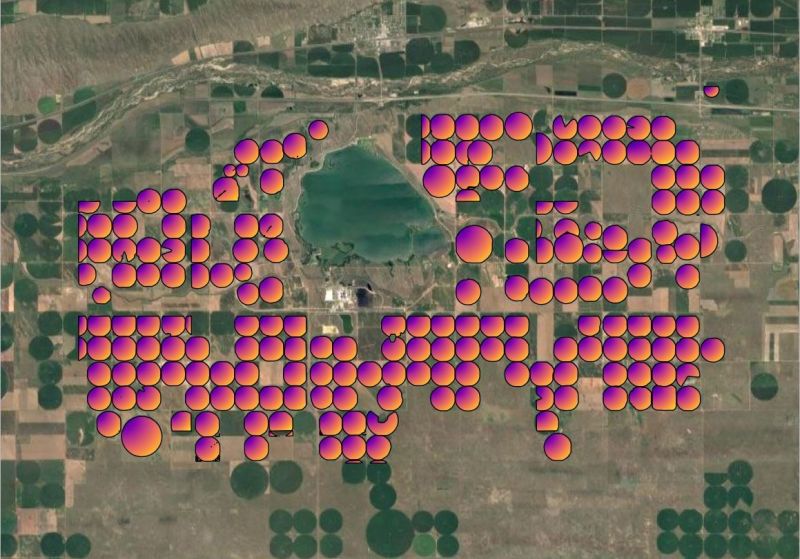
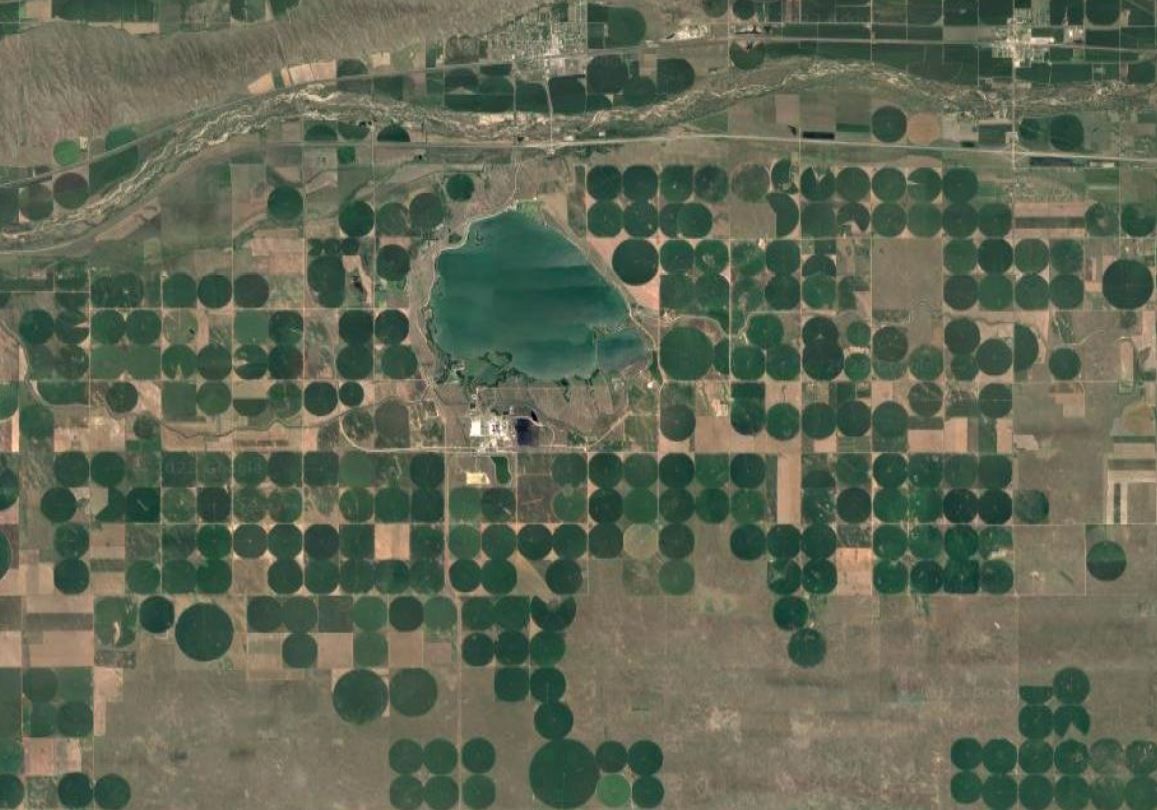
Identifying central pivot irrigation boundaries by simply using the text prompt “circle” with the segment-geospatial package 👇
GitHub: https://t.co/KUOhmJyArU
LinkedIn post: https://t.co/rZdXuO95Hv
#geospatial#segmentanything
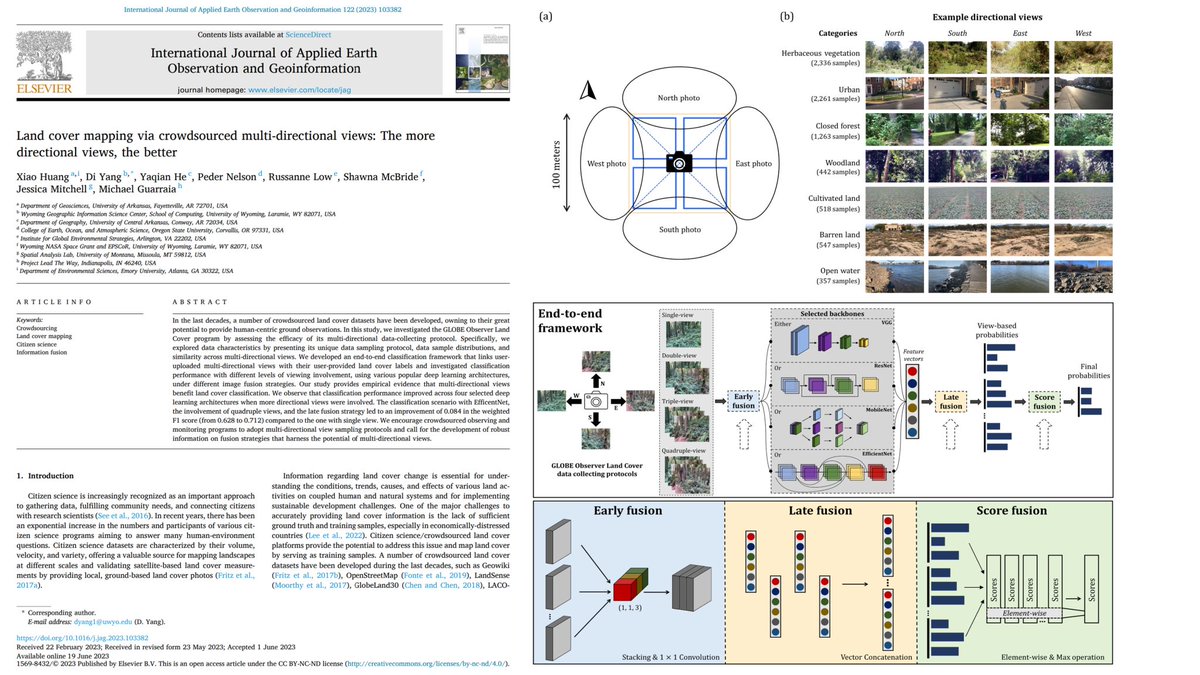
Citizen science can make a difference! Our new study shows more directional views = better land cover classification. Crowdsourcing & multi-views are key! #GLOBE#CitizenScience🌍🛰️ @DoNASAScience@SAL_UMontana@pedervnelson, and Dr. Xiao Huang
Read: https://t.co/AIPXApLbd8
FFAR is now accepting applications for the 2023 New Innovator in Food & Agriculture Research Award. The deadline to submit applications is February 22, 2023.
https://t.co/Pommc4GRg6
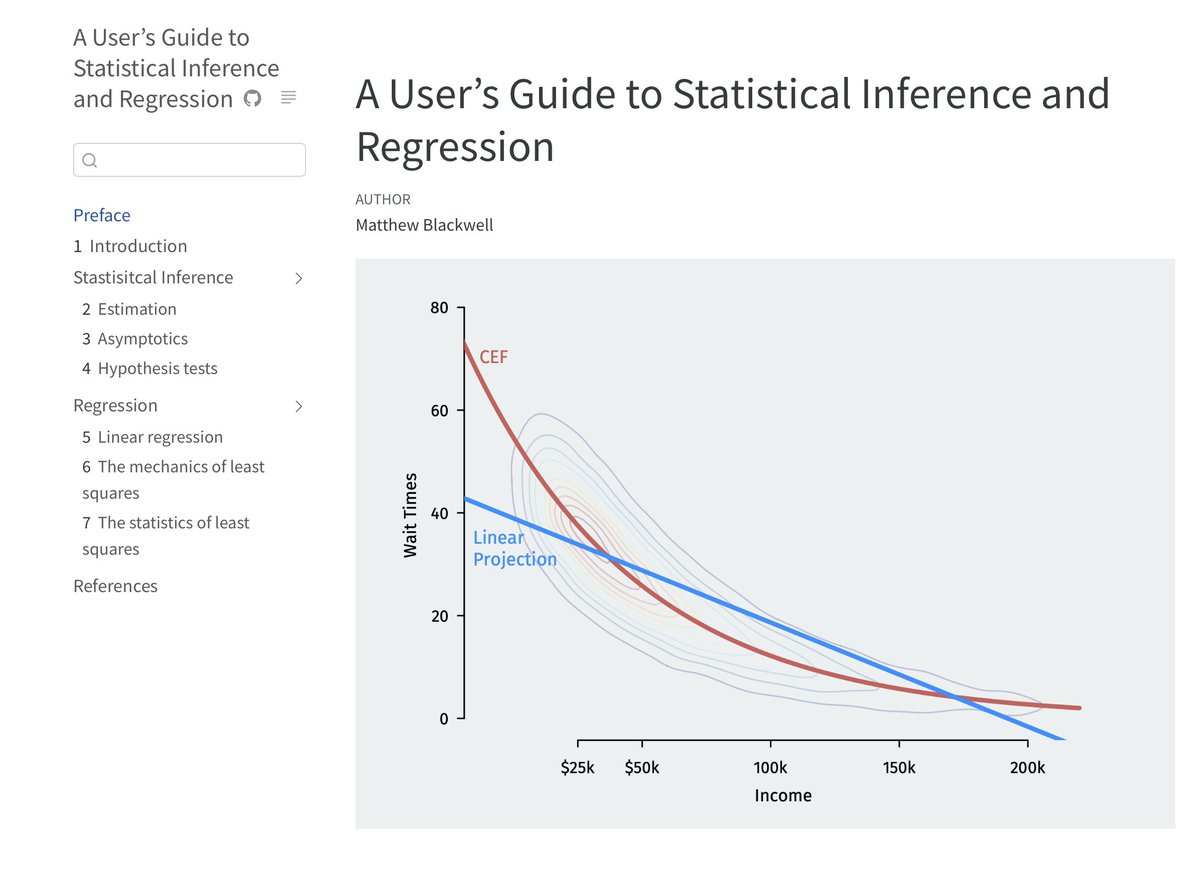
After a long and unsuccessful search for a statistical inference and regression textbook at the right level for our PhD students, I finally decided to write up my lecture notes as a book.
The book is publicly available if you are interested:
https://t.co/XDB34FjaMS
Our new study sheds light on the complex relationship between #COVID19 and 49 health, socioeconomic, demographic, and environmental factors in Arkansas. #geospatial#modeling#spatialmodel Link: https://t.co/PTTBz6NIOB
Using temporal convolutional neural networks, He et al. compile data on land use change in Southeast Asia over the previous 35 years and identify drivers of change https://t.co/ZSx1kFViL3
In our new paper in @NatureComms led by @FHumpenoeder@PIK_Climate, we show that overcoming global inequality is critical for realizing land-based mitigation in line with the Paris Agreement:
https://t.co/AIkQj2we6E
Reminder📢Are you a woman graduate student in #geospatial science at US academic institutions who identify as foreign-born, BIPOC, or first-generation? If so check out our workshop sponsored by @UCGIScience and #TRELIS Carolyn Merry Grant: https://t.co/LJC26CsX7m
Human-caused increases in heat waves have reduced economic output in the world’s poorest tropical regions, according to a new modeling analysis in @ScienceAdvances. https://t.co/15FlsCTvtz
In today’s @lawfareblog, @jsmankin & Chris Callahan discuss their scientific basis for climate reparations—a big topic for #COP27, which is now in its final week https://t.co/5Fzi1Bfb1g
Join us on Tuesday, October 11th at 3pm for a seminar with Prof. Alexandra Konings titled "Microwave remote sensing of plant water stress"! This is a hybrid event - follow the link for more details on how to attend: https://t.co/jZb9J2qNX2